Inside Évian: The Alpine town hosting the world's most powerful leaders during 52nd G7 Summit

Évian-les-Bains, a picturesque town on the shores of Lake Geneva in France, is hosting the 52nd G7 Summit, bringing together leaders of the US, UK, France, Germany, Italy, Japan, Canada and the EU. India is attending as a special invitee, with PM Modi's 7th consecutive G7 appearance.
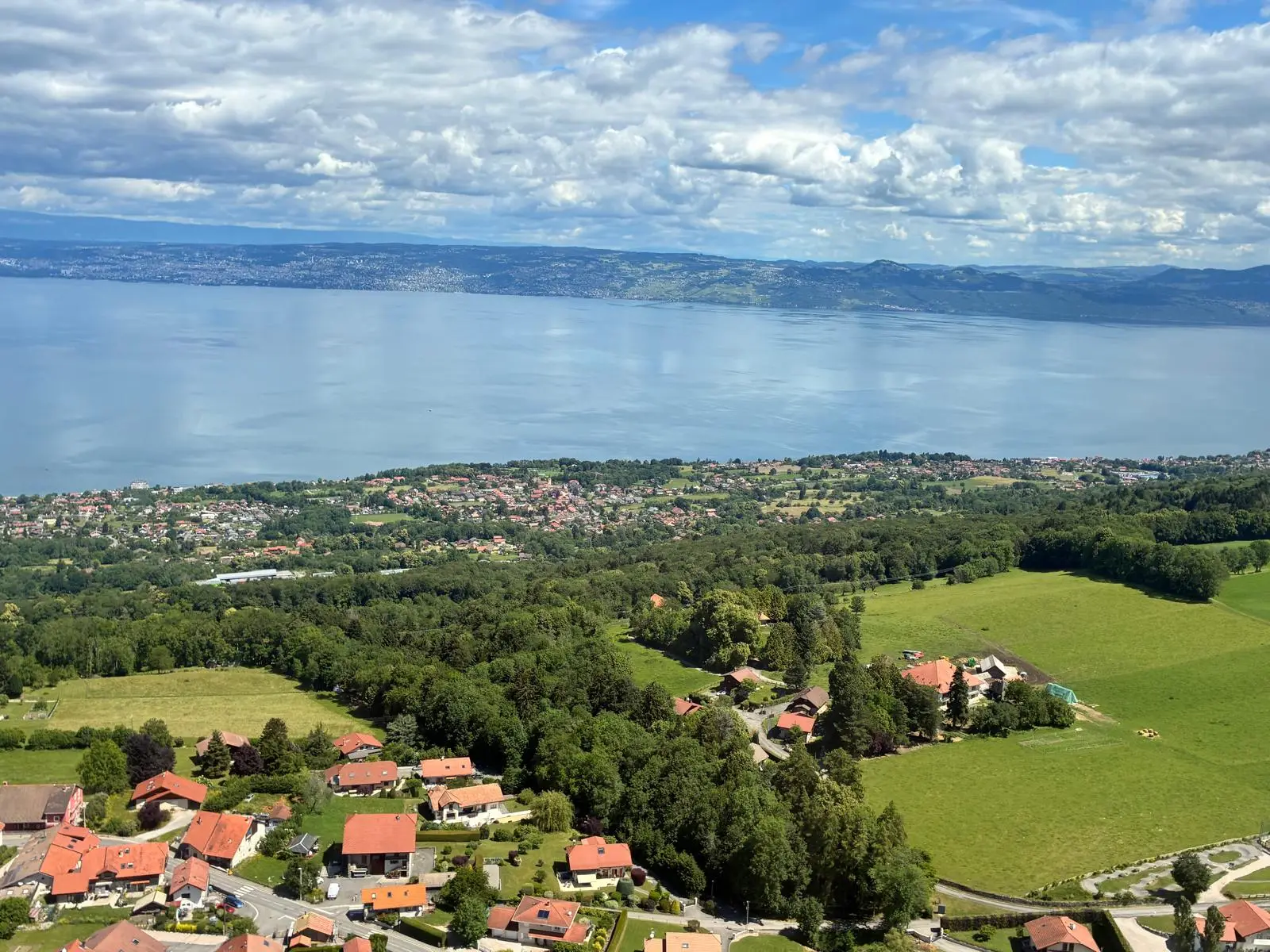
The Alpine Town Hosting 52nd G7 Summit
,Évian-les-Bains is hosting the 52nd G7 Summit, bringing together leaders from the US, UK, France, Germany, Italy, Japan, Canada, and the EU. The Alpine spa town sits on the southern shores of Lake Geneva in France which is uniquely positioned to manage the massive security and logistical needs of global high-stakes diplomacy.
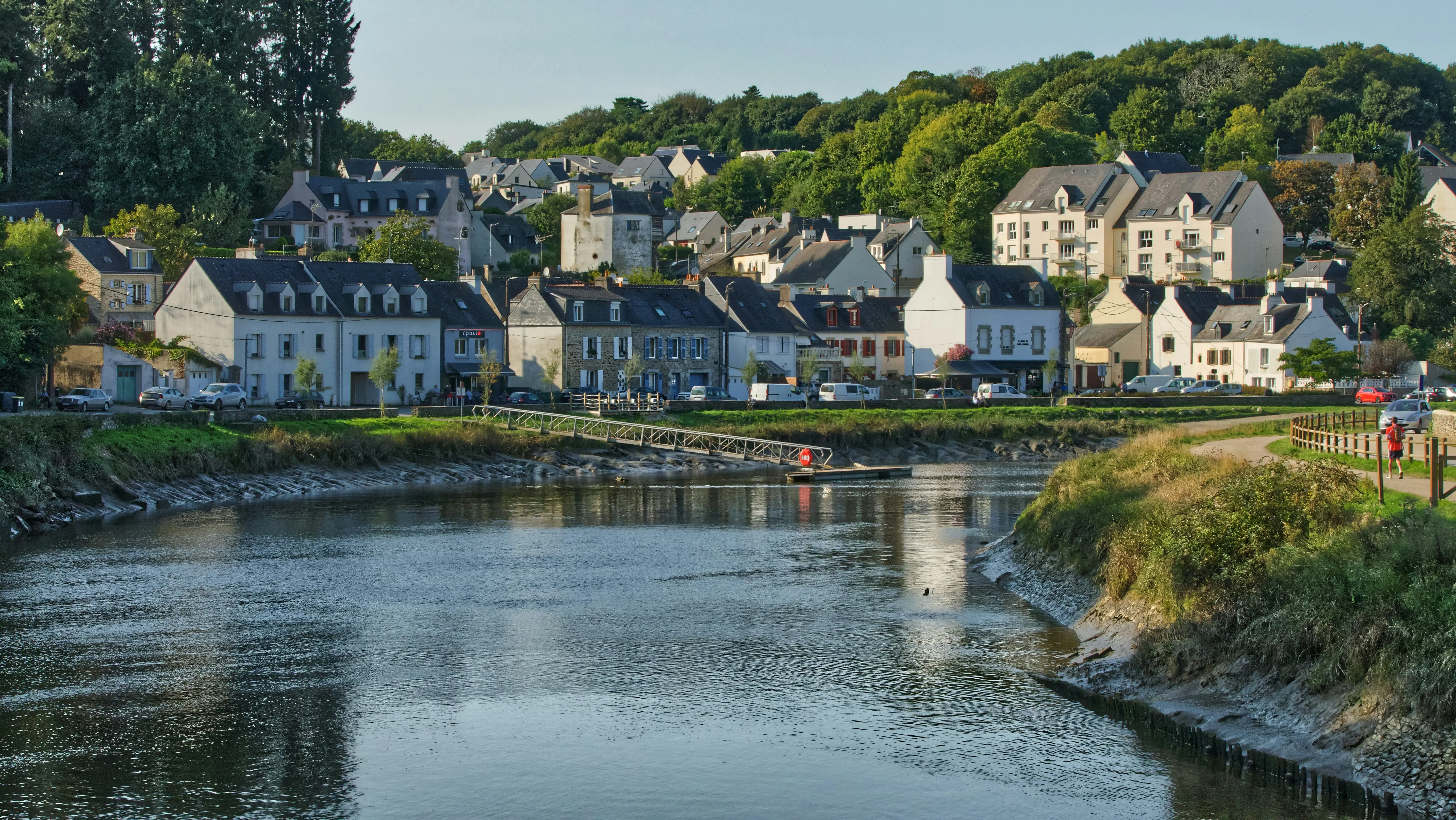
Ground-level look at Évian-les-Bains
Évian-les-Bains offers a uniquely elegant, pedestrian-friendly ground-level experience. Strolling through the town, you’ll encounter graceful Belle Époque architecture, lively lakeside promenades, and the famous mineral springs. The layout of the town shape from the water, connecting the bustling waterfront to the historic upper town.

The summit venue
The 52nd G7 summit venue's main meeting space is located within the historic Hôtel Royal, Evian Resort in Évian-les-Bains, France. The closed-door plenary and leaders' dialogue sessions utilise the property's intimate and regal event spaces to facilitate candid geopolitical discussions. This 5-star palace, historically known for hosting high-level diplomacy (like the 1938 Roosevelt conference and 1962 Evian Accords), serves as the primary base for heads of state.
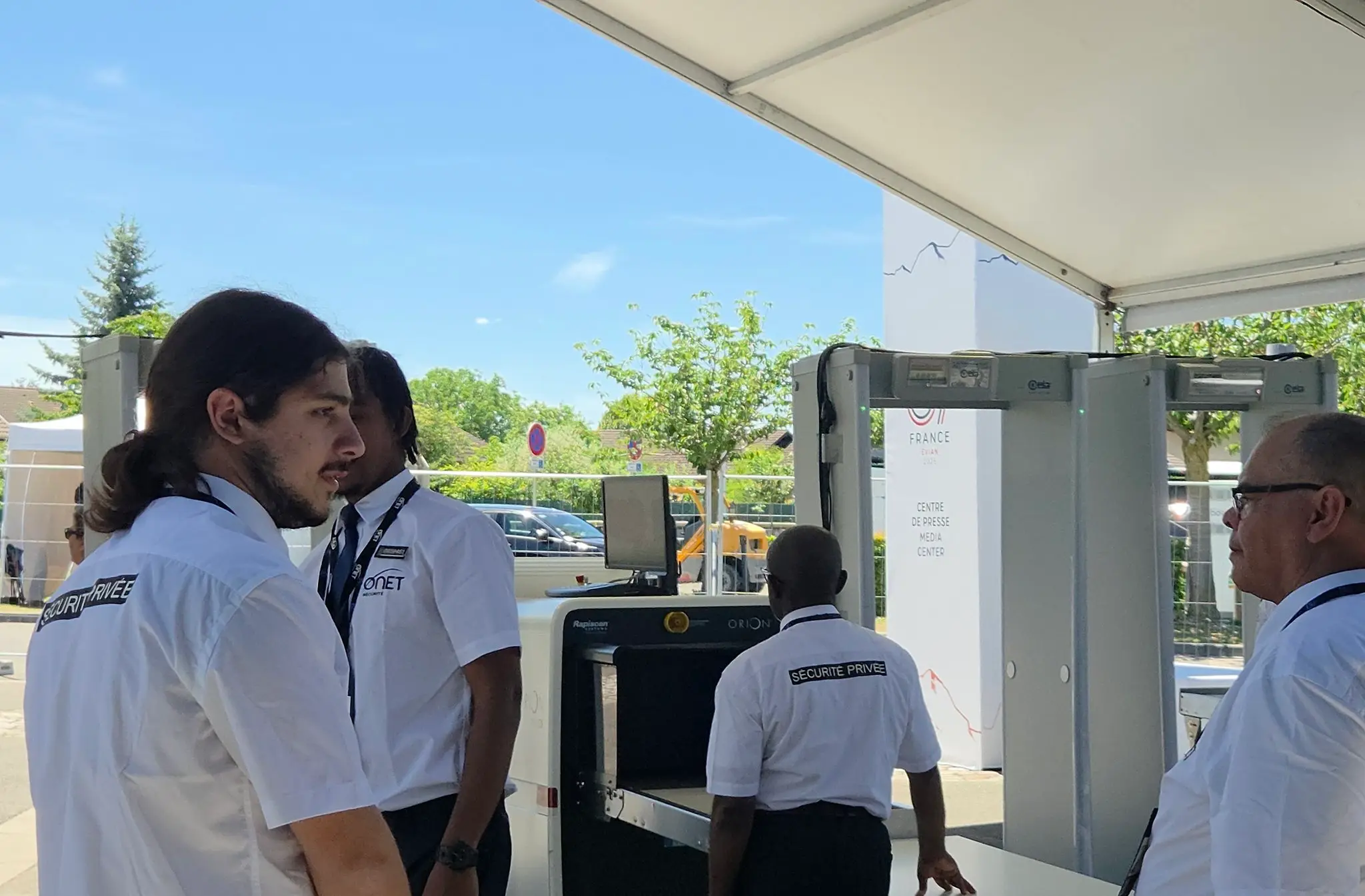
Security preparations
Security officials announced preparations for a large protest expected to draw around 50,000 people on Sunday. As part of the security measures, authorities will close or closely monitor 27 border crossings between France and Switzerland starting Friday evening. To maintain security during the three-day summit of G7 leaders, from Britain, Canada, France, Germany, Italy, Japan and the United States, along with representatives of the European Union, Switzerland has deployed 4,000 soldiers within its territory. Meanwhile, France said it will deploy 8,000 police officers for the summit, which begins on Monday in Evian.
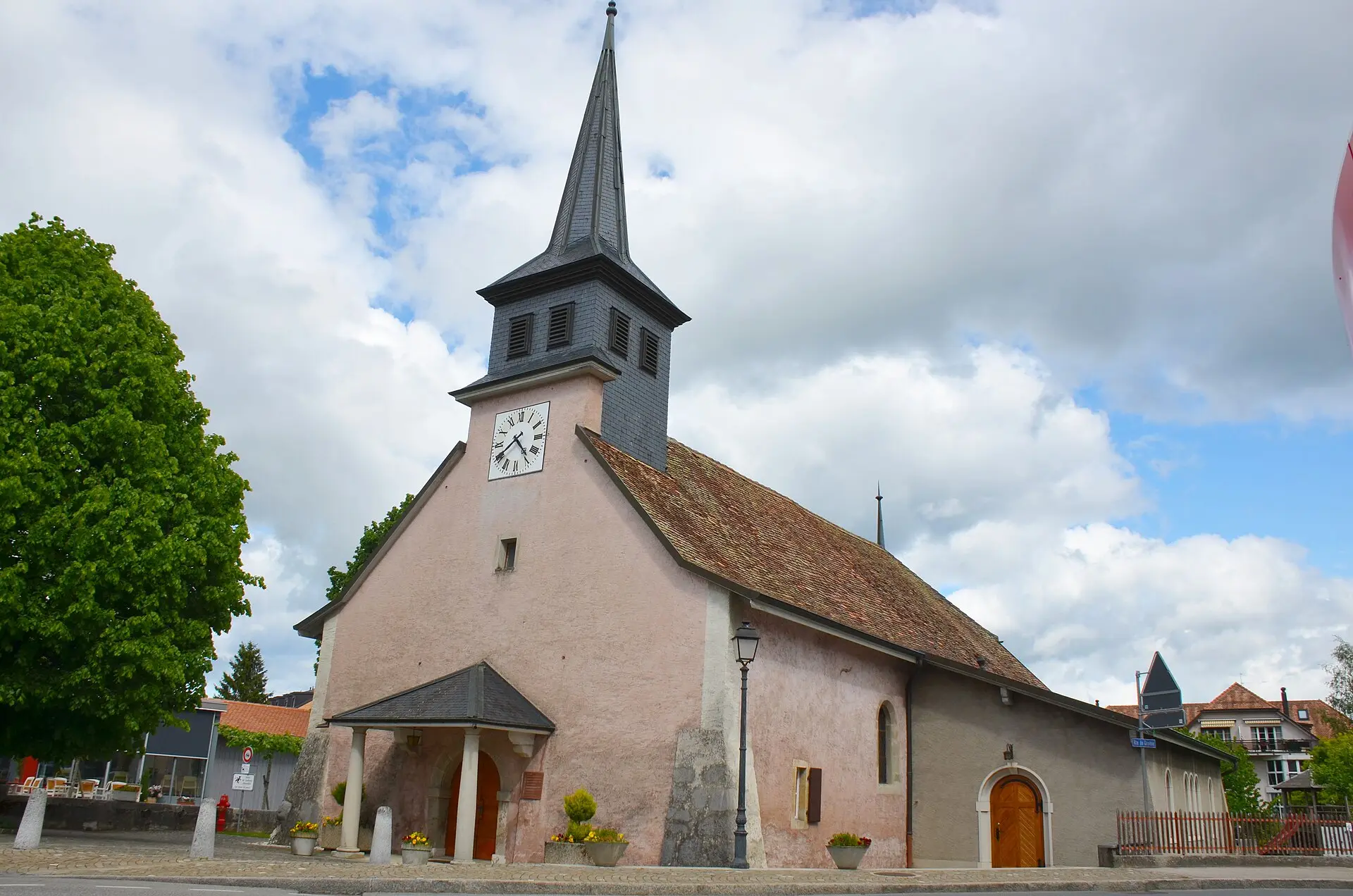
French-Swiss border
The France–Switzerland border is a 572-to-585-kilometre-long international boundary extending from the tripoint with Germany at the Rhine River near Basel in the northeast, all the way to the tripoint with Italy at Mont Dolent in the southwest. It was formed largely during the 1815 Congress of Vienna, which seamlessly blends natural geographic barriers like the Jura Mountains, the Doubs River, and Lake Geneva with highly urbanised, interconnected metropolises.
)
)
)
)
)