'There are a lot of Ukrainian drones there': As Russia's 'untouchable' assets become Kyiv's new target, Zelensky's joke is Putin's latest nightmare

&imwidth=600&imheight=450&format=webp&quality=medium "'There are a lot of Ukrainian drones there': As Russia's 'untouchable' assets become Kyiv's new target, Zelensky's joke is Putin's latest nightmare")
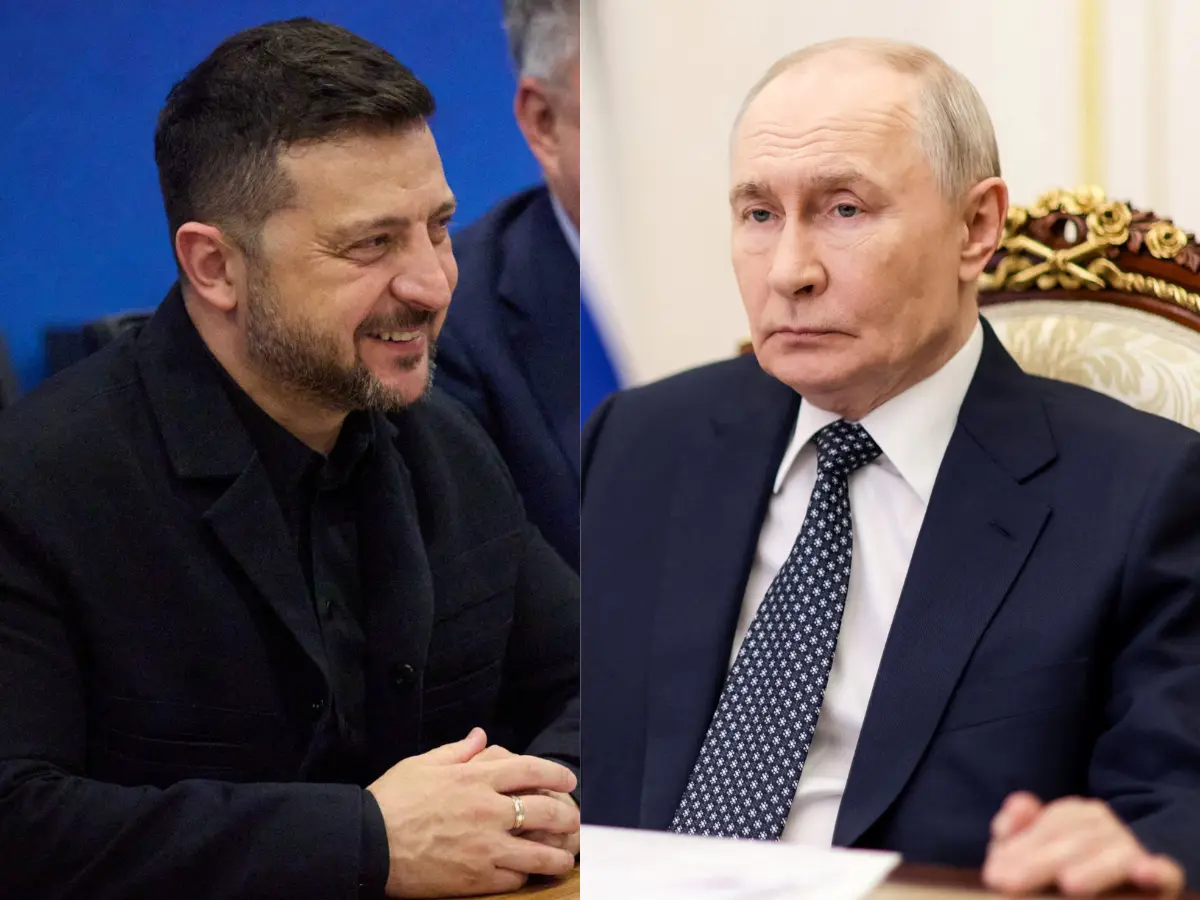
Ukrainian President Volodymyr Zelensky, Russian President Vladimir Putin Photograph: (Combination created using images from AFP)
For years, Russia's vast size protected its deepest military and energy infrastructure from Ukraine. Not anymore. A drone strike more than 3,200 km from the front has exposed a major weakness in Putin's war strategy. Scroll down to see why Russia's geography is suddenly working against it.
Putin's biggest problem is no longer at the front lines; it’s thousands of kilometres behind them. For more than three years, Russia's vast geography has worked in Russian President Vladimir Putin's favour. The country’s enormous landmass meant critical oil refineries, military facilities and industrial hubs deep inside Russia were considered safely beyond Ukraine's reach. That assumption may no longer hold.
This week, Ukrainian drones struck Russia's largest oil refinery in the Siberian city of Omsk, more than 2,000 miles (3,200 kilometres) from Ukrainian-controlled territory. It was one of Kyiv's deepest strikes since the war began and a sign that almost no part of Russia can now be considered untouchable.
Putin's new dilemma
The attack was more than just another drone strike. Military analysts say it exposes a strategic dilemma that could become increasingly difficult for the Kremlin to solve. Until recently, Russia concentrated much of its air defence around the front lines, occupied territories and major cities such as Moscow. Facilities in distant regions like Siberia were considered relatively secure because Ukraine simply lacked the range to hit them.
Now, that calculation has changed. If Ukraine can repeatedly strike targets thousands of kilometres away, Russia may have to spread its already limited air defence systems across an enormous territory stretching from western Russia to the Pacific coast.
Trending Stories
&im=FitAndFill=(700,400))
)
)
)
)
)
)
)
)
)
)
)
)
)
)
)
)
&im=FitAndFill=(700,400))
)
)
)
)
)
)
)
)
)
)
)
)
)
)
)
)
)
)
Retired Royal Air Force Air Marshal Edward Stringer told The Wall Street Journal that Russia has effectively lost both its operational and strategic depth.
"Russia has only got a certain number of air defence assets," he said. "The more territory Russia now has to defend, the more porous the front line becomes."
That presents Putin with an uncomfortable choice: continue concentrating air defences near the battlefield and leave strategic infrastructure vulnerable, or divert valuable systems away from the front, potentially making Russian forces easier to attack.
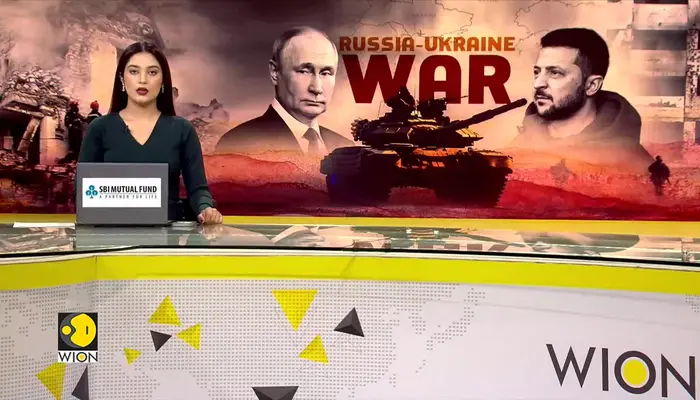
Also read | Patriots, Trump and Putin. What is expected from Zelensky's crucial NATO speech? | WION Decodes
Ukraine 'levelling the playing field'
Kyiv believes its growing fleet of long-range drones is finally allowing it to do to Russia what Moscow has done to Ukraine since 2022: bring the war far from the battlefield and force the other side to defend its own territory. Speaking to the Journal, Mykola Bielieskov, a research fellow at the National Institute for Strategic Studies, a Ukrainian think tank, said Kyiv was now "levelling the playing field".
"In 2026, we can finally do, intensively, what Russia has been doing to us since 2022," Bielieskov said. “Russia is much bigger than us, and this means that the attacker has an advantage because they never know what will be struck next and will find it very difficult to defend. Undoubtedly, geography here works in our favour.”
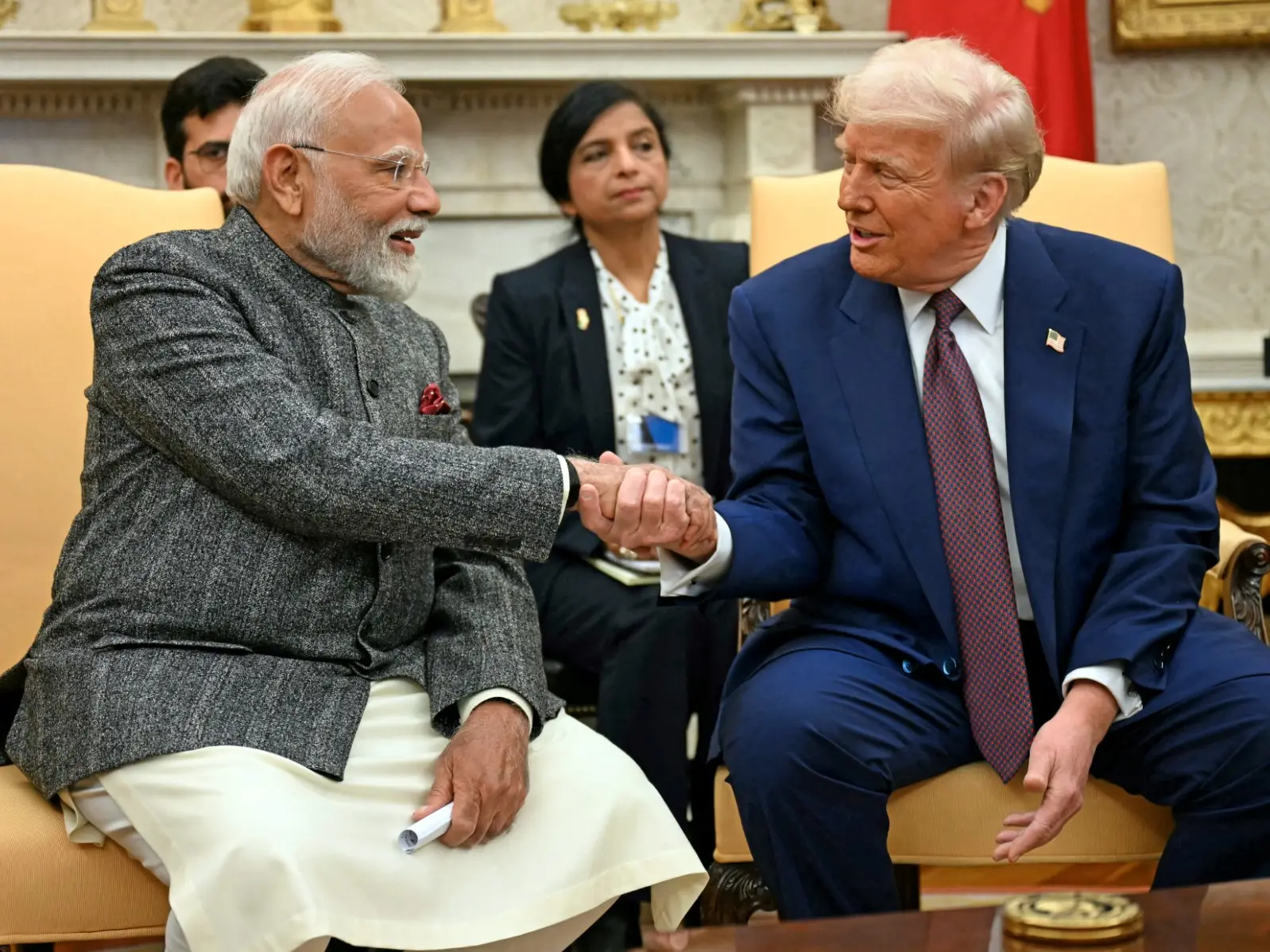
Ukrainian President Volodymyr Zelensky even joked about the success of Kyiv’s drone campaign during a meeting with Donald Trump at Wednesday’s NATO summit in Turkey.
When Trump asked whether he would travel to Moscow for talks to end the war, Zelensky replied, “It’s difficult — there are a lot of Ukrainian drones there.”

