Nepal flash flood: Earthquake or snow-rock landslide, what caused the devastating deluge?

&imwidth=600&imheight=450&format=webp&quality=medium "Nepal flash flood: Earthquake or snow-rock landslide, what caused the devastating deluge?")
Nepal flash flood Photograph: (ANI)
As sequence of events is still being assessed, authorities and experts are investigating whether the earthquake in the Tibetan territory had any role to play in the avalanche.
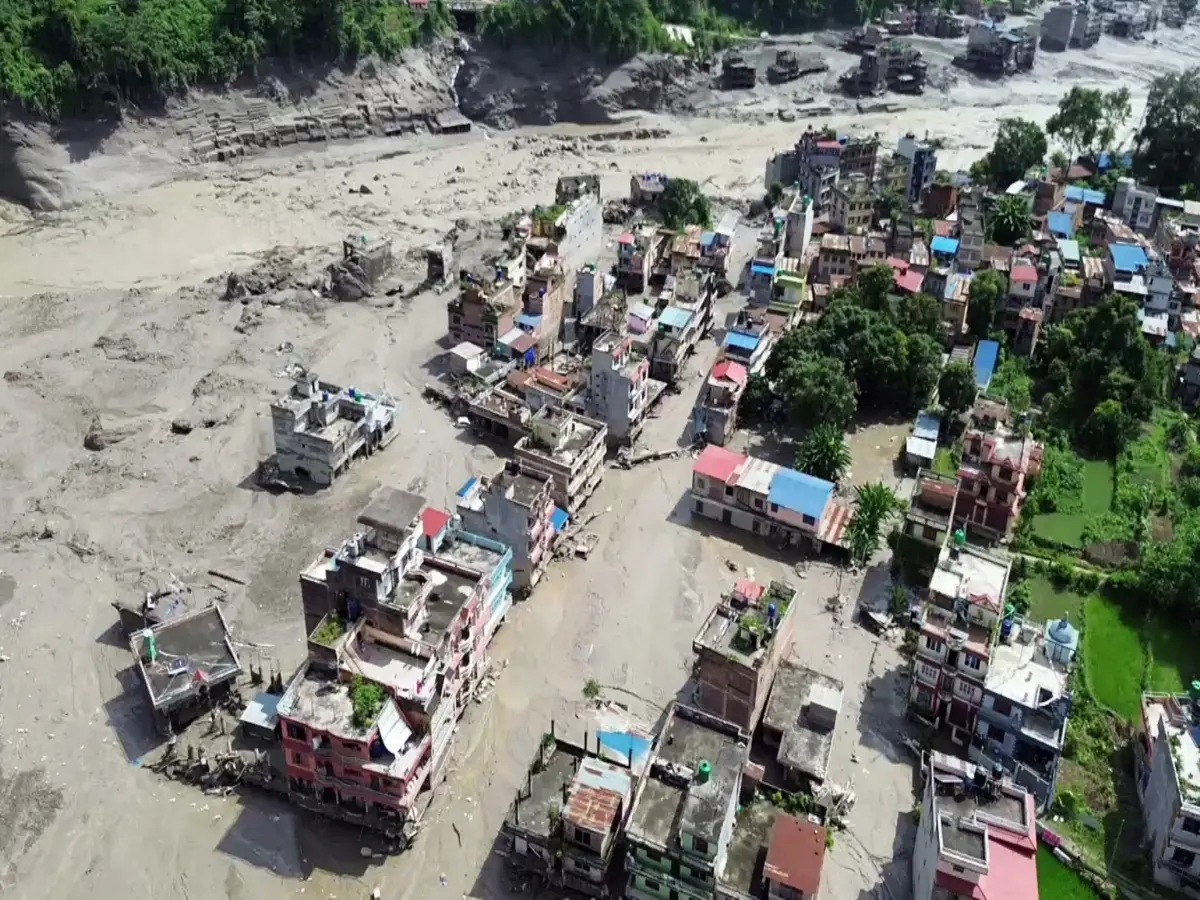
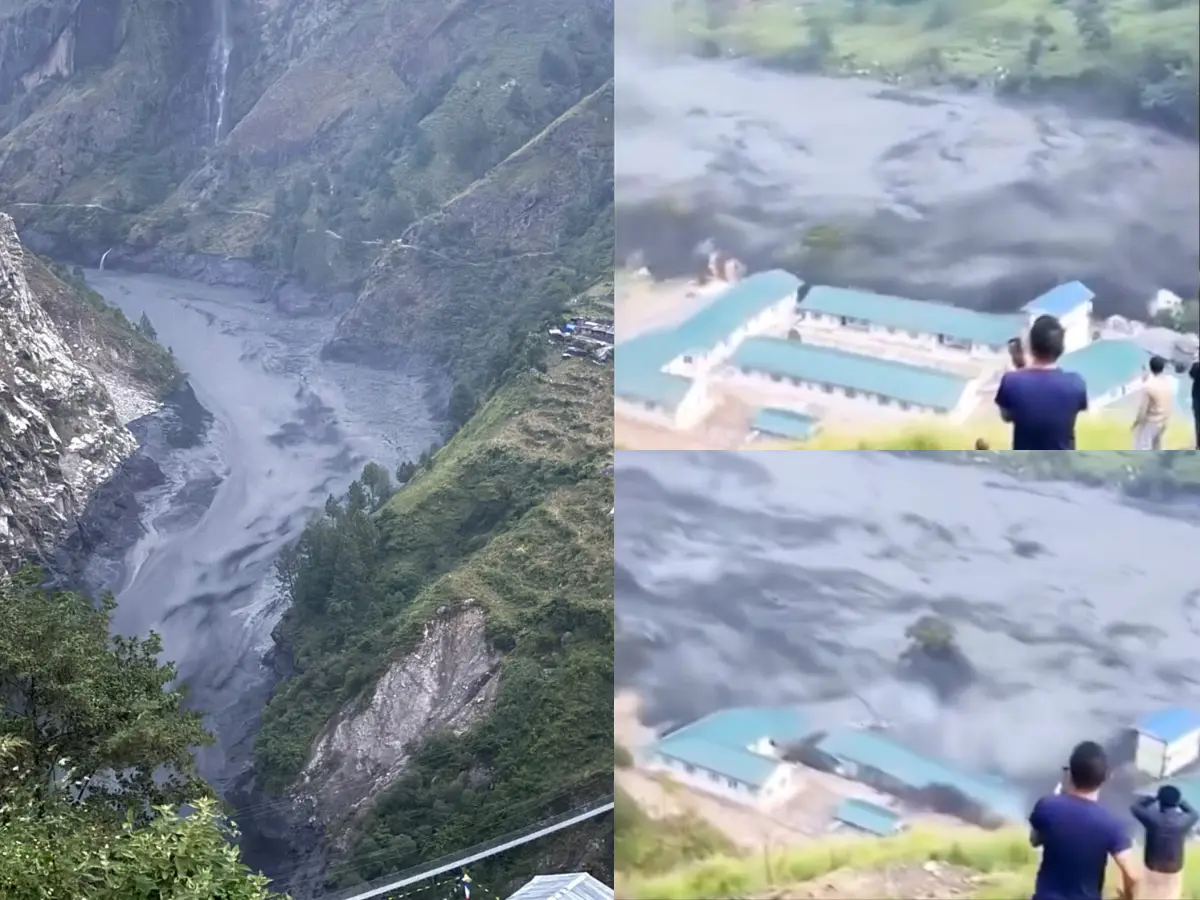
Flash flood in Nepal has claimed the lives of at least 95 people, while close to 400 are missing. The flood that hit early on Wednesday in Rasuwa, after water from Tibet surged through the Bhotekoshi River, overflowing into Nepal's Trishuli River and causing widespread flooding and extensive devastation to settlements along the river.
Several districts downstream, including Rasuwa, Nuwakot, Dhading and Chitwan, have been placed on high alert as officials launched search and rescue operations with the help of the Nepal Army in the affected areas. Also the main road to Kathmandu is reportedly closed.
What caused the devastating Nepal flood?
Preliminary information suggest that a magnitude 4.4 earthquake in Tibetan territory may have triggered an avalanche that led to the devastating flash flood in Nepal’s Bhote Koshi River.
According to the US Geological Survey (USGS), the earthquake struck Tibetan territory at around 8:37 am, approximately 47 kilometres north of Gosainkunda.
While, Nepal’s National Disaster Risk Reduction and Management Authority say that a glacier-inclusive flood occurred in the Lhende River due to a snow-rock landslide on the Nepal-China border about 20 kilometers northeast of the Nepal-China Rasuwagadhi border crossing.
Trending Stories
&imwidth=280&imheight=210&format=webp&quality=medium)
&imwidth=280&imheight=210&format=webp&quality=medium)
&imwidth=280&imheight=210&format=webp&quality=medium)
&im=FitAndFill=(700,400)&imwidth=280&imheight=210&format=webp&quality=medium)
&imwidth=280&imheight=210&format=webp&quality=medium)
&imwidth=280&imheight=210&format=webp&quality=medium)
&imwidth=280&imheight=210&format=webp&quality=medium)
&imwidth=280&imheight=210&format=webp&quality=medium)
&imwidth=280&imheight=210&format=webp&quality=medium)
&imwidth=280&imheight=210&format=webp&quality=medium)
&imwidth=280&imheight=210&format=webp&quality=medium)
&imwidth=280&imheight=210&format=webp&quality=medium)
&imwidth=280&imheight=210&format=webp&quality=medium)
&im=FitAndFill=(700,400)&imwidth=280&imheight=210&format=webp&quality=medium)
&imwidth=280&imheight=210&format=webp&quality=medium)
&imwidth=280&imheight=210&format=webp&quality=medium)
&imwidth=280&imheight=210&format=webp&quality=medium)
&imwidth=280&imheight=210&format=webp&quality=medium)
&imwidth=280&imheight=210&format=webp&quality=medium)
&imwidth=280&imheight=210&format=webp&quality=medium)
&imwidth=280&imheight=210&format=webp&quality=medium)
&imwidth=280&imheight=210&format=webp&quality=medium)
&imwidth=280&imheight=210&format=webp&quality=medium)
&imwidth=280&imheight=210&format=webp&quality=medium)
&imwidth=280&imheight=210&format=webp&quality=medium)
&imwidth=280&imheight=210&format=webp&quality=medium)
&imwidth=280&imheight=210&format=webp&quality=medium)
&imwidth=280&imheight=210&format=webp&quality=medium)
&imwidth=280&imheight=210&format=webp&quality=medium)
&imwidth=280&imheight=210&format=webp&quality=medium)
&imwidth=280&imheight=210&format=webp&quality=medium)
&imwidth=280&imheight=210&format=webp&quality=medium)
&imwidth=280&imheight=210&format=webp&quality=medium)
&imwidth=280&imheight=210&format=webp&quality=medium)
&imwidth=280&imheight=210&format=webp&quality=medium)
&imwidth=280&imheight=210&format=webp&quality=medium)
&imwidth=280&imheight=210&format=webp&quality=medium)
&im=FitAndFill=(700,400)&imwidth=280&imheight=210&format=webp&quality=medium)
&imwidth=280&imheight=210&format=webp&quality=medium)
&imwidth=280&imheight=210&format=webp&quality=medium)
&imwidth=280&imheight=210&format=webp&quality=medium)
&imwidth=280&imheight=210&format=webp&quality=medium)
&im=FitAndFill=(700,400)&imwidth=280&imheight=210&format=webp&quality=medium)
As sequence of events is still being assessed, authorities and experts are investigating whether the earthquake in the Tibetan territory had any role to play in the avalanche that led to the sudden release of water in Bhotekoshi River.
Meanwhile, personnel from the Nepal army, armed police force and Nepal Police have been deployed in Rasuwa and nearby areas to help in rescue and relief operations.
Prime Minister Belendra Shah held an emergency meeting to take stock of the situation and said "Work has started to take necessary steps in co-ordination with the medical team, scouts, and Red Cross."
Nepal's disaster management authority has called on people living near river banks in vulnerable areas to remain alert and take precautions.
