Merkel woos China as Trump poses new trade challenge

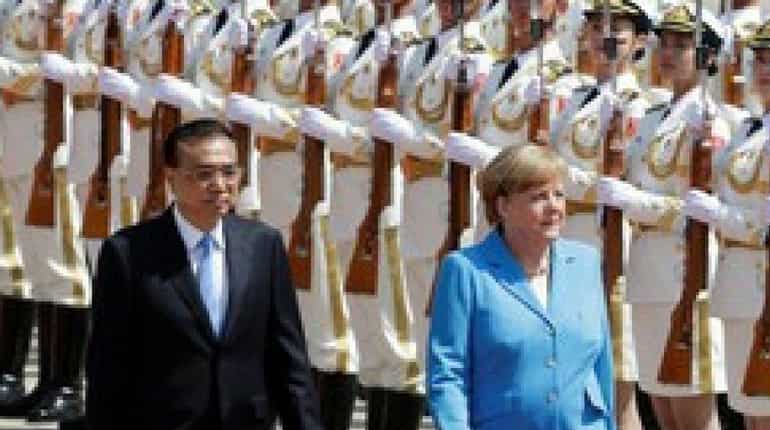
Angela Merkel
The announcement hurt share prices of both European and Asian carmakers. China vowed to protect its interests
Chinasaid on Thursday it would "open its door wider" to German businesses, helping to visit Chancellor AngelaMerkeldefend free commerce and counterbalance tradethreats from US President DonaldTrumpthat are testing transatlantic ties.
Germany andChina, two exporting nations that run largetradesurpluses with the United States, have found themselves inTrump's firing line and are scrambling to preserve the rules-based multilateral order on which their prosperity rests.
Merkelfaces a delicate balancing act on theChinatrip, her 11th since becoming chancellor in 2005, as she seeks to show Chinese-German solidarity over freetradeand the Iran nuclear deal without harming German ties with long-term ally Washington.

In the latest US trademove that has alarmed Beijing and Berlin alike, theTrumpadministration announced on Wednesday a national security investigation on into car and truck imports that could potentially lead to tariffs.
The announcement hurt share prices of both European and Asian carmakers.Chinavowed to protect its interests.
European countries are also concerned that their exporters could be hurt ifChinainstructs importers to buy more US goods to easetradedisputes with theTrumpadministration.China has already signalled to state companies to buy more U.S. oil and soybeans,tradesources told Reuters.
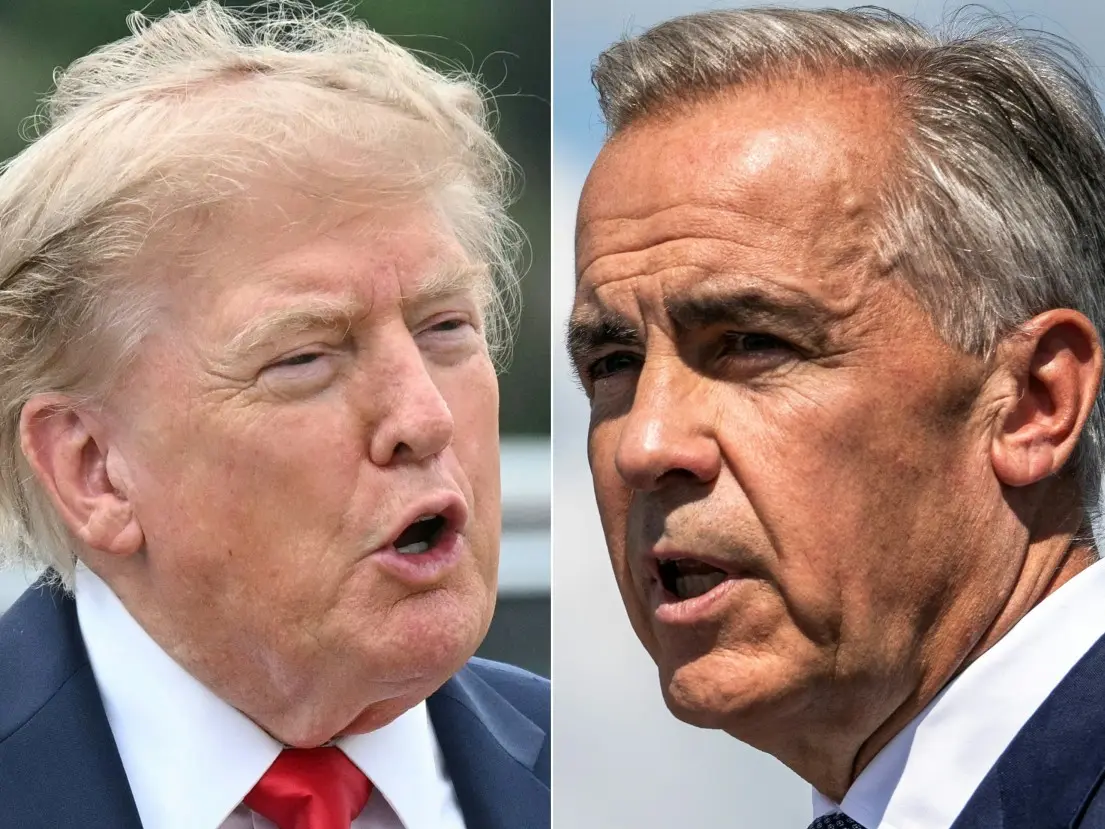)
What’s in a name? Trump’s 'Lake America' move gets a tit-for-tat response from Canada
)
Outrage erupts after 3-year-old is married to 60-year-old man in Pakistan, link to her sister's murder being probed
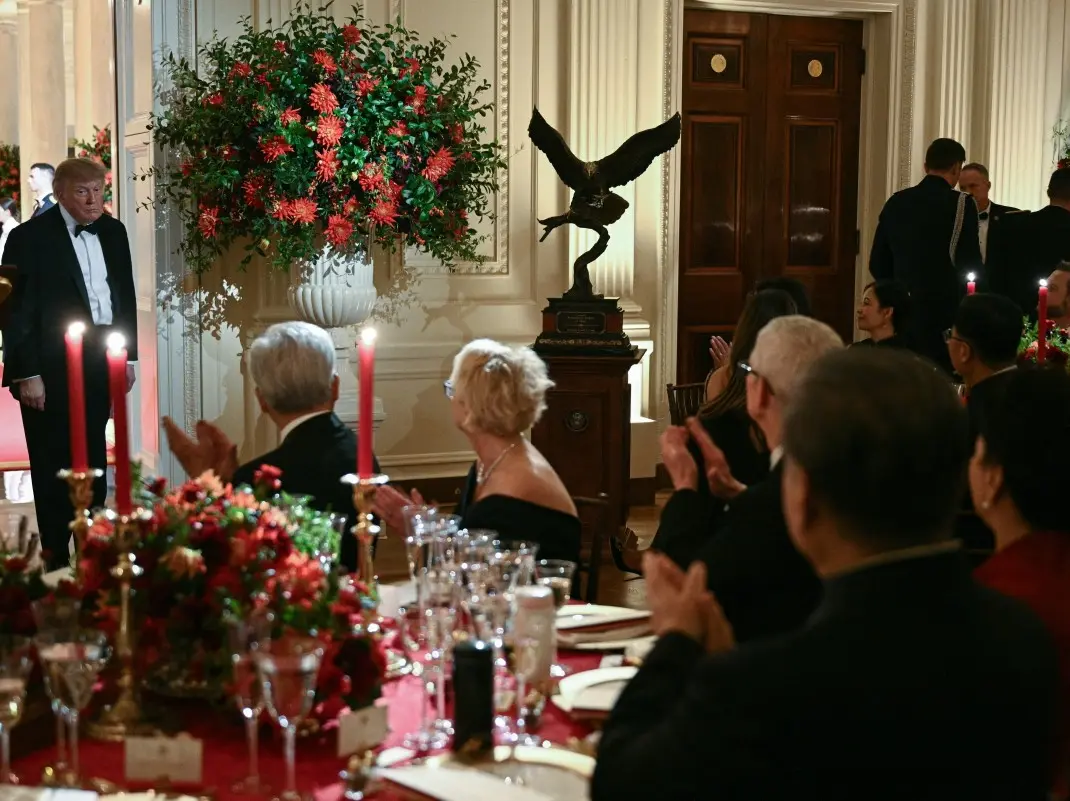)
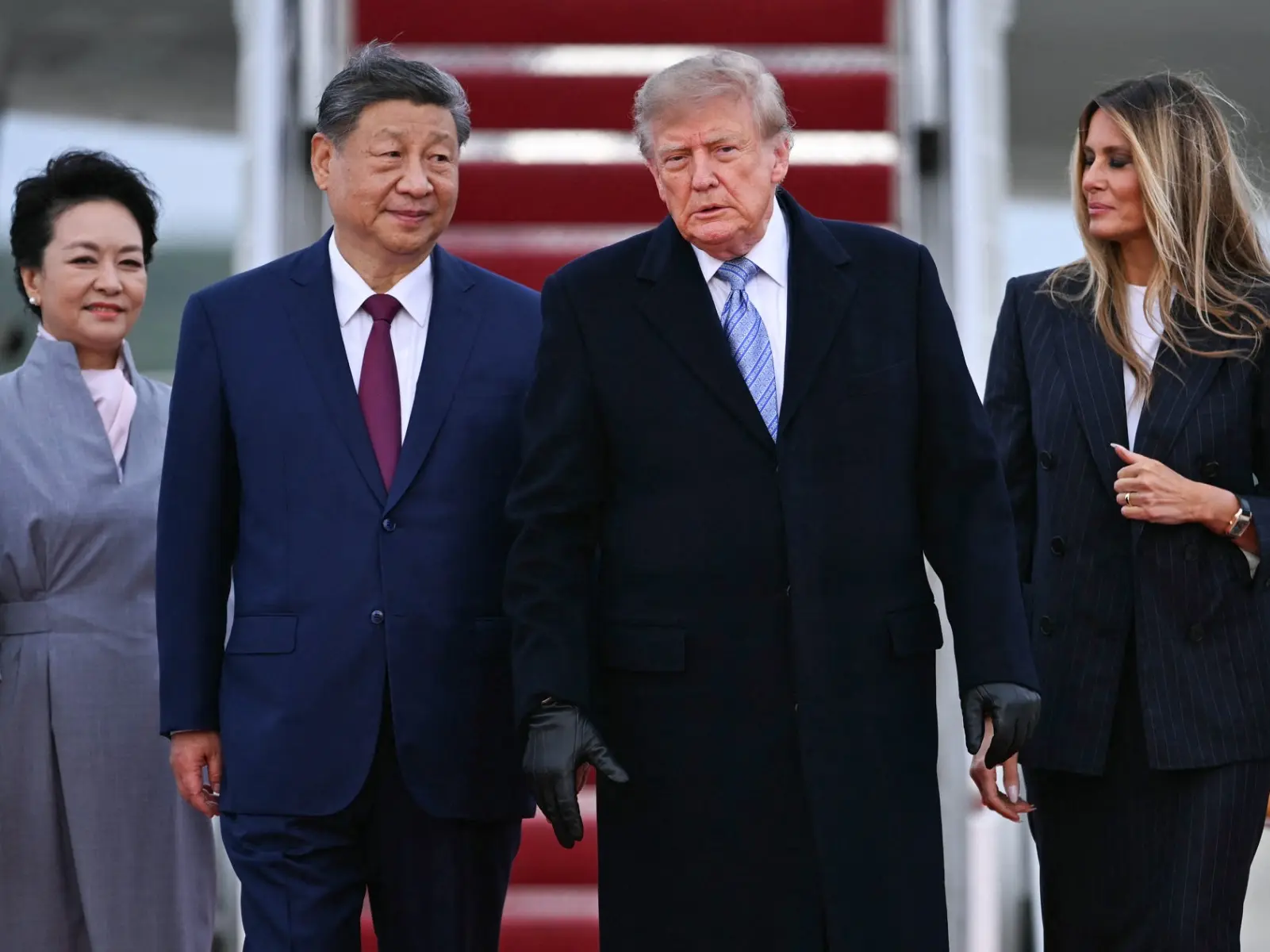
Trump gifts Xi a bald eagle sculpture at White House dinner: Here’s what it symbolises
)
‘Not just a local tragedy’: Nepal PM Shah warns UN of growing climate threat, says Nepal floods were 'a warning to the world'
)
CNN, Politico and MS NOW back in White House after judge blocks Trump’s media ban
)
Farhan, who went viral for AK47 celebration vs India in Asia Cup, hopes to lead Pakistan beyond Asian Games
Don't Be Shy movie review: A frothy coming-of-age tale that is too shy to experiment
)
IIT Bombay CCTV footage emerges: Sahil Wakode seen looking at phone in examination hall
)
Welcome actor Mushtaq Khan dies at 56 after battling cancer
)
Tesla is preparing something big for Optimus: new Gen 3 models surface in app
)
Bias or safety concerns? Bengaluru CEO says firm will not hire men from UP, Bihar, Rajasthan, MP. Here's why
)
Trump's welcome to Xi demonstrates 'attraction' to dictators: Chuck Schumer
)
Nations League: Germany draw on Klopp debut; Portugal, Norway win
)
WION Iconic Tourism Summit 2026: Union Minister Shekhawat on 'experiential travel', peace diplomacy
)
Scientists detect first radio signals directly from faraway planet
)
A seven-day roadmap? Iran proposes plan to end war, reopen Strait of Hormuz and resume nuclear talks
)
China to test supersonic jet that moves at Mach 2, double the speed of sound
)
The Vvaan Review: This Ekta Kapoor's Tulsi Virani-coded world can't be saved by Sidharth Malhotra and Tamannaah Bhatia
)
Xi Jinping's 'special plane' vs Trump's Air Force One: What's the difference?
)
UNGA 2026: Israeli PM attacks Britain, France for past colonialism
)
West Indies coach Sammy looking at India series as opportunity to finetune ahead of ODI World Cup 2027 qualifiers
)
‘We’ve never gotten along better’: Trump praises Xi, jokes about White House ballroom at high-stakes state dinner
)
Air India pilot suspended after failing pre-flight alcohol test on Zurich-Delhi route
)
Yemen called Trump for US military support in fight against Houthis: Official
)
2,000-foot tube, laser tests and more: China builds towns to expand nuclear arsenal, satellite images show
)
Meet Adrian Abraham: 9-year-old Indian-origin guitar prodigy aiming for a Guinness World Record
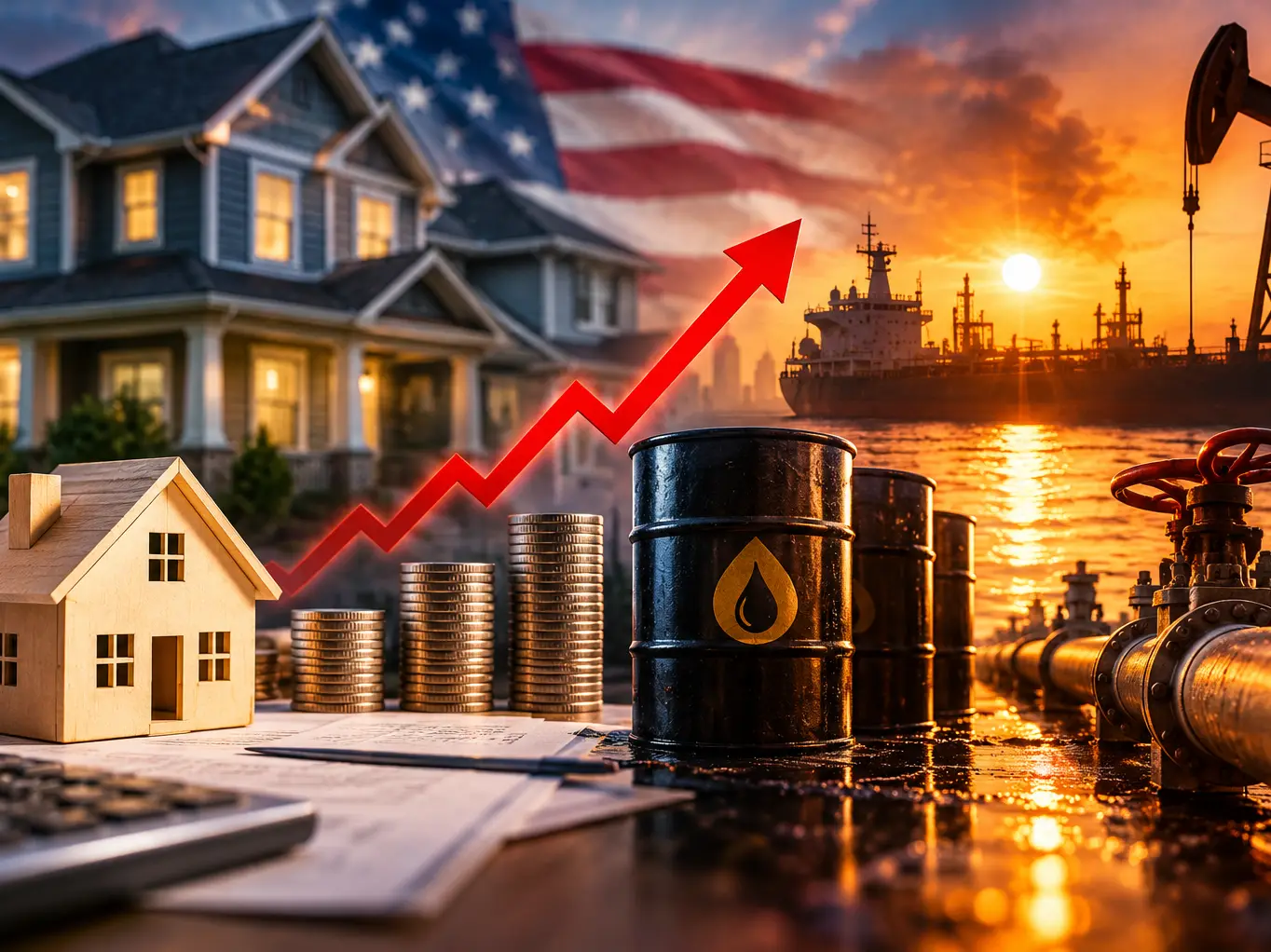)
US faces fresh cost crunch as mortgage rates hit 7%, oil tops $107 and gas prices surge
)
'Blockbuster' nor'easter develops an eye similar to hurricanes as warnings are issued
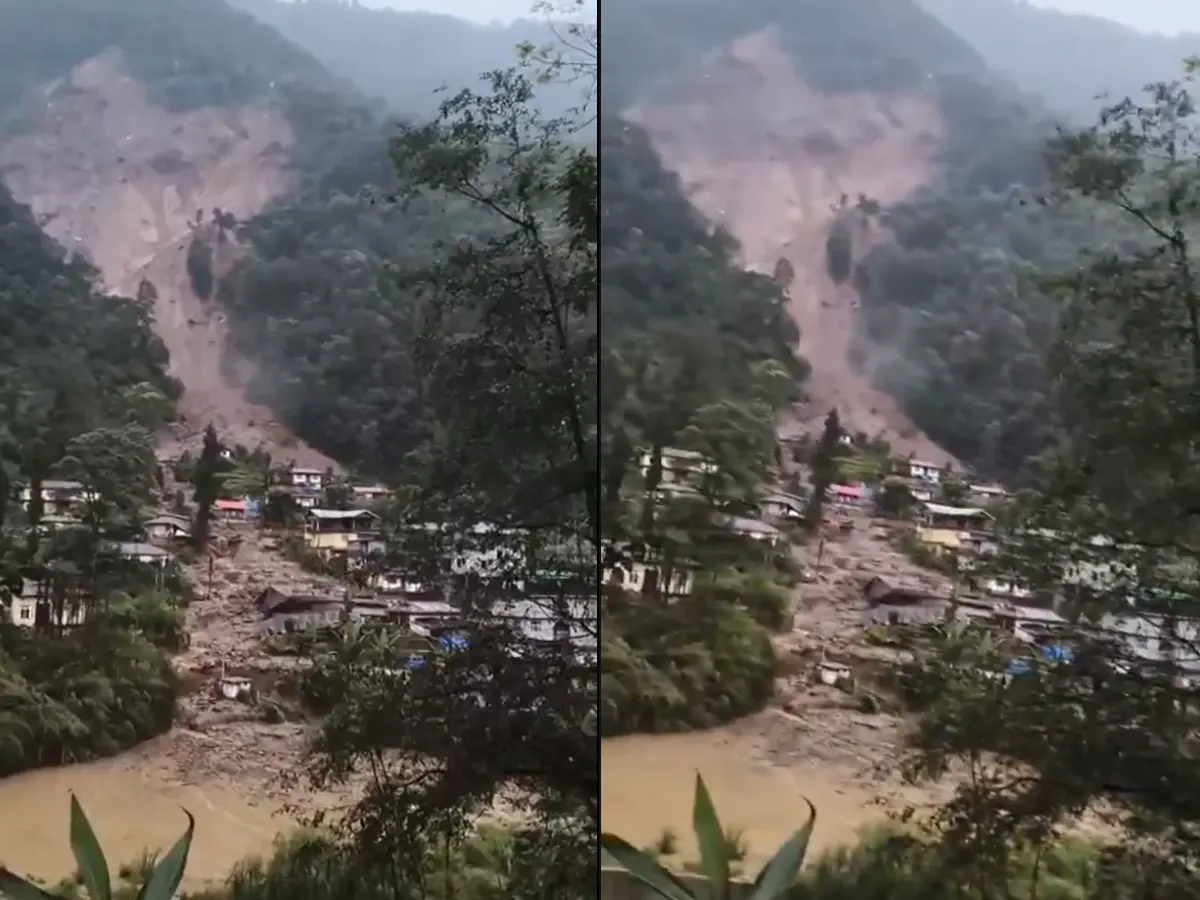)
Alarming video emerges as landslide damages houses in Sikkim’s Rimbi village. Watch
)
OpenAI is building AI to fight cyber threats: What GPT-6 Cyber means for security
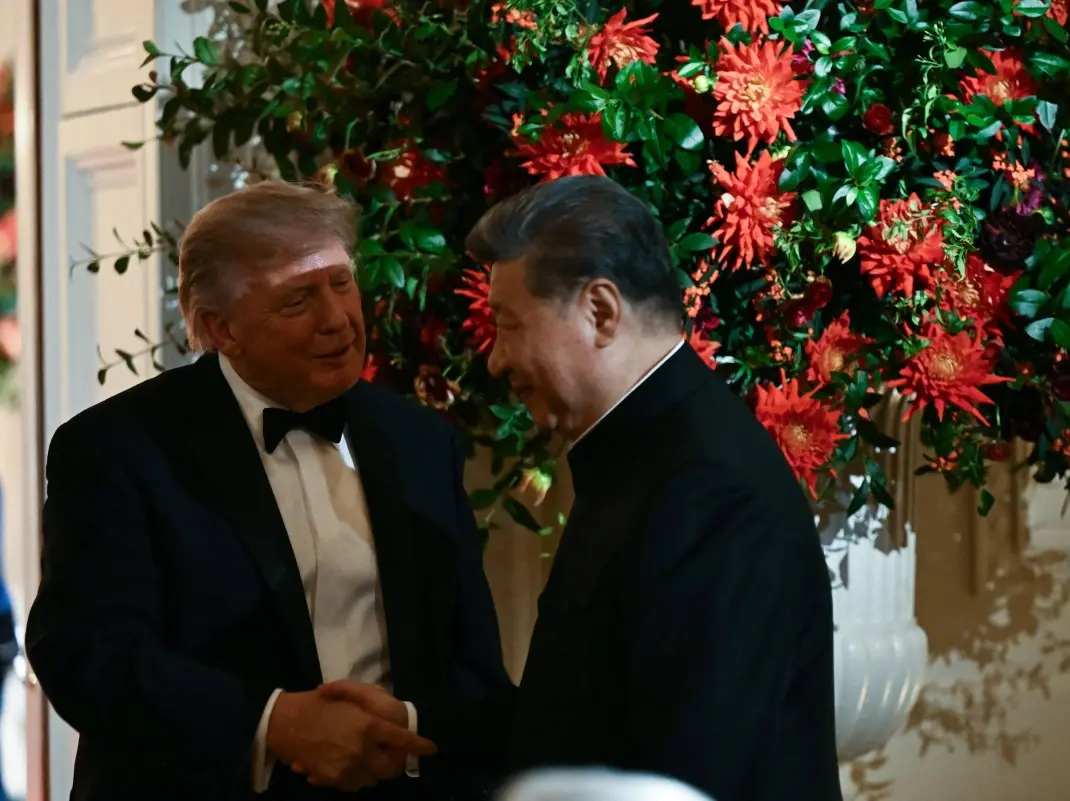)
'Making history': Xi Jinping praises Trump as US-China leaders dine at White House
)
'What kind of confession is this?': Pakistan PM Shehbaz Sharif’s 'terrorists would be roaming New York' remark goes viral, raises alarm online. Watch
&im=FitAndFill=(700,400))
Netanyahu at UN: Mass walkout, attack on Mamdani and Iran threats | In Pics
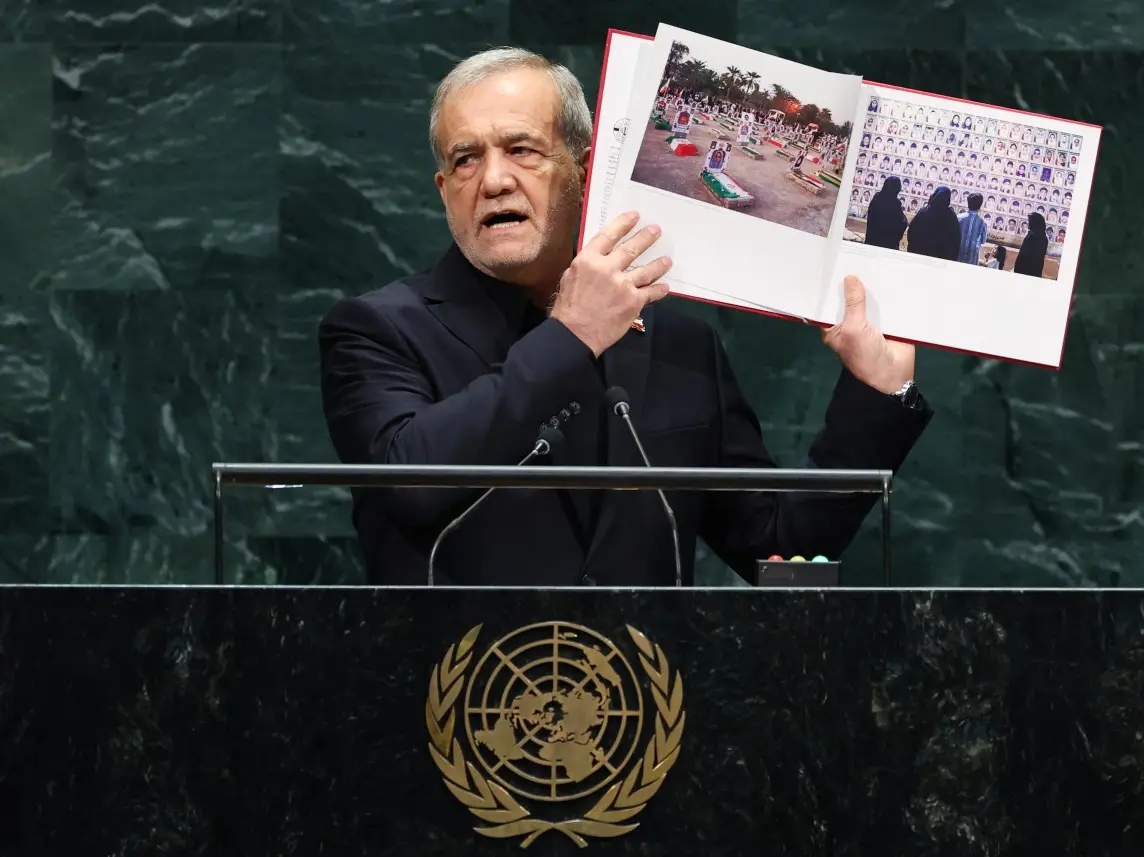)
'We do not wish to continue. It's America that must choose': Iran president Pezeshkian calls on US to end war
)
WION Iconic Tourism Summit: How local tourism MSMEs must upskill for AI integration
)
Bollywood mourns Mushtaq Khan: Sunny Deol, Rajpal Yadav and others pay tribute
)
'FIRST LOOK from inside Noah’s Ark': Researchers share video from inside mysterious mound in Turkey
)
Israeli envoy to US Yechiel Leiter’s son critically injured in West Bank ramming attack
)
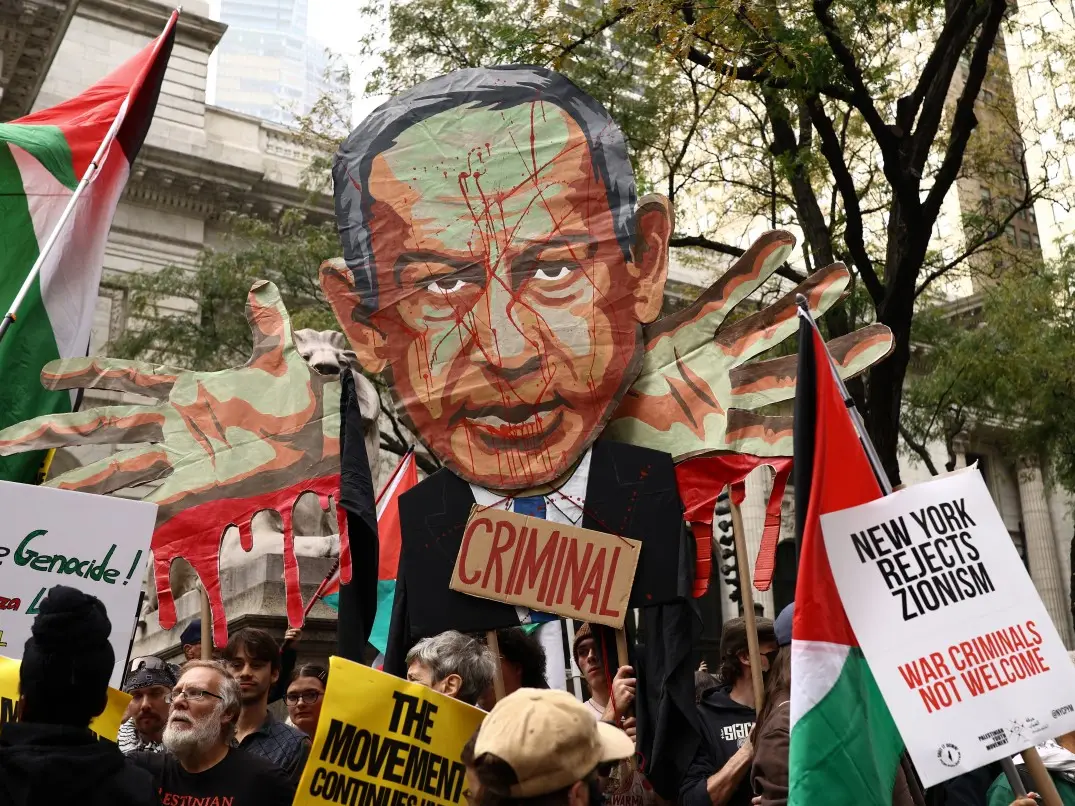
'Fund people, not bombs': Hundreds take to New York streets as Netanyahu delivers speech at UN; dozens arrested
)
Premier Li Keqiang, in a joint media appearance withMerkelat Beijing's Great Hall of the People, saidChinaand Germany both upheld global freetrade and stressed the huge potential for cooperation between them.
Though the two countries had problems, they could be overcome, Li said. "China's door is open. You can say it will open even wider," Li said, standing next toMerkeland stressing "friendly relations" with Germany.
Trump's "America First"tradepolicy, his administration's professed disdain for the WorldTradeOrganisation, as well as his withdrawal from the Iran nuclear deal, have pushedChinaand Germany into closer alignment, German officials say.
However,Merkel's government also shares many of theTrumpadministration's concerns about Chinese business practices, including what many Western countries have complained are state-backed efforts to pressure foreign companies into giving uptradesecrets.
Li saidChinawould protect the interests of German firms investing inChinaand adjust its rules if needed.
"If they come across any problems during their investment, especially when it comes to legal protections, I can clearly tell you thatChinais striding forward to being a country with rule of law," Li said.
German companies have complained for years about barriers to the Chinese market and the theft of intellectual property.
MerkelwelcomedChina's recent announcements that it would further open its financial sector to foreign participation and reduce Chinese joint venture requirements in sectors such as automobiles, a mainstay of German investment in the world's second-largest economy.
But German industry said it was now up toChinato deliver on its promises of greater openness.
"Chinamust rigorously reduce the asymmetries in market access," said Hubert Lienhard, head of the Asia Pacific Committee of German Industry (APA).
Germany andChinashould work on a "multilateral global system",Merkelsaid, stressing her attachment to the rules-based global framework thatTrumpis challenging.
Trumphas also pushed Europe to work more closely withChinaby pulling out of a 2015 deal between world powers and Iran under which international sanctions against Tehran were lifted in return for Iran accepting curbs on its nuclear programme.
European countries, Russia andChina, which were parties to the deal, are searching for a way to salvage it by continuing to offer economic benefits to Iran in return for its compliance.
Merkel, who personally lobbiedTrumpnot to pull out of the pact but was rebuffed, said Germany andChinawere "united in the view that we do not want to put this agreement in doubt".
European companies could reduce their business with Iran if they risk US sanctions for trading there,Merkelsaid, adding with a nod toChina: "Of course, this creates the possibility for others to then get more into Iran."