These two Israeli ministers are declared PERSONA NON GRATA by the Netherlands. Who are they, and what does it mean?

&imwidth=600&imheight=450&format=webp&quality=medium "These two Israeli ministers are declared PERSONA NON GRATA by the Netherlands. Who are they, and what does it mean?")
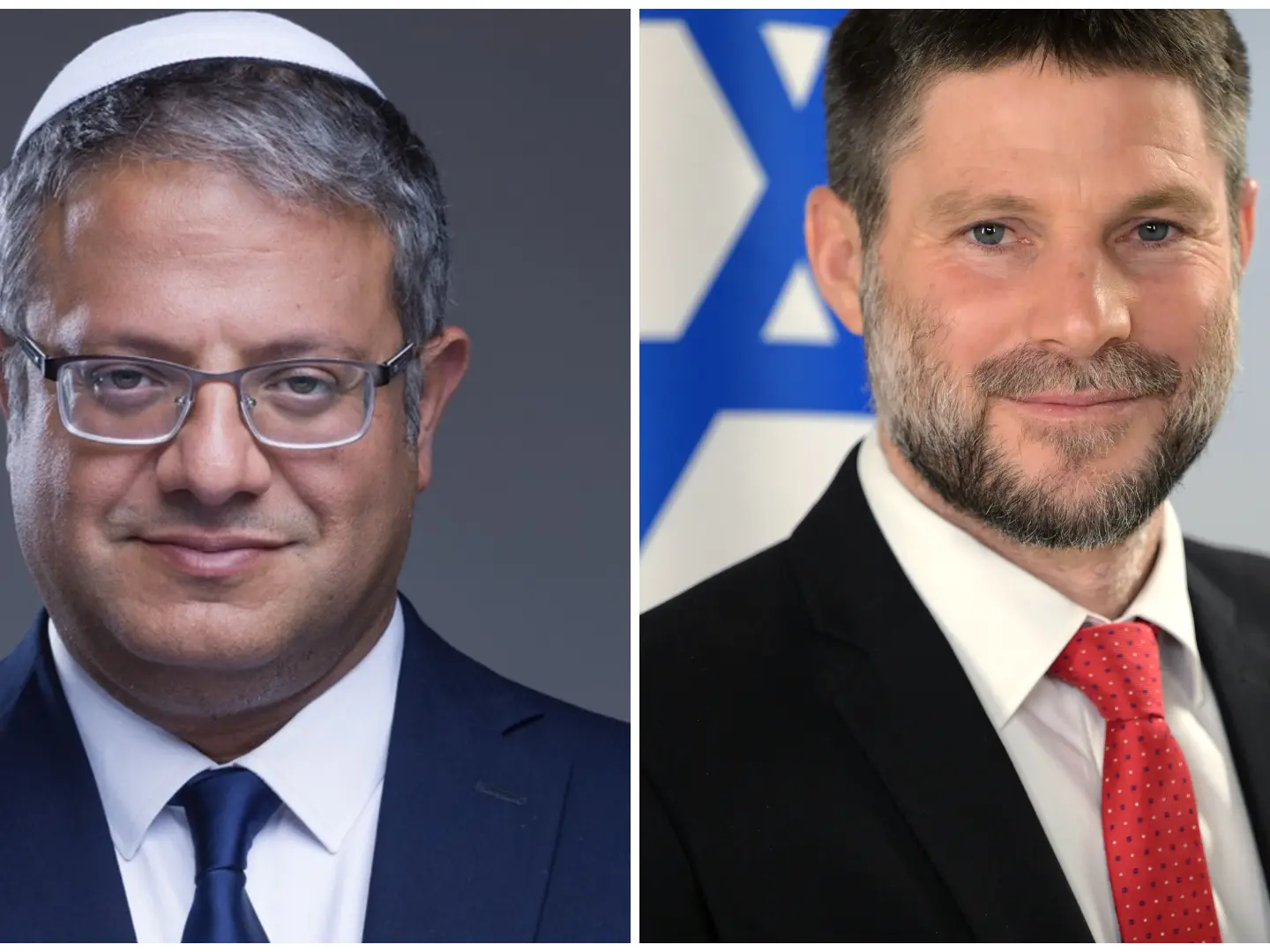
Itamar Ben-Gvir (left) and Bezalel Smotrich Photograph: (Others)
This is a rare and high-profile use of diplomatic rebuke against sitting Israeli ministers, adding to the rising international scrutiny of Israel’s far-right leaders. Who are these ministers? And what does a persona non-grata mean?
The Netherlands on Tuesday (July 29) declared Israeli National Security Minister Itamar Ben-Gvir and Finance Minister Bezalel Smotrich persona non grata. They have been banned from entering the country, the Netherlands Foreign Minister Caspar Veldkamp said. The two ministers were allegedly inciting settler violence, supporting illegal settlements, and advocating ethnic cleansing of Palestinians in Gaza amid Israel's ongoing war with Hamas militants. This is a rare and high-profile use of diplomatic rebuke against sitting Israeli ministers, adding to the rising international scrutiny of Israel’s far-right leaders. Who are these ministers? And what does a persona non-grata mean? Which other countries have made similar restrictions on the Israeli ministers? Here is what you should know:
Who are the Isareli ministers declared Persona Non Grata by the Netherlands?
Itamar Ben-Gvir, Israeli national security minister
Ben-Gvir is the firebrand leader of Otzma Yehudit or Jewish Power, a far-right party.
He is a controversial figure and West Bank settler with a history of provocative behaviour and toxic rhetoric. He was previously convicted in Israel for incitement and ties to a banned extremist group. He is accused of inciting settler violence, supporting ethnic cleansing, and obstructing humanitarian aid to Gaza.
Bezalel Smotrich, Israeli finance ninister
Trending Stories
)
)
)
)
)
)
)
)
)
)
)
)
)
)
)
&im=FitAndFill=(700,400))
)
)
)
)
)
)
)
)
)
&im=FitAndFill=(700,400))
)
)
)
)
)
)
)
)
)
)
)
Smotrich, who is also responsible for West Bank settlement administration, is the leader of Religious Zionism, a far-right nationalist party.
He is an advocate of annexing Palestinian territories and denies Palestinian national identity or statehood. He has been a supporter of the expansion of illegal settlements and has made statements seen as advocating the ethnic displacement of Palestinians.
Israeli ministers face action: What does ‘persona non grata’ mean?
Persona Non Grata is a diplomatic designation, meaning a foreign official is no longer welcome in a country. Under Article 9 of the Vienna Convention, a state may impose this status without giving a reason. In the case of the Netherlands, Ben-Gvir and Smotrich have been banned from entry due to their alleged role in inciting violence and promoting extremist policies. The move is symbolic yet serious, signaling strong diplomatic disapproval of the ministers.
The Dutch Foreign Minister Caspar Veldkamp cited incitement of settler violence, support for illegal settlements, and endorsement of ethnic cleansing in Gaza for action on the ministers. The decision reflects concern about the ministers’ impact on human rights and regional stability in West Asia.
Israeli ministers are no strangers to the West's rebukes: What other countries did in recent months
Earlier this month, Slovenia became the first European Union member nation to take similar action against, imposing sanctions against the two ministers.
In June, the UK, Canada, Australia, New Zealand and Norway imposed sanctions targeting the ministers, but stopped short of declaring them persona non grata.
What does the diplomatic action against Israeli ministers mean?
The ministers will face diplomatic isolation, with the designation damaging the international standing of Ben-Gvir and Smotrich. These actions also mark an evolving policy shift toward accountability for Israeli officials who promote far-right policies and advocate violence.
The move by Netherlands adds to the growing international pressure among Western nations seeking to curb extremist elements within the Israeli government led by Prime Minister Benjamin Netanyahu.
Israel has been denying wrongdoing, describing international criticism as biased and politically motivated amid its ongoing conflict with Hamas.