&imwidth=800&imheight=600&format=webp&quality=medium "IT'S ALL GAS: Why Trump schools Europe on Russian oil only, but is silent on gas sales to Europe that quietly funds Russia")
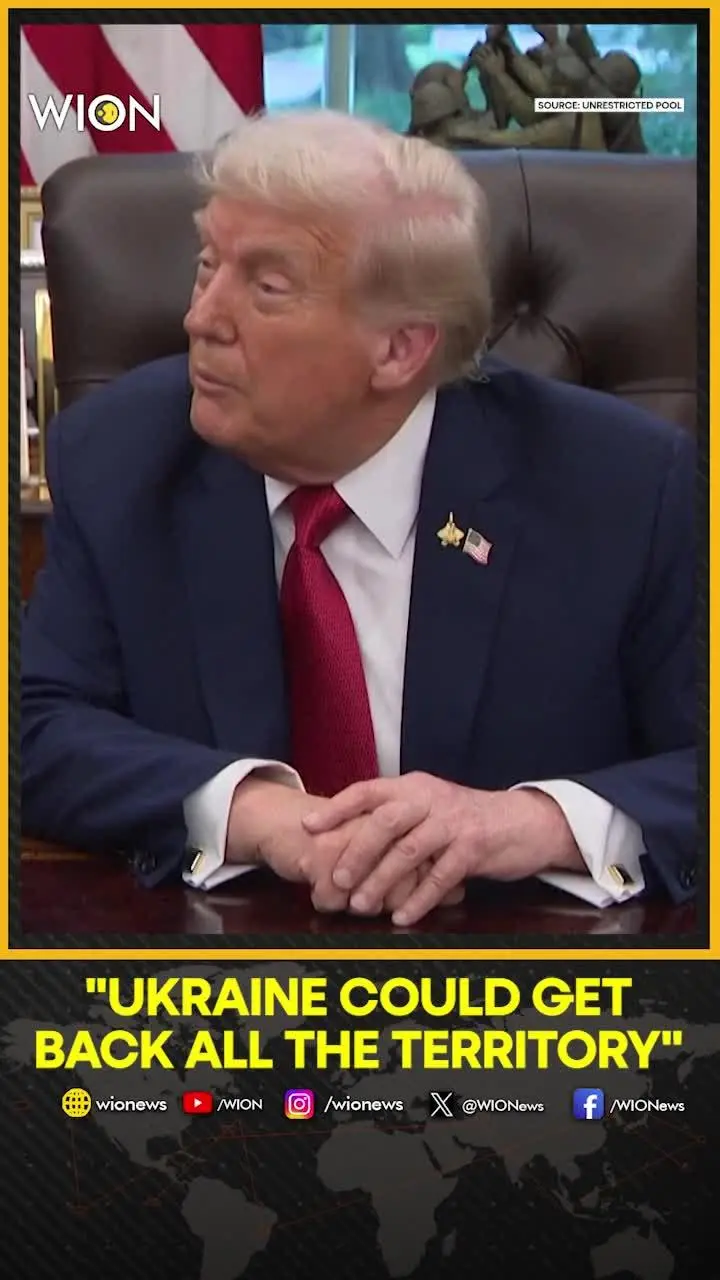
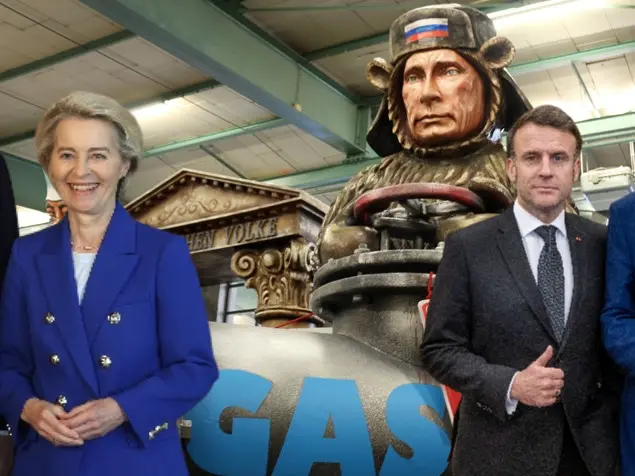
It has almost become daily drama for Donald Trump to school Europe on the purchase of Russian oil, but he never talks about Russian gas. Why? Russian gas continues to flow into several European nations, and stopping the supply would mean winter woes for its citizens, who could revolt. In spite of the US president rapping China and India over Russian oil purchases and asking Europe to put sanctions on the same, he won't talk about gas purchases. Let us expose this hogwash.
Why Europe still buys Russian gas in spite of the Ukraine war
Since Russia invaded Ukraine in February 2022, the West has imposed sweeping sanctions on Russian fossil fuel imports, with the European Union (EU), G7, and UK blacklisting Russian crude oil. Refined products like diesel and jet fuel are also targeted with price caps and import bans. The UK and US no longer import Russian oil or gas. But one major energy stream remains flowing nearly uninterrupted to Europe: Russian gas.

As of 2024, Europe was still importing over 50 billion cubic metres of Russian gas per year. This means Russia remains one of the continent’s top suppliers. That may be the reason why Trump only ever mentions oil, but not gas.
Russia’s grip on Europe’s gas supply remains unbroken
Trending Stories
)
Salman Khan breaks silence on health concerns after viral Mumbai appearance
)
Older than Himalayas: 85mn-year-old Kewra plant reached India 24mn years ago, fossil discovery in Assam shows
)
FACT CHECK: Was Abhijit Dipke detained during CJP's Parliament march? Here's what police say
)
Karoline Leavitt to be US Vice President when Usha Vance gives birth? JD Vance says...
&im=FitAndFill=(700,400))
Why the S-400 uses solid rocket fuel instead of liquid fuel
)
'Chalo Sansad' march today: Section 163 in force, Delhi Police remove barricades; unfazed Dharmendra Pradhan meets NEET topper
)
Student union leaders call off hunger strike at Jantar Mantar after civil society appeal, but protest continues
&im=FitAndFill=(700,400))
FIFA World Cup 2026 awards race: Who are Golden Boot, Golden Ball and Golden Glove contenders ahead of the final
&im=FitAndFill=(700,400))
FIFA World Cup 2026: 5 football stars who went viral on social media during the tournament
)
Xi Jinping's new AI bloc: China launches 'World AI Body' with Pakistan and Russia in, India out
)
'There is no need for...': PM Modi takes a veiled dig at Rahul Gandhi, sends big message amid Parliament March
)
'Could be bombed at any moment': What Iran's Araghchi told Trump envoy Witkoff during negotiations
&im=FitAndFill=(700,400))
Why the F-22’s tail fins are canted to minimize its radar footprint
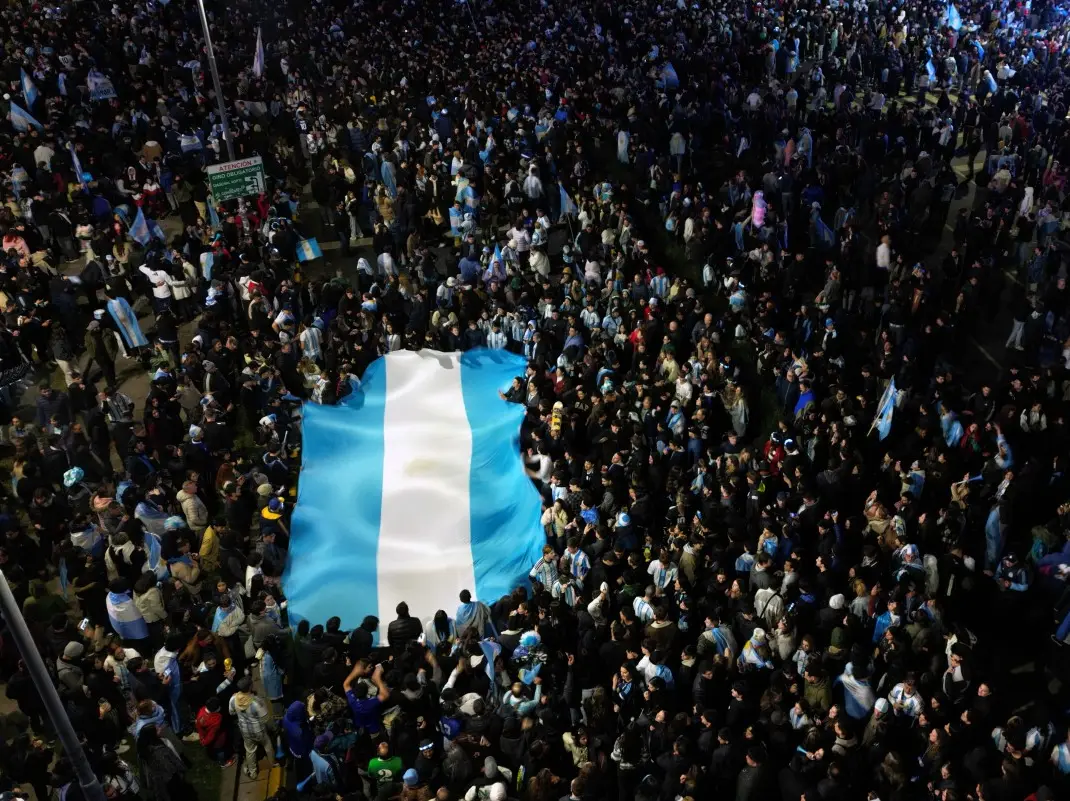)
Argentina's racism problem: How football chants reflect a deeper historical legacy
)
JD and Usha Vance welcome fourth child: Who serves as acting US vice president during Vance's paternity leave?
&im=FitAndFill=(700,400))
New OTT releases this week (July 20-26, 2026): Musafir Cafe, Adarsh Baal Vidyalaya, 72 Hours- 5 new titles coming on Netflix, Prime Video and more
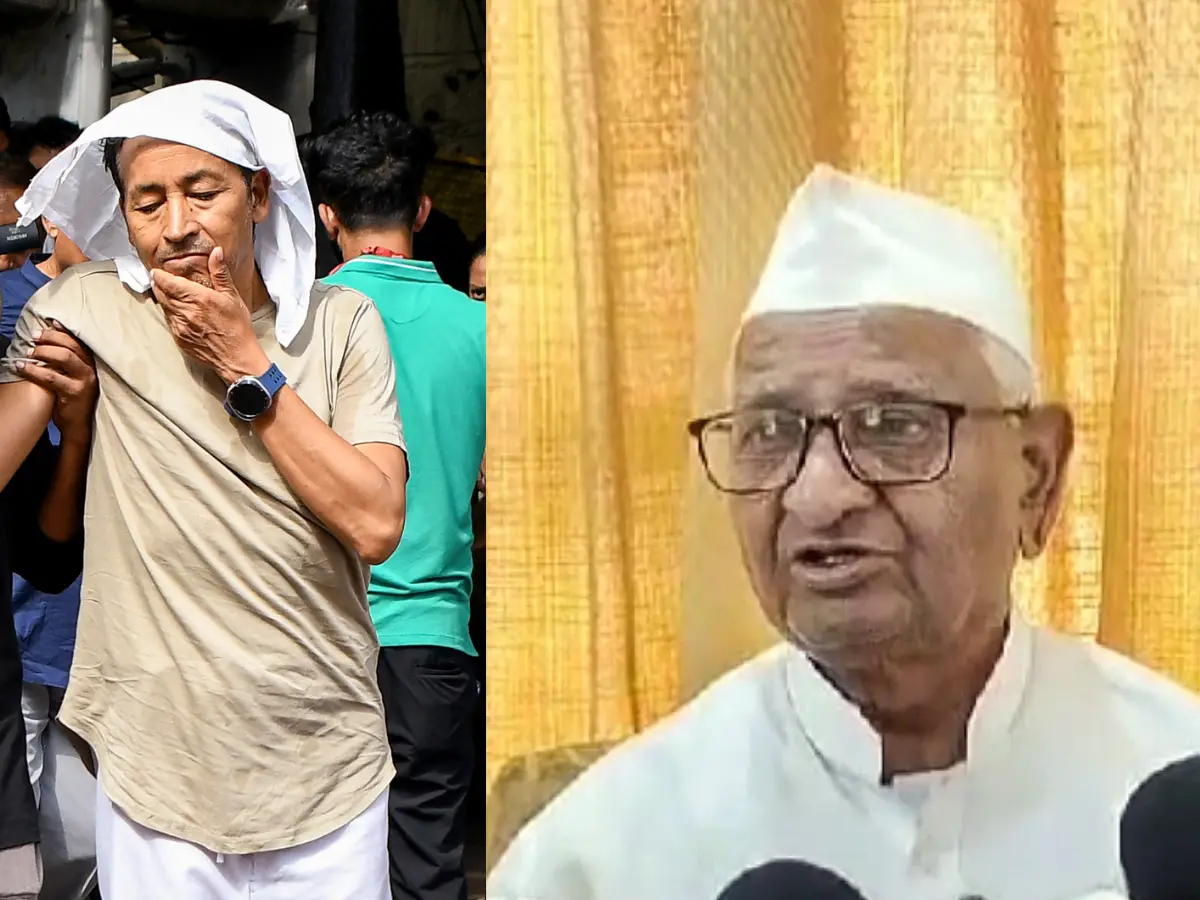)
'What is wrong...': Anna Hazare breaks silence on Sonam Wangchuk's protest, makes an appeal to Centre
)
Truck loaded with stones, metro stations closed: What's happening at Jantar Mantar now
&im=FitAndFill=(700,400))
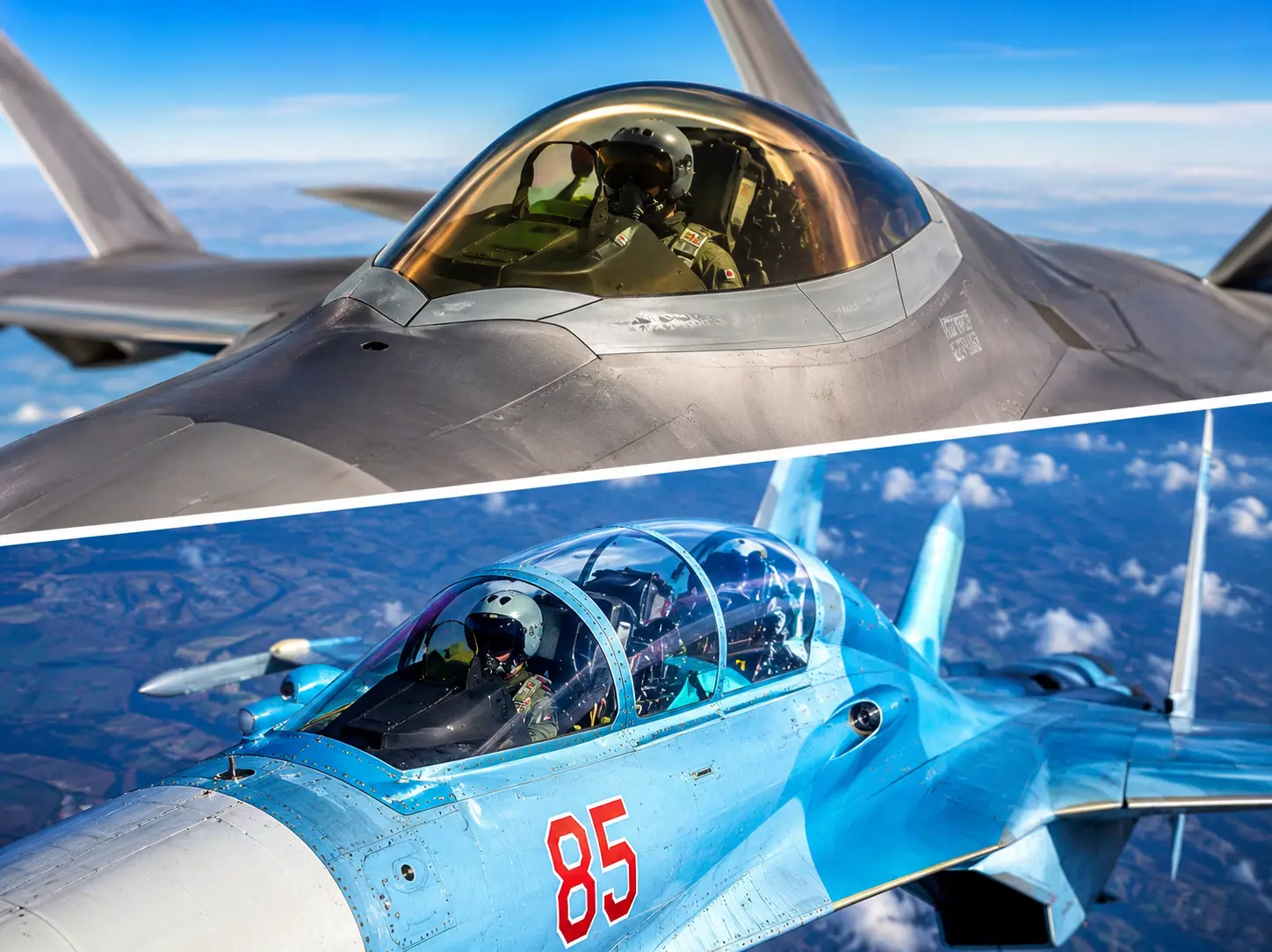
Why US fighter jets use seamless bubble canopies compared to Russian jets
&im=FitAndFill=(700,400))
Global air power ranking 2026: India surpasses China
&im=FitAndFill=(700,400))
Why the F-22’s cockpit glass is thicker than a standard fighter jet
&im=FitAndFill=(700,400))
2026 FIFA World Cup awards: Full list of Golden Boot, Golden Ball, Golden Glove and every major winner
)
Imran Khan's sister links India-Pakistan 2025 conflict to Israel recognition plans
)
'George Soros playbook': Understanding the foreign funding network around Sonam Wangchuk
)
Heavy sanctions loom over Argentine players after ugly brawl following final whistle in World Cup final
)
Maha CM Wife Amruta Fadnavis' Yoga Day appearance sparks social media debate over attire | Watch
)
Tulsi Gabbard's brother Batarti accused of luring children to hotel room in Hawaii
)
US strikes Iran, sirens heard in Kuwait, one American soldier killed in Iraq: What's happening in West Asia
)
Sonam Wangchuk's connection with George Soros and Ford Foundation explained!
Before the war, in 2021, Russia supplied nearly 155 billion cubic metres (bcm) of gas to the EU, which was nearly 45 per cent of the bloc’s total gas imports. After the war, most EU member countries diversified their energy sources: expanding to Norway, the US, Algeria, and Qatar. Pipeline routes like Nord Stream (which was sabotaged) and Yamal-Europe are shut. The Ukraine transit corridor (which used to facilitate the supply of Russian gas to Europe) ended operations in January this year.
Also read: 'We don’t want to punish India': US tells India to buy oil from 'anywhere, just not Russia'
Despite all this, Russia still exported roughly 52 bcm of natural gas to Europe in 2024: around 31.6 bcm via pipelines and another 20 bcm as liquefied natural gas (LNG). The main gas pipeline is the TurkStream, operated via Turkey, and the LNG is shipped to terminals in France, Spain, Belgium, and the Netherlands. For context, Belgium hosts the EU headquarters, and France is at the forefront of opposing Russia and defending Ukraine rhetorically.
Russian gas still made up nearly 19 per cent of total EU gas imports in 2024, at the peak of anti-Russia rhetoric from Europe. Russia was only the second-largest supplier of gas to Europe, after Norway. In fact, EU imports of Russian LNG actually increased in 2024, up 14 per cent year-on-year, according to the Centre for Research on Energy and Clean Air (CREA) and European Commission data.
Are you getting the drift?
Russian LNG: The loophole that Europe won’t close, because it can't
Not just the war, but the sabotage of the Nord Stream pipeline and the expiration of transit contracts are the aspects that changed how Europe bought its energy. Interesting to note here that the Nord Stream pipeline investigation also appears practically sabotaged, with some reports pointing to Ukraine's involvement.
Liquefied Natural Gas, which is shipped by sea and not tied to fixed pipelines, has streamed into Europe from Russia unabated.
European countries continue to take delivery of Russian LNG at their top ports. France, in fact, received the largest share in 2024, while Spain and Belgium also maintained steady import volumes. The EU imported a total of around 17.5 million tonnes, or around 20 bcm, of Russian LNG in 2024.
Current EU sanctions have not made these LNG trades illegal. Russian gas imports are enabled by Western shipping and insurance firms. And, even though Britain stopped direct energy imports from Russia entirely, UK-based insurers and EU-flagged vessels remain heavily involved in facilitating Russian LNG shipments.
Europe tried diversification, yet Russian gas still flows into it
Since the Ukraine invasion, Europe has scrambled to diversify its supply of gas. As of 2024, Norway sold more than 91 bcm to the EU, which is roughly 33 per cent of total imports. American LNG made up about 48 per cent of the EU’s total LNG purchases. Algeria, Qatar, and Azerbaijan have also increased their exports to the EU.
But Europe is yet to be fully free of Russian gas imports. Central and Eastern European countries — mainly Austria, Hungary, and Slovakia — continue to receive pipeline gas via TurkStream, with these three nations alone accounting for the majority of Russian pipeline gas delivered to the EU in early 2025.
Germany, Poland, France, and the Baltic states have eliminated direct pipeline imports from Russia, but Germany and France still receive Russian LNG through terminals. In some cases, that LNG is later re-exported within the EU internal market. This is a kind of round-tripping, in which Russian gas molecules are still traded broadly across the European continent.
Why Trump doesn’t talk about Russian gas while blowing his horn on Russian oil
Trump has slammed European countries, especially Germany, for relying on Russian energy, often citing German dependence on Nord Stream, and blaming EU nations for "funding" the war in Ukraine through fossil fuel payments. But ever wondered why these attacks almost always focus on oil, but not on gas?
In fact, Russian oil has already been largely cut off by Europe, but not Russian gas. If Trump talked about gas, it would expose the uncomfortable truth: that Europe still sends billions of euros to Russia each year for energy.
Why hasn't Europe sanctioned Russian gas?
Clear answer: It's tough to replace gas supplies overnight. Gas remains a vital source of energy security for several EU countries. Gas is a politically sensitive issue. Russian gas is widely used for domestic heating, industrial manufacturing, electricity generation, and even fuelling buses and commercial vehicles in some regions. Western leaders, including Trump, are reluctant to confront its use head-on.
Russia-Ukraine war is still funded through the gas pump
Despite all the choreographed political drama by Trump and European leaders, the facts are clear: the EU still buys tens of billions of euros worth of gas from Russia every year. In 2024 alone, Russian pipeline gas generated around €11 billion to €13 billion in export revenue, while LNG added another €9 billion to €10 billion.
European energy policy would be vulnerable if it stops gas imports from Russia. This explains the selective silence around gas. As long as Russian gas continues to power European homes and factories, the West’s economic war on Putin remains only a paper tiger.
Hope you understood the hypocrisy.