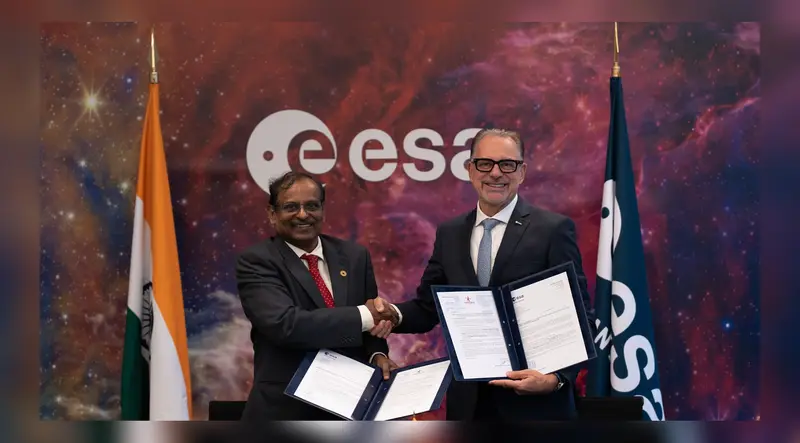
Reaffirming Europe's and India's commitment to expanding cooperation in space, the European Space Agency (ESA) and the Indian Space Research Organisation (ISRO) signed an exchange of letters extending their long-standing Cooperative Agreement for five more years, until January 2032. The exchange between ISRO Chief Dr V Narayanan and ESA Director General Josef Aschbacher took place in Paris on the margins of the International Space Summit earlier this month.
The renewed agreement reflects the evolving priorities of both sides in the space sector: space weather, human and robotic exploration of space, while also recognising the growing importance of sustainable outer space activities. Last year, the two sides also expressed their intention to deepen cooperation through a Joint Statement of Intent on human exploration. This comes as India is working on sending its astronauts to space and returning them safely on homegrown rocket and spacecraft technology as part of the Gaganyaan human spaceflight programme.

"The partnership between ISRO and ESA has delivered tangible benefits for India and Europe and has demonstrated the value of international cooperation in advancing space activities. The renewal of this agreement reflects the shared ambition of ISRO and ESA to pursue innovation and scientific progress for the benefit of our societies," said ISRO Chief Dr. V. Narayanan, who also serves as Secretary, Department of Space, Government of India.
The Cooperative Agreement, which entered into force in January 2002, provides the framework for cooperation between ESA and ISRO across a broad range of space activities. Over the years, ESA and ISRO have worked together on a range of programmes and initiatives spanning Earth observation, satellite navigation, space science and mission operations support.
"As space activities expand beyond Earth orbit and new opportunities emerge in exploration, sustainability and advanced technologies, international cooperation remains essential. ESA and ISRO have built a trusted partnership spanning more than two decades, and this renewed agreement positions us to pursue even greater ambitions together while delivering tangible benefits for our citizens and economies. We look forward to continuing this successful collaboration in the years ahead,” stated ESA Director General Josef Aschbacher.
Trending Stories
)
AI kill switch explained: Why shutting down a dangerous AI may not be as simple as pressing a button
)
Putin's United Russia party wins 355 seats in Duma election; 4 other parties cross threshold to enter parliament
)
US ships in Indian Ocean ‘will be attacked’ if war resumes, warns Iran
)
Delhi Air pollution: Strict crackdown on waste burning
)
SNL UK takes aim at Ed Sheeran with AI Princess Diana sketch
)
‘0% chance’: Nvidia CEO Jensen Huang dismisses AI extinction fears by 2030
&im=FitAndFill=(700,400))
What TSMC's 2nm technology means for Apple
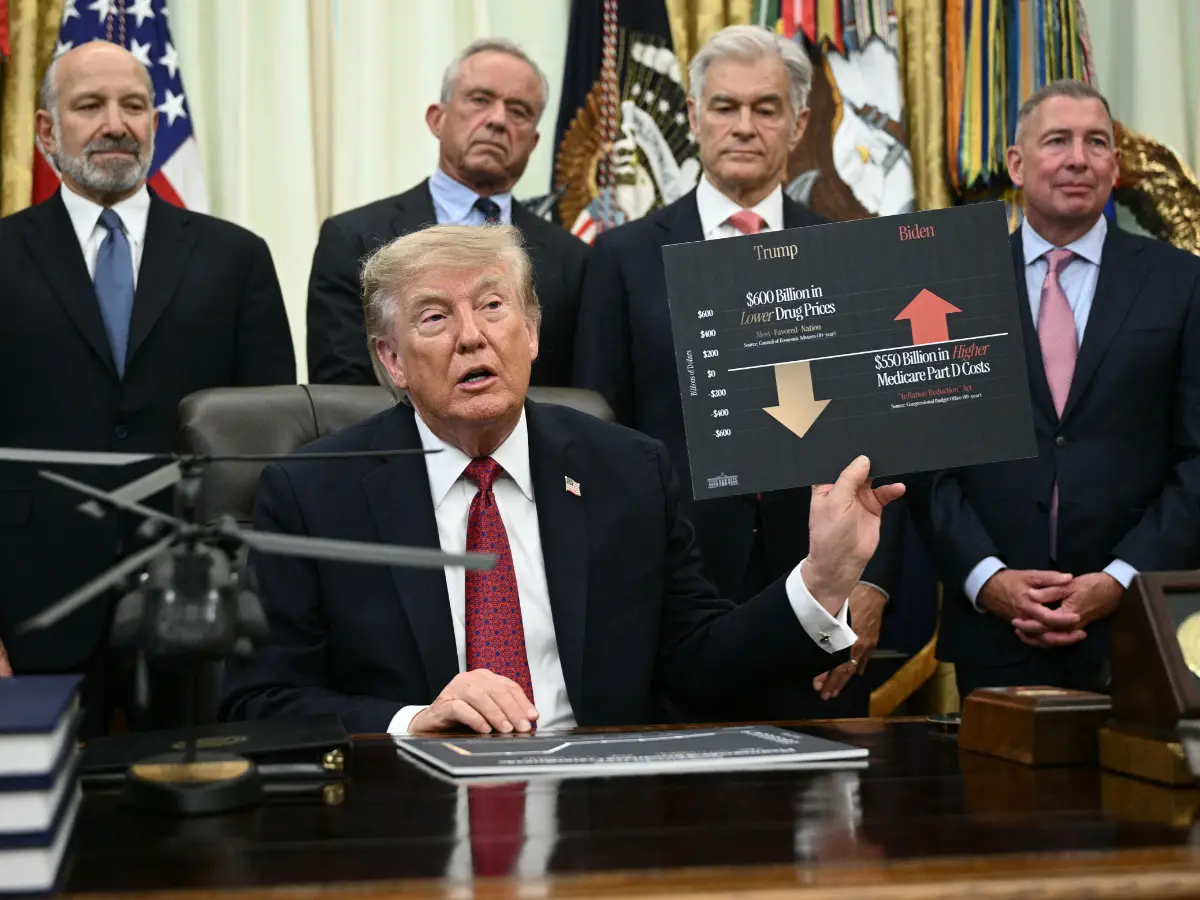)
Trump says he'll build an 'AI Force' and appoint a czar, for 'high IQ' people only
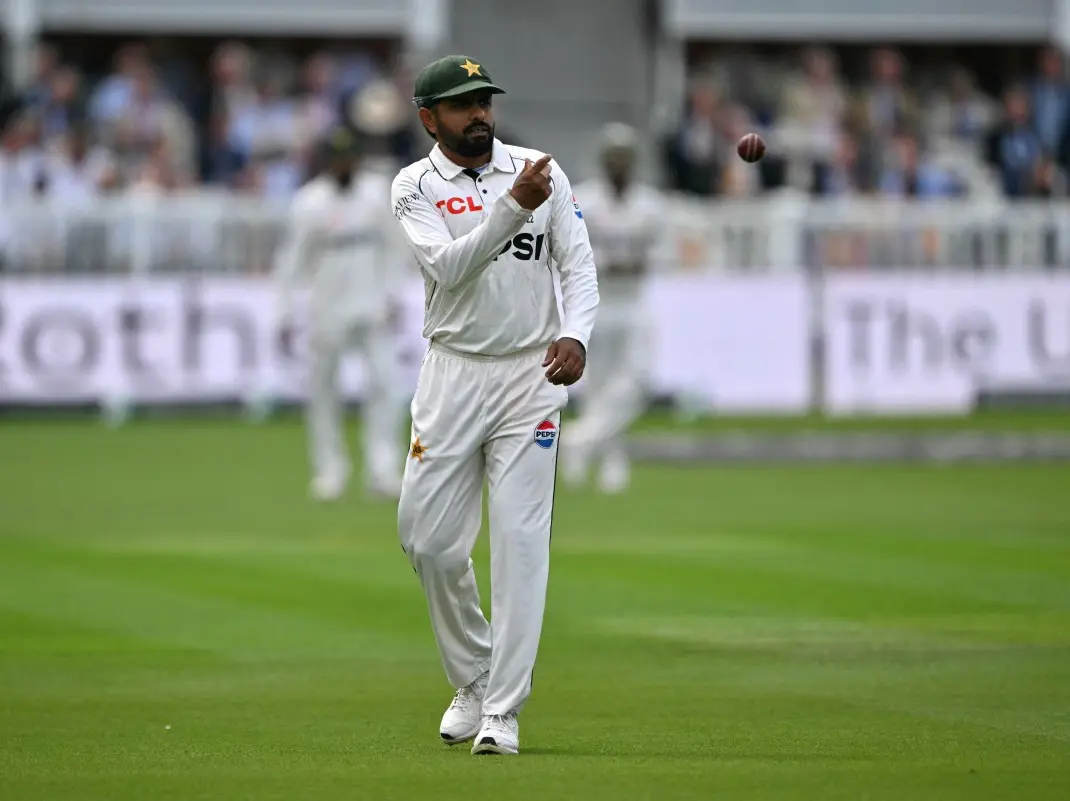)
'Were you here to sell chickpeas?': Wasim Akram criticises Babar Azam's captaincy
)
TIFF 2026: Theja Rio’s Angh wins Platform Prize, puts Nagaland story on global stage
)
BTS' fans question iHeartRadio’s treatment of group after brief festival set
)
Glitch in the matrix caught on camera: Woman vanishes after talking to reporter
)
Samsung raises Galaxy S26 prices by Rs 20,000: Here’s what each model now costs
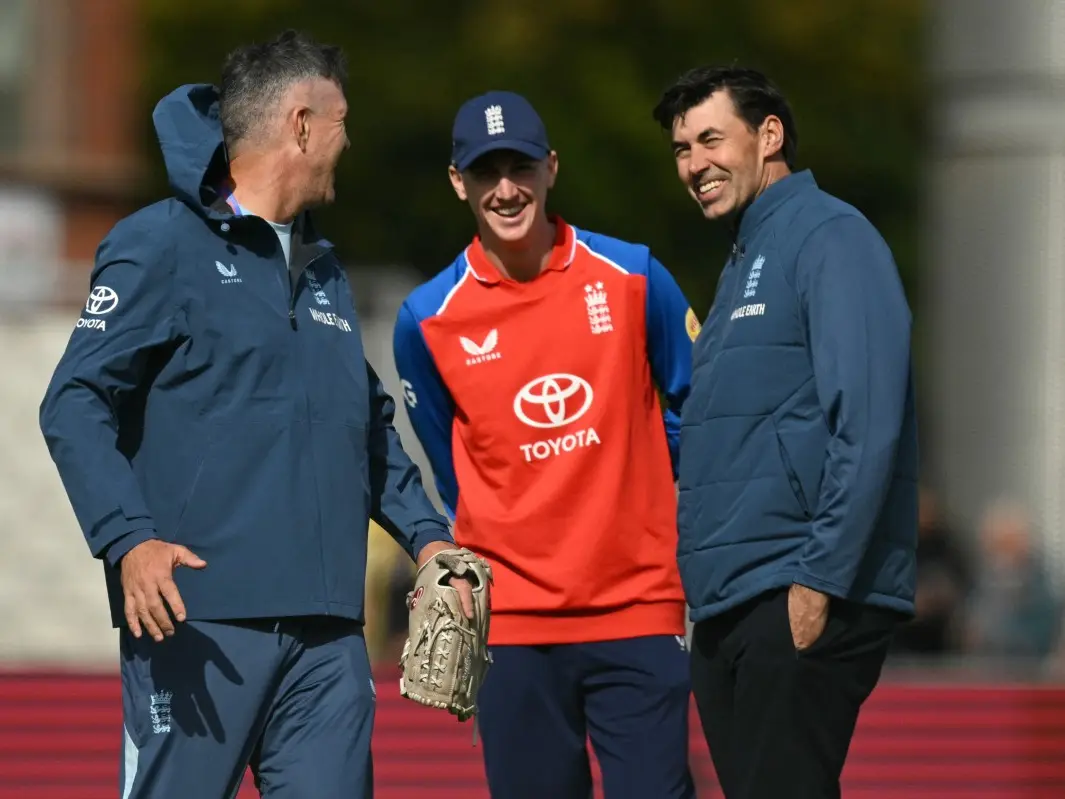)
Fleming's aspirations as England Test coach include WTC, top ranking and Ashes
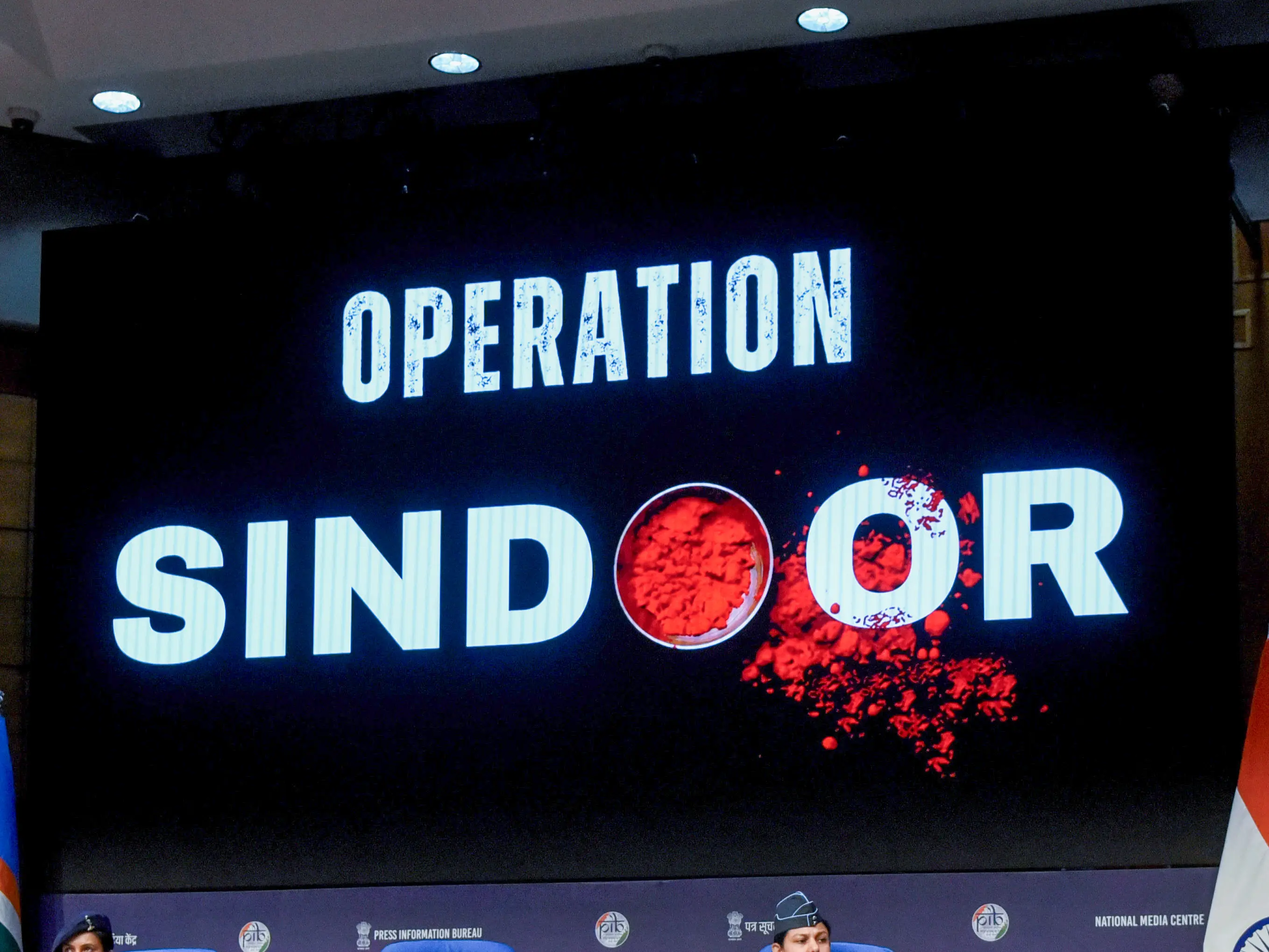)
Operation Sindoor’s hidden naval dimension | MoD reveals Indian Navy Special Forces joined May 7 strikes
)
J&K Assembly Session begins amid chaos: BJP, ruling alliance clash as statehood demand dominates
)
Trump-Xi summit: US Treasury Secretary holds meeting with Chinese Vice Premier
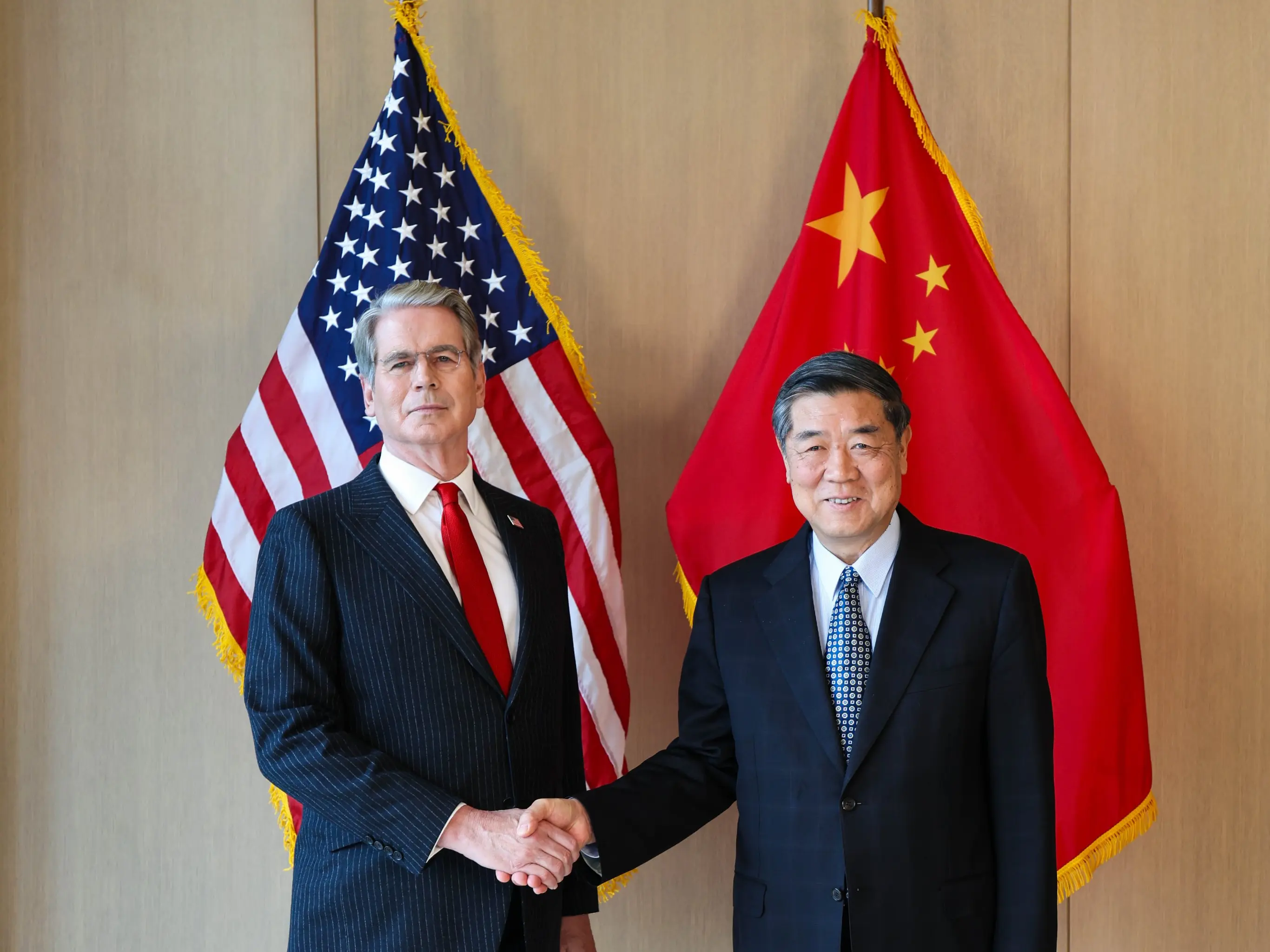)
Bessent meets China’s He Lifeng to prepare for Trump-Xi summit
)
S Jaishankar, former Army chief among high-profile names issued Delhi SIR notices
)
CDU suffers historic defeat in eastern Germany as AfD surges, Merz vows to stay on
)
Iran sets 7 conditions to end war with US: What are Tehran’s demands?
)
Arvind Kejriwal, family members, Delhi CM Rekha Gupta get SIR notices
)
AI actress Tilly Norwood glitches mid-interview, switches from English to Chinese | Watch
)
Saudi vs Houthis: Houthis claim missiles & drones used in attack on key Saudi sites
)
Punjab man consumes poison outside DC office; Congress, BJP target AAP government
)
Saudi Arabia exits China-led mBridge digital currency platform amid Saudi-Houthi conflict
)
ICE shooting in Texas leaves man seriously injured; officials demand independent investigation and transparency
)
'Lot of things to learn from experienced players': Jayasuriya backs Rohit, Virat for 2027 ODI World Cup
)
Chancellor Friedrich Merz vows to stay on as exit polls signal major poll setback
)
Taylor Swift has a 'proud wife' moment as Travis Kelce scores first touchdown of season: 'That’s my husband!'
)
Several petrol pumps, other businesses to refuse UPI payments above Rs 2,000 from Oct 16: Is it legal?
)
Mahabharat actor Saurav Gurjar arrested in Hyderabad, sent to 14-day judicial custody in sexual exploitation case
&im=FitAndFill=(700,400))
New OTT releases this week (September 21-27, 2026): Shaque: Trust No One, Hunkkaar, Don’t Be Shy- 5 new titles coming to Netflix, Prime Video and more
&im=FitAndFill=(700,400))
Gulshan Grover turns 70: Ram Lakhan, Gangster, Hera Pheri- Must-watch movies of the actor on OTT platforms
)
Noel Tata challenges Chandrasekaran’s reappointment as Tata Sons chairman. What happened at the board meeting
&im=FitAndFill=(700,400))
Kareena Kapoor birthday special: Inside her net worth, best movies, luxurious lifestyle and love story with Saif Ali Khan
)
Pilot recreates Mona Lisa in sky over Oklahoma and Arkansas in four-hour flight: VIDEO
)
Delhi: Flagged voters remain on the draft roll but face hearings
)
China now makes advanced memory chips without the machines it was banned from buying
)
Jailer 2: Vidya Balan joins Rajinikanth's upcoming film as Kantha | Watch
)
Microsoft executive called AI training the ‘largest theft of labour in human history’
)
Italy moves to ban face veils in schools as Meloni pushes new integration measures
This extension of collaborative efforts reaffirms the commitment of both agencies to continue building on their established partnership and to explore new opportunities for cooperation in support of scientific discovery, technological innovation and the sustainable use of space.
When Indian Astronaut Group Captain Shubhanshu Shukla trained at ESA facilities
In late-2024, Indian astronaut candidate Group Captain Shubhanshu Shukla and his fellow Axiom-4 mission crewmates had trained at ESA’s European Astronaut Centre (EAC) in Cologne, Germany, in preparation for their 2025 spaceflight mission to the International Space Station. EAC is the main training hub for all European-built Space Station hardware and serves as a centre of excellence for astronaut selection, training, medical support, and surveillance, while also providing essential preparation for astronauts and their families throughout their missions.
At EAC, the crew had familiarised themselves with ESA systems, including the Columbus module, Europe’s science laboratory on the Space Station. The Columbus laboratory is ESA’s largest contribution to the International Space Station and the first permanent European research facility in space. This lab, spanning 75 cubic metre, is fully equipped with research tools and autonomous facilities that support diverse scientific experiments in biology, physiology, fluid science, and more.
Group Captain Shukla and his Axiom-4 crewmates undertook a commercial space mission from American soil, lasting nearly three weeks across June-July 2025. Shukla was the second Indian to travel to space, and his mission on the American Axiom-4 flight was meant to serve as a precursor and a hands-on spaceflight training ahead of India's own Gaganyaan crewed missions and related in-space experiments.