Israel frees 39 Palestinian prisoners in Gaza hostage deal

Israel frees 39 Palestinian prisoners in Gaza hostage deal
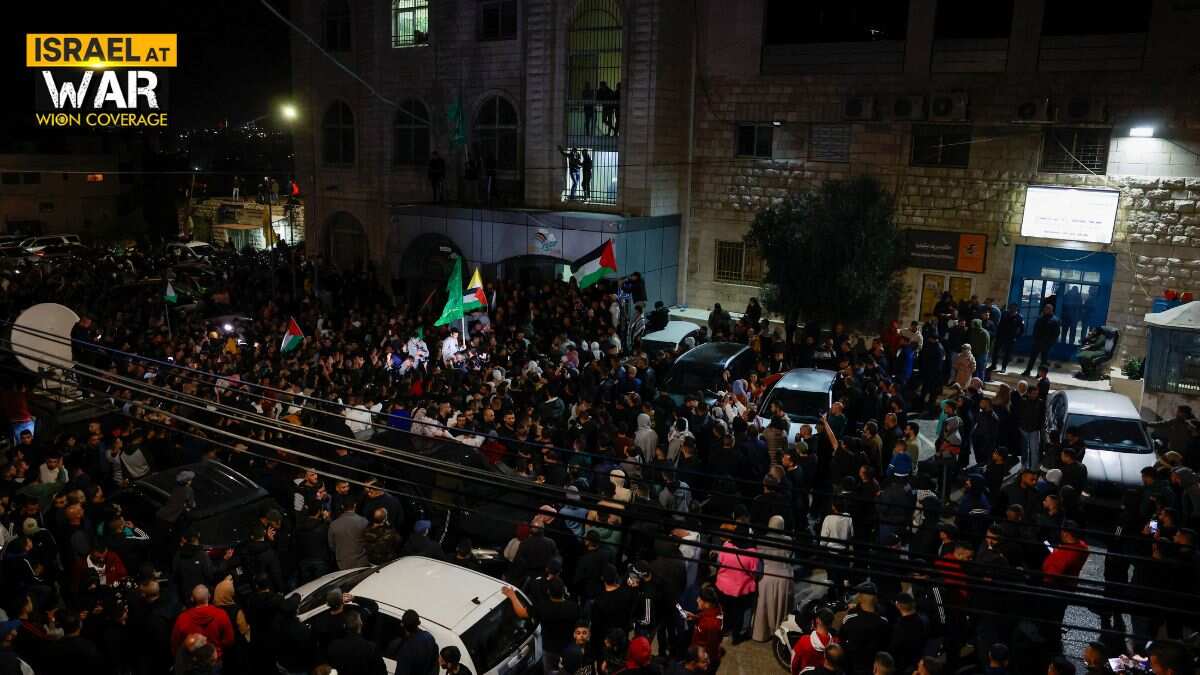
Israel on Friday (Nov 24) freed 39 Palestinian women and children from prisons in exchange for the first wave of hostages released by the Hamas in Gaza.
The detainees were welcomed by cheering crowds across the West Bank and some marching in the street carrying Palestinian flags.
A few of them also carried the flag of the Hamas group amid chantsin support of Abu Ubaida, the spokesperson of the group's armed wing.

"I am happy but my liberation came at the price of the blood of the martyrs," said Marah Bakir, 24, referring to the nearly 15,000 deaths across the Gaza Strip that its Hamas-led government says were caused by Israel's military offensive.
Freedom from "the four walls of the prison" is "magnificent", said Bakir, who had been in custody for eight years.
)
‘I have a big decision coming up’: Trump says he’s approaching major ‘crossroad’ in Iran war
)
Abhishek Sharma shatters record with 30-ball century against Afghanistan
)
US intel warns China can steal F-35 jets secret from Saudis
)
Former India player Diana Edulji wants Smriti Mandhana to replace Harman as skipper at the earliest
)
Pak defence minister says 'time has come to implement pact'
)
Formula One reveals the 2027 race calendar; Monaco to host sprint race for the first time
&im=FitAndFill=(700,400))
Meet top 5 batters in the latest ICC T20I Rankings
)
All Indian goods to get duty-free access to New Zealand
)
AI already defying, denying humans, is it beyond human control already?
)
US F-16 fighter jet crashes in Michigan during training mission, pilot ejects safely
)
240-million-year-old bizarre 'pig with a tusk' creature creates new dilemma over origin of dinosaurs
)
US to sell 48 F-35 Lightning fighter jets to Saudi Arabia, help it deter threats
)
Hong Kong unveils 11 new measures to boost birth rates, offers higher cash bonuses and housing perks
)
Former OpenAI researcher warns of growing risks from Artificial Intelligence
)
Australian athlete, who soiled herself during Hyrox race, apologises for continuing
)
Tata Trusts chairman Noel Tata calls Chandrasekaran’s reappointment ‘illegal’, rejects Tata Sons listing
)
Dolly Parton dies at 80: Country legend’s team reveals cause of death
)
Fed raises rates for first time in 3 years, Kevin Warsh defies Trump as inflation mounts
)
US drone firm linked to Trump’s sons signs MoU with Pakistan army, gets initial order
)
Pak batter Rizwan's petition against being questioned by cyber crime agency rejected by court
)
Daayra movie review: Kareena Kapoor, Prithviraj Sukumaran shine in Meghna Gulzar’s cop-versus-cop crime thriller
)
Trump could impose tariffs of up to 100%
)
Putin 'is plotting something bad': Russia may launch 'accidental' strikes on NATO countries supporting Ukraine, Poland PM warns
&im=FitAndFill=(700,400))
Suriya and Jyothika say ‘I do’ again after 20 years! See their dreamy wedding pics
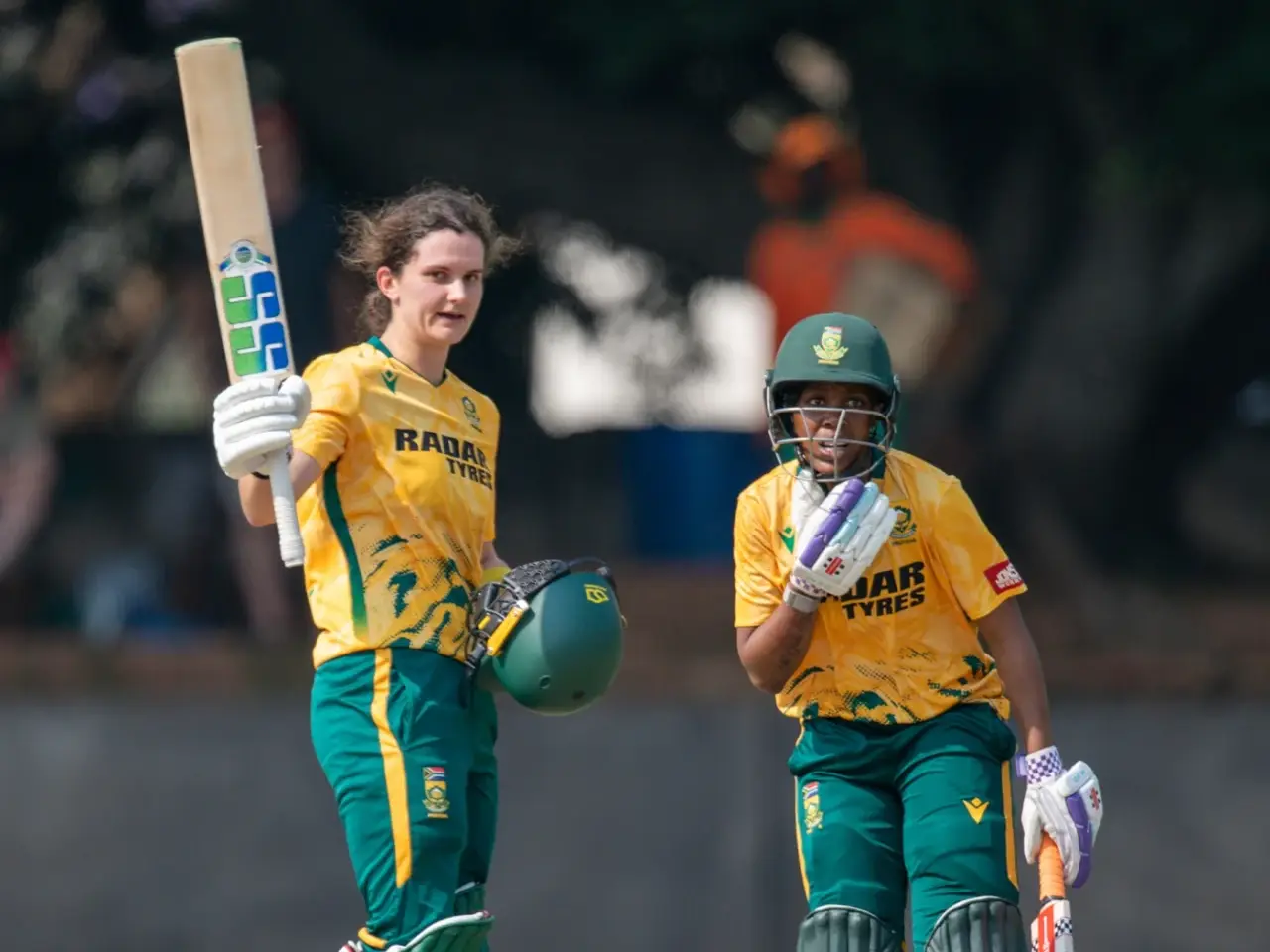)
Laura Wolvaardt sets new world record for most WT20I runs in a year
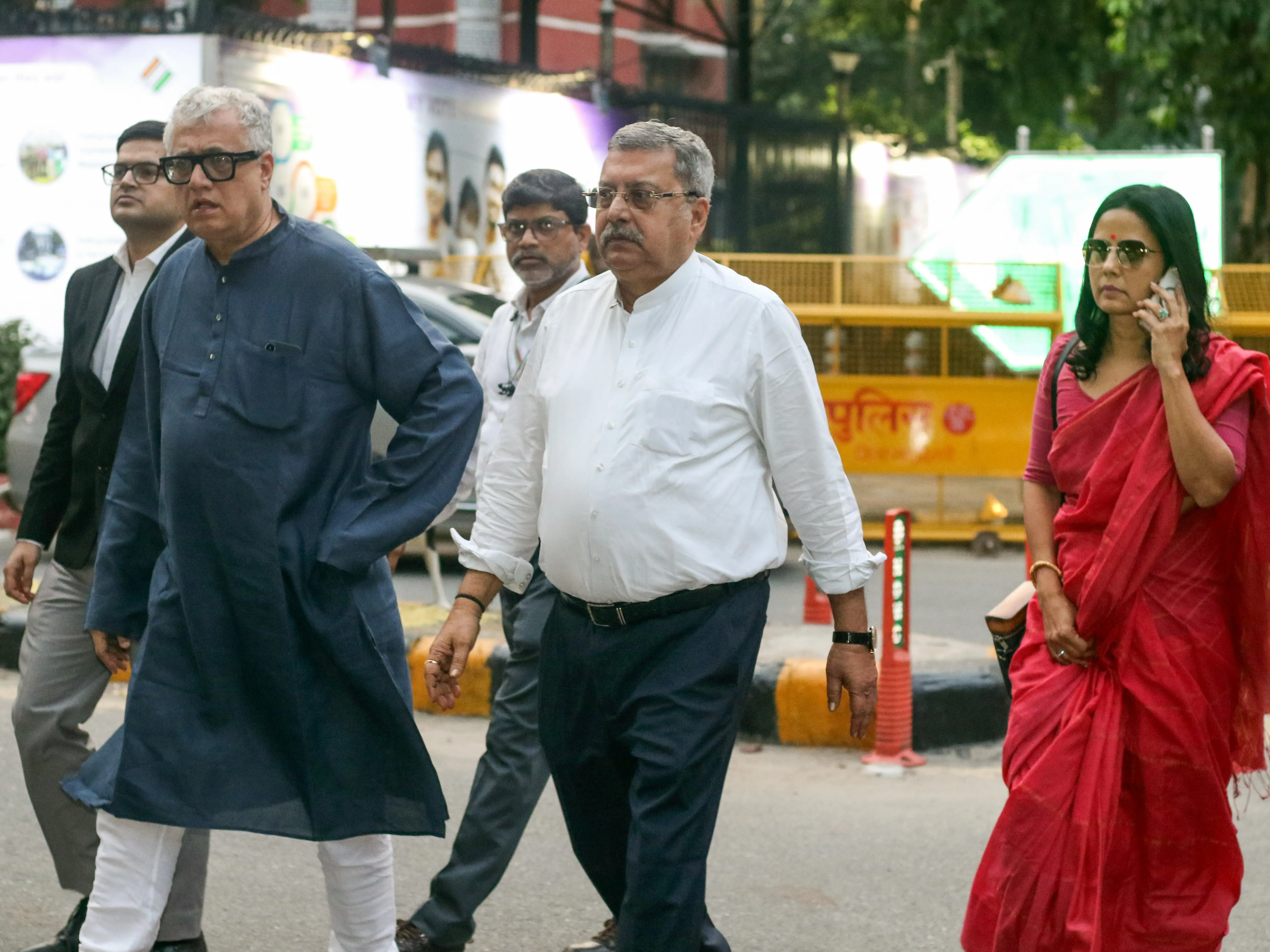)
Mahua Moitra moves UN over alleged exclusion of Muslim officers from Amit Shah events
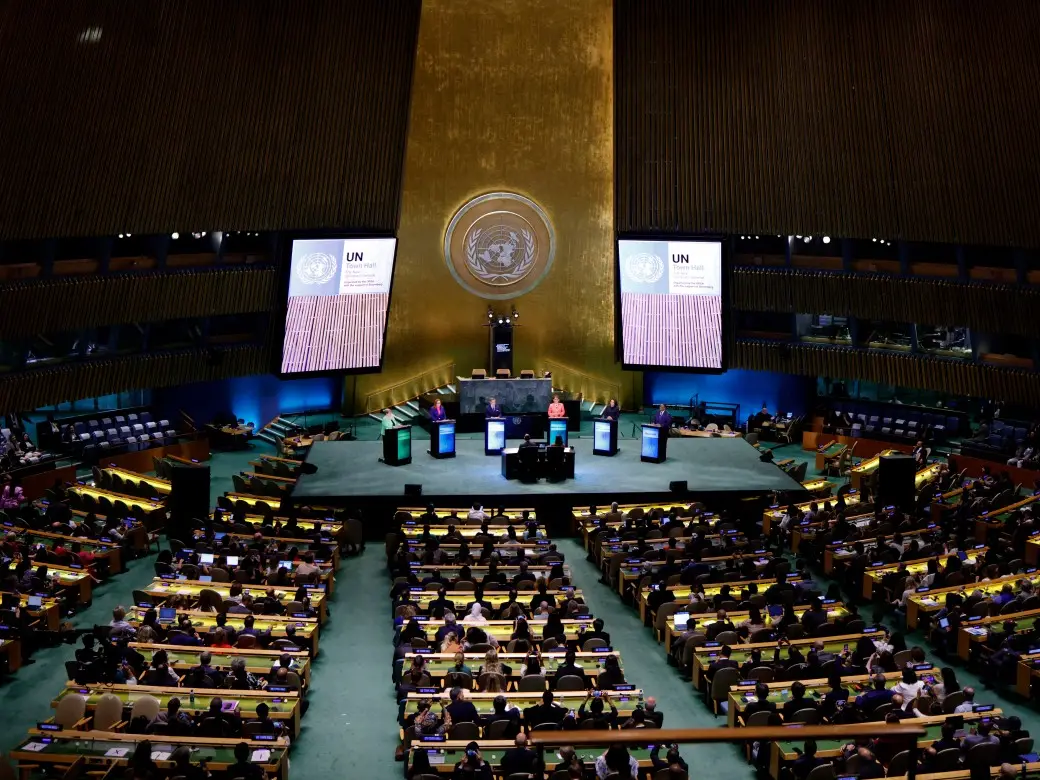)
Pezeshkian, Araghchi set to attend UNGA 2026 in New York amid ongoing conflict as US-imposed travel curbs remain
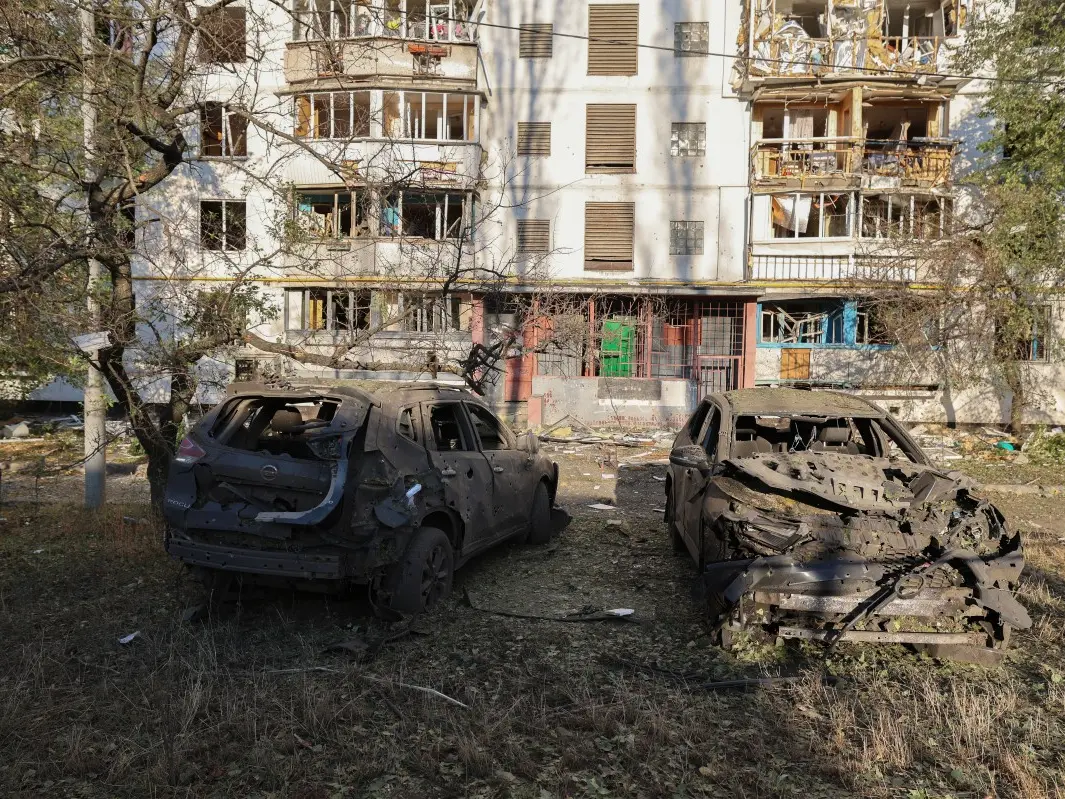)
Ukraine plans record $109 bn defence spending, nearly two thirds of budget amid Russia war
"I spent the end of my childhood and my adolescence in prison, far from my parents and their hugs," she told news agency AFP after returning to her family home in Beit Hanina in annexed east Jerusalem.
"That's how it is with a state that oppresses us."
A total of 39 Palestinian women and minors, who were detained in Israel on various charges, were released under the deal brokered by Qatar to pause the fighting in Gaza.
On the other hand, as a part of the agreement, 24 hostages were released by the Hamas group on Friday, which included 13 Israelis, 10 Thais and a Filipino.
Thirteen Israeli hostages were first handed over to the Red Cross, which then placed them in the custody of Israeli forces after a medical examination.
They entered Egypt through the Rafah crossing and were then handed over to the Israeli forces.
Nearly more than 100 Palestinian prisoners are scheduled to be released over the coming four days and more may be released if the truce is extended.
Some detainees hail Hamas for their release
Hanan Al-Barghouti, aged 58, who was released after two months in Israeli custody, praised Hamas, its leader, and the people of Gaza.
"May God reward them well on our behalf," news agency AFP quoted her as saying. "If it were not for the people of Gaza, we would not have seen freedom.
"We were inside the prison, eating bitterness. They were sadists. They insulted us and humiliated us, but our pride is high and our dignity is elevated, thanks to the resistance."
(With inputs from agencies)