Iran may impose toll and taxes on ships passing through Strait of Hormuz

&imwidth=600&imheight=450&format=webp&quality=medium "Iran may impose toll and taxes on ships passing through Strait of Hormuz")
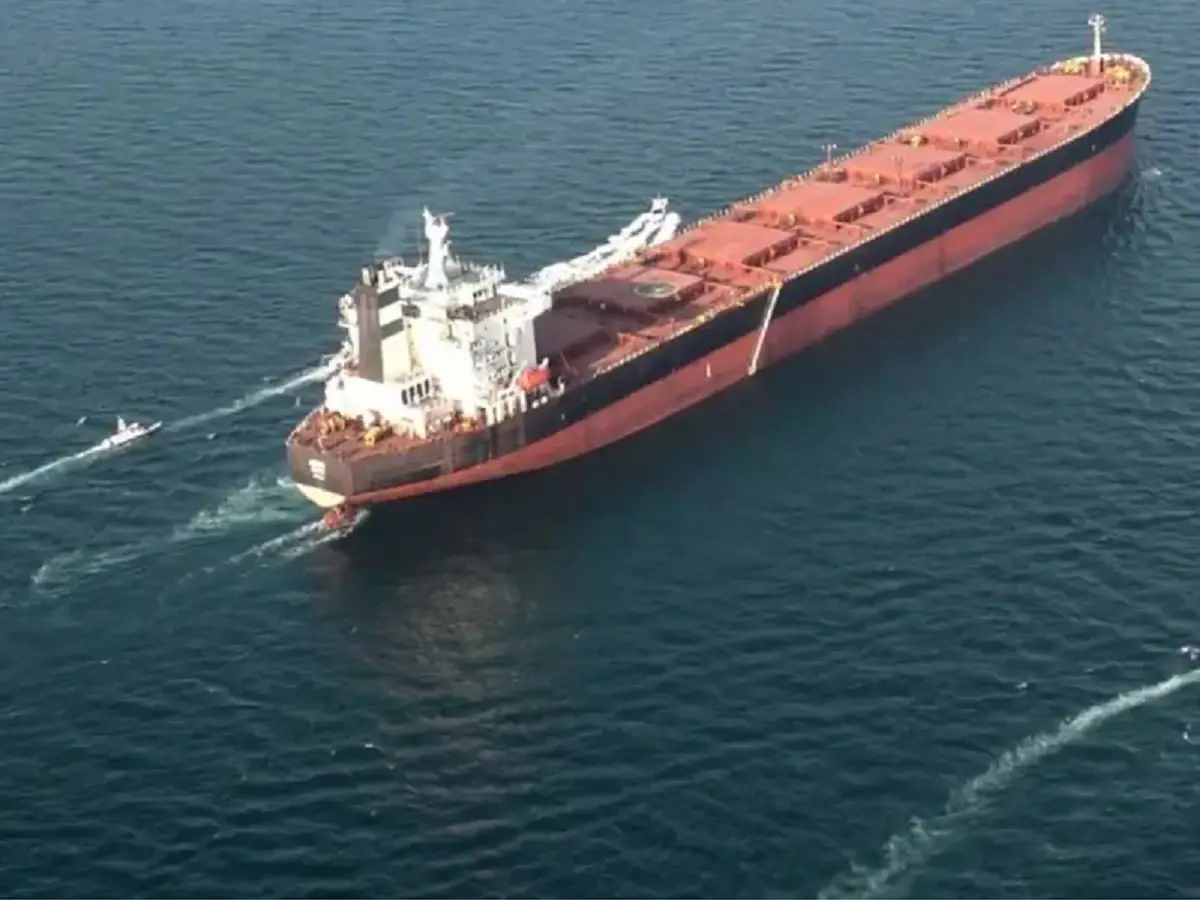
Indian-flagged vessels are being allowed to cross the Strait of Hormuz by Tehran. Photograph: (AFP)
An Iranian politician was reported as saying by the state-affiliated Iranian Student News Agency (ISNA) that the government was considering a bill under which countries using the key trade route will have to pay tolls and taxes to Tehran for shipping, energy transit, and food supplies.
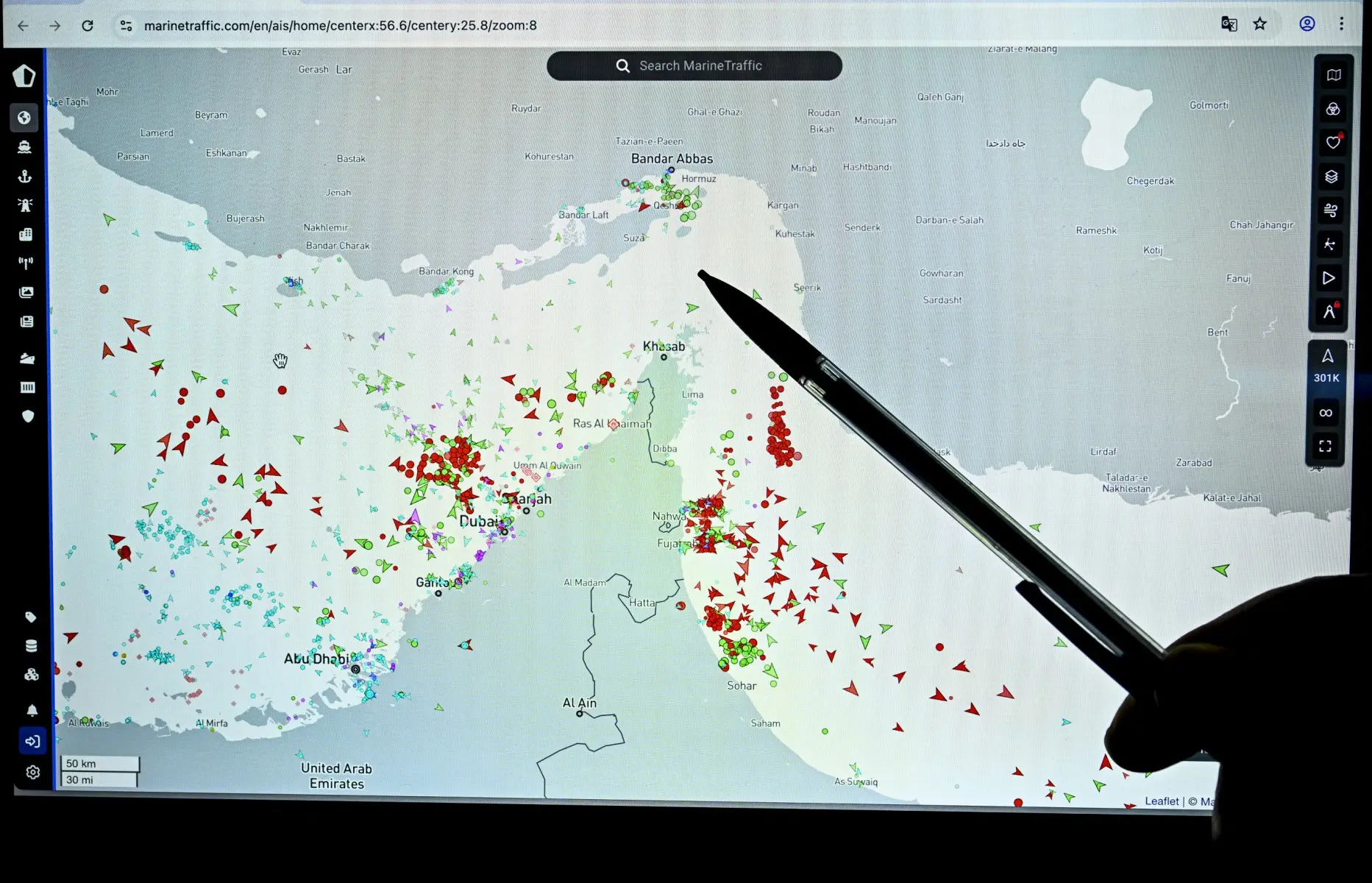
Iran is reportedly considering a proposal to charge a transit fee and other taxes on shipping passing through the Strait of Hormuz, according to reports of Iranian state media. Tehran effectively blocked about 20% of global oil supplies from transiting the Strait of Hormuz since it began attacking ships. US President Donald Trump had suggested sending warships to clear a safe path for commercial sea traffic and had urged other nations to send their military vessels.
Iran’s semi-official Mehr news agency reported on Thursday that the new Iranian government would sanction “domination-seeking powers” who use the Strait of Hormuz.
“At the end of the current imposed war, with drawing a new regime for the Strait of Hormuz, Iran will turn its position from a sanctioned country to an enhanced power in the region and the world,” Mohammad Mokhber, an adviser to Iran’s supreme leader, was quoted as saying.
Also Read: Iranian police arrest 500 ‘spies’ for sharing information with enemies and anti-Iranian media
“We will sanction those domination-seeking arrogant powers using the Strait of Hormuz to not allow their ships pass through the strait,” the supreme leader’s adviser said.
Trending Stories
&imwidth=280&imheight=210&format=webp&quality=medium)
&imwidth=280&imheight=210&format=webp&quality=medium)
&imwidth=280&imheight=210&format=webp&quality=medium)
&im=FitAndFill=(700,400)&imwidth=280&imheight=210&format=webp&quality=medium)
&imwidth=280&imheight=210&format=webp&quality=medium)
&imwidth=280&imheight=210&format=webp&quality=medium)
&imwidth=280&imheight=210&format=webp&quality=medium)
&imwidth=280&imheight=210&format=webp&quality=medium)
&imwidth=280&imheight=210&format=webp&quality=medium)
&imwidth=280&imheight=210&format=webp&quality=medium)
&imwidth=280&imheight=210&format=webp&quality=medium)
&imwidth=280&imheight=210&format=webp&quality=medium)
&imwidth=280&imheight=210&format=webp&quality=medium)
&imwidth=280&imheight=210&format=webp&quality=medium)
&imwidth=280&imheight=210&format=webp&quality=medium)
&imwidth=280&imheight=210&format=webp&quality=medium)
&imwidth=280&imheight=210&format=webp&quality=medium)
&imwidth=280&imheight=210&format=webp&quality=medium)
&imwidth=280&imheight=210&format=webp&quality=medium)
&imwidth=280&imheight=210&format=webp&quality=medium)
&imwidth=280&imheight=210&format=webp&quality=medium)
&imwidth=280&imheight=210&format=webp&quality=medium)
&imwidth=280&imheight=210&format=webp&quality=medium)
&imwidth=280&imheight=210&format=webp&quality=medium)
&imwidth=280&imheight=210&format=webp&quality=medium)
&imwidth=280&imheight=210&format=webp&quality=medium)
&imwidth=280&imheight=210&format=webp&quality=medium)
&imwidth=280&imheight=210&format=webp&quality=medium)
&imwidth=280&imheight=210&format=webp&quality=medium)
&im=FitAndFill=(700,400)&imwidth=280&imheight=210&format=webp&quality=medium)
&imwidth=280&imheight=210&format=webp&quality=medium)
&imwidth=280&imheight=210&format=webp&quality=medium)
&imwidth=280&imheight=210&format=webp&quality=medium)
&im=FitAndFill=(700,400)&imwidth=280&imheight=210&format=webp&quality=medium)
&imwidth=280&imheight=210&format=webp&quality=medium)
&imwidth=280&imheight=210&format=webp&quality=medium)
The state-affiliated Iranian Student News Agency (ISNA) reported an Iranian politician as saying the government was considering a bill under which countries using the key trade route will have to pay tolls and taxes to Tehran for shipping, energy transit, and food supplies.
Tehran has disrupted maritime transit through the strait for vessels since the start of the US-Israeli war on Iran. It attacked vessels of “its enemies and their allies” passing through the Strait of Hormuz and is controlling the critical waterway through which a fifth of global oil and liquefied gas passes.