&imwidth=800&imheight=600&format=webp&quality=medium "Nuclear black market still exists, and Iran might dial again: Inside the murky trade of radioactive material, designs and tech")
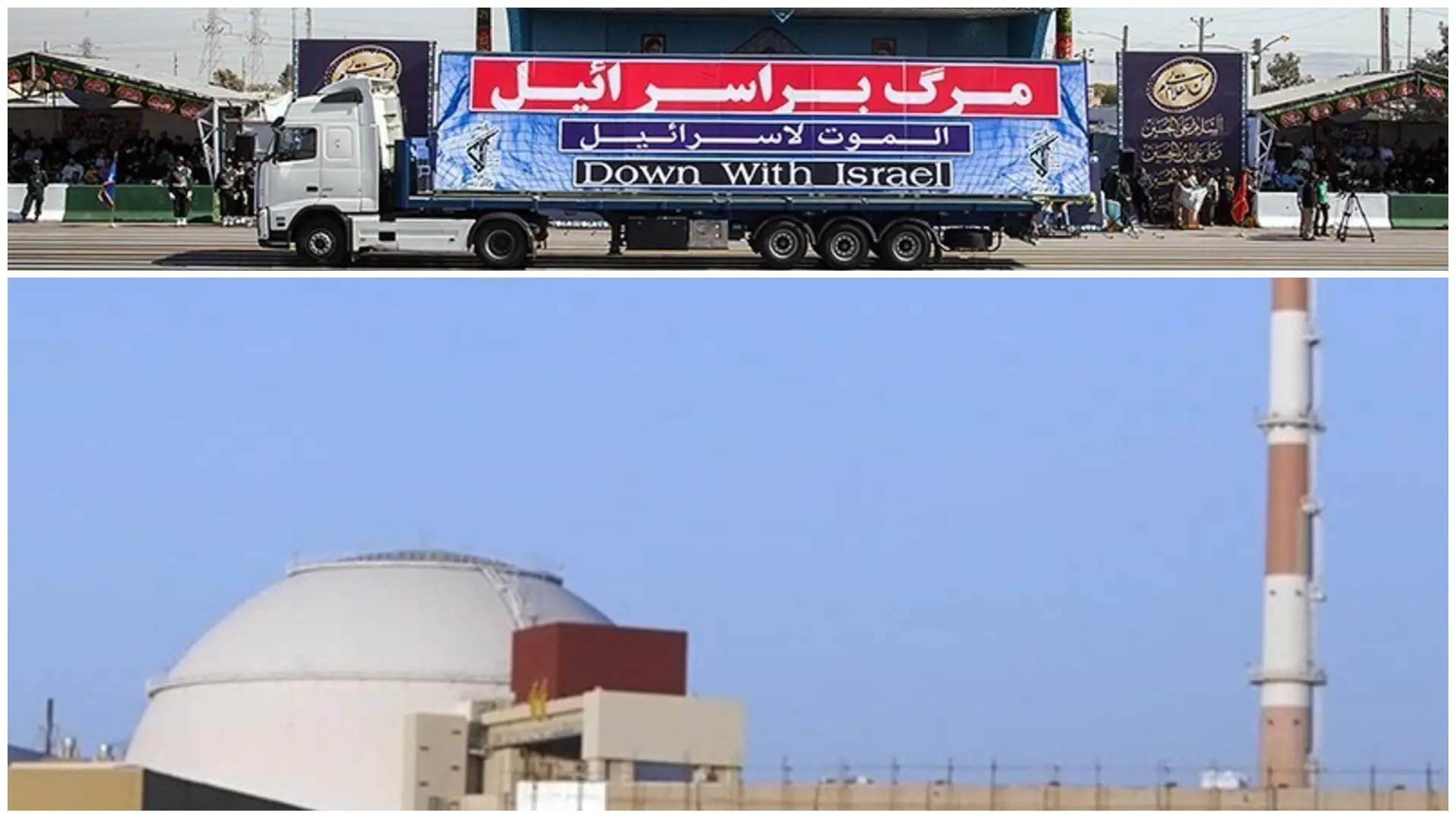
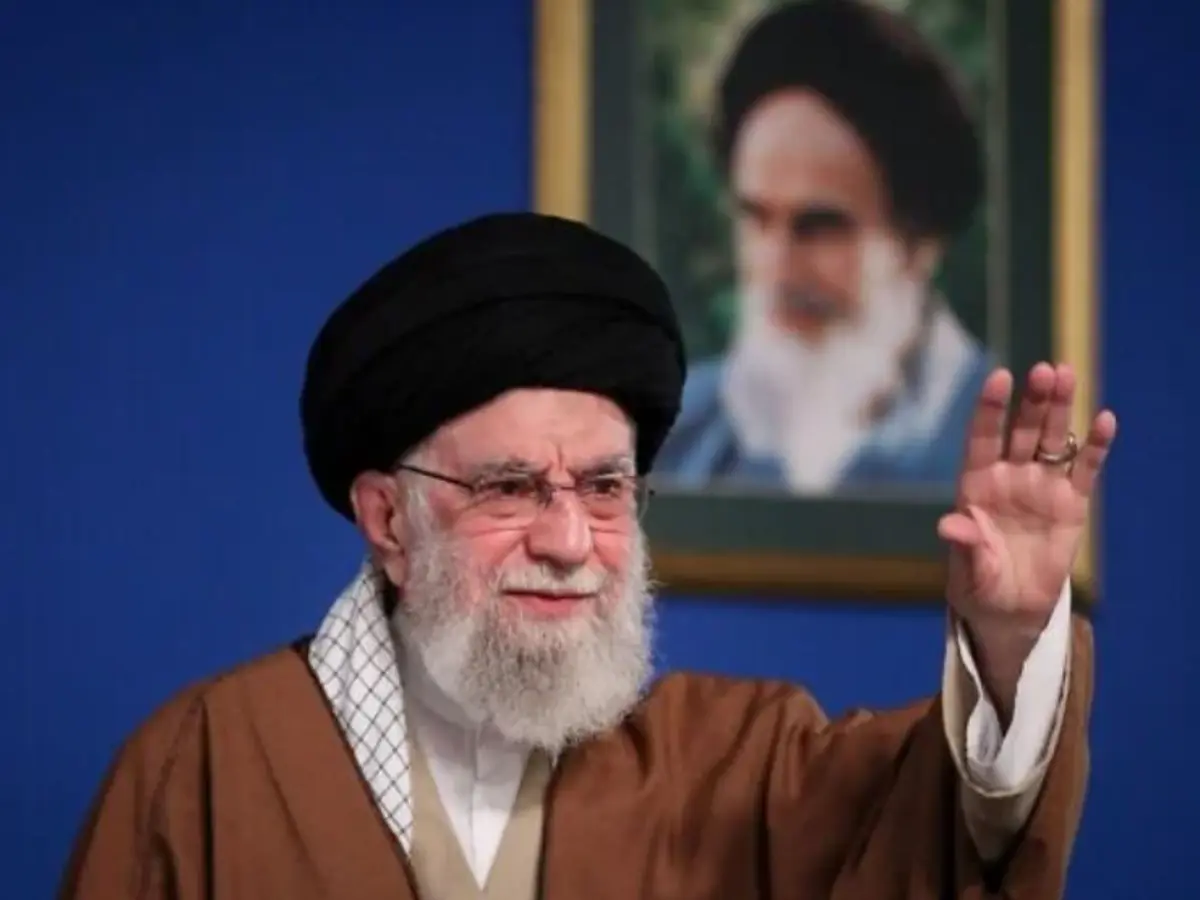
The spectre of the global nuclear black market is rising again in the wake of the bombing of Iranian nuclear sites by Israel and the US B2 bombers in the just-concluded 12-day war. Iran has benefited in the past from the nuclear black market led by the Pakistani AQ Khan network. Recent news reports and studies show that the nuclear black market is alive and thriving, both offline and on the dark web, and could become a source for future nuclear weapon programmes of countries, including possibly Iran.
Recent incidents show the nuclear black market is alive
An article in the Harvard International Review in 2024 noted that there were 146 incidents involving the transfer of items related to illicit nuclear weapons development in 2021 alone. Illicit nuclear goods are becoming available to terrorist networks, with groups like Al-Qaeda expected to continue their attempts to acquire the bomb, it said.

It pointed out that the US and NATO store 20 B-61 gravity bombs at Incirlik Air Base in Turkey. "In 2010, activists easily entered the compound and walked freely through the nuclear vaults for over an hour before security arrived. If an unarmed group can get inside a military compound, what will happen if a small army of dangerous actors knocks on the door?"
The UN reported in 2023 that 2.3 tonnes of uranium went missing in Libya. In the hands with technical know-how, that could be turned into 12 pounds of weapons-grade material, the HIR article noted. The uranium barrels were later found in Chad.
Nuclear manuals sold on the dark web, material smuggled by ex-Soviet networks
Trending Stories
)
Trump says Russia has ‘lost control’ of its diesel industry, calls for end to ‘ridiculous, never-ending’ war
)
Asian Games: Indian women's hockey team thrash Indonesia 17-1, blasts 36 goals in 2 matches
)
Putin's United Russia party wins 355 seats in Duma election; 4 other parties cross threshold to enter parliament
)
AI kill switch explained: Why shutting down a dangerous AI may not be as simple as pressing a button
)
Delhi Air pollution: Strict crackdown on waste burning
)
'I never imagined…': Bihar-born Japan cricketer Abhishek Anand on historic India clash
)
‘0% chance’: Nvidia CEO Jensen Huang dismisses AI extinction fears by 2030
)
Samay Raina-Mukesh Chhabra controversy explained: What happened over girlfriend joke on India's Got Latent?
)
SNL UK takes aim at Ed Sheeran with AI Princess Diana sketch
)
Russia-Ukraine war: Russian strikes knock out three of Ukraine's largest steel plants
)
Four decades after leaving Kolkata, the Birlas may be coming back for more
)
Glitch in the matrix caught on camera: Woman vanishes after talking to reporter
)
Samsung raises Galaxy S26 prices by Rs 20,000: Here’s what each model now costs
)
IIT Bombay tensions ease after three-hour open house; director’s assurances pacify students
)
J&K Assembly Session begins amid chaos: BJP, ruling alliance clash as statehood demand dominates
)
Bessent meets China’s He Lifeng to prepare for Trump-Xi summit
)
US and China vie for AI dominance as calls grow for regulation | Gravitas
)
The Verdict | The Mecca Agreement is under scrutiny as Houthis attack Saudis
)
Saudi Arabia exits China-led mBridge digital currency platform amid Saudi-Houthi conflict
)
Maharashtra TET paper leak: Chargesheet reveals papers smuggled in shoe insoles for Rs 8,000
)
'Lot of things to learn from experienced players': Jayasuriya backs Rohit, Virat for 2027 ODI World Cup
)
Taylor Swift has a 'proud wife' moment as Travis Kelce scores first touchdown of season: 'That’s my husband!'
)
Chancellor Friedrich Merz vows to stay on as exit polls signal major poll setback
)
North Korea's nuclear tests triggered 1,399 earthquakes: Earth is still shaking | Gravitas
)
Mahabharat actor Saurav Gurjar arrested in Hyderabad, sent to 14-day judicial custody in sexual exploitation case
&im=FitAndFill=(700,400))
New OTT releases this week (September 21-27, 2026): Shaque: Trust No One, Hunkkaar, Don’t Be Shy- 5 new titles coming to Netflix, Prime Video and more
)
WATCH | Mysterious lights over Tehran caught on video. Drone, aircraft or something else?
)
What is Yom Kippur and why is it celebrated? All you need to know about the Jewish Day of Atonement
)
White House TV pool halts Trump coverage after CNN barred from UNGA events
)
Iranian airlines to shut worldwide on Sept 23, Bessent warns of US banking ban
)
China expels top generals Zhang Youxia, Liu Zhenli over ‘disloyalty’, corruption
)
Pilot recreates Mona Lisa in sky over Oklahoma and Arkansas in four-hour flight: VIDEO
)
Fitna Al-Khawarij: Decoding biggest security threat to Pakistan | Gravitas
)
Jailer 2: Vidya Balan joins Rajinikanth's upcoming film as Kantha | Watch
)
Microsoft executive called AI training the ‘largest theft of labour in human history’
)
40-foot waves crash into cruise ship in dangerous stretch near Antarctica. Watch
)
Explainer: Why rare-earth export licences and Board of Trade are US priorities ahead of Trump-Xi summit
)
BTS fans mock iHeartRadio’s day 2 turnout after short set controversy
)
The Scandal: Why so scandalous? Ji Chang Wook leaves you gasping for air
A study in March 2021 by Roderic G Broadhurst of Australian National University noted that DIY manuals were available on the darknet for nuclear and radiological weapons. In 2015, the Moldovan government said that the FBI had helped the former Soviet republic three times in the previous five years to thwart potential smuggling of nuclear and radioactive material. There were fears that the smugglers would try to sell the material to terrorists like ISIS.
In April 2009, three Ukrainians were arrested for trying to sell nuclear materials. They tried to sell a metal container of what they said contained some 3.7 kg of plutonium-239 for $10, according to the Ukrainian Security Service, the SBU.
In 2010, nuclear bomb material was found for sale on the Georgia black market. The highly enriched uranium had been smuggled through train inside lead-lined cigarette box.
The global nuclear black market, explained
The nuclear black market, where illicit trade of nuclear materials, technologies and expertise takes place, involves both states and non-state actors. There are three main participants: buyers, sellers and transit points. The aim of the buyers is to acquire nuclear capabilities outside the purview of international regulations.
What is traded in the nuclear black market?
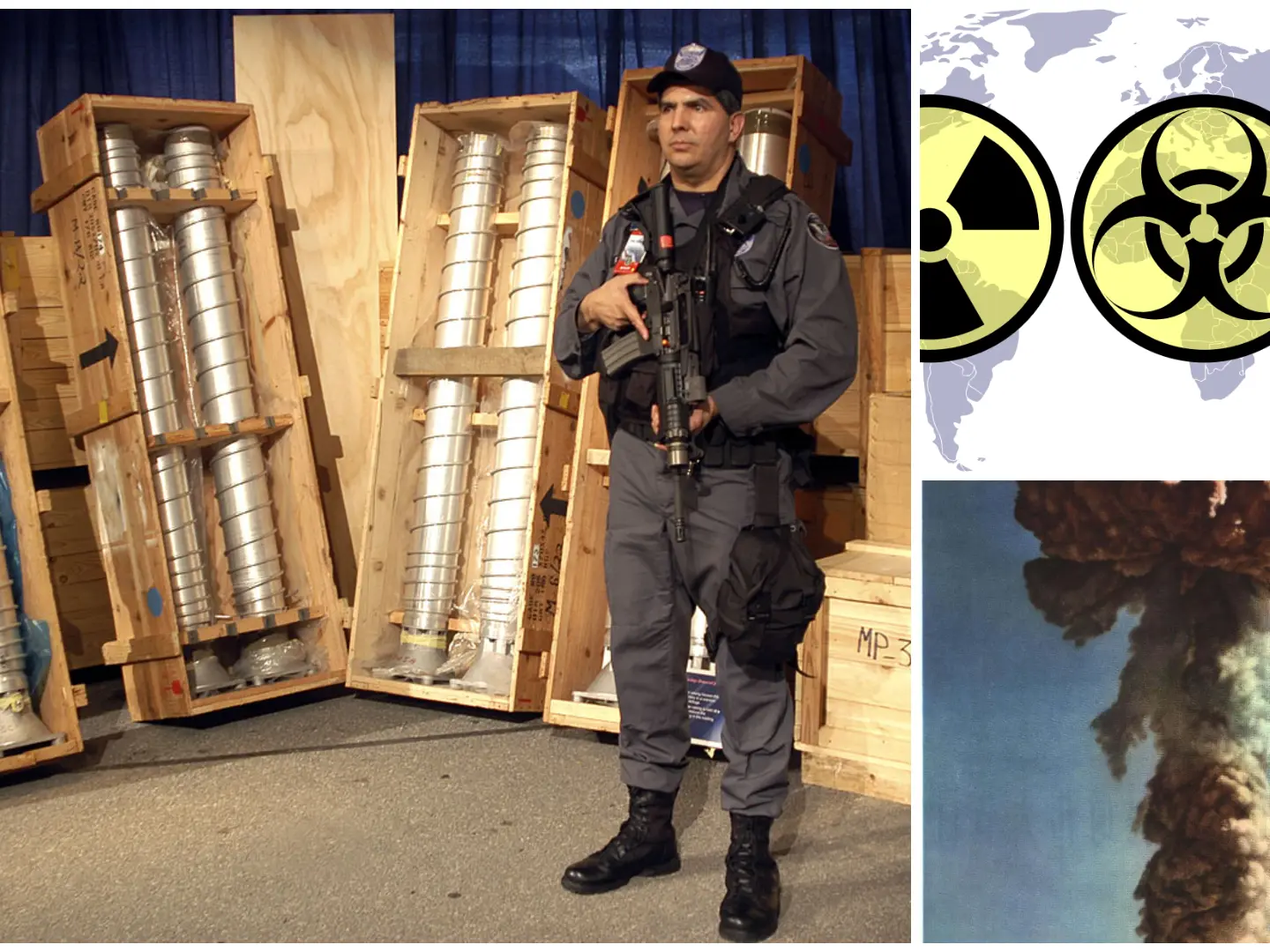
Items and tech needed for nuclear weapons are sold in the black market, such as uranium enrichment technology like gas centrifuge components, and designs including digitised warhead blueprints. Fissile materials, like uranium hexafluoride and enriched uranium are highly coveted. Also on demand are dual-use equipment like high-precision machine tools, aluminium tubes and nuclear application software. Those with technical expertise are sought for consultancy on centrifuge assembly and warhead integration.
Various other pieces of the puzzle have been traded in the nuclear black market, such as infrastructure components like piping, electrical systems, and uranium feed/withdrawal equipment for enrichment facilities.
State-linked entities are allegedly involved in the nuclear black market
It has been reported in the past that state-affiliated entities in Pakistan, Iran, North Korea, and Libya, were allegedly involved in the nuclear black market as buyers or sellers. Chinese state-owned companies have been implicated in providing expertise and equipment to North Korea and Iran. Pakistan was once the centre of the AQ Khan network, of which Iran was a major recipient, specifically centrifuge designs and components. North Korea is both a seller and buyer in the global nuclear black market. It has done both arms exports and procurement through front companies. Libya had sought a centrifuge facility through the Khan’s network until it abandoned its nuclear programme in 2003. Syria is reported to have sought nuclear-related materials through intermediaries.
Intermediary countries
Studies on the nuclear black market have named more than 20 countries as having been involved as transit points or places of intermediary activities. These include Malaysia, Singapore, Turkey, South Africa, Switzerland, South Korea, and the UAE. These countries were either transit hubs or supplier locations for components and expertise.
AQ Khan network
Abdul Qadeer Khan, the Pakistani scientist, led a proliferation network in the 1980s and 1990s, whose material and technology transfers went to Iran, Libya, North Korea, and other countries. The father of Pakistan’s nuclear bomb, Khan confessed publicly in 2004 to transferring nuclear technology to multiple countries. It was a sophisticated network of middlemen, front companies, academics, banks, businessmen and bureaucrats across Europe, West Asia, and Asia.
Iran was a big client of the nuclear black market
Iran's clandestine nuclear weapons programme, the AMAD Project that ran from 1999–2003, is recorded to have procured warhead designs from the AQ Khan network and elsewhere in the nuclear black market. These included re-engineered Pakistani designs. In this period and subsequent years, Iran is thought to have sourced materials, equipment, technology, designs, and expertise from the global nuclear black market.
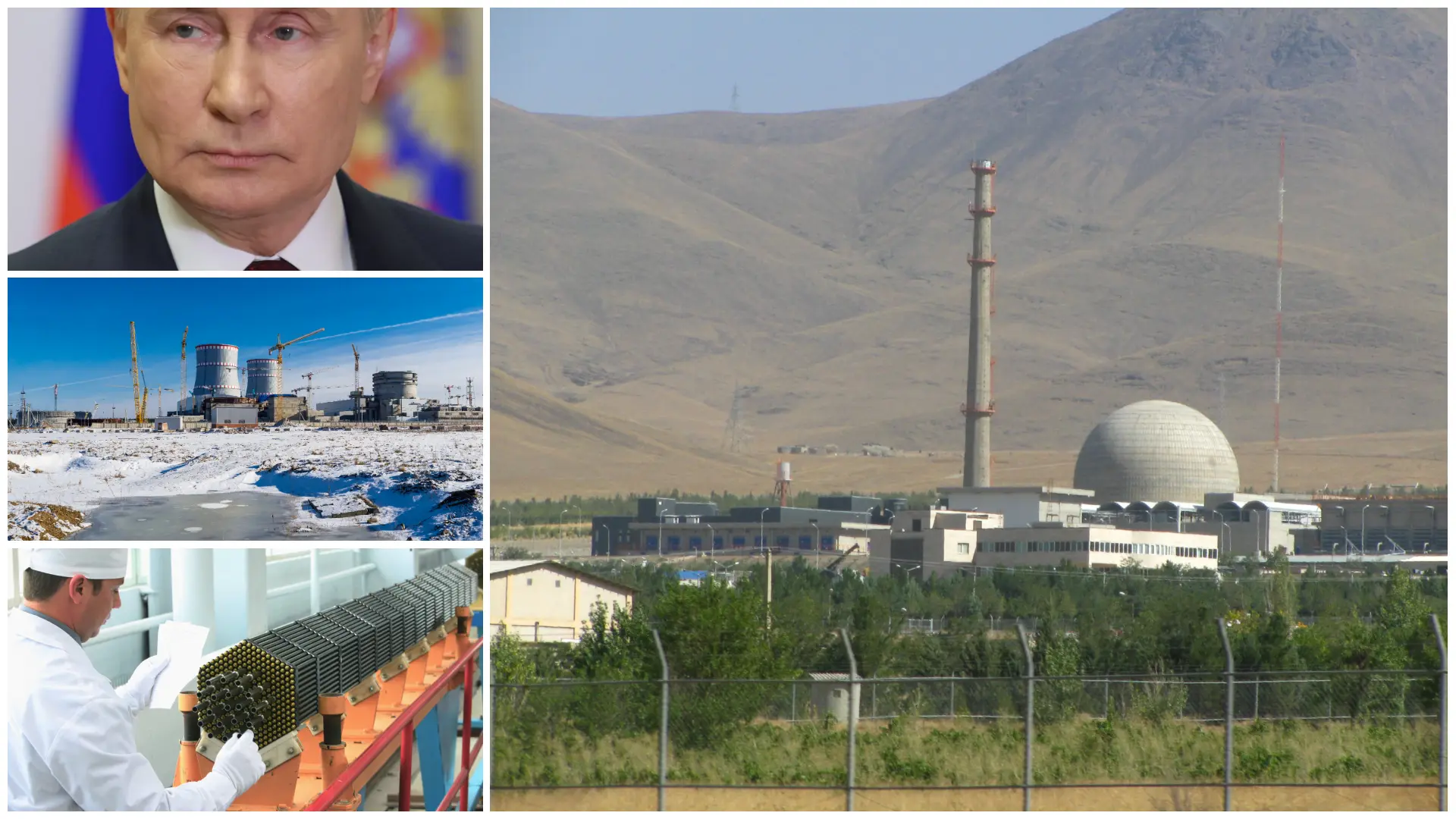
Centrifuge blueprints, components, and technical drawings it acquired from the black market were used to establish secret enrichment workshops, such as the Kalaye Electric Company in Tehran. Uranium hexafluoride feedstock and equipment for Natanz were also bought in the black market, with centrifuge designs resembling those from Pakistan’s Kahuta facility, which again is based on stolen European technology.
With its current nuclear capabilities bombed back by several months if not years, Iran might be tempted to dial the nuclear black market once again.