

&imwidth=800&imheight=600&format=webp&quality=medium "Dirty nukes: Can Iran make radiological bombs after Israel and US B2 bombers struck its nuclear sites during 12-day war?")
There are claims and counterclaims on whether Irans' nuclear capabilities have been set back by years in the Israeli-US air strikes during the just-concluded 12-day war. The strikes targeted nuclear facilities at Natanz, Fordow and Isfahan. But it has been reported that Iran has a secure stockpile of some 400 kilogrammes of uranium enriched to 60 per cent, as well as other radioactive isotopes. This leads to the possibilty of Iran developing dirty nukes.
Iran has not yet developed dirty bombs, but certainly has the capability to do so, given its nuclear expertise, infrastructure, access to materials like uranium, spent fuel isotopes like cesium-137 and industrial isotopes like cobalt-60. How much risk is there of Iran producing a dirty nuke? Here is a down of its capabilities and materials.
What are dirty nukes or radiological dispersal devices?
In simplest terms, a dirty nuke is a conventional bomb with some nuclear components. Formally known as radiological dispersal devices (RDDs), these can potentially cause radioactive contamination on targeted areas, leading to health problems and environmental damage. Besides uranium, dirty nukes can use isotopes like cesium-137, cobalt-60 or nuclear reactor byproducts.
While they do not cause huge nuclear explosions, dirty bombs are considered 'weapons of mass disruption', mainly because of the potential psychological and economic impacts and adverse health effects.
Can Iran develop dirty nukes?
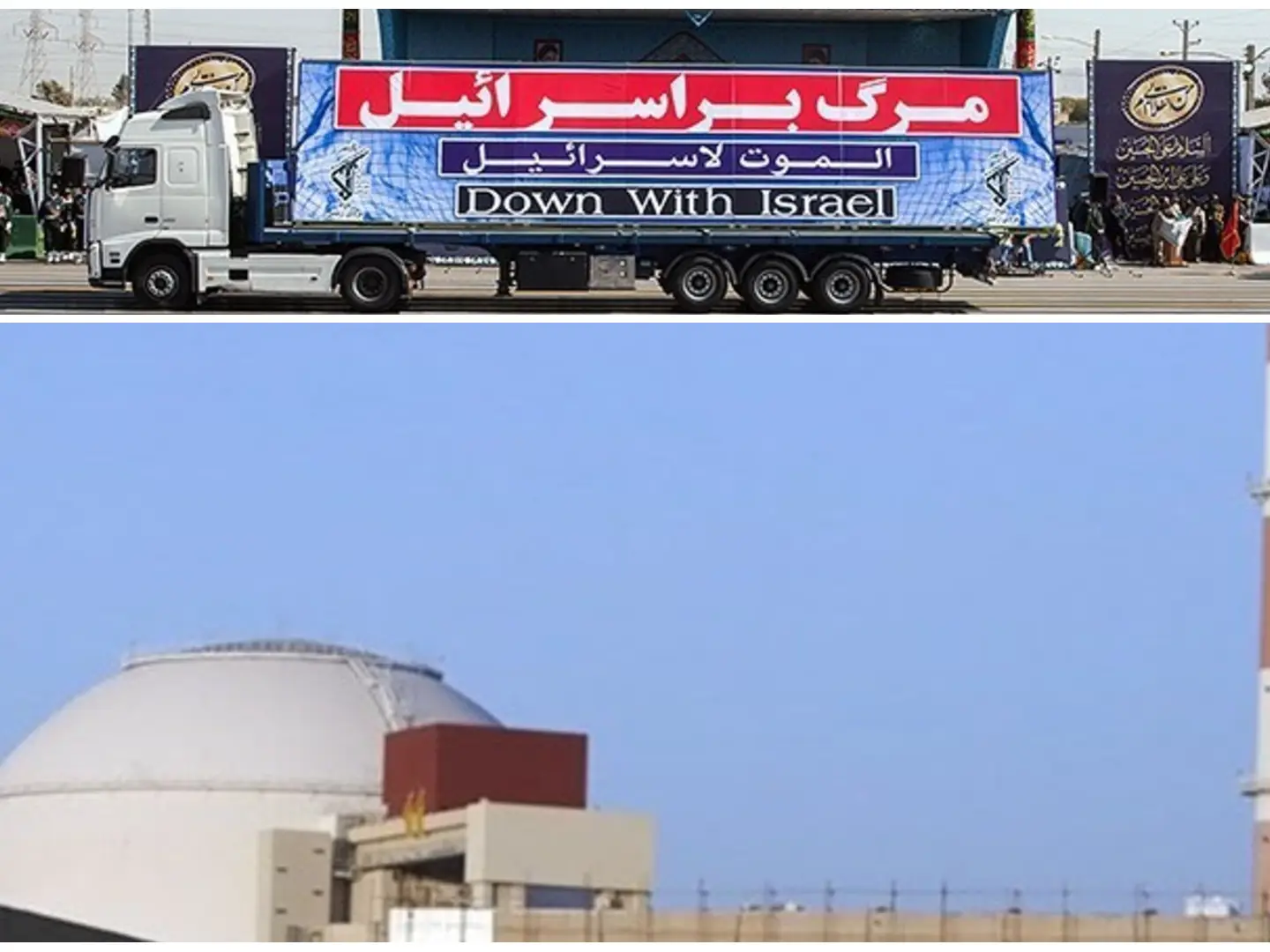
Iran has always maintained it's nuclear programme is for peaceful purposes. But under the current circumstances, it does have the capability to develop dirty nuclear weapons. All ingredients are there: an advanced nuclear programme that enriched uranium to 60 per cent, availability of radioactive materials, and years of expertise in conventional explosives. Nuclear facilities at Natanz, Fordow, Isfahan and Bushehr, have been producing or handling radioactive materials that are, technically speaking, suitable for building RDDs. For instance, the uranium conversion plant and research reactors at the Isfahan Nuclear Technology Center could churn radioactive isotopes.
Trending Stories
&imwidth=180&imheight=135&format=webp&quality=medium)
'Something truly catastrophic will happen': Former OpenAI researchers sound the alarm, claim they were fired for prioritising AI safety
&imwidth=180&imheight=135&format=webp&quality=medium)
'Nidal Hasan's firing-squad execution to be livestreamed', says Pentagon; first US military execution since 1961
&imwidth=180&imheight=135&format=webp&quality=medium)
Bangladesh named as Pakistan’s replacement for Asian Hockey Champions Trophy
&imwidth=180&imheight=135&format=webp&quality=medium)
SC asks Centre to frame mechanism against unethical pharma marketing practices
&imwidth=180&imheight=135&format=webp&quality=medium)
Scientists find highly radioactive nuclear particles at Chernobyl 40 years after the disaster
&imwidth=180&imheight=135&format=webp&quality=medium)
Air India, Air India Express increase fuel surcharge on domestic, international flights amid rising ATF costs
&imwidth=180&imheight=135&format=webp&quality=medium)
France student protests: Over 500 arrested, govt promises 3,000 substitute teachers
&imwidth=180&imheight=135&format=webp&quality=medium)
Trump honours Microsoft CEO Satya Nadella with top technology honour amid immigration scrutiny
&imwidth=180&imheight=135&format=webp&quality=medium)
A Love Other Than Yours: The temptation to cheat and what pushes people over the edge
&imwidth=180&imheight=135&format=webp&quality=medium)
'Understood consequences of a few mistakes': Ishan Kishan reflects on journey back to India team
&imwidth=180&imheight=135&format=webp&quality=medium)
India at UN: Pak allows terror groups to operate from its soil
&imwidth=180&imheight=135&format=webp&quality=medium)
Thai Actors Fourth Nattawat, Gemini Norawit face racism accusations from Indian fans over viral Bollywood act
&imwidth=180&imheight=135&format=webp&quality=medium)
Premier League: Haaland wants Manchester City to 'try to enjoy the situation and win the game'
&imwidth=180&imheight=135&format=webp&quality=medium)
Russia president Putin promises to 'do everything' to help settle Middle East conflict as US-Iran negotiations stall
&imwidth=180&imheight=135&format=webp&quality=medium)
Arizona congressional candidate claims she was sexually assaulted while repairing signs
&imwidth=180&imheight=135&format=webp&quality=medium)
AUS vs SA: 'That's fine,' says Cummins on Khawaja's book contents about Sandpapergate
&imwidth=180&imheight=135&format=webp&quality=medium)
Flydubai flight attack: Indian pilot Smit Machchhar to receive Israel's highest civilian bravery award for saving 174 lives
&imwidth=180&imheight=135&format=webp&quality=medium)
Pakistan denies reports of PAF jets being used in attacks against Iran-backed Houthis in Yemen
&im=FitAndFill=(700,400)&imwidth=180&imheight=135&format=webp&quality=medium)
Fastest-growing Asian economies in 2026: Who tops the chart? Where does India rank?
&imwidth=180&imheight=135&format=webp&quality=medium)
OpenAI shuts down Russian, Iranian influence operations using ChatGPT to spread propaganda
&imwidth=180&imheight=135&format=webp&quality=medium)
New Cold War: Why is China buying more gold? Explained
&im=FitAndFill=(700,400)&imwidth=180&imheight=135&format=webp&quality=medium)
From Kramatorsk buses to Yandex fire: Russia-Ukraine war in the last 48 hours
&imwidth=180&imheight=135&format=webp&quality=medium)
Trump's naked 23-karat gold statue unveiled near European Parliament
&imwidth=180&imheight=135&format=webp&quality=medium)
‘Never-ending flow of cheap labour’: JD Vance hits back at Indian-origin Congresswoman over US green card curbs for major tech companies
&imwidth=180&imheight=135&format=webp&quality=medium)
‘Wait till you discover the other guy’: Rahul Gandhi takes a swipe as Musk's 'Ambani real boss of India' remark triggers X subscription cancellations
&imwidth=180&imheight=135&format=webp&quality=medium)
Nana Patekar's #MeToo controversy: From Tanushree Dutta’s allegations to court ruling
&imwidth=180&imheight=135&format=webp&quality=medium)
KATSEYE’s Sophia Laforteza to return in 2027 after hiatus, agency issues statement
&imwidth=180&imheight=135&format=webp&quality=medium)
Trump has a new 'enemy': Anyone who calls it 'artificial intelligence'. Here's what we wants instead
&imwidth=180&imheight=135&format=webp&quality=medium)
Atlantic hurricane Isaias could make landfall as a strong Category 2 storm, tornado warnings issued
&imwidth=180&imheight=135&format=webp&quality=medium)
New York ICE shooting sparks protests as Mamdani to call on Trump to halt ICE operations
&imwidth=180&imheight=135&format=webp&quality=medium)
Nigeria govt rolls out 30-day NNPC petrol discount, insists it is not a subsidy
&imwidth=180&imheight=135&format=webp&quality=medium)
Who is Nana Patekar's wife Neelakanti? The bank officer who earned Rs 2,500 when he earned Rs 50
&im=FitAndFill=(700,400)&imwidth=180&imheight=135&format=webp&quality=medium)
435 House seats, 35 Senate races: The numbers behind US midterms 2026
&imwidth=180&imheight=135&format=webp&quality=medium)
French students light European bonfire, protests erupt in Belgium, Italy & Greece | Gravitas
&imwidth=180&imheight=135&format=webp&quality=medium)
Captain Smit Machchhar on feet again, walks 10 steps as recovery continues after Flydubai flight attack
&imwidth=180&imheight=135&format=webp&quality=medium)
BTS agency HYBE announces first-ever Weverse Con Festival in India
&imwidth=180&imheight=135&format=webp&quality=medium)
US suspends Microsoft, Infosys, Tata, Wipro from green card programme over alleged H-1B abuse
In spite of Israel's attempts to kill of its nuclear scientists, Iran still possesses the knowledge base to handle radioactive materials. If it chooses to, it can use them in conventional explosives.
Byproducts of nuclear products like spent nuclear fuel from the Bushehr reactor and other isotopes from research reactors like the Tehran Research Reactor, could theoretically be used to build dirty bombs. (Bushehr spent fuel is supposed to be returned to Russia, as per the two nations' agreements.)
Current status of Iran nuclear material is vague
Iran, which has dual-use capabilities, said it would partially stop cooperation with the inspectors from UN nuclear agency IAEA. There is talk on whether Iran would exit the Non-Proliferation Treaty. The 60 per cent enriched uranium, 400 kg of which Iran has reportedly moved to safe locations amid Israeli and American bombardment, can be used for building dirty bombs.
Which isotopes can Iran use to build radiological bombs?
The 60 per cent enriched uranium isotope U-235 is highly radioactive. It can cause radiological contamination if used in a bomb. Uranium radiation is toxic, and can cause health troubles if inhaled or ingested. But making a bomb from the 60 per cent enriched uranium requires sophisticated design capabilities to maximise contamination. Also, it is less radioactive than cesium-137 or cobalt-60. These are the preferred isotopes for making dirty nukes.
Will Iran actually use its 60 per cent enriched uranium in dirty nukes?
Most probably not, due to the strategic value of this material. It took Iran decades to enrich uranium to 60 per cent, which is considered near-bomb grade. (Note that a nuclear weapon requires 90 per cent enriched uranium). So it is highly unlikely that Iran would waste this precious and limited resource in a dirty nuke.
What else does Iran have that can be used in dirty nukes?
Iran, however, still has some other nuclear meterials that could go into dirty nukes, though it is contract-bound to dispense with most of them. This include low-enriched uranium, cesium-137 (a common RDD candidate), strontium-90, and iodine-131 in Bushehr nuclear plant. Spent fuel from Bushehr is removed by Russia to avoid proliferation. Thus far, the IAEA has been monitoring Bushehr, but lack of future cooperation could pave the way for dirty nuke development.
Radioactive isotopes and byproducts are present in research reactors like Tehran Research Reactor as well as at facilities in Isfahan Nuclear Technology Center and Arak. These include uranium enriched up to 20 per cent, molybdenum-99 and technetium-99m. Other byproducts, such as cesium-137 or cobalt-60, could be extracted for an RDD. Iran might also possess Uranium Hexafluoride (UF6) and the highly radio active plutonium-239.
Though it has the capability, there’s no indication that Iran has pursued dirty nukes. But the risk of such possibility has only increased after Iran's partial withdrawal from IAEA monitoring.

