Iran demands urgent release of $12 billion frozen in Qatar before advancing peace talks with US

&imwidth=600&imheight=450&format=webp&quality=medium "Iran demands urgent release of $12 billion frozen in Qatar before advancing peace talks with US")
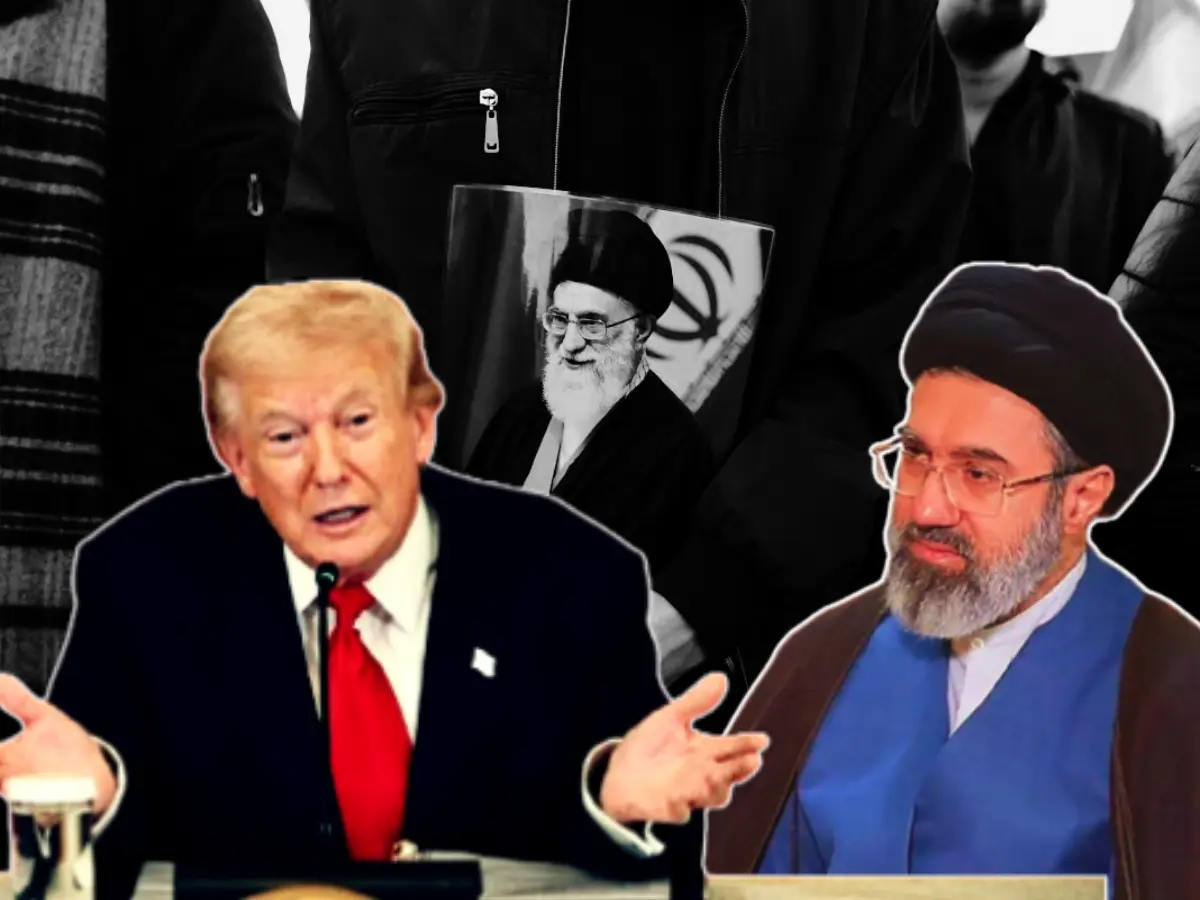
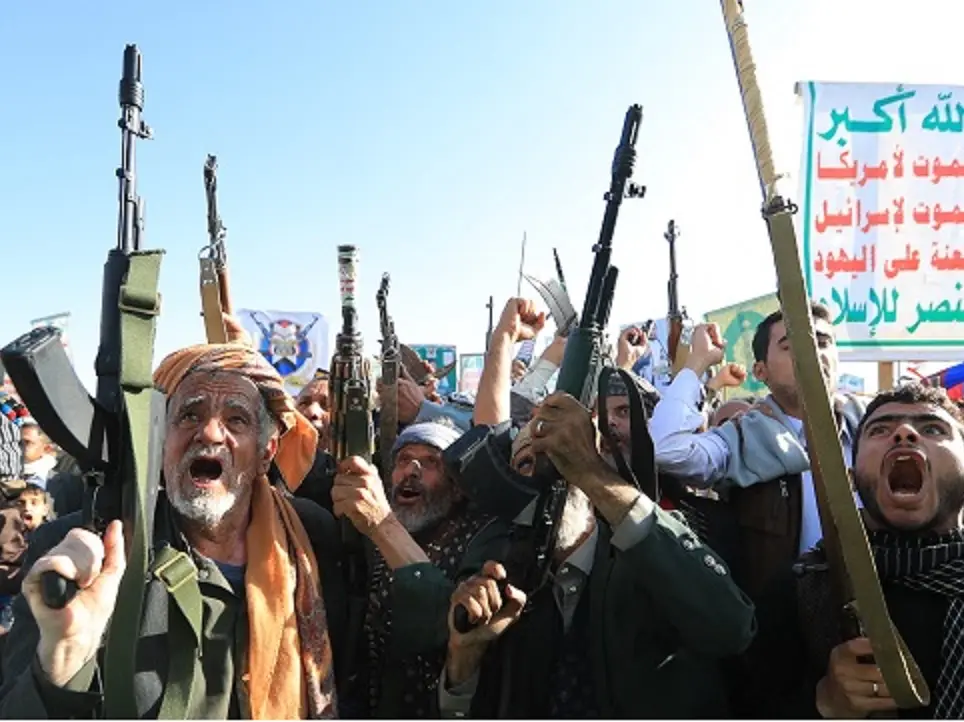
Iran has been insisting that all of its frozen assets worldwide must be unfrozen and fully released. Photograph: (AFP)
The funds, linked to Iranian oil sales to South Korea, were transferred to Qatari accounts but remained restricted to humanitarian use under US oversight. The final negotiations regarding a peace deal will begin only after both parties sign the MoU and agree to the 60-day ceasefire.
Iran is demanding the immediate release of $12 billion in frozen assets held in Qatar as a prerequisite for advancing negotiations with the United States, reported Iran International, citing sources in the know. The source with direct knowledge of the negotiations further said that the $12 billion is only the immediate tranche required to begin the diplomatic roadmap and is not the full amount Iran is seeking.
Tehran has been insisting that all of its frozen assets worldwide must be unfrozen and fully released as part of any comprehensive agreement, the source added.
IRGC-linked Tasnim News Agency had reported on Sunday that differences between Iran and the US over one or two clauses of a possible memorandum of understanding remained unresolved. Tasnim said Iran has demanded that any initial memorandum of understanding with the US should include the release of at least part of its frozen assets and that the released funds are made accessible to Iran.
‘US sought to link frozen assets’s release with nuclear deal’
Tasnim also reported that Washington sought to link the release of frozen assets to a possible final nuclear agreement, but Iran wants part of the funds released before any MoU besides setting up a mechanism for releasing the remaining assets during negotiations.
Trending Stories
&imwidth=280&imheight=210&format=webp&quality=medium)
&imwidth=280&imheight=210&format=webp&quality=medium)
&imwidth=280&imheight=210&format=webp&quality=medium)
&imwidth=280&imheight=210&format=webp&quality=medium)
&imwidth=280&imheight=210&format=webp&quality=medium)
&imwidth=280&imheight=210&format=webp&quality=medium)
&imwidth=280&imheight=210&format=webp&quality=medium)
&imwidth=280&imheight=210&format=webp&quality=medium)
&imwidth=280&imheight=210&format=webp&quality=medium)
&imwidth=280&imheight=210&format=webp&quality=medium)
&imwidth=280&imheight=210&format=webp&quality=medium)
&imwidth=280&imheight=210&format=webp&quality=medium)
&imwidth=280&imheight=210&format=webp&quality=medium)
&imwidth=280&imheight=210&format=webp&quality=medium)
&imwidth=280&imheight=210&format=webp&quality=medium)
&imwidth=280&imheight=210&format=webp&quality=medium)
&imwidth=280&imheight=210&format=webp&quality=medium)
&imwidth=280&imheight=210&format=webp&quality=medium)
&imwidth=280&imheight=210&format=webp&quality=medium)
&imwidth=280&imheight=210&format=webp&quality=medium)
&imwidth=280&imheight=210&format=webp&quality=medium)
&imwidth=280&imheight=210&format=webp&quality=medium)
&im=FitAndFill=(700,400)&imwidth=280&imheight=210&format=webp&quality=medium)
&imwidth=280&imheight=210&format=webp&quality=medium)
&imwidth=280&imheight=210&format=webp&quality=medium)
&imwidth=280&imheight=210&format=webp&quality=medium)
&imwidth=280&imheight=210&format=webp&quality=medium)
&im=FitAndFill=(700,400)&imwidth=280&imheight=210&format=webp&quality=medium)
&imwidth=280&imheight=210&format=webp&quality=medium)
&imwidth=280&imheight=210&format=webp&quality=medium)
&imwidth=280&imheight=210&format=webp&quality=medium)
&im=FitAndFill=(700,400)&imwidth=280&imheight=210&format=webp&quality=medium)
&imwidth=280&imheight=210&format=webp&quality=medium)
&imwidth=280&imheight=210&format=webp&quality=medium)
Tasnim later reported that the US obstruction of some Iranian clauses in a potential agreement, including the release of Tehran’s blocked assets, was still continuing. The report added that there remains a possibility of the agreement not fructifying.
In April, a senior Iranian source told Reuters that the US had agreed to release Iranian frozen assets held in Qatar, a claim which was swiftly denied by a US official. A second Iranian source said the US had agreed to release $6 billion of frozen Iranian funds held by Qatar.
The funds, linked to Iranian oil sales to South Korea, were transferred to Qatari accounts but remained restricted to humanitarian use under US oversight, the report added.
The final negotiations regarding a peace deal will begin only after both parties sign the MoU and agree to the 60-day ceasefire.
One important element of the deal is the reopening of the Strait of Hormuz. An Axios report said that the MoU draft specifies that the Strait would be open without tolls, and Iran would clear the mines it had deployed there.
In exchange, the US would lift its blockade on Iranian ports and waive some sanctions it had imposed, allowing the country to sell oil freely.
No discussion on Iran’s nuclear programme, enriched uranium before MoU
Discussion on Iran’s nuclear capabilities and enriched uranium stockpile would be held only during final negotiations, but the MoU would call for Iran to cease any pursuit of nuclear weapons.
Iranian media claimed that the initial peace deal would include Washington waiving sanctions on Iranian oil, and both sides agreeing not to attack each other or their allies.
Iran’s state media reported on Monday that the country’s Central Bank chief Abdolnaser Hemmati travelled to Qatar following talks with a Qatari delegation in Tehran regarding Iran’s frozen funds.
Also Read: ‘India can count on me 100%. I am a big fan of PM Modi,‘ says Trump in phone call at Delhi event
Meanwhile, Iran’s chief negotiator and Parliament Speaker Mohammed Bagher Ghalibaf and Foreign Minister Abbas Araghchi arrived in Doha to meet the Qatari Prime Minister and Foreign Minister Mohammed bin Abdulrahman Al Thani.
The Iranians are meeting with the Qatari PM to discuss the terms of a potential ceasefire deal with the US, an official said.