

&imwidth=800&imheight=600&format=webp&quality=medium "Nirmala Sitharaman flags ‘3Fs’ as key challenge after PM Modi’s austerity appeal amid West Asia crisis")
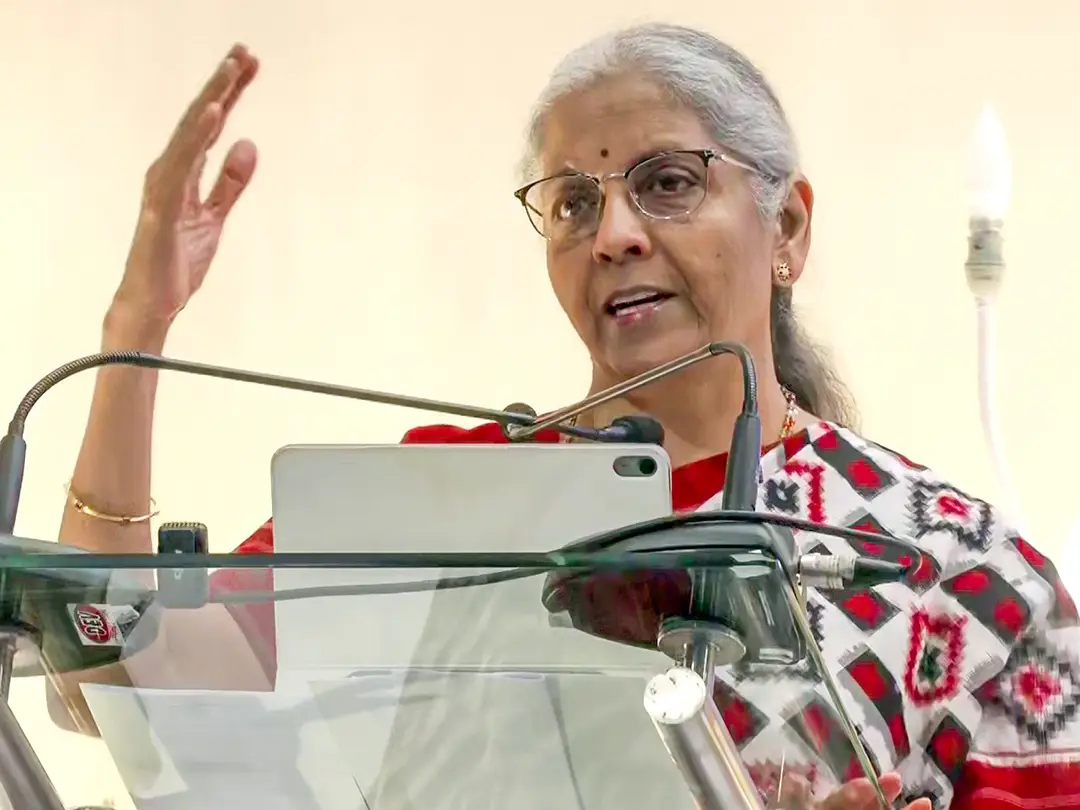
After Prime Minister Narendra Modi’s appeal for austerity amid continuing supply constraints linked to the West Asia conflict, Union Finance Minister Nirmala Sitharaman on Monday (May 25) said rising and volatile global prices of fuel, fertiliser and gold were posing major external challenges for India, even as the country’s domestic economic indicators remained strong.
Addressing the 37th SIDBI Foundation Day programme, Sitharaman identified what she described as the “three Fs”, fuel, fertiliser and foreign exchange, as the biggest areas of concern for the Indian economy amid the ongoing geopolitical tensions.
The finance minister said India was facing simultaneous pressure from rising prices of crude oil, fertilisers and gold, all of which require payments in foreign exchange.
“High international crude prices and very fluctuating ones. High international fertiliser prices. Considerable increase in the fertiliser prices, high gold prices that are creating some challenges on the external front,” she said. “To just put it in context, all these three payments will have to be in foreign exchange. There is no rupee trading there. We should please understand the context of these three Fs.”
Linking the uncertainty directly to the conflict in West Asia, Sitharaman said the Centre’s priority was to protect citizens, support MSMEs and ensure uninterrupted supply chains despite global volatility.
Trending Stories
&imwidth=180&imheight=135&format=webp&quality=medium)
Brendan Taylor overtakes Andy Flower to become Zimbabwe’s leading ODI run-scorer
&imwidth=180&imheight=135&format=webp&quality=medium)
No Kings' Instagram suspended during early-voting campaign
&imwidth=180&imheight=135&format=webp&quality=medium)
'Those who have destroyed must pay': Macron says France feels 'anger and shame' over protest violence
&imwidth=180&imheight=135&format=webp&quality=medium)
Researchers name newly discovered Andean plant after Argentina legend Lionel Messi
&imwidth=180&imheight=135&format=webp&quality=medium)
Lawrence Bishnoi gang claims responsibility for firing at Tiger Shroff over ties to Salman Khan
&imwidth=180&imheight=135&format=webp&quality=medium)
Flying car race: Alef Aeronautics welcomes Tesla Roadster '11 years' later, but are the two models the same?
&imwidth=180&imheight=135&format=webp&quality=medium)
2.5 lakh cap, 4-passenger limit: What is Delhi's new e-rickshaw draft policy
&imwidth=180&imheight=135&format=webp&quality=medium)
Tiger Shroff shows injuries after Juhu firing incident; Eknath Shinde says Mumbai won’t tolerate gang wars
&imwidth=180&imheight=135&format=webp&quality=medium)
Lizard people? Ex-US Army sniper claims soldier killed by 'reptilian beings' in battle near Area 51
&imwidth=180&imheight=135&format=webp&quality=medium)
NFl 2026/27 - Saints vs Steelers to go ahead in Paris next week despite protest
&imwidth=180&imheight=135&format=webp&quality=medium)
4 killed, 19 critically injured in grass fire at Canada's largest military base
&imwidth=180&imheight=135&format=webp&quality=medium)
Nobel laureate Machado, who dedicated prize to Trump, confirmed as Venezuela opposition leader
&imwidth=180&imheight=135&format=webp&quality=medium)
After Kennedy Center and reflecting pool disputes, Trump turns to Washington golf course plan amid legal battle
&imwidth=180&imheight=135&format=webp&quality=medium)
Why France looks the most fragile in the G7 amid protests and budget deadlock
&imwidth=180&imheight=135&format=webp&quality=medium)
China responds to Trump's Press Secretary Katie Zacharia after toilet remark: 'Visit China more often'
&imwidth=180&imheight=135&format=webp&quality=medium)
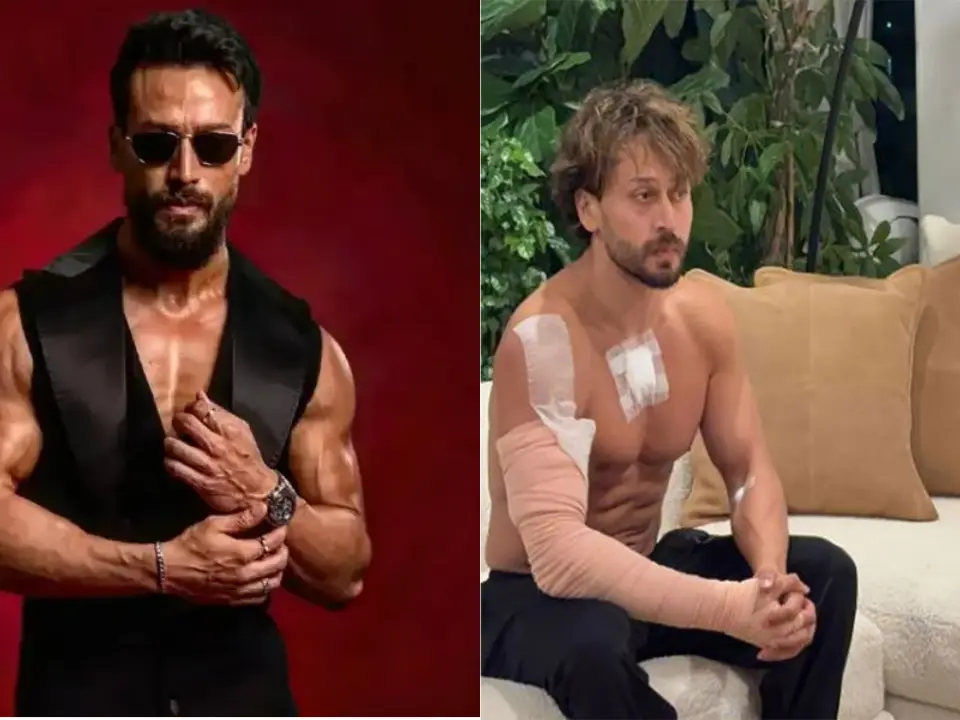
Tiger Shroff firing incident update: All three shooters arrested from Kota railway station
&imwidth=180&imheight=135&format=webp&quality=medium)
Cattle feed found in biscuits of Indian company, FSSAI sends legal notice
&imwidth=180&imheight=135&format=webp&quality=medium)
Anthropic’s public benefit plan: What its 5% share commitment means for AI’s future
&imwidth=180&imheight=135&format=webp&quality=medium)
MI5 is opening an AI threat centre, and OpenAI just told MPs the worst isn't over
&imwidth=180&imheight=135&format=webp&quality=medium)
WATCH | iPhones, luxury perfumes floating in Hormuz? Iranian fishermen make bizarre discovery
&imwidth=180&imheight=135&format=webp&quality=medium)
Elon Musk features on Lucknow's 'anti-India' Ravan poster alongside Rahul Gandhi, Akhilesh
&im=FitAndFill=(700,400)&imwidth=180&imheight=135&format=webp&quality=medium)
New OTT releases this week (October 19-25, 2026): Gajab Raat to Chaar Yaar-8 titles to watch during Dussehra week on Netflix, Prime Video and more
&imwidth=180&imheight=135&format=webp&quality=medium)
Kylie Jenner makes Victoria’s Secret debut in $50 million diamond-encrusted design as Timothée Chalamet cheers
&imwidth=180&imheight=135&format=webp&quality=medium)
Putin seeks Trump-Xi summit on Ukraine war, proposes talks alongside APEC: Report
&imwidth=180&imheight=135&format=webp&quality=medium)
No Ravindra Jadeja, Yashasvi Jaiswal in India’s 2027 ODI World Cup plans: Report
&imwidth=180&imheight=135&format=webp&quality=medium)
India moves to buy 10,000 more AI chips for a national compute pool open to startups
&imwidth=180&imheight=135&format=webp&quality=medium)
Tiger Shroff attacked by three gunmen in Mumbai, actor safe, two injured
&imwidth=180&imheight=135&format=webp&quality=medium)
Anirudh Ravichander-Kavya Maran wedding: Telangana CM reveals Chennai reception date
&im=FitAndFill=(700,400)&imwidth=180&imheight=135&format=webp&quality=medium)
Tesla Roadster engineering: The hidden hardware behind its flying demonstration
&imwidth=180&imheight=135&format=webp&quality=medium)
US to review Russia sanctions waiver within 60 days as Rubio cites India’s ‘substantial’ Russian energy imports
&imwidth=180&imheight=135&format=webp&quality=medium)
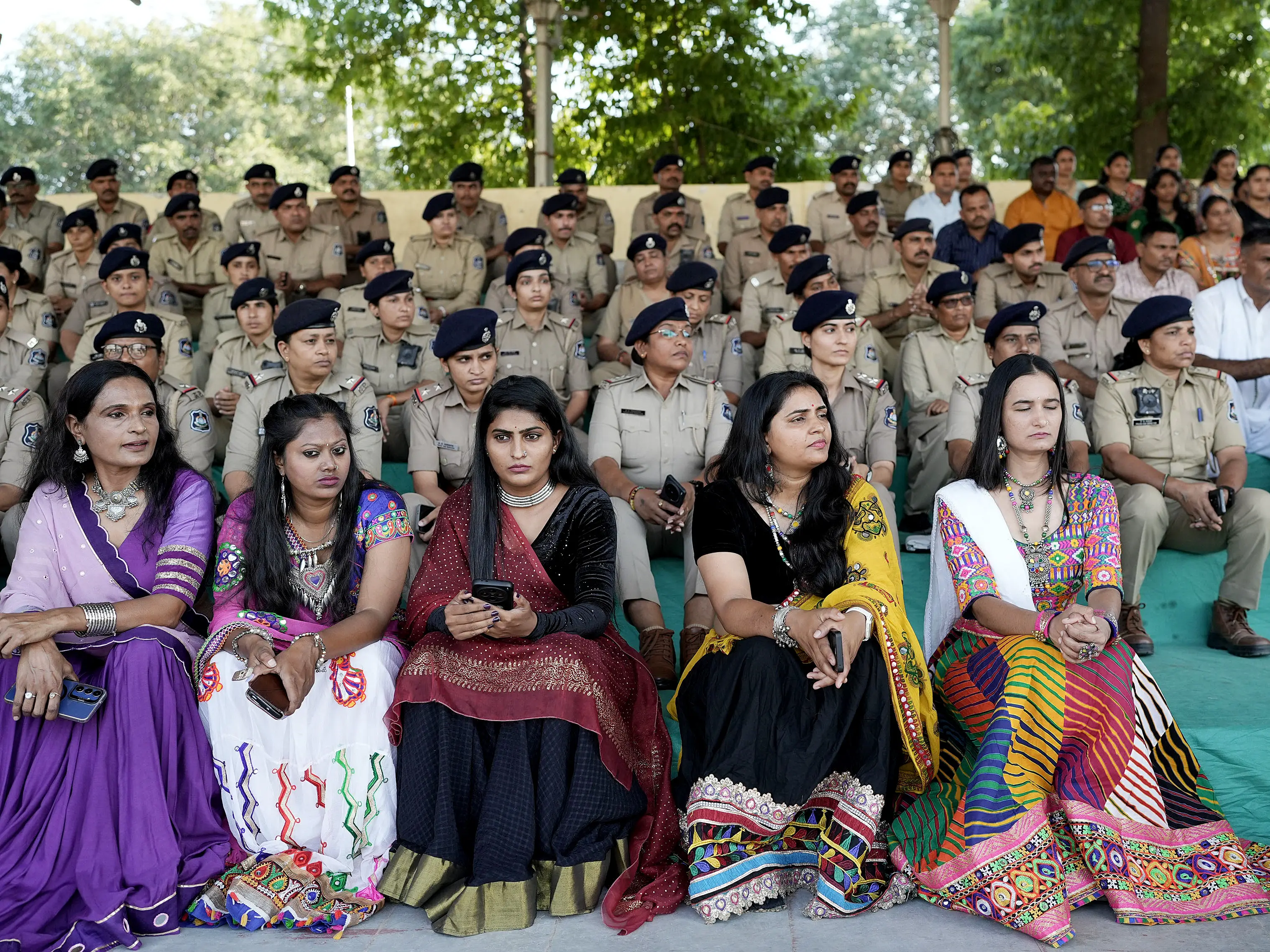
'We feel like Mr India': Gujarat’s undercover SHE team guard garba nights at Navratri
&imwidth=180&imheight=135&format=webp&quality=medium)
Cattle-feed bran in biscuits, detergent in milk: FSSAI acts against 3 companies
&im=FitAndFill=(700,400)&imwidth=180&imheight=135&format=webp&quality=medium)
5 technologies that could make the Tesla Roadster one of the most unusual cars ever built
&imwidth=180&imheight=135&format=webp&quality=medium)
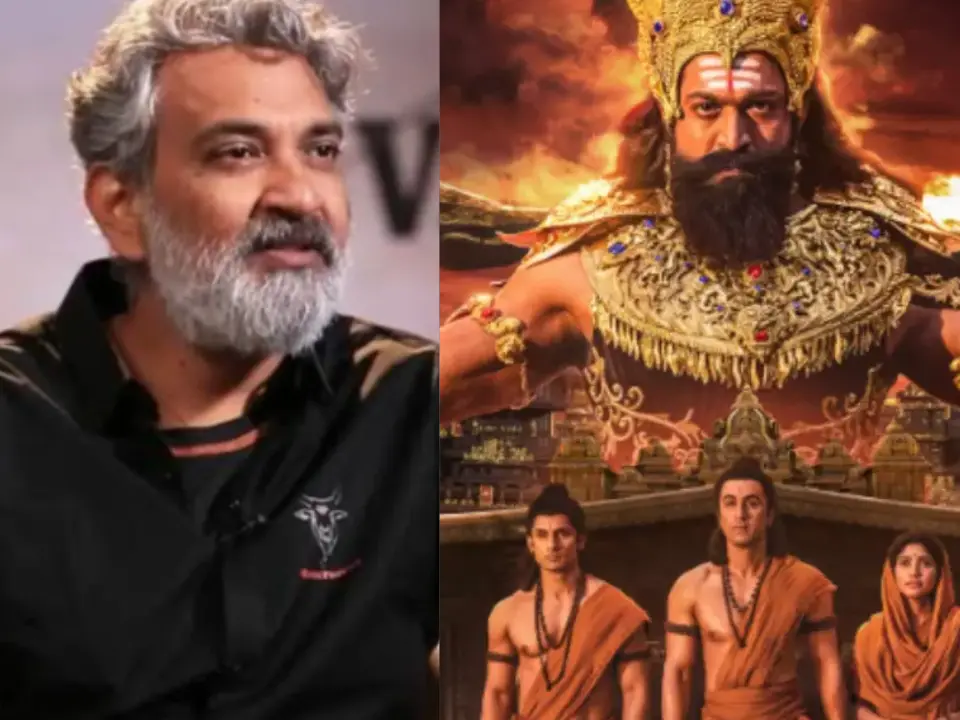
'It's a joy to see the makers bring it on such a grand scale': SS Rajamouli on Ramayana
&imwidth=180&imheight=135&format=webp&quality=medium)
Priest dies after crucifix falls on his head during livestreamed Mass in Ecuador | VIDEO
“It is because of high international crude prices,” Sitharaman said, referring to the Prime Minister’s appeal to conserve foreign exchange. “And the high crude prices are ever changing, the situation remains seriously dynamic.”
Sitharaman says economy remains resilient
Despite global headwinds, Sitharaman asserted that India’s economy continued to remain stable and resilient. She also criticised what she termed “naysayers” for attempting to create fear around the economic situation despite positive developments across sectors.
“We must also recognise that India's domestic economic situation remains positive and resilient even today,” Sitharaman said.
Highlighting key indicators, she pointed to rising GST collections, vehicle sales and insurance premiums as signs of economic strength.
“Gross GST collections crossed ₹22 lakh crore for the year 2025-26, rising 8.3%,” she said. “Domestic wholesale tractor sales rose by 26%. Passenger vehicle domestic sales grew by 25%.”
On the government’s response to global inflationary pressures, Sitharaman said the Centre had reduced excise duty on petrol and diesel by Rs 10 per litre to shield consumers and businesses from surging crude oil prices. She added that the decision resulted in a revenue impact of more than Rs 1 lakh crore for the government.
The finance minister also highlighted support measures for MSMEs, stating that the Emergency Credit Liquidity Guarantee Scheme 5.0 aims to provide an additional Rs 2.55 lakh crore in credit with full government guarantee coverage for the sector.
