Houthis unleash terror in Red Sea, the new frontline of Iran war that also targets Saudi, Israel | All major attacks this year

&imwidth=600&imheight=450&format=webp&quality=medium "Houthis unleash terror in Red Sea, the new frontline of Iran war that also targets Saudi, Israel | All major attacks this year")
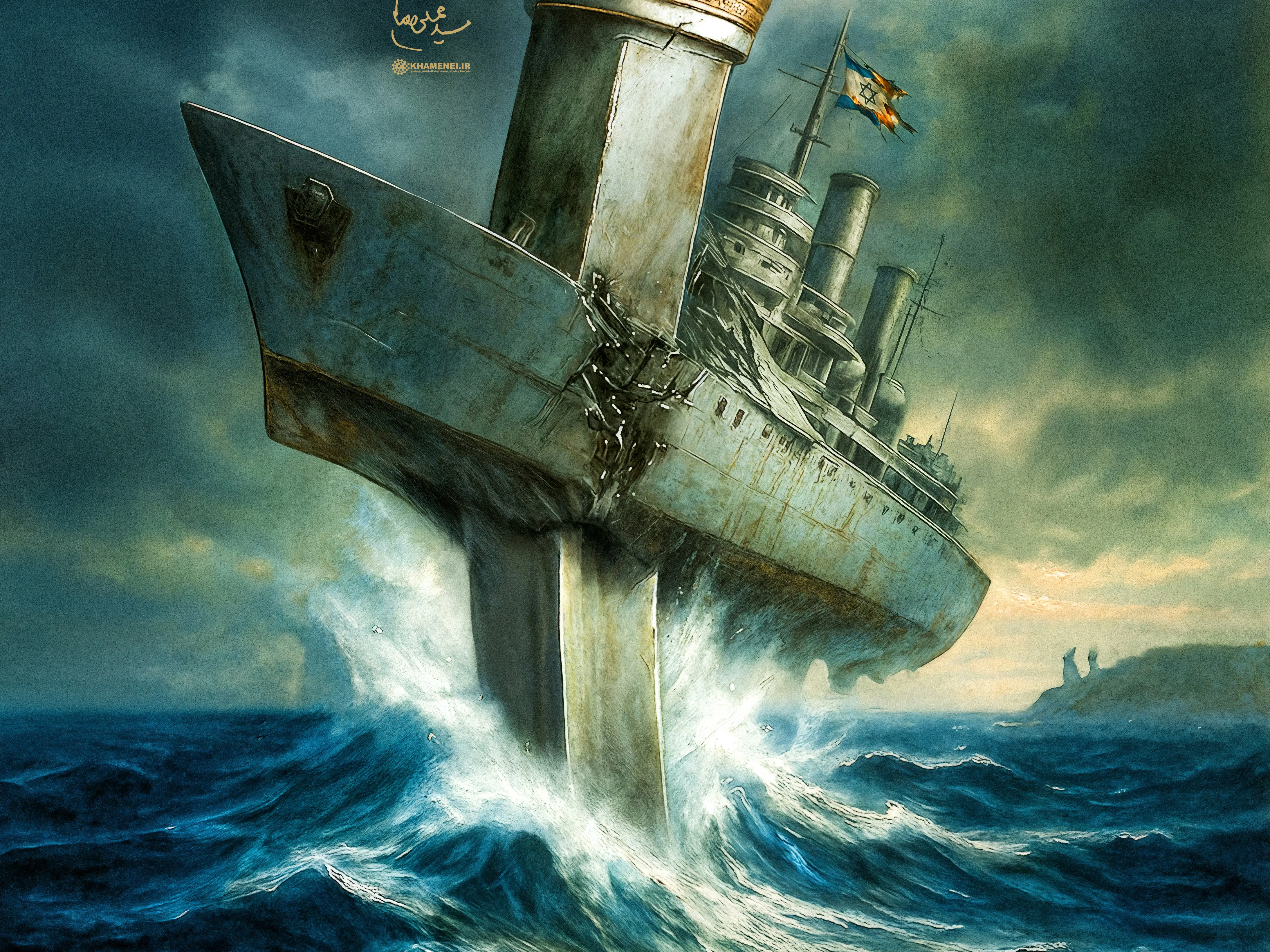
From an Iranian propaganda image of 2025 commending the Houthis for attacks on ships in Red Sea. Photograph: (Others)
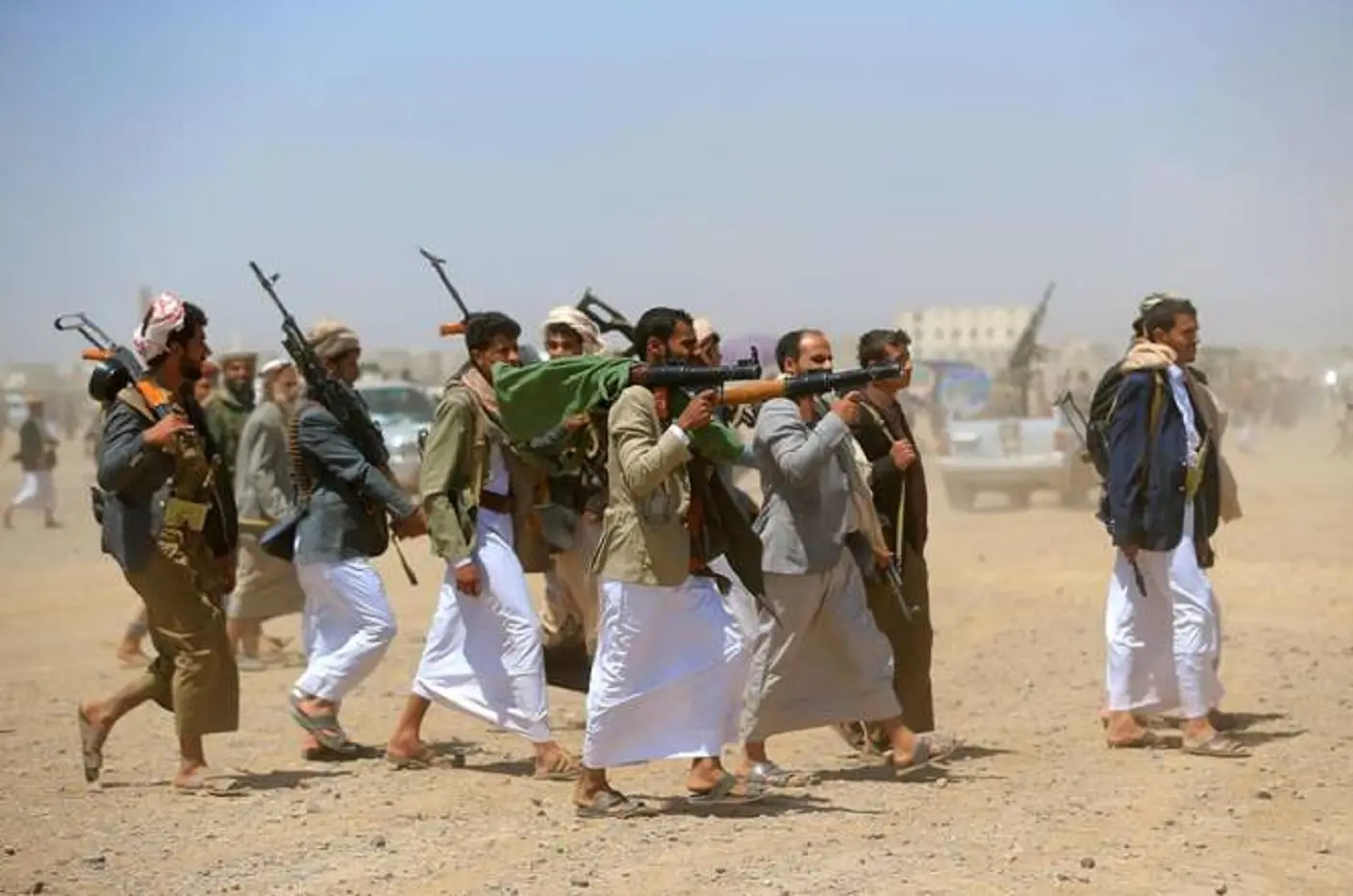
Iran-backed Houthis escalated attacks on vessels in the Red Sea and Bab el-Mandeb, particularly targeting Saudi-linked ships. The Tihamah attack that killed three crew members is a major turning point, as it involves Pakistani casualties, amid the wider Iran-US-Israel war.
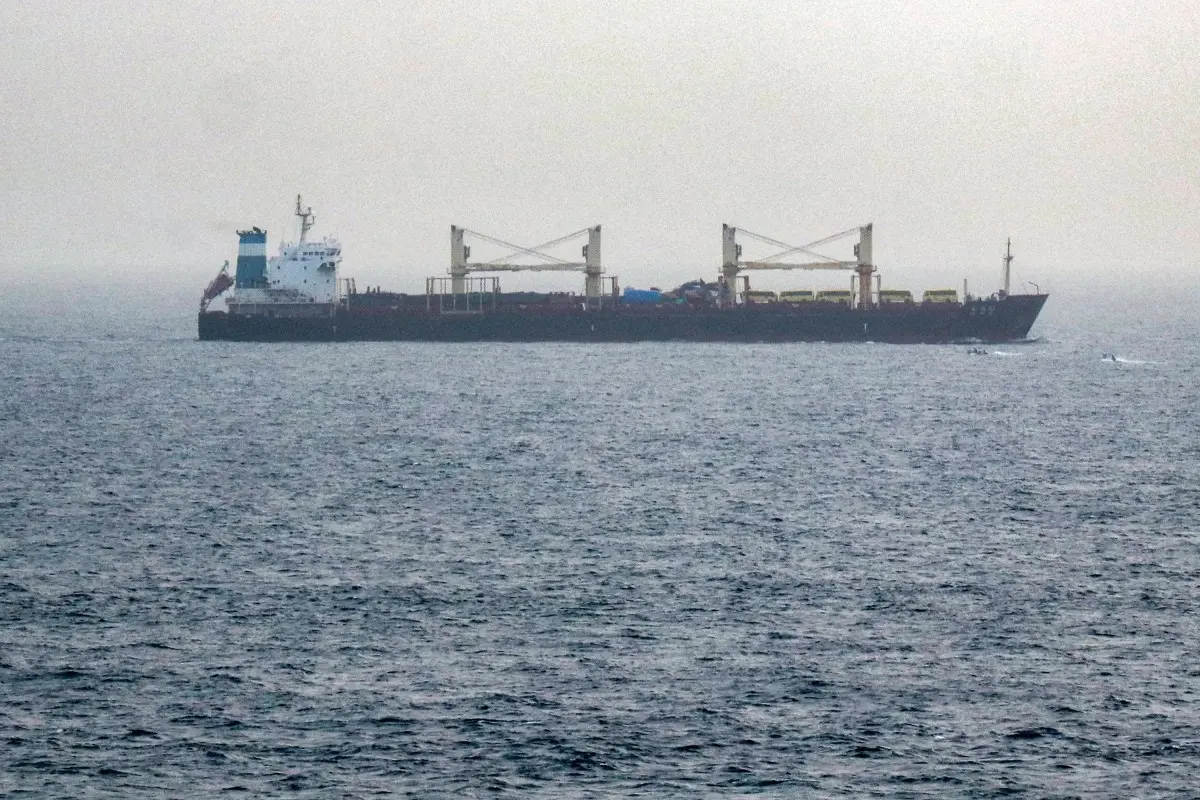
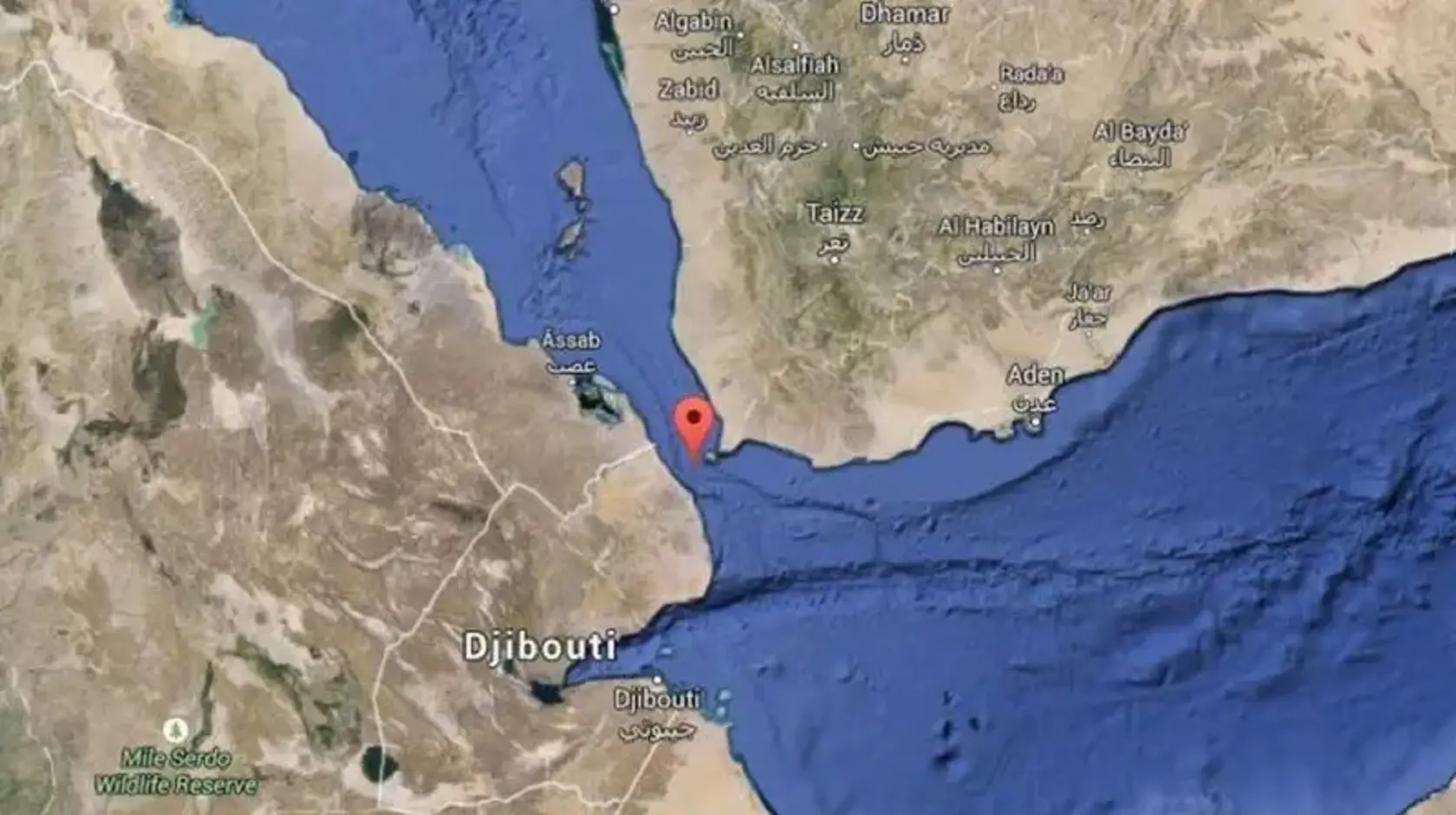
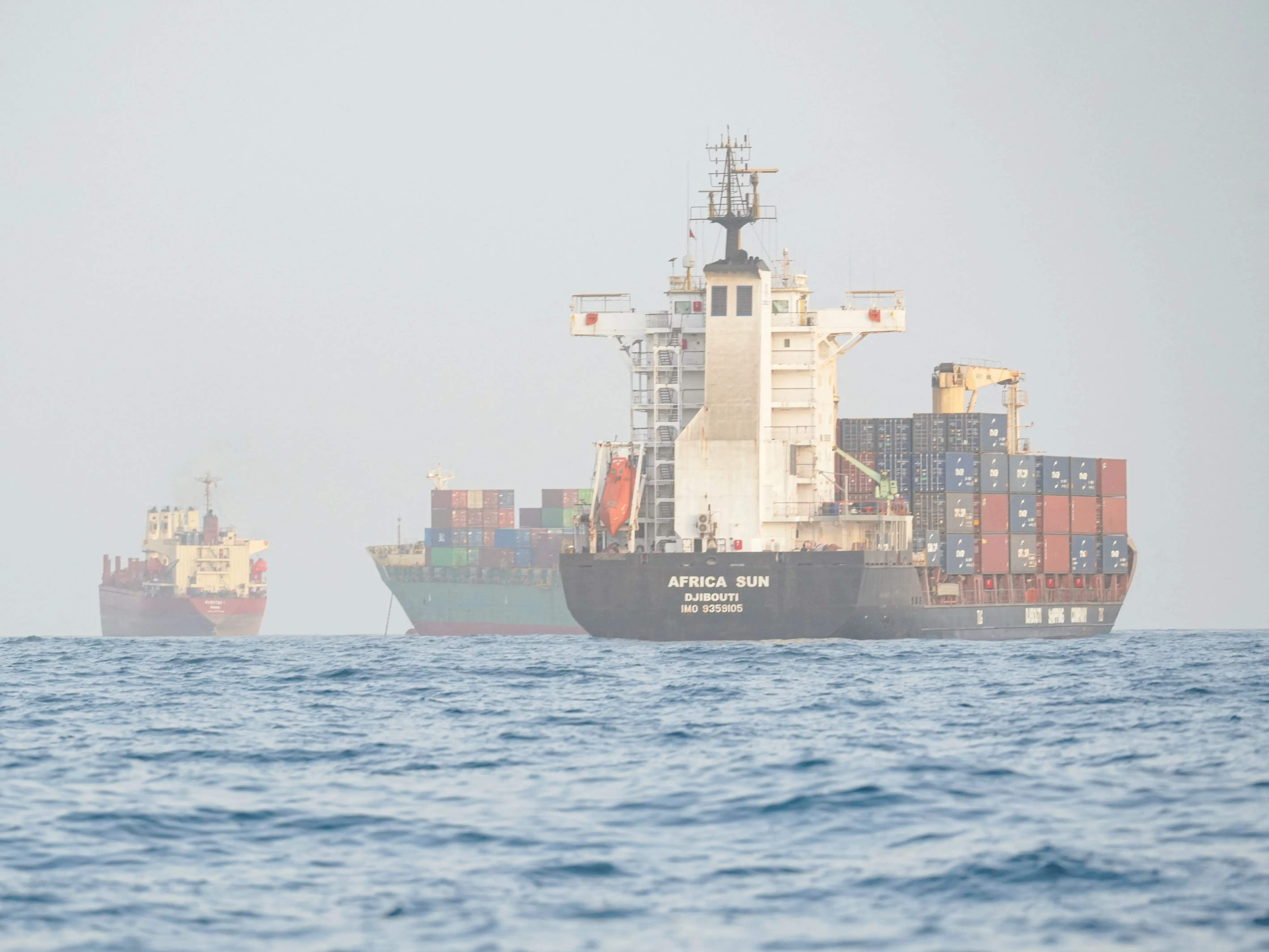
In recent weeks, Iran-backed Houthi rebels in Yemen carried out several attacks in response to the US-Israeli war against the Islamic Republic. In the latest such strike, the Tihamah, a Tanzania-flagged small cargo and multipurpose vessel, was attacked in the Bab el-Mandeb Strait on Tuesday (Aug 11). Yemeni coastguard and government sources said two Pakistani and one Indonesian crew member were killed when the ship was sailing from Salalah in Oman towards Djibouti. Houthis haven't immediately claimed responsibility, but this is becoming a pattern. In recent months, the Houthis allegedly disrupted the movement of several vessels in the Red Sea, while also renewing the missile and drone strikes that have become an aspect of the Iran war. After a lull, the attacks began in late March following the US and Israeli strikes against Iran. More specifically, Saudi-linked shipping was targeted since mid-July. This follows the Houthi naval blockade on Saudi Arabia in the Red Sea, which they called a response to the alleged Saudi siege of Yemen, an allegation rejected by the Arab kingdom.
Saudi-flagged or Saudi-linked vessels a key target of Houthis
The last few weeks have seen the Houthis using missiles, drones and unmanned surface vessels (USVs), that disproportionately target Saudi-linked ships. The aim is to threaten vessel traffic through the Bab el-Mandeb Strait. This has led to increased war-risk premiums and the rerouting of some vessels. Shipping traffic through the Bab el-Mandeb and the Strait of Hormuz has fallen sharply amid the wider regional conflict.
Key commercial vessel incidents in recent months allegedly involving Houthis
On July 22, the Saudi-flagged tanker Encelia and the Saudi-linked vessel Layla were targeted by the Houthis, who claimed to have carried out the attacks because the vessels had violated their blockade. Encelia was hit in the Red Sea, causing a fire at the bow. There were no reported casualties and the crew was safe. On July 22, the Saudi-linked vessel NCC Masa was hit while sailing in the Red Sea, damaging its hull. The ship resumed its journey after the attack, with the vessel and crew reported to be safe.
Trending Stories
)
)
)
)
)
)
)
)
)
)
)
)
)
&im=FitAndFill=(700,400))
)
)
)
)
)
)
)
)
)
)
)
)
)
)
)
)
)
)
)
)
)
)
)
)
On July 28, the Saudi-flagged oil tanker NCC Ghazal was attacked using what was reported to be ballistic missiles.
The UK Maritime Trade Operations (UKMTO), a British maritime security organisation that monitors shipping incidents, reported that a tanker had heard an explosion in the Red Sea. The crew was reported to be safe.
India-flagged vessel targeted by Houthis
On 4 August, the India-flagged MSV Faize Noore Oliya, carrying commercial goods, was struck by a projectile near Yemeni waters, south of the Al Hudaydah area. The vessel capsized and sank, but all 14 crew members- 13 Indians and one Yemeni - were rescued by Yemeni authorities and coastguard, and brought to Mokha. The Houthis did not immediately claim the attack, but Yemen's internationally recognised government blamed the group.
On 5 August, the Saudi-flagged tanker NCC Wafa was targeted in a missile strike near Yanbu in the northern Red Sea, north of the main Bab el-Mandeb zone. The same day, the Houthis also said they had targeted the Saudi oil vessel Daisy in the Gulf of Aden with a ballistic missile. The vessel was forced to turn back, while a blast was reported nearby, with minor or possible shockwave damage, reports had said, which added that the crew safe.
Tihamah attack is the first major Houthi attack that led to fatalities
The attack on Tihamah on Tuesday is the first reported incident in this latest escalation to result in fatalities among a commercial vessel's crew. Reports said the vessel suffered heavy damage, with a possible follow-up strike raising concerns about the safety of rescue efforts. The Houthis haven't claimed the attack at the time of writing.
Houthi actions are rising in the broader war zone
Beyond the incidents mentioned above, the Houthis have claimed additional attacks on Saudi-linked vessels as part of their blockade.
Earlier in March, the Houthis resumed missile and drone strikes targeting Israel. The group launched its first attacks on Israel since the Gaza ceasefire on 28 March, saying the strikes were in support of Iran during the US-Israeli war. Some of the missiles and drones have been intercepted or failed to hit their targets. There have also been reports alleging that Iran has been coordinating with the Houthis, including reports of Iranian Islamic Revolutionary Guard Corps (IRGC) advisers arriving in Sanaa.
Houthis target Saudi oil infrastructure
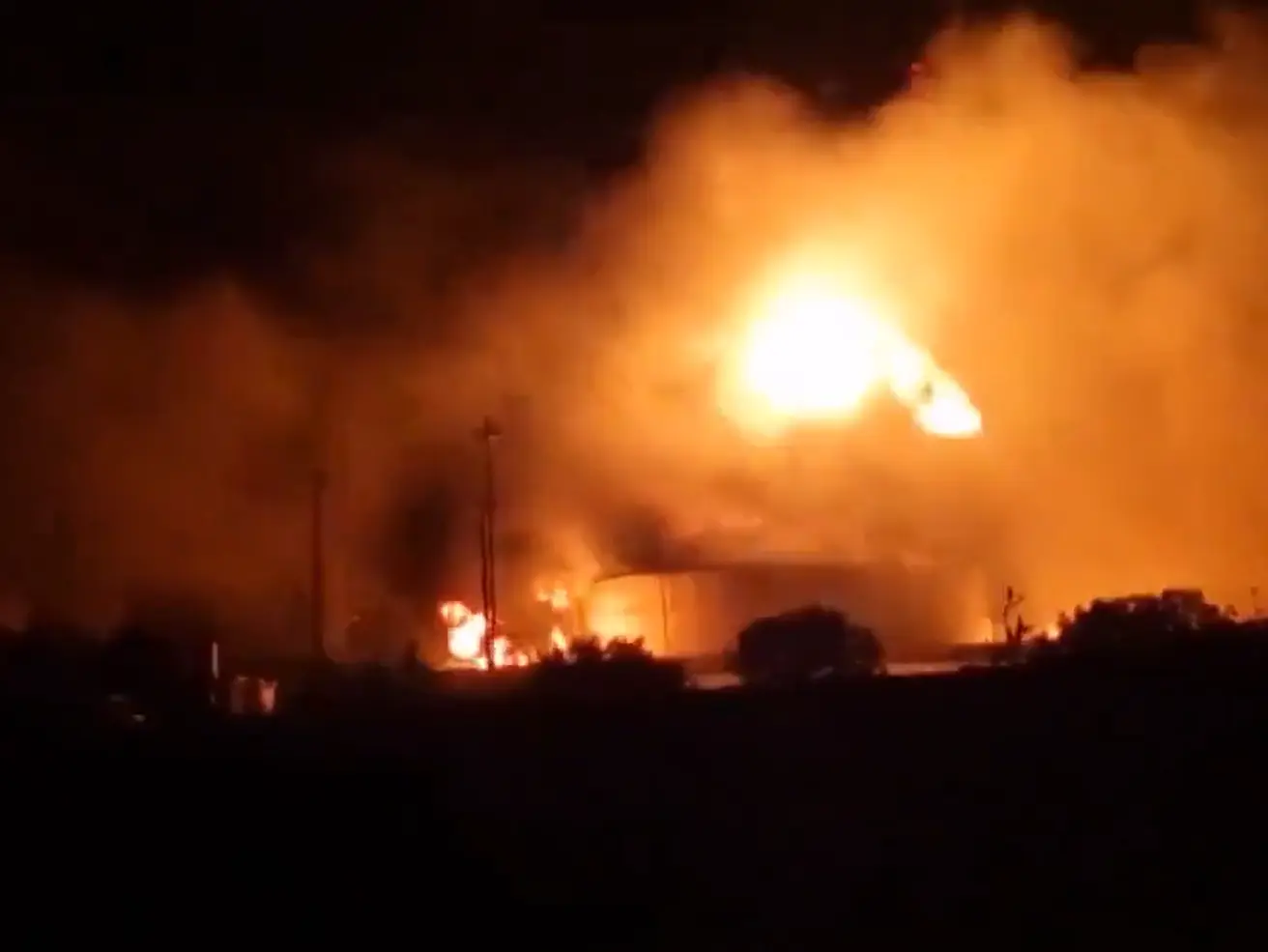
There have been reports of attacks affecting Saudi Aramco-related sites in Jizan and Yanbu in late July. A drone strike was reported against a refinery complex in Jazan in early August. Some of these attacks were successfully intercepted or thwarted.
Houthi attacks have also increased inside Yemen, targeting government-held areas such as the port city of Mokha. On August 9, a Houthi attack there killed at least seven people, including four military personnel and three civilians, and wounded about 30 others. The attack involved ballistic missiles and drones. The Houthis said they were targeting Saudi troop concentrations and weapons depots. But the Yemeni military said civilian areas and infrastructure were also hit.
Red Sea made into a strategic leverage point by Iran via the Houthis
The resumption of Houthi involvement is widening the Iran-US-Israel war into a conflict that increasingly involves Saudi Arabia. This has complicated commercial vessel traffic, given the blockades and confrontation between US-led forces and Iranian forces around the Strait of Hormuz.
Disruptions in the Strait of Hormuz elevated the strategic significance of Red Sea and Bab el-Mandeb routes for some energy shipments, both of which are accessible to the Houthis and vulnerable to attack.
The situation has effectively created two major maritime pressure points in the region. Iran's disruption of shipping through the Strait of Hormuz had increased the importance of alternative routes through the Red Sea and the Bab el-Mandeb. The Houthi blockade of Saudi-linked shipping threatens those alternative routes. This gives the Houthis a significant ability to exert pressure on regional shipping and energy flows, while also providing Iran with an additional strategic lever in the wider conflict.