
&imwidth=800&imheight=600&format=webp&quality=medium "Two Pakistani killed in Houthi attack in test for Iran war mediator")
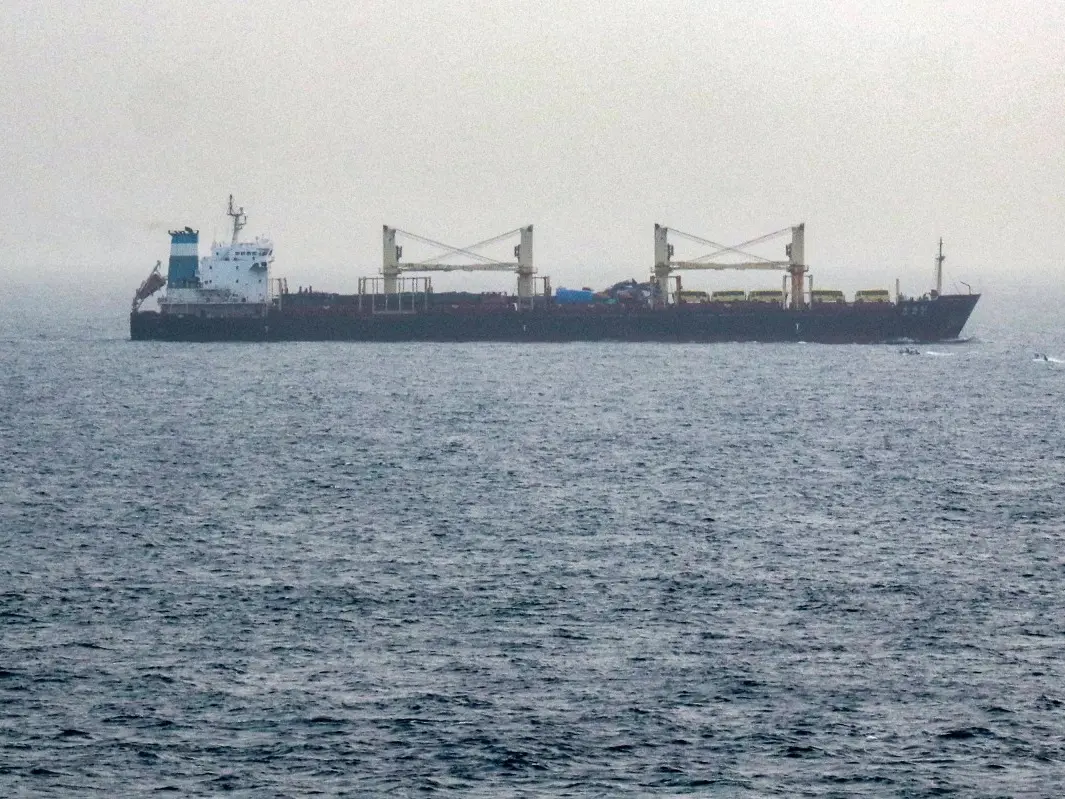
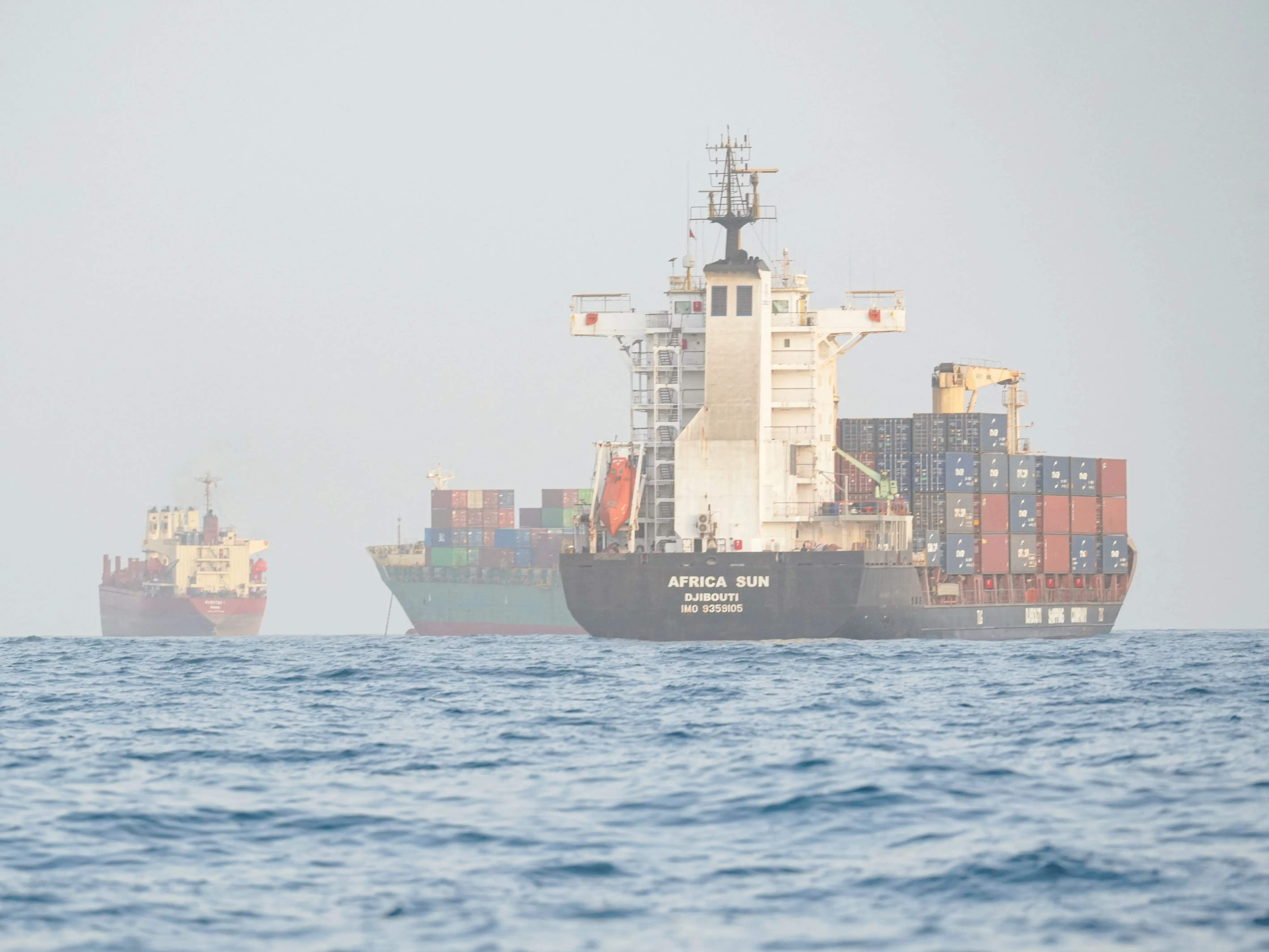
The killing of two Pakistani nationals in a Houthi attack on a commercial vessel in the Bab el-Mandeb Strait has raised a major question: will Pakistan now be drawn directly into the widening Middle East conflict? At least three crew members were killed after a deck cargo ship was attacked in the Bab el-Mandeb Strait, according to Yemeni coast guard sources and military officials cited by news agency Reuters. The victims reportedly included two Pakistani nationals and one Indonesian national.
The Tanzania-flagged Tihamah was sailing from Salalah in Oman towards Djibouti when it came under attack. The Houthis have not yet claimed responsibility for the incident. The attack comes at a particularly sensitive moment for Pakistan. Just days ago, Pakistan, Saudi Arabia and Türkiye signed a landmark mutual defence agreement in Makkah under which an armed attack against one member is to be treated as an attack against all three.
That agreement was signed as Saudi Arabia faces growing attacks from Iran-aligned forces, including the Houthis. A Houthi drone attack on a Saudi Aramco facility in Jazan was reported shortly after the pact was signed. The deaths of Pakistani crew members in the latest Red Sea attack could therefore put additional pressure on Islamabad to clarify how far it is prepared to go.

Will Pakistan join the war?
For now, the answer is not necessarily. The deaths of Pakistani citizens could increase domestic and diplomatic pressure on Islamabad, but they do not automatically mean Pakistan will enter the conflict militarily. The new Pakistan-Saudi-Turkiye agreement is designed as a collective defence arrangement, but its practical application will depend on the circumstances of an attack and the decisions taken by the three governments. Analysts have also described the pact as a deterrence mechanism rather than an unconditional guarantee of military intervention.
The key question, therefore, is whether the attack on the Tihamah is treated as an attack that triggers Pakistan's obligations under the new pact. That distinction could become crucial. The ship was Tanzania-flagged, and the reported victims were Pakistani and Indonesian crew members. The incident therefore differs from a direct attack on Pakistani territory, military forces or a Pakistani-flagged vessel. Islamabad could condemn the deaths, demand an investigation and increase maritime security without immediately deploying combat forces.
Trending Stories
)
Asian Games: Shooting spree continues as India win silver in women’s 50m rifle 3P team event
)
Bollywood mourns Mushtaq Khan: Sunny Deol, Rajpal Yadav and others pay tribute
)
'A terrorist country is asking me that question?': Jaishankar hits back at Pakistani journalist at UN; flags attacks on commercial shipping
&im=FitAndFill=(700,400))
New Friday OTT releases (September 25, 2026): Don’t Be Shy, Hunkkaar: The Roar, Mango Pachcha- 6 movies and TV shows on Netflix, Prime Video and more
)
India's UN Envoy slams Pakistan: 'They claim security by day, terrorism by night'
)
10,000 gather in support of 87-year-old forcefully evicted from home of 71 years
)
Indian diplomat Petal Gahlot raises deteriorating situation in Pakistan-occupied Kashmir in right of reply at UN
)
US court backs Pentagon's decision to exclude Anthropic over Claude AI restrictions
)
OpenAI AI Agents hacked 4 websites before Hugging Face, researchers reveal
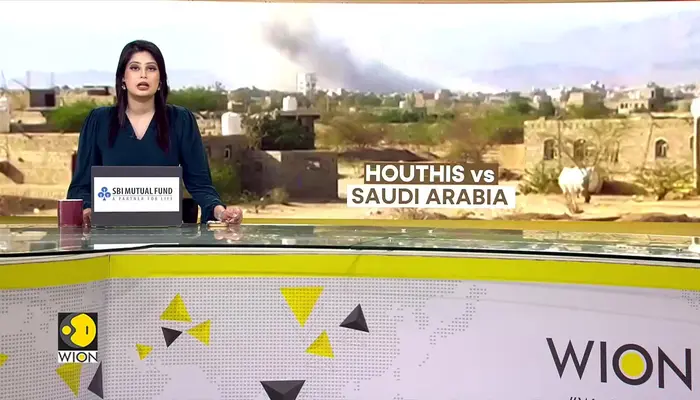)
Yemen's war escalates: Saudi-backed leader calls for general mobilisation against the Houthis
)
'FIRST LOOK from inside Noah’s Ark': Researchers share video from inside mysterious mound in Turkey
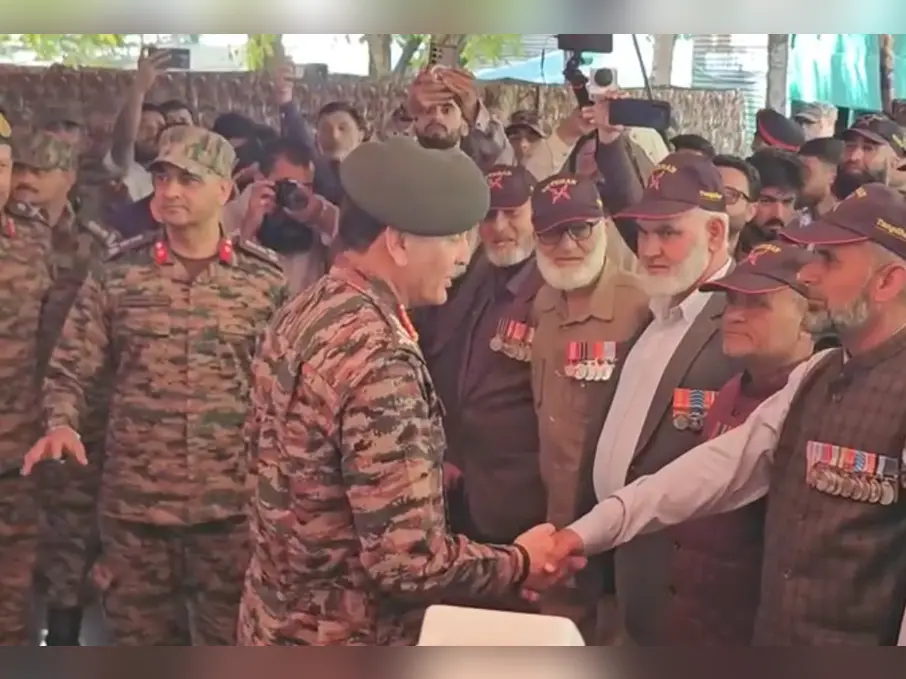)
Army chief reviews operational preparedness along LoC, visits mega eye camp in Tangdhar
)
Pentagon quietly adds 37 wounded troops to Iran war tally without explaining when or how
)
Heart of the Beast review: Brad Pitt leads a gripping tale of survival and loyalty
)
Myanmar training camp case: US national, 6 Ukrainians allowed to meet their families abroad
)
Scientists detect first radio signals directly from faraway planet
)
Did Hitler kill his niece Geli Raubal? Newly found records reopen a 95-year-old mystery
)
Bias or safety concerns? Bengaluru CEO says firm will not hire men from UP, Bihar, Rajasthan, MP. Here's why
)
Gaza's war turned environmental damage into second crisis
)
Trump rejects Iran's 7-day ceasefire proposal as US weighs renewed bombing after midterms: Report
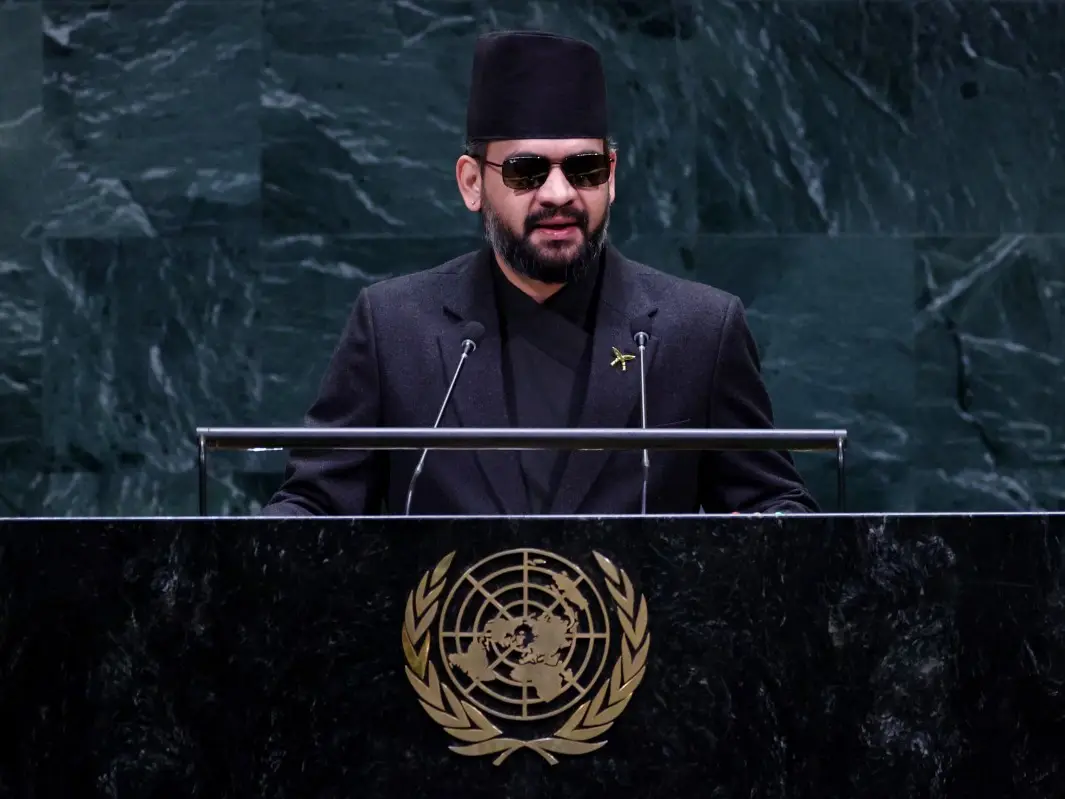)
‘Not just a local tragedy’: Nepal PM Shah warns UN of growing climate threat, says Nepal floods were 'a warning to the world'
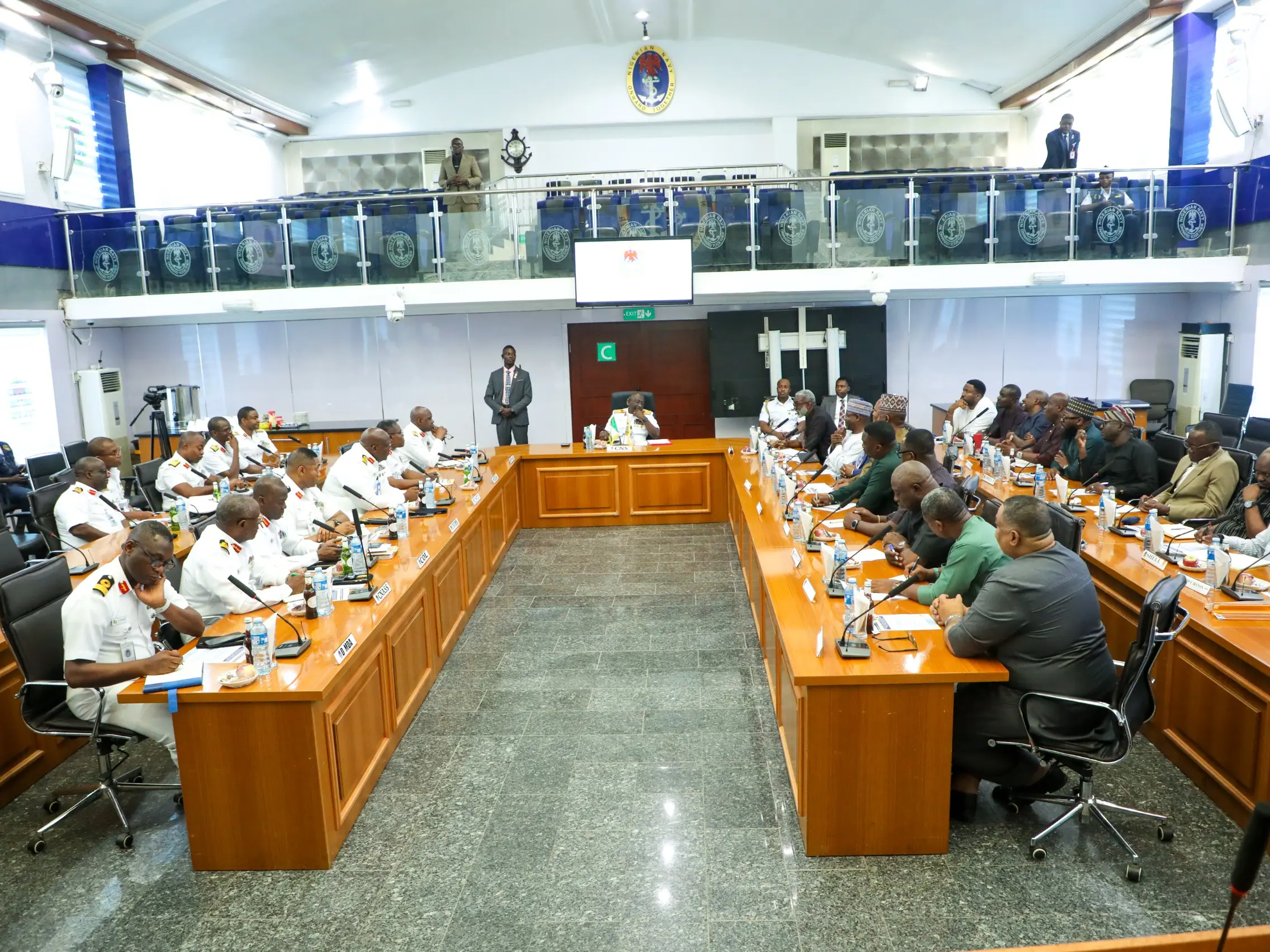)
Nigeria Navy moves to boost oil security, tackle crude theft and infrastructure threats
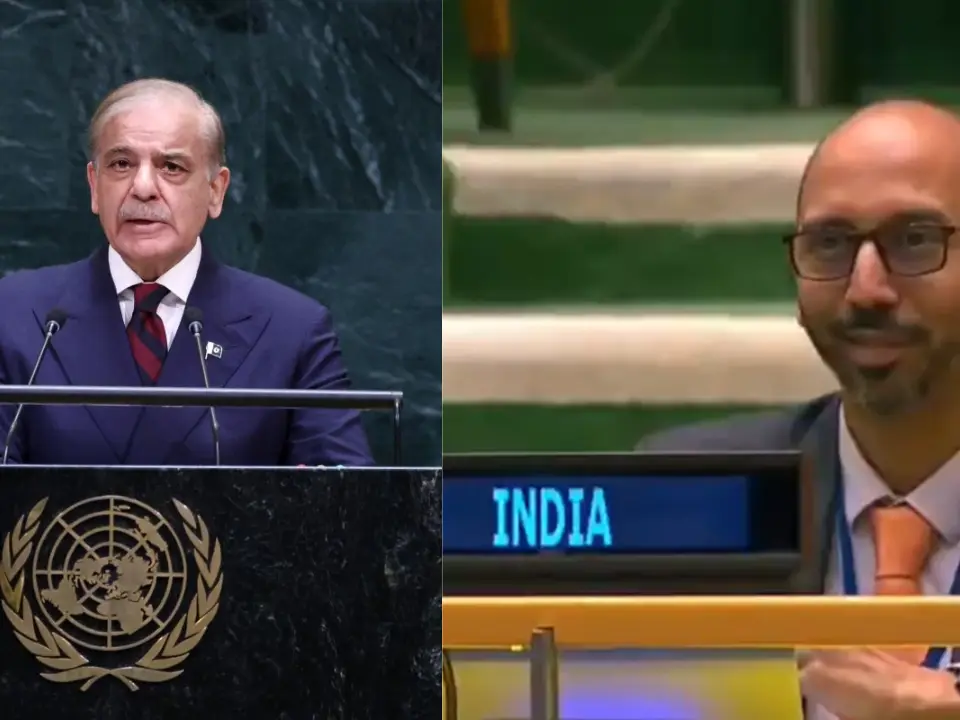)
WATCH | As Shehbaz Sharif claims Pakistan’s ‘victory’ during 2025 conflict, Indian diplomat R Srinivas laughs at UN
)
Jay-Z rape case: Accuser says allegations were false, never met rapper
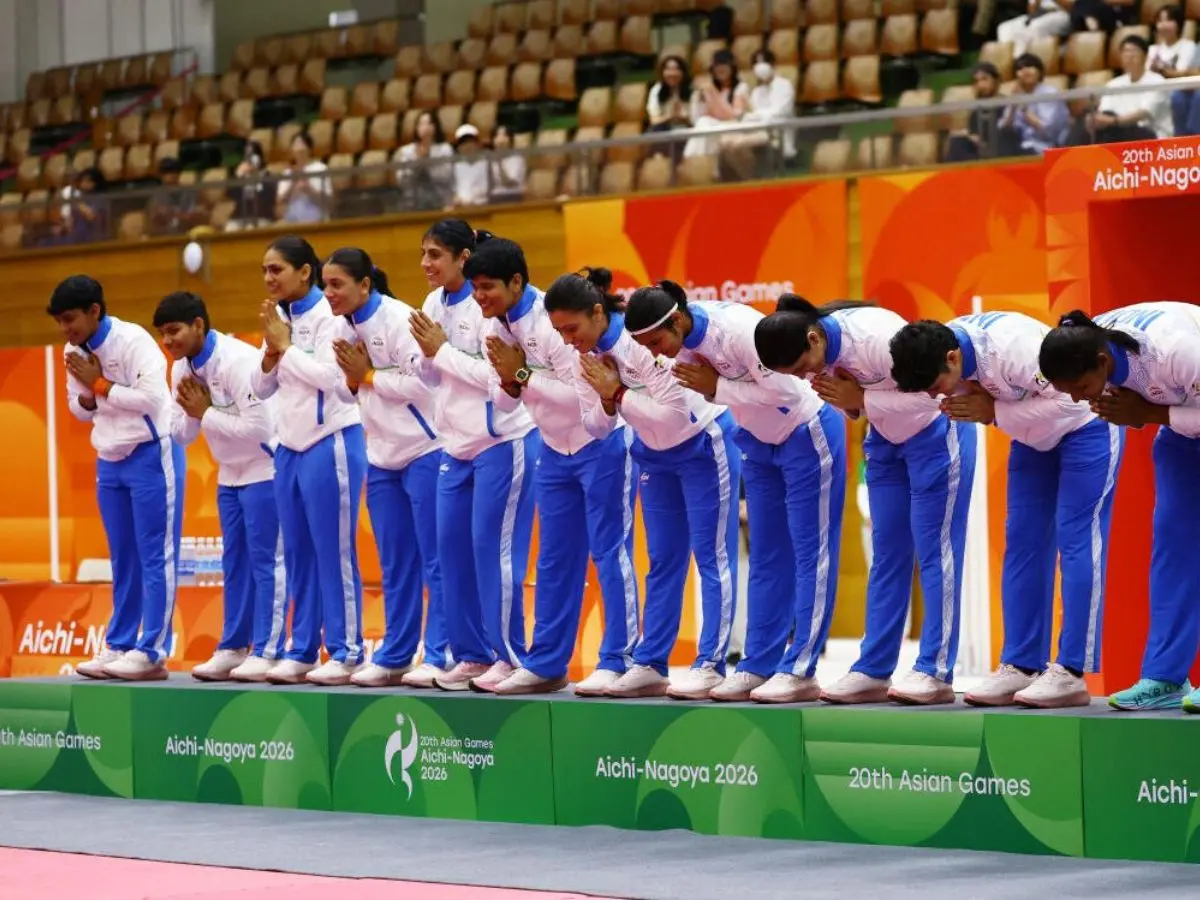)
Asian Games 2026: India women’s kabaddi team edge Iran 37-34 to clinch 3rd gold medal
)
Cindy Crawford’s son Presley Gerber cremated as death probe continues
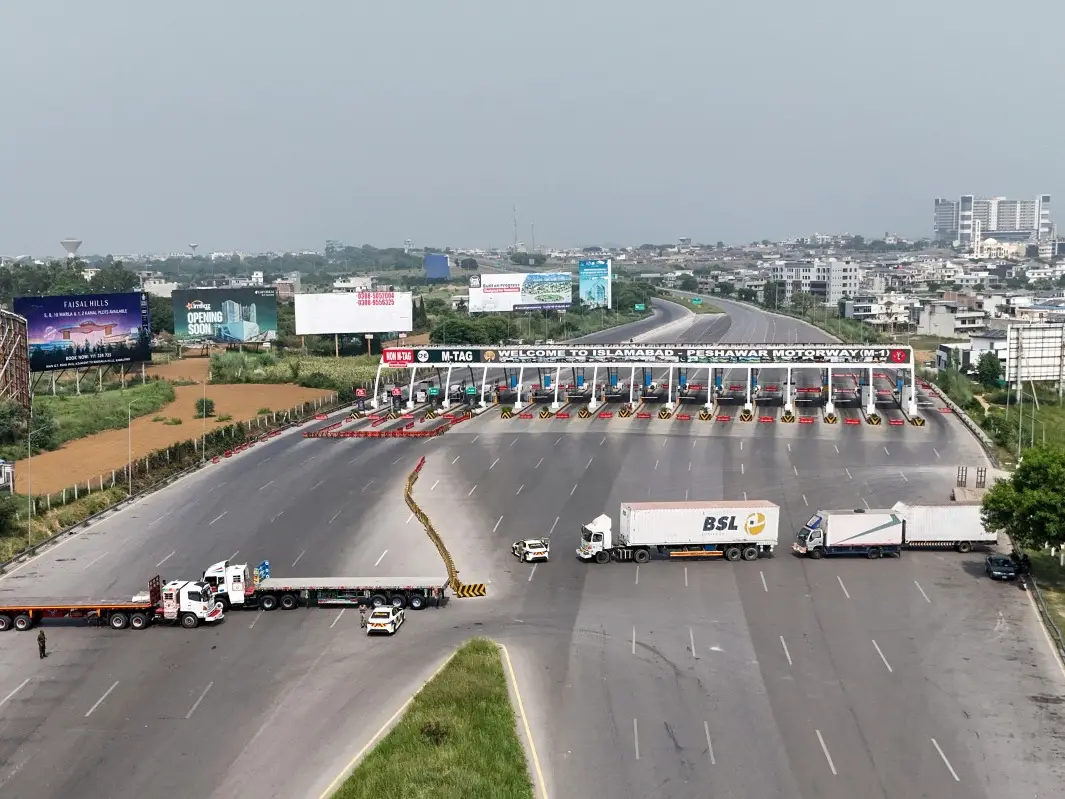)
Pakistan deploys over 20,000 security personnel as PTI vows march for Imran Khan's release
)
Saudi oil exports surge despite Iran war
)
'Making history': Xi Jinping praises Trump as US-China leaders dine at White House
)
Tesla is preparing something big for Optimus: new Gen 3 models surface in app
)
US Supreme Court backs Trump administration's use of SAVE database to check voter citizenship
)
‘It is all possible’: Putin weighs next steps on Ukraine talks, rules out Europe conflict
)
Outrage erupts after 3-year-old is married to 60-year-old man in Pakistan, link to her sister's murder being probed
)
Trump-Xi summit wrap: Big pageantry, Iran talks, few major developments and more meetings planned
)
Red Sea crisis: Houthis promise not to target European ships; UNSC condemns Saudi attacks
)
‘Attack on Mecca a red line for Pakistan’: Shehbaz Sharif warns Houthis at UN
Why the new tripartite pact matters
The timing of the attack has put the newly signed defence agreement under an early spotlight. Pakistan, Saudi Arabia and Türkiye signed the agreement in Makkah on August 7, establishing a framework for collective defence. The pact has been compared with NATO-style mutual defence arrangements because an attack on one member is to be regarded as an attack on all.
Saudi Arabia is currently the member facing the most immediate threat from the Houthis. The Iran-aligned Yemeni group has already declared a naval blockade against Saudi Arabia and has carried out attacks affecting Saudi interests. A Houthi strike on a Saudi Aramco facility was reported just days after the defence pact was signed. That means the pact could face its first major test in Yemen and the Red Sea. For Pakistan, however, there is a major difference between supporting Saudi Arabia's security and entering a broader war against the Houthis or Iran-aligned forces.
The Pakistani connection makes the latest attack more sensitive
The presence of two Pakistani nationals among those killed changes the political optics of the attack. Pakistan has historically maintained close military and strategic relations with Saudi Arabia, while also seeking to avoid being pulled into conflicts involving regional powers. Islamabad has previously positioned itself as a potential mediator in Middle Eastern conflicts. Any decision to deploy forces could therefore represent a major shift in its regional policy.
At the same time, the deaths of Pakistani citizens could make it increasingly difficult for the government to remain completely detached if attacks on commercial shipping continue. The question will be whether Islamabad responds through diplomatic channels, maritime security measures or direct military cooperation with Saudi Arabia.
Could Pakistan deploy its military?
A direct Pakistani military intervention remains far from certain. Pakistan could potentially strengthen maritime surveillance, provide intelligence, assist in protecting Saudi territory or participate in defensive operations without declaring war or launching offensive operations against the Houthis.
A larger military deployment would carry considerably greater risks. Pakistan would have to weigh its relationship with Saudi Arabia against its broader regional interests, its relationship with Iran and the possibility of becoming directly involved in a conflict that could spread across the Red Sea and Gulf. The government would also have to consider domestic political reaction and the economic consequences of a prolonged military engagement.
Why Bab el-Mandeb matters?
The Bab el-Mandeb Strait, known as ‘Gate of Tears’ because of its historically treacherous sailing conditions, is one of the world's most strategically important maritime chokepoints. It connects the Red Sea with the Gulf of Aden and provides a crucial shipping route between Europe, Asia and the Middle East. The strait has become even more significant as the Strait of Hormuz remains shut amid the wider regional conflict.
The Houthis have repeatedly threatened to disrupt shipping through Bab el-Mandeb. Around 12% of global trade passes through the waterway, making any sustained disruption a major concern for international commerce. Kpler data showed that an average of 32 ships per day passed through Bab el-Mandeb last week, compared with around 50 vessels per day before the blockade, according to Reuters. The latest attack could therefore have consequences far beyond Yemen.
What happens if more Pakistani nationals are killed?
This could become the biggest test for Islamabad. If further attacks kill or injure Pakistani citizens, particularly if Pakistani-flagged ships or military personnel are targeted, pressure on the government to take a stronger position could rise sharply. A direct attack on Saudi Arabia would create another complication.
Under the new Pakistan-Saudi-Türkiye defence framework, an attack on a member is to be treated as an attack on all three. But the pact's practical response would still depend on political consultations and the nature of the attack. This leaves Pakistan with several possible responses, from diplomatic condemnation and intelligence cooperation to defensive military assistance. A full-scale entry into the war would be the most consequential option and, at present, cannot be assumed from the deaths aboard the Tihamah alone.
Will Pakistan join the war now?
The short answer is: not necessarily — but the pressure on Islamabad is increasing. The deaths of two Pakistanis in the Bab el-Mandeb attack come at a highly sensitive moment, just days after Pakistan, Saudi Arabia and Türkiye created a new mutual defence framework. If the Houthis escalate their attacks against Saudi Arabia, target Pakistani assets or citizens again, or directly threaten the territory of a pact member, Pakistan could face a much more difficult decision.
For now, Islamabad has room to respond diplomatically and defensively without becoming a direct combatant. But if the Red Sea crisis escalates and the new defence pact is formally invoked, the question of whether Pakistan will join the war could move from speculation to an immediate strategic decision.

