&imwidth=800&imheight=600&format=webp&quality=medium "Fog of war: Eight signs that Iran-US-Israel conflict is not over despite Trump's five-day pause announcement")
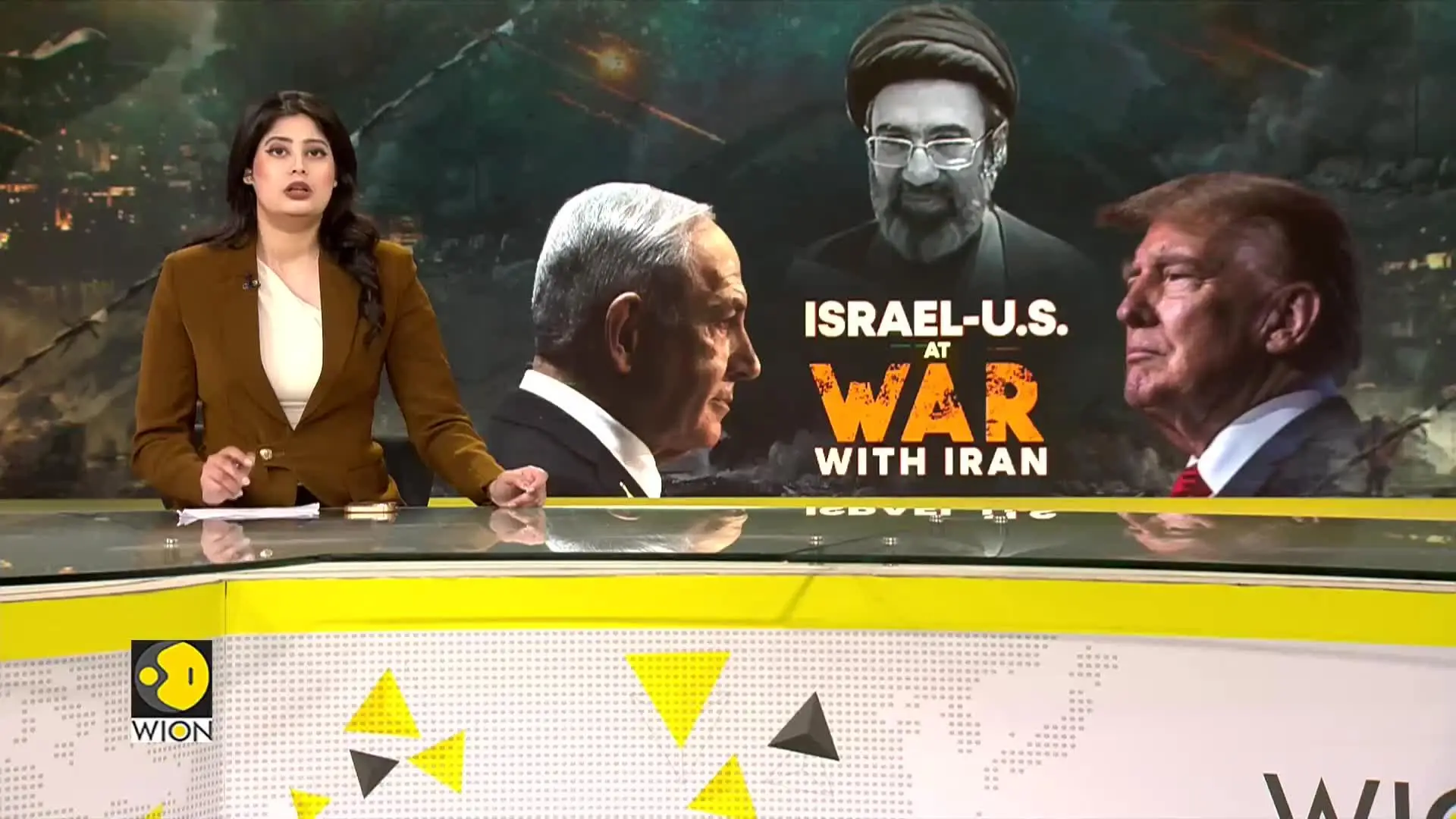
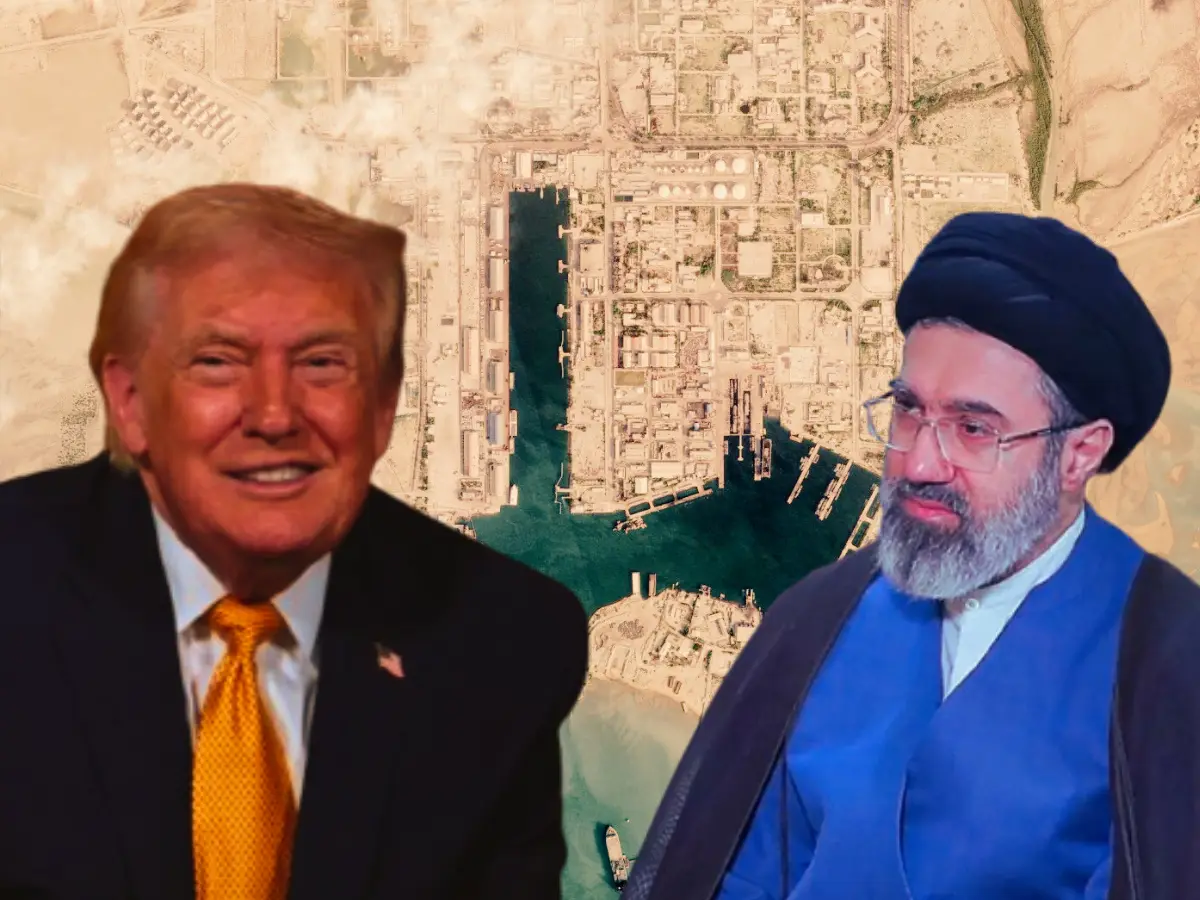
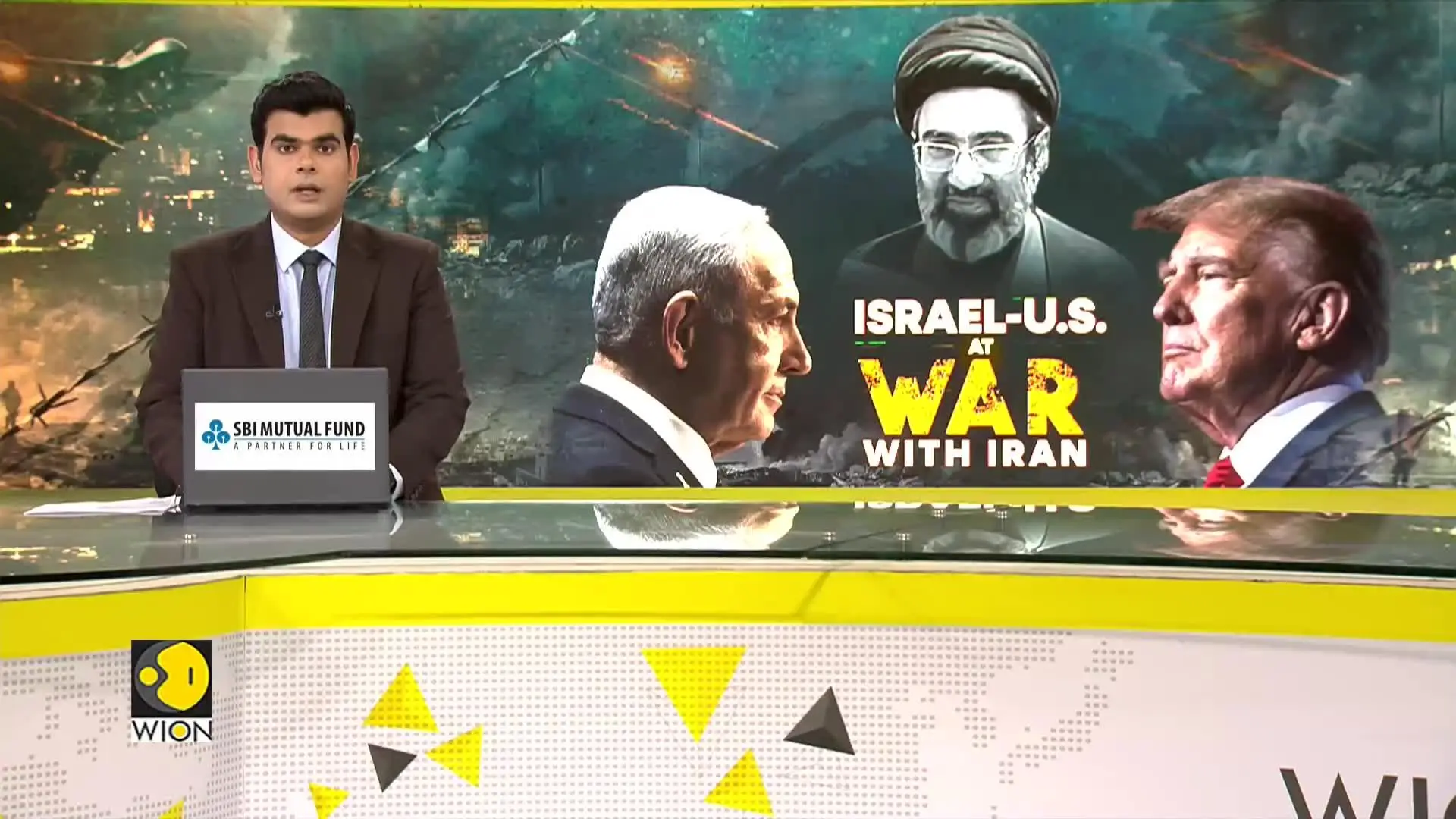
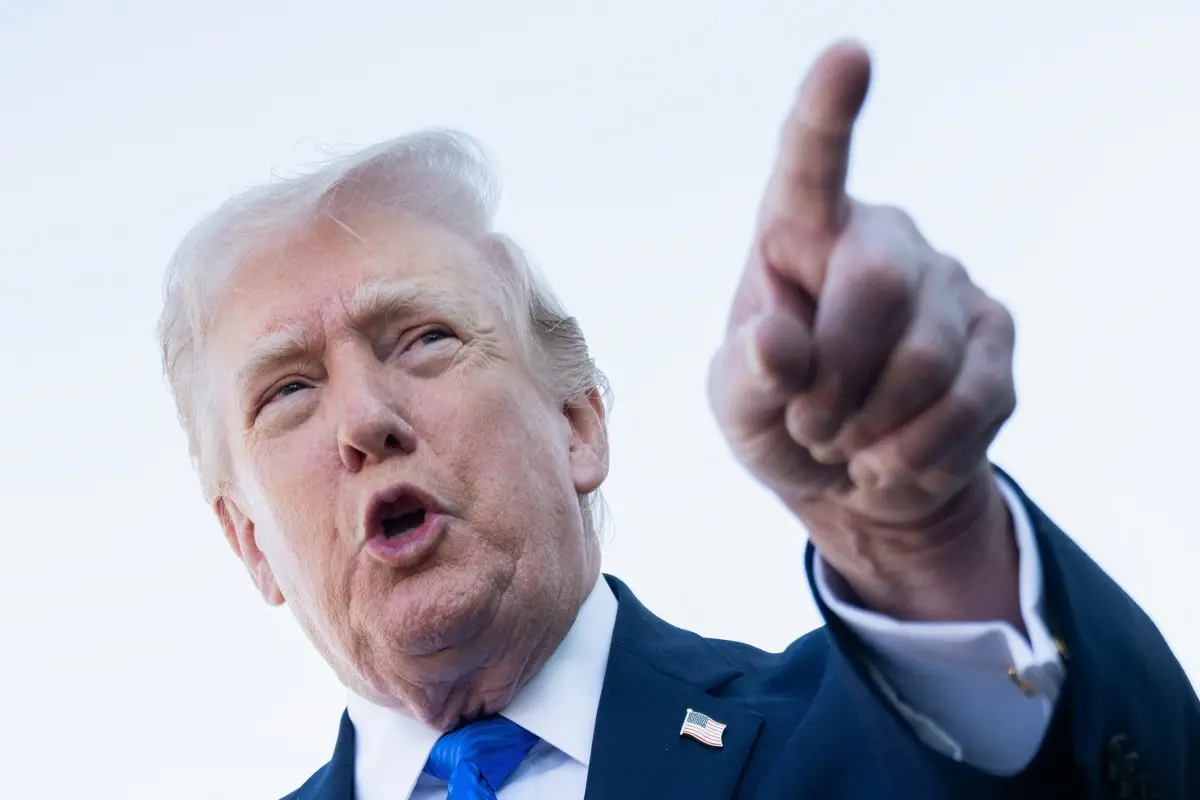
Is the Iran war over? There are many conflicting reports on the status of the ongoing US–Israel–Iran conflict, hours after US President Donald Trump on Monday (Mar 23) announced a five-day pause on attacks on Iranian energy and power infrastructure. There is widespread scepticism about the war ending any time soon, as attacks and counterattacks continue, and little has changed regarding the Strait of Hormuz blockade. Here are eight reasons the war is far from over:
1. US Marines continue to reach CENTCOM for Middle East deployment
Reports indicate that thousands of additional US Marines, including from the 31st Marine Expeditionary Unit aboard amphibious ships such as USS Tripoli, are continuing to deploy or arrive in the US Central Command (CENTCOM) area of responsibility. The build-up was ordered before Trump announced the pause, but its objectives include securing the Strait of Hormuz, ensuring maritime security, supporting evacuations, and potentially conducting limited ground missions to protect shipping lanes or strategic islands. This sustained mobilisation signals that Washington is preparing for escalation scenarios in the near future.

2. Iran, US and Israel continue air strikes and missile attacks
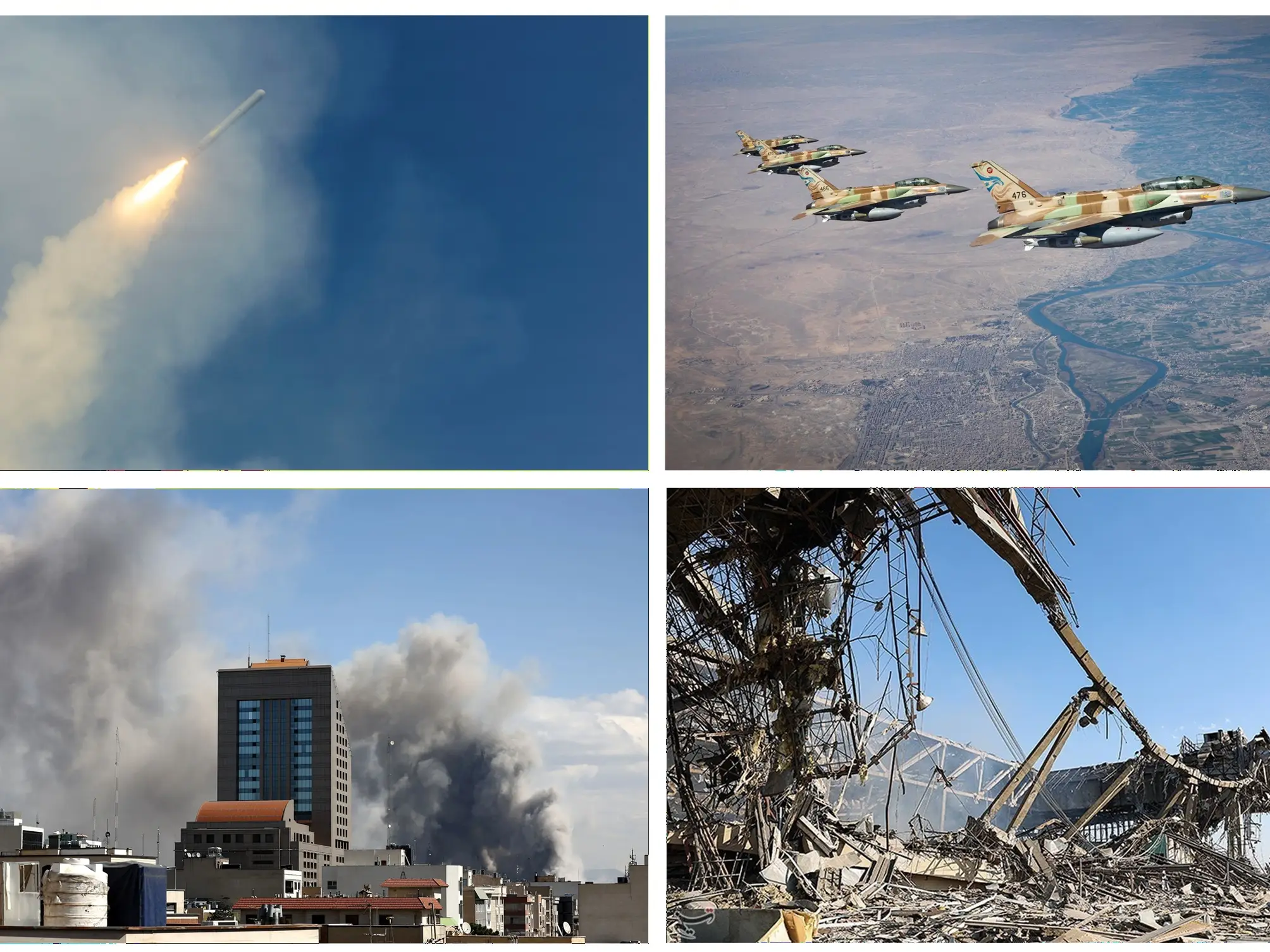
Reports following Trump's pause announcement indicate that Israel has carried out airstrikes on Tehran and other Iranian targets, including weapons sites and power infrastructure. Strikes by the US and Israel have reportedly targeted a natural gas pipeline linked to a power plant in Khorramshahr. Power outages were recorded in Tehran after the strikes. Iran, meanwhile, continued launching missiles and drones at Israel, hitting both southern and northern regions. Israeli Prime Minister Benjamin Netanyahu has publicly vowed to “keep striking” Iran and Hezbollah positions in Lebanon.
Trending Stories
)
The Early Spring is proof not everyone can talk about their real feelings, and it is perfectly OK
)
UN votes to ‘correct the map’ as India backs fairer world view
)
Nigerian Navy discovers 99,000 litres of suspected stolen, illegally refined products as it intensifies anti-crude oil theft operations
)
Who is Aditi Paudel? 17-year-old becomes Japan's first literacy ambassador
)
Bengaluru: Officials find 40 kg expired chilli at chairman's club
)
Jaishankar rejects trade link to ending Ukraine war
)
Israeli strikes on Lebanon kill three, injure 23 despite truce
)
Alpine glacier was covered with sheep wool sheets to prevent melting. It worked
)
South Korea mulls deploying military assets to Strait of Hormuz
)
World's fifth-largest economy, British army can't afford to train
)
Breaking | Vance takes the podium: First White House briefing since Leavitt's exit
)
Taiwan raises 'concerns' over China's missile test
)
BRICS 2026: $1 trillion sovereign capital set to converge in Delhi for first iBRICS Summit
)
What is Iran's Pickaxe Mountain that Trump has again threatened to bomb?
)
UN votes to correct world map that visually shrank Africa for 450 years
)
Former NewJeans member Danielle launches YouTube channel, hints at new solo journey
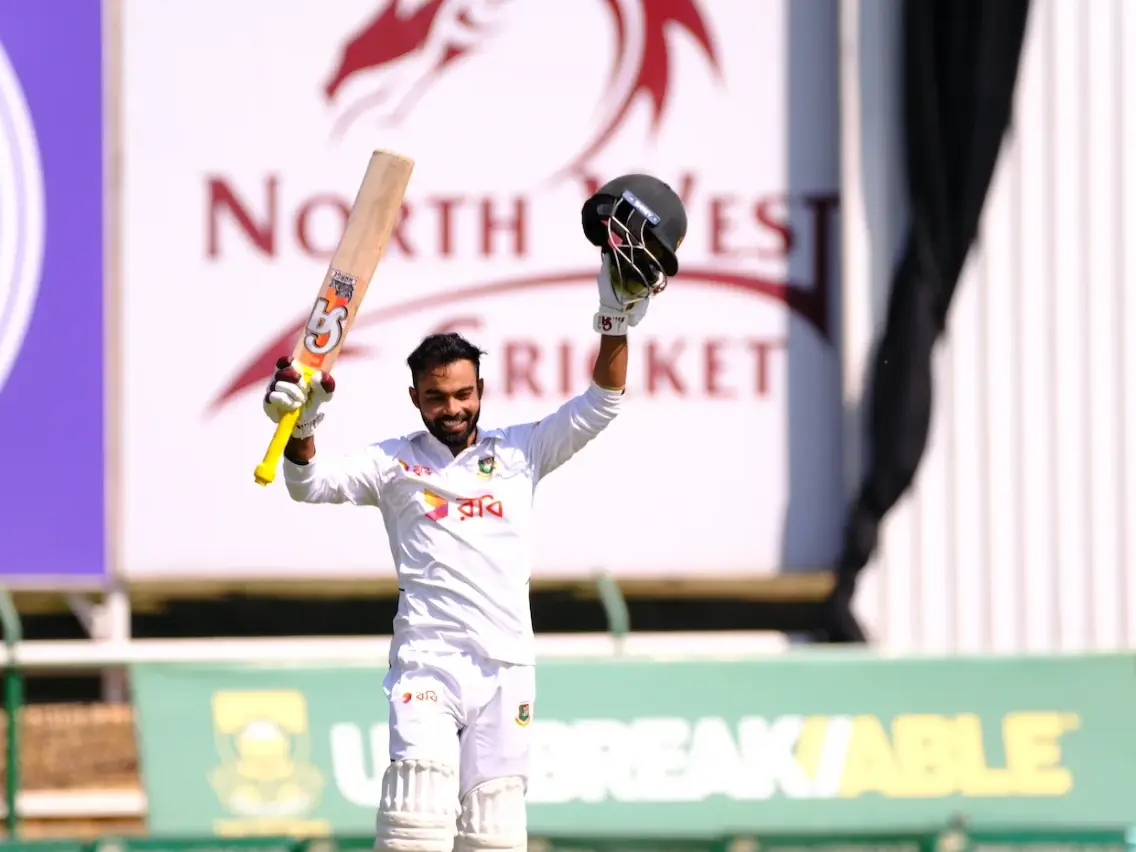)
Bangladesh batter Towhid Hridoy creates history with 350 not out in South Africa
)
Brendan Fraser’s transformation fuels The Mummy 4 excitement as fans welcome back Rick O’Connell
&im=FitAndFill=(700,400))
Krishna Janmashtami 2026: From Dhaniya Panjiri to Makhana Kheer- 5 best sweet dishes perfect for celebrating Lord Krishna’s birth
)
Donald Trump plans to travel to Ireland on Qatari-donated jet amid security concerns
)
Nazi-looted art to return to Jewish heirs
)
Eight killed in Kerala’s Thrissur after car rams into lorry parked on highway
&im=FitAndFill=(700,400))
Why Russian fighter jets use bulky, low-pressure tyres compared to US jets
)
FBI-wanted fraud accused arrested in Jalandhar over $600,000 scam
&im=FitAndFill=(700,400))
Why US tanks weigh over 20 tons more than Russian tanks
&im=FitAndFill=(700,400))
New Friday OTT releases (September 4, 2026): GDN, Dhamaal 4, Jagamae Sangeetham- Watch 6 new movies and TV shows on Netflix, Prime Video and more
)
Killing the Himalayas slowly: Human urine is melting a glacier on Mount Everest
3. Strait of Hormuz situation remains unchanged
There is no indication that maritime traffic has normalised in the Strait of Hormuz, through some 20 per cent of the world’s oil supply passes. Shipping activity remains sharply reduced, with heightened risks for commercial vessels. At the time of writing, there is no clear pathway to reopening or stabilising this vital route, keeping global energy markets on edge.
4. No confirmation from Iran on negotiations or talks, as Arab nations remain sceptical
The Wall Street Journal reported that Arab mediators privately doubt that the US and Iran can reach a near-term agreement, citing deep strategic gaps between the two sides. Iranian officials, including representatives from the foreign ministry and parliament, denied any direct negotiations with Washington. They have dismissed Trump’s claims as “fake news” aimed at influencing oil markets and geopolitical narratives. Regional diplomatic channels appear active but inconclusive, with no verifiable breakthrough.
5. Brent crude oil prices remain volatile and above $100 per barrel
The sustained volatility in Brent crude oil prices—frequently crossing the $100 per barrel mark—reflects persistent uncertainty in global energy markets. Traders are reacting not only to physical supply risks but also to geopolitical signalling, including military deployments and unresolved tensions. The price movements suggest that markets do not yet believe the conflict is nearing resolution.
6. Only speculative reporting on diplomatic negotiations
There are multiple, often conflicting, reports about backchannel diplomacy. Some US media outlets suggest that countries such as Pakistan, Turkey and Egypt are facilitating indirect communication between Washington and Tehran. There have also been unverified claims regarding potential high-level meetings and leadership-level outreach. Regional broadcasters like Al Arabiya have cited anonymous sources suggesting possible willingness to negotiate from Iranian supreme leader. However, none of these developments have been officially confirmed, limiting their credibility.
7. Gulf states reassessing their strategic posture
Reports suggest that Saudi Arabia and the United Arab Emirates may be recalibrating their positions in response to rising Iranian threats. Concerns over attacks on oil infrastructure and warnings from Iran regarding desalination plants and power facilities heightened regional security anxieties. While no formal entry into the conflict has been announced, even a limited shift in Gulf involvement could significantly widen the scope of the war.
8. Core geopolitical issues remain unresolved
Fundamental drivers of the conflict remain unaddressed. These include the future of Iran’s nuclear programme, regional power balance in the Middle East, sanctions, Irianian demand for reparations, and the security of key waterways such as the Strait of Hormuz. Questions around regime change and stability within Iran continue to be unsolved.
Perspective: It is not over till...but who will have to sing to end the Iran - US - Israel war?
In summary, the US–Israel–Iran conflict has not ended. Despite the announcement of a temporary pause, ongoing military operations, unresolved disputes, disruption of energy markets, and the absence of verified diplomatic progress point towards an uneasy calm at best, and a highly volatile situation that could lead to another flare-up, at worst. Trump's five-day pause appears to be a tactical move rather than a definitive step towards peace, with the risk of further escalation still firmly present.