

&imwidth=800&imheight=600&format=webp&quality=medium "Did Donald Trump just blame Pete Hegseth for Iran war? With defence secretary seated nearby, US president says...")
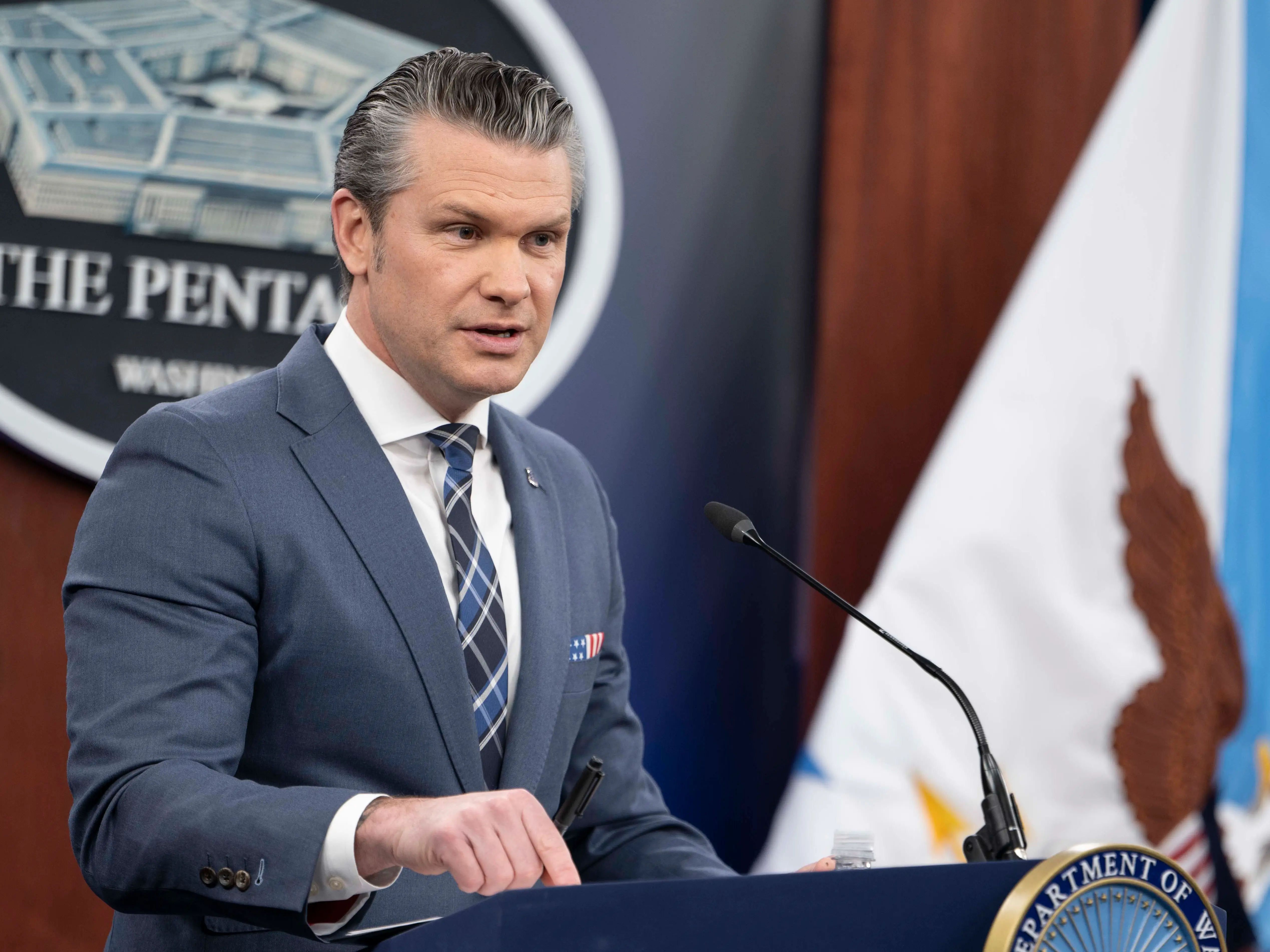
US President Donald Trump appeared to shift responsibility for escalating the Iran conflict, suggesting that Defence Secretary Pete Hegseth had been among the earliest voices pushing for military action against Iran’s nuclear programme. The war traces back to the 28 February joint Israel–US airstrikes on Iranian targets, a move that significantly escalated tensions in the region and triggered sustained retaliation from Iran.
How Trump appeared to put the spotlight on Hegseth
Speaking at a roundtable on public safety with the Tennessee Safe Task Force in Memphis on Monday (Mar 23), Donald Trump singled out Hegseth as an early advocate of military intervention.
“Pete, I think you were the first one to speak up and you said let’s do it because you can’t let them have a nuclear weapon,” Trump said, in comments that have drawn attention across US political and defence circles.
Trump added that he had consulted Hegseth and other officials while discussing Iran as a “purveyor of terror”, framing the decision-making process as collaborative, though critics noted the emphasis placed on Hegseth’s role.
Trending Stories
&imwidth=180&imheight=135&format=webp&quality=medium)
'Hell of a beautiful a**': Trump compliments Nicki Minaj as rapper joins him in Michigan rally
&imwidth=180&imheight=135&format=webp&quality=medium)
'Hire the robot, fire the human': Bill Gates's words hint at a bleak future
&imwidth=180&imheight=135&format=webp&quality=medium)
Telangana unveils AI avatar of IT minister D Sridhar Babu at Hyderabad DevFest 2026
&imwidth=180&imheight=135&format=webp&quality=medium)
Who is Eyal Zamir, Israeli army chief, who reportedly clashed with Netanyahu over Iran?
&imwidth=180&imheight=135&format=webp&quality=medium)
Fire breaks out at Delhi’s North Block, thick black smoke seen | VIDEO
&imwidth=180&imheight=135&format=webp&quality=medium)
Grammy-winning singer Chris Brown to be sentenced in London after pleading guilty to nightclub brawl
&im=FitAndFill=(700,400)&imwidth=180&imheight=135&format=webp&quality=medium)
Armoured vehicles vs main battle tanks: What is the real difference?
&imwidth=180&imheight=135&format=webp&quality=medium)
IND vs NZ: Tilak Varma sets world record with most T20I catches in a year
&imwidth=180&imheight=135&format=webp&quality=medium)
Harry Kane favourite to win 2026 Ballon d’Or ahead of Lamine Yamal and Kylian Mbappé
&imwidth=180&imheight=135&format=webp&quality=medium)
FIR filed against opposition MPs for ‘trespassing’ amid Jamia Millia students’ protest
&imwidth=180&imheight=135&format=webp&quality=medium)
WATCH | Virat Kohli returns to training ahead of New Zealand ODI series
&imwidth=180&imheight=135&format=webp&quality=medium)
Can Putin cheat death? All about his daughter’s billion-dollar quest for immortality
&imwidth=180&imheight=135&format=webp&quality=medium)
Daler Mehndi controversy: Mika Singh’s team confirms Subodh Uniyal’s apology
&im=FitAndFill=(700,400)&imwidth=180&imheight=135&format=webp&quality=medium)
How do army night-vision systems see in almost complete darkness?
&imwidth=180&imheight=135&format=webp&quality=medium)
Netanyahu warns Israelis of ‘existential threat’ from Iran, posts AI image of nuclear strike
&imwidth=180&imheight=135&format=webp&quality=medium)
Brazil re-elects factory worker Lula for fourth term; Indian PM Modi congratulates 'dear friend'
&imwidth=180&imheight=135&format=webp&quality=medium)
Pakistan airline PIA unveils new crew uniforms, faces online criticism
&imwidth=180&imheight=135&format=webp&quality=medium)
‘That is a miss’: Ravi Ashwin questions Sooryavanshi’s demotion to No. 3 in 2nd T20I vs NZ
&im=FitAndFill=(700,400)&imwidth=180&imheight=135&format=webp&quality=medium)
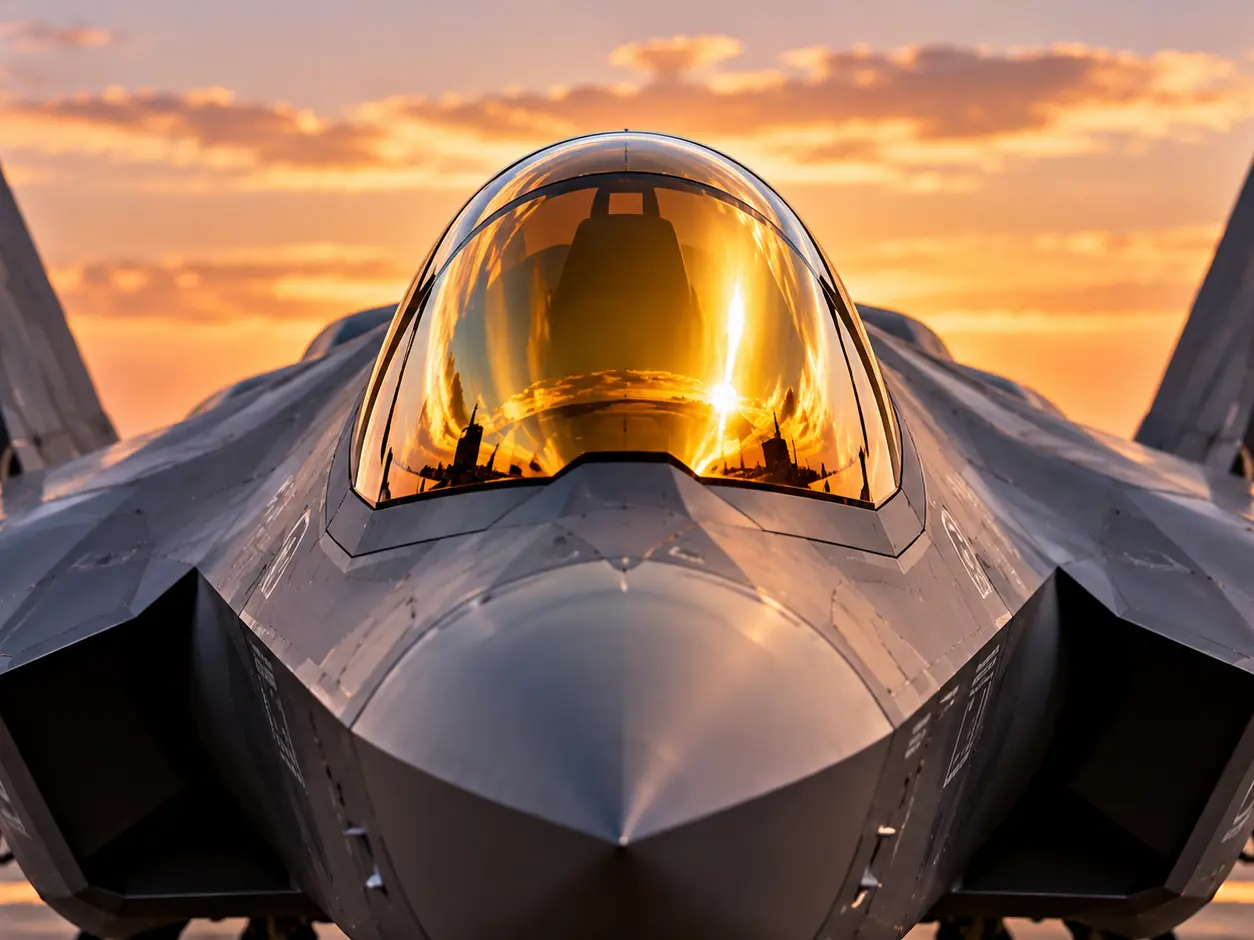
Why does this fighter jet have a golden window that looks like alien technology?
&im=FitAndFill=(700,400)&imwidth=180&imheight=135&format=webp&quality=medium)
New OTT releases this week (October 26-November 1, 2026): Baththa, Akka, The One About Matthew Perry- 7 titles coming on Netflix, Prime Video and more
&imwidth=180&imheight=135&format=webp&quality=medium)
Elon Musk’s Grok releases first AI-generated Odyssey episode, months after promising ‘historically accurate’ full-length film
&imwidth=180&imheight=135&format=webp&quality=medium)
'Already tired of his 9-to-5': Baby born with a moustache becomes internet sensation, video goes viral | Watch
&imwidth=180&imheight=135&format=webp&quality=medium)
Serbia’s student-led movement defeats Vucic’s party after 14 years in power: Why it matters
&imwidth=180&imheight=135&format=webp&quality=medium)
'I promised Gautam & Kotak Sir that...': Tilak Varma opens up on match-winning mindset against NZ
&imwidth=180&imheight=135&format=webp&quality=medium)
Maldives opposition leader demands transparency on Muizzu Govt's Pakistan defence, security deals
&im=FitAndFill=(700,400)&imwidth=180&imheight=135&format=webp&quality=medium)
Why do some fighter jets have two engines while others use one?
&imwidth=180&imheight=135&format=webp&quality=medium)
Formula 1: Mercedes' Kimi Antonelli one race and ninth spot finish away from title after US Grand Prix win
&imwidth=180&imheight=135&format=webp&quality=medium)
Delhi's new entry rules for vehicles begin November 1. Here's all you need to know about the ban
&imwidth=180&imheight=135&format=webp&quality=medium)
'Clear overkill': Putin rejects claims Russia is behind mass protests in Europe
&imwidth=180&imheight=135&format=webp&quality=medium)
'I've done my work sincerely': AR Rahman on facing backlash over Ramayana soundtrack
&imwidth=180&imheight=135&format=webp&quality=medium)
Clayface tops North American box office, Elizabeth Holmes documentary follows close behind
&imwidth=180&imheight=135&format=webp&quality=medium)
Nagpur man fails to pay rent, allegedly prints fake Rs 500 notes worth Rs 37 lakh
&imwidth=180&imheight=135&format=webp&quality=medium)
Israel elections 2026: How the country is gearing up for a crucial vote
&imwidth=180&imheight=135&format=webp&quality=medium)
Donald Trump targets Bill Maher in lengthy post after White House dinner, says ‘Don’t call anymore’
&imwidth=180&imheight=135&format=webp&quality=medium)
'He is a red flag': Ex-India strength and conditioning coach on Rohit's fitness regime
Political timing: Midterm elections and public opinion
The remarks come at a sensitive political moment. Donald Trump is campaigning ahead of the US midterm elections, where control of Congress remains critical for the Republican Party.
The prolonged conflict with Iran has gradually lost public support in the United States, amid concerns over unclear strategic objectives, rising costs, and American casualties. Analysts suggest Trump’s comments may reflect an effort to recalibrate political accountability as scrutiny intensifies.
Hegseth: The face of Operation Epic Fury
Since US involvement deepened, Pete Hegseth has been the public face of military operations, often defending the campaign, “Operation Epic Fury”.
“We didn’t start this war, but under President Trump we’re finishing it,” Hegseth said in earlier statements, emphasising a decisive military approach.
However, his messaging has evolved. Initial rhetoric hinted at regime change in Iran, but he later clarified that the conflict was not intended to be a “regime-change war”, instead stressing that it would not become an endless war.
Shifting narratives amid a complex conflict
Observers noted that Donald Trump’s latest remarks could signal a shift in narrative as the war grows more complicated. Iranian retaliation and resilience have reduced expectations of a quick victory for the US, increasing both military and political pressure on the Trump administration.
Notably, during the roundtable discussion, Pete Hegseth did not publicly respond or challenge Trump’s characterisation. He has consistently maintained that ultimate authority rests with the president, stating that Trump “controls the throttle” on all major decisions.
Pause in strikes and diplomatic signals
Trump’s comments came shortly after he announced a five-day pause in planned strikes on Iranian infrastructure. The move is widely interpreted as an attempt to manage growing domestic frustration and open space for potential negotiations.
Known for his deal-making approach, Donald Trump may be seeking to bring Iran back to the negotiating table, even as the conflict continues to unfold.
Disclaimer: WION takes utmost care to accurately and responsibly report ongoing conflicts in West Asia involving Israel, Iran, US, Gulf nations and non-state actors like Hezbollah, Hamas, Houthis, Islamic State, and others. Claims and counterclaims, disinformation and misinformation are being made online and offline. Given this context, WION cannot independently verify the authenticity of all statements, social media posts, photos and videos.

