Khamenei's advisor says ‘war will continue’ despite Trump's '5-day halt' announcement — How Iran has reacted so far

Iran rejected Trump’s claim of talks despite a 5-day halt on US strikes, insisting the war will continue until sanctions are lifted and damages compensated. Tehran ruled out negotiations, while Netanyahu backed the move, keeping uncertainty over a ceasefire in the ongoing conflict.
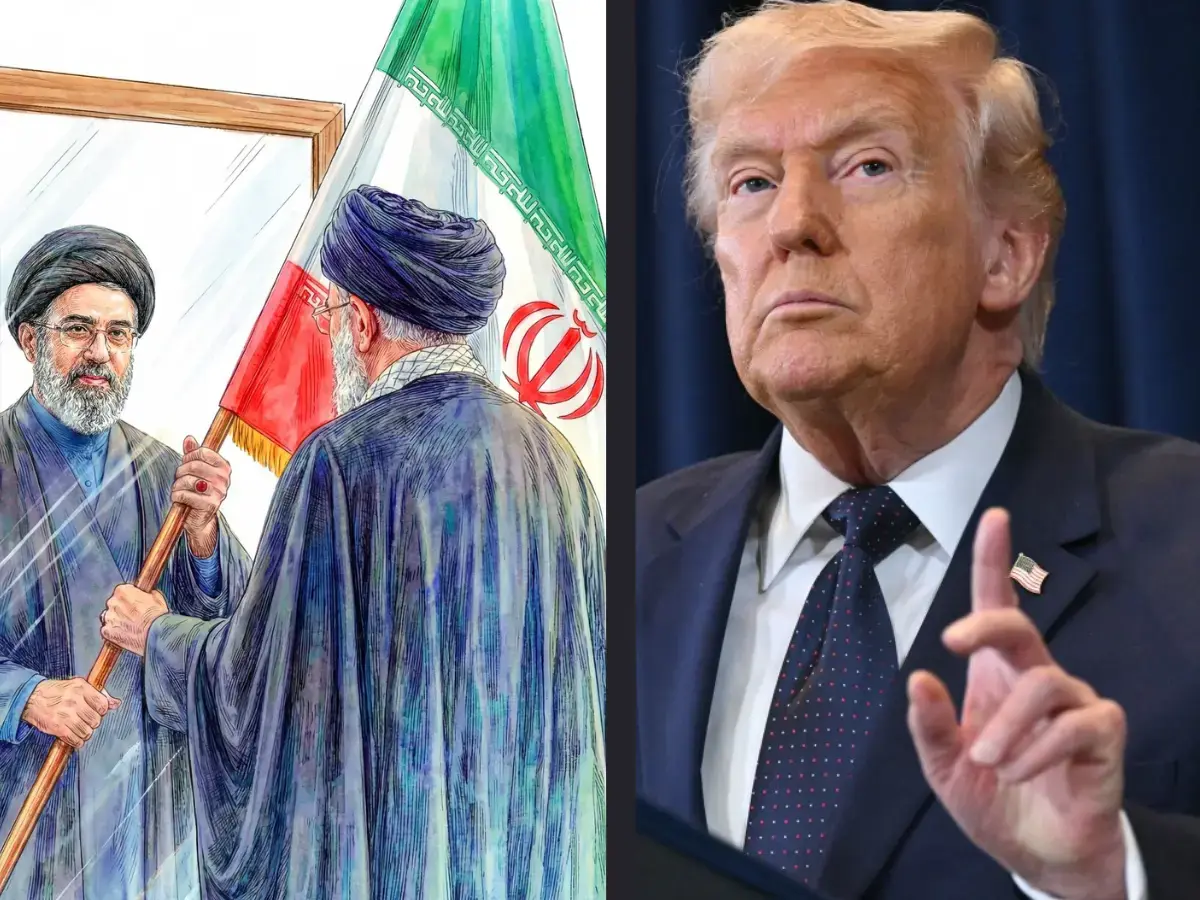
Iran says war will continue despite Trump's 5-day halt
Iranian Supreme Leader Mojtaba Khamenei's military adviser Mohsen Rezaei has said that the war with Israel and the US will continue until Iran receives full compensation for damage it has sustained. In a televised speech after US President Donald Trump announced a 5-day halt on strike, Rezaei vowed that Iran would keep fighting until “all economic sanctions are lifted." He reiterated the demands made by Iranian President Pezeshkian a few days ago, adding that “the war was effectively over” more than a week ago and that “the United States was ready to stop and pursue a ceasefire.” He blamed Israeli PM Benjamin Netanyahu of pushing the US to continue. Highlighting that the US must legally accept international guarantees and prevent any interference in the country in the future, he claimed that after Day 15, “the US clearly understood that there was no path to victory in this war.”
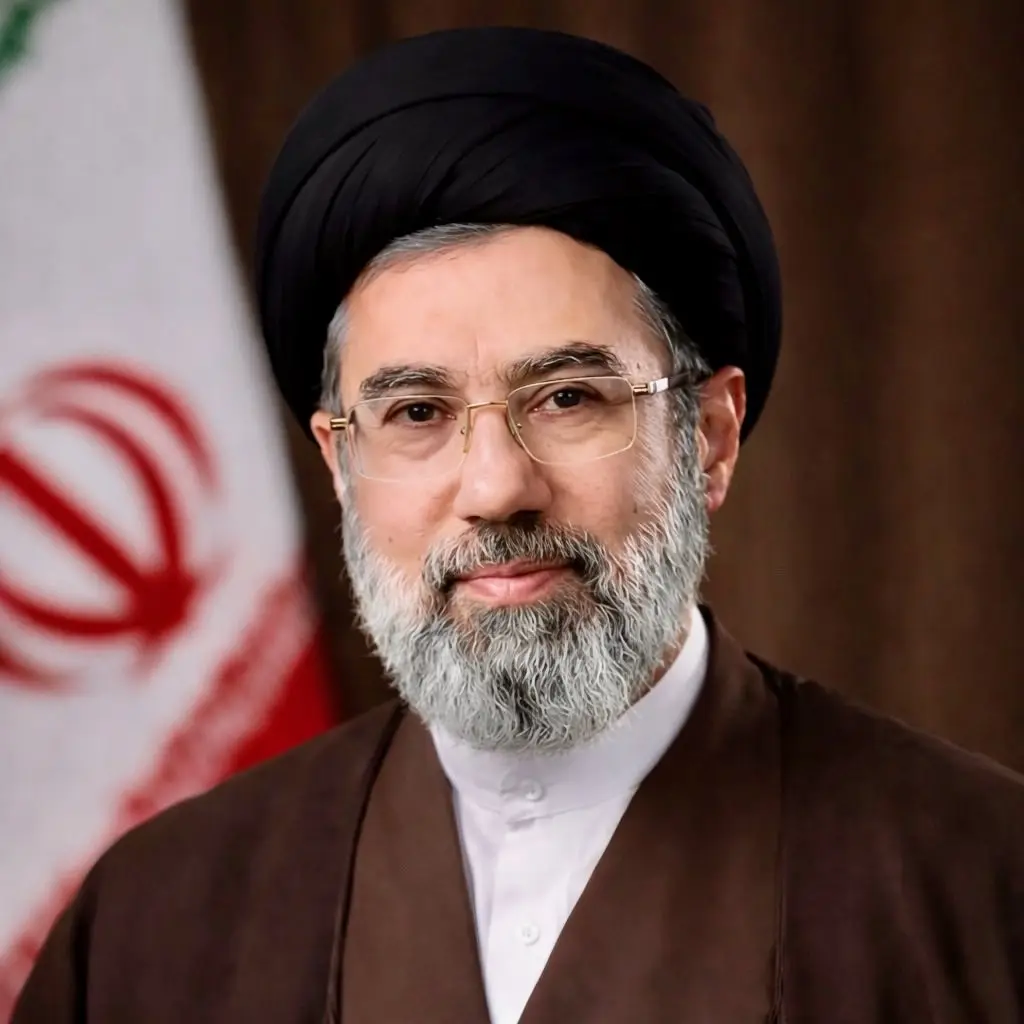
Iran dismisses Trump's announcement as "lies" and "Fake news"
Ibrahim Rezaei, spokesperson for Iran’s National Security Commission, dismissed Trump’s remarks as ‘lies’ and ‘nonsense’, asserting that there is ‘no logic to negotiating under these conditions’. Rezaei added that Iran views the current US posture as coercive, arguing that “the enemy understands only the language of force and missiles.”
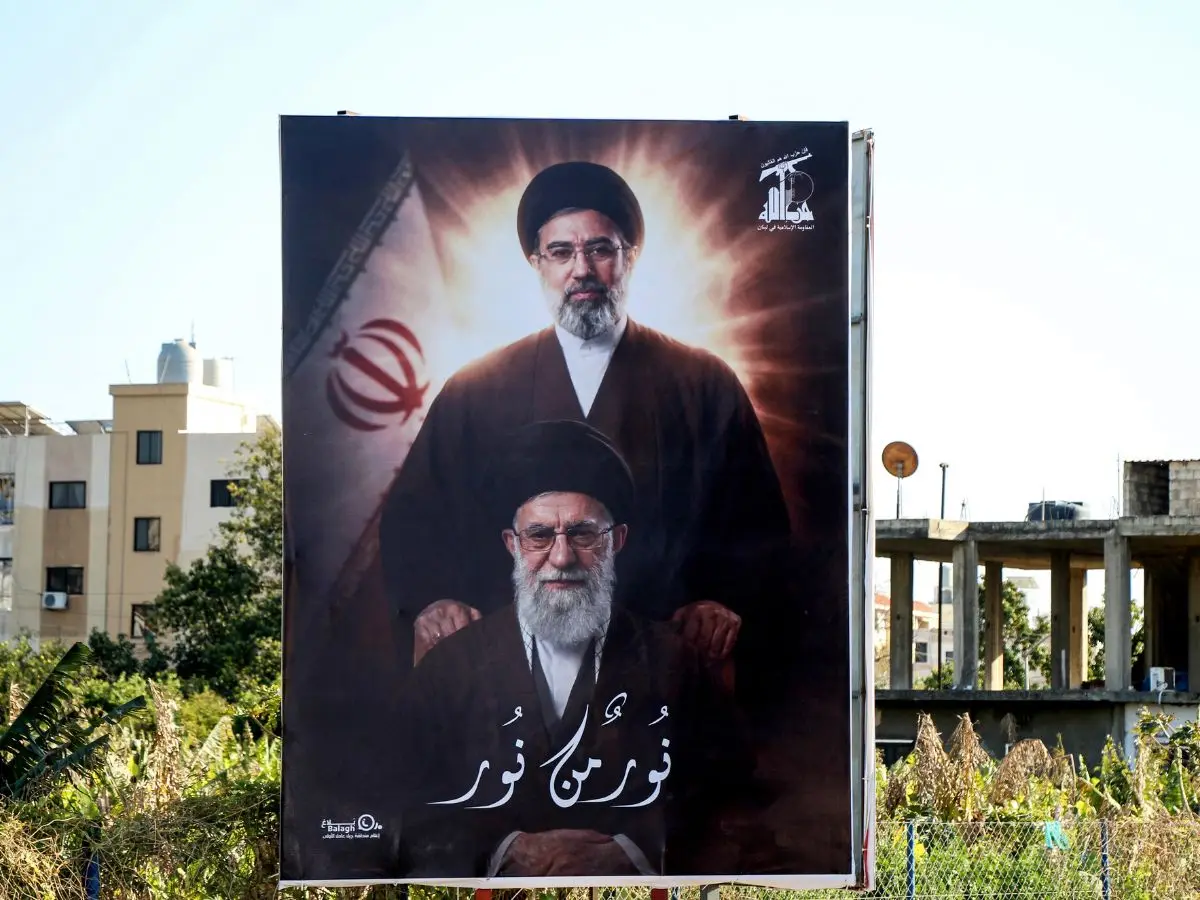
How Iran's Parliament reacted?
Iran's Parliament Speaker Mohammad Bagher Ghalibaf in a post on X ruled out any talks with Washington. "No negotiations have been held with the US, and fake news is being used to manipulate the financial and oil markets and escape the quagmire in which the US and Israel are trapped. All Iranian officials stand firmly behind their supreme leader and people until this goal is achieved."
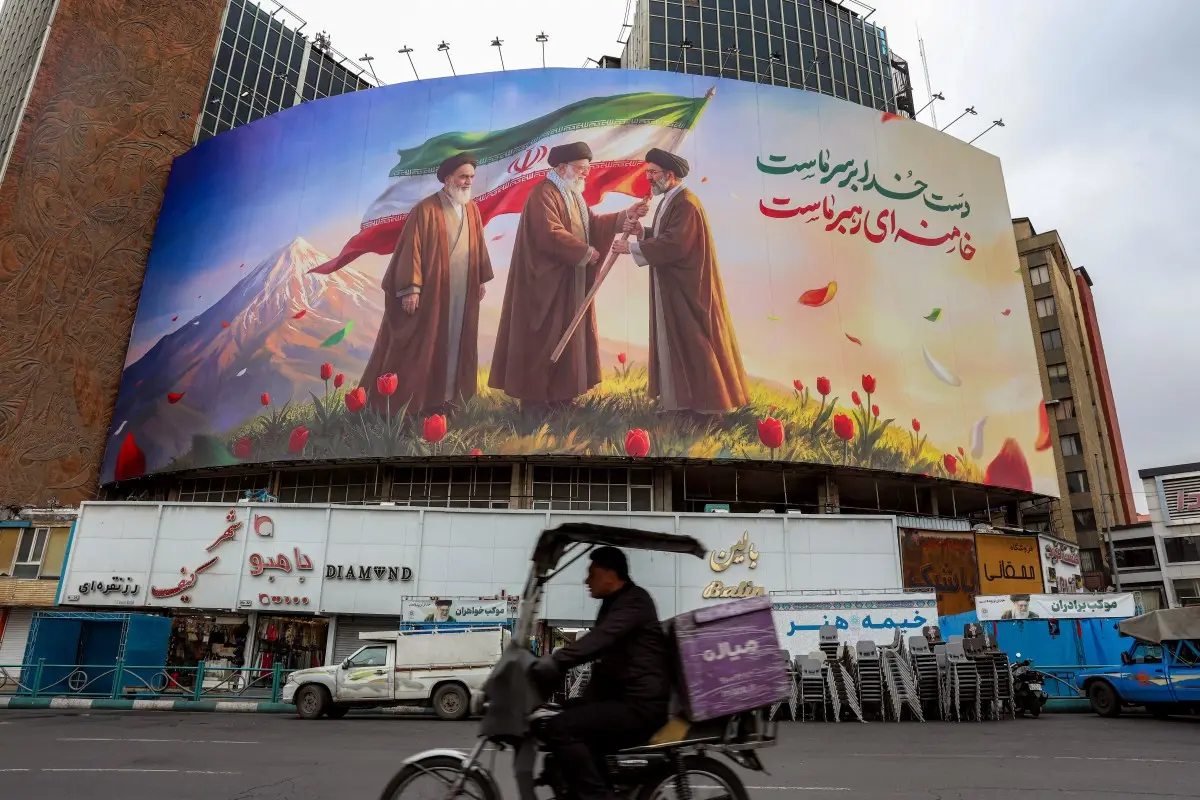
How Iranian Foreign Ministry reacted?
Iranian Foreign Ministry Spokesperson Esmaeil Baghaei also denied talks, contradicting US President Donald Trump's statements that Steve Witkoff and Jared Kushner had met with Iranian officials. In a statement to Iranian media, Baghaei said that although some friendly nations had sent messages indicating that the United States had requested talks, Iran did not respond. He added that Iran had responded in line with its “principled positions." He again reiterated that any action targeting Iran’s energy infrastructure would be met with a "decisive, immediate and effective" response by Iranian armed forces.
How Iranian President reacted?
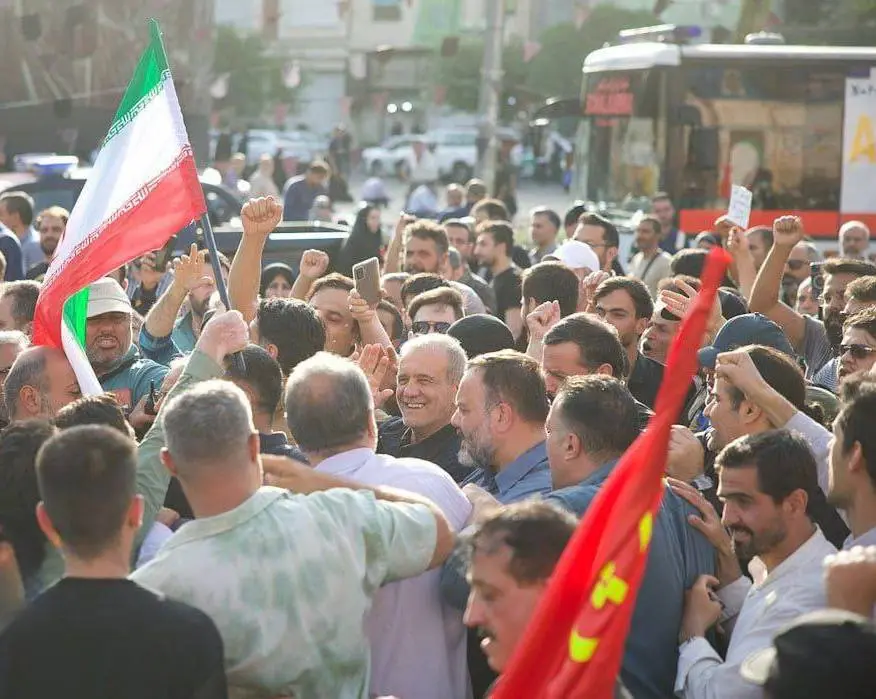
Hours after Trump's announcement, Iranian President Masoud Pezeshkian also shared a post on X but mentioned nothing about talks with Washington. Highlighting Iran's historical resilience against invasions, positioning ongoing resistance as essential for a "bright future," he praised those fighting for the nation.
What Trump announced on Monday?
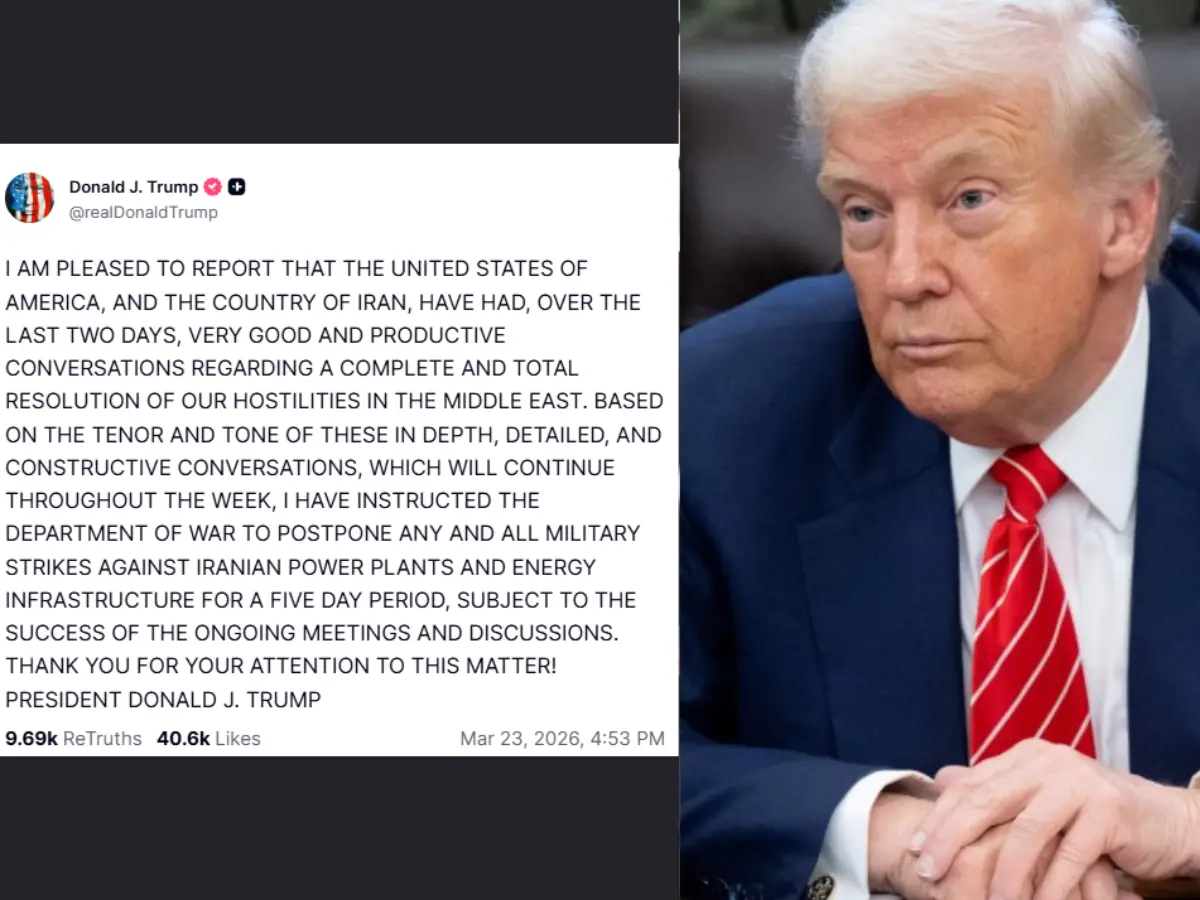
Trump on Monday (Mar 23) abruptly announced a five-day halt on planned military strikes against Iran's energy infrastructure and power plants and hailed "very good" talks with an unidentified Iranian official. In a surprise disclosure, Trump said that Iran and the US had “constructive talks” that would continue through the week, adding that he has instructed the Department of War to postpone the military strikes on the country. This came ahead of a Monday night deadline imposed by Trump for Iran to reopen the Strait of Hormuz shipping lane or see the US "obliterate" its power plants.
How Netanyahu reacted?
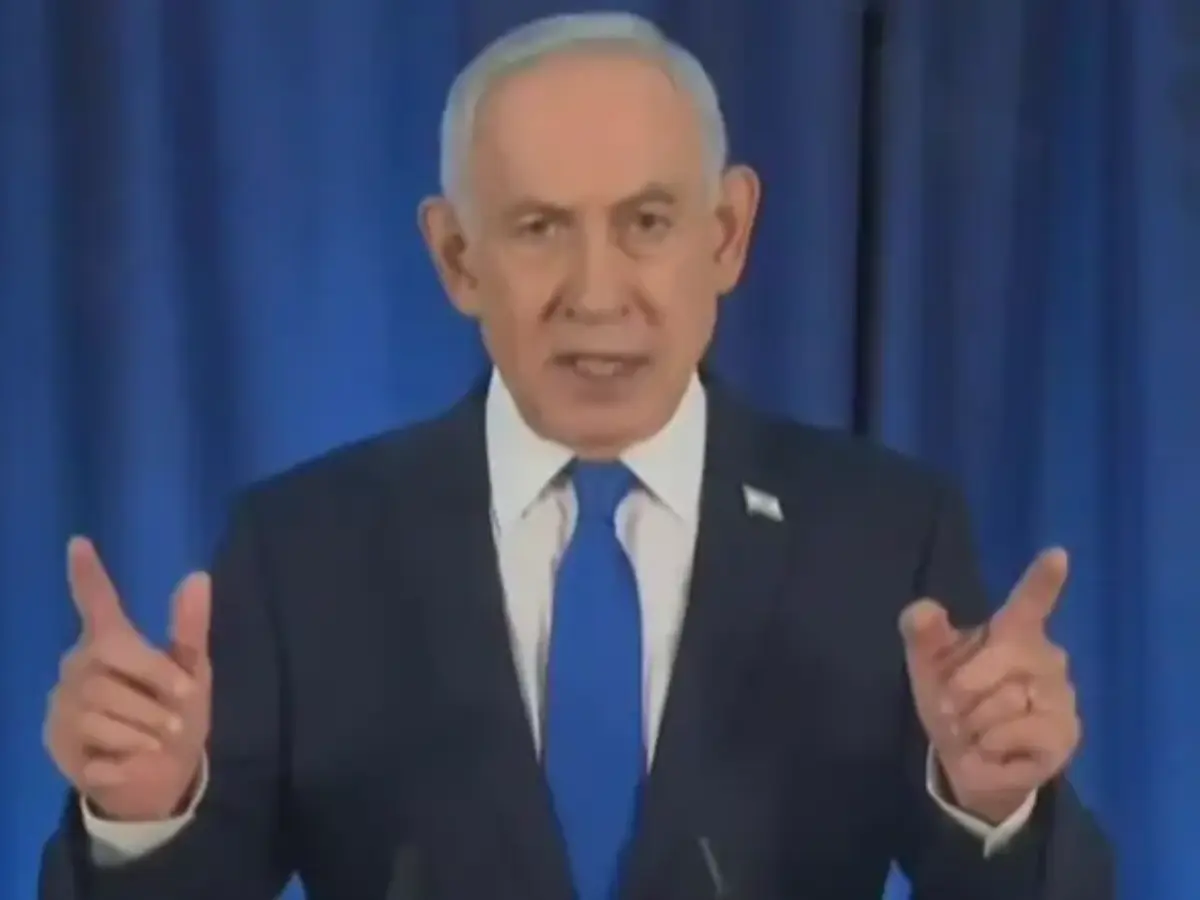
Israeli Prime Minister Benjamin Netanyahu said that the announcement made by Trump would protect Jerusalem’s “vital interests.” In a video statement, Netanyahu said that he spoke with Israel's “friend” Trump in a phone call on Monday and claimed that he was told by the POTUS that the he "believes that there is a chance to leverage the massive achievements of the IDF and the US military in order to achieve the goals of the war through an agreement — an agreement that protects vital interests." Netanyahu also said that Israel will continue to strike both Iran and Lebanon's Hezbollah. Reports indicate that he was continuously in touch with the Trump administration before the US president announced the truce. He knew about contacts between Washington and Tehran. According to Channel 12 Israel first learned of the potential negotiations on Thursday (Mar 19). The Israeli PM reportedly spoke to US Vice President JD Vance on Monday (Mar 23) regarding the efforts to renew talks with Iran. Trump had earlier said that the decision to end the war with Iran will be taken “mutually” with Netanyahu.
Is the war over?
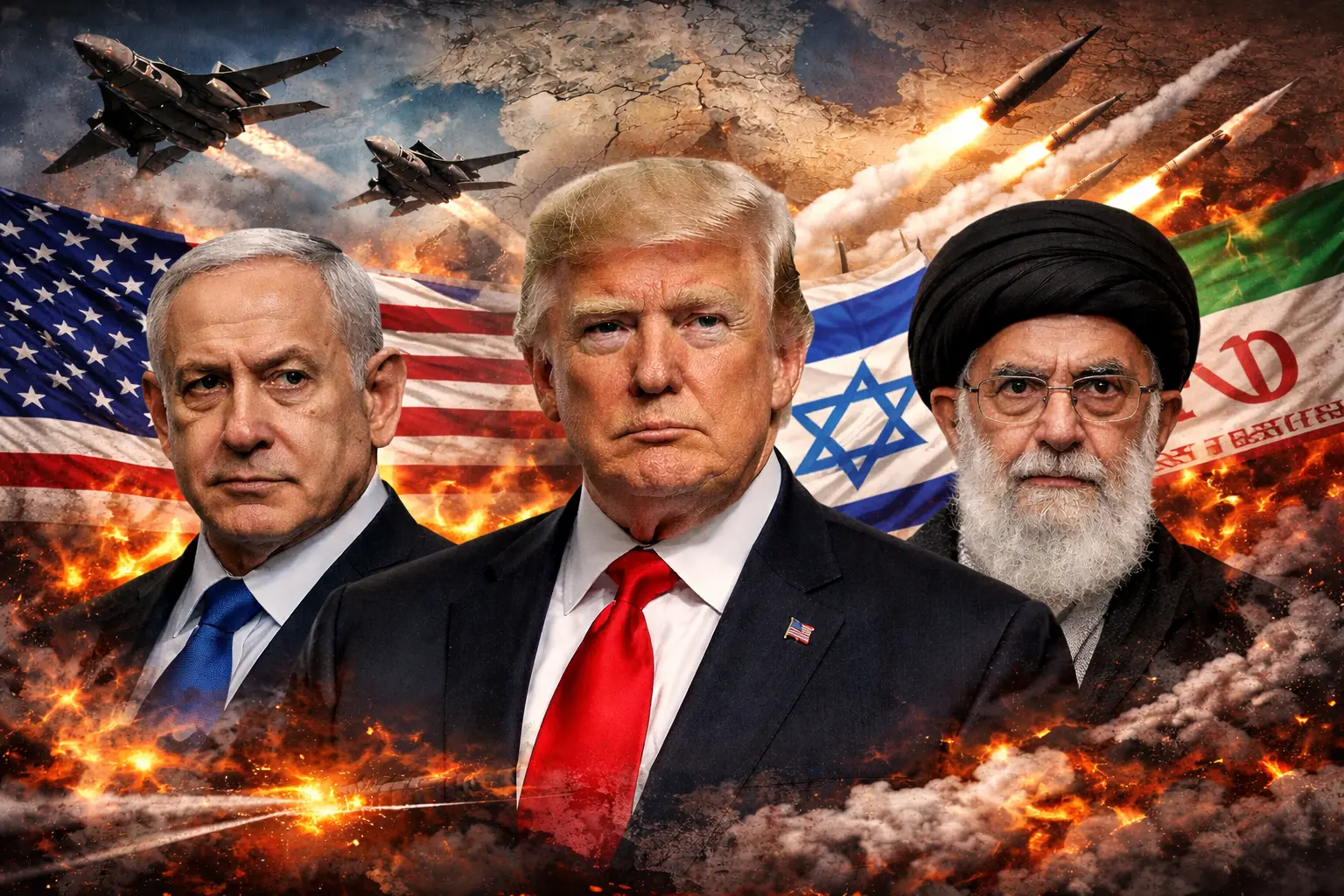
The war in West Asia began after the US and Israel attacked Iran pre-emptively on February 28, 2026. On Day 24, Trump announced a five-day halt but Iran has not confirmed it yet. Earlier, Iranian President Pezeshkian had set three conditions to end the war - namely - recognition of Islamic Republic's legitimate rights, payment of reparations and firm international guarantees against future aggression.
Disclaimer: WION takes utmost care to accurately and responsibly report ongoing conflicts in West Asia involving Israel, Iran, the US, Gulf nations, and non-state actors like Hezbollah, Hamas, Houthis, Islamic State, and others. Claims and counterclaims, disinformation and misinformation are being made online and offline. Given this context, WION cannot independently verify the authenticity of all statements, social media posts, photos, and videos.
)
)
)
)
)