Can extreme heat damage an S-400?

While the S-400 withstands extreme 50-degree Celsius heat, it relies on heavy-duty cooling systems to protect its radars. By using cold launch technology, it actively prevents internal missile heat damage, ensuring a 10,000-hour service life.
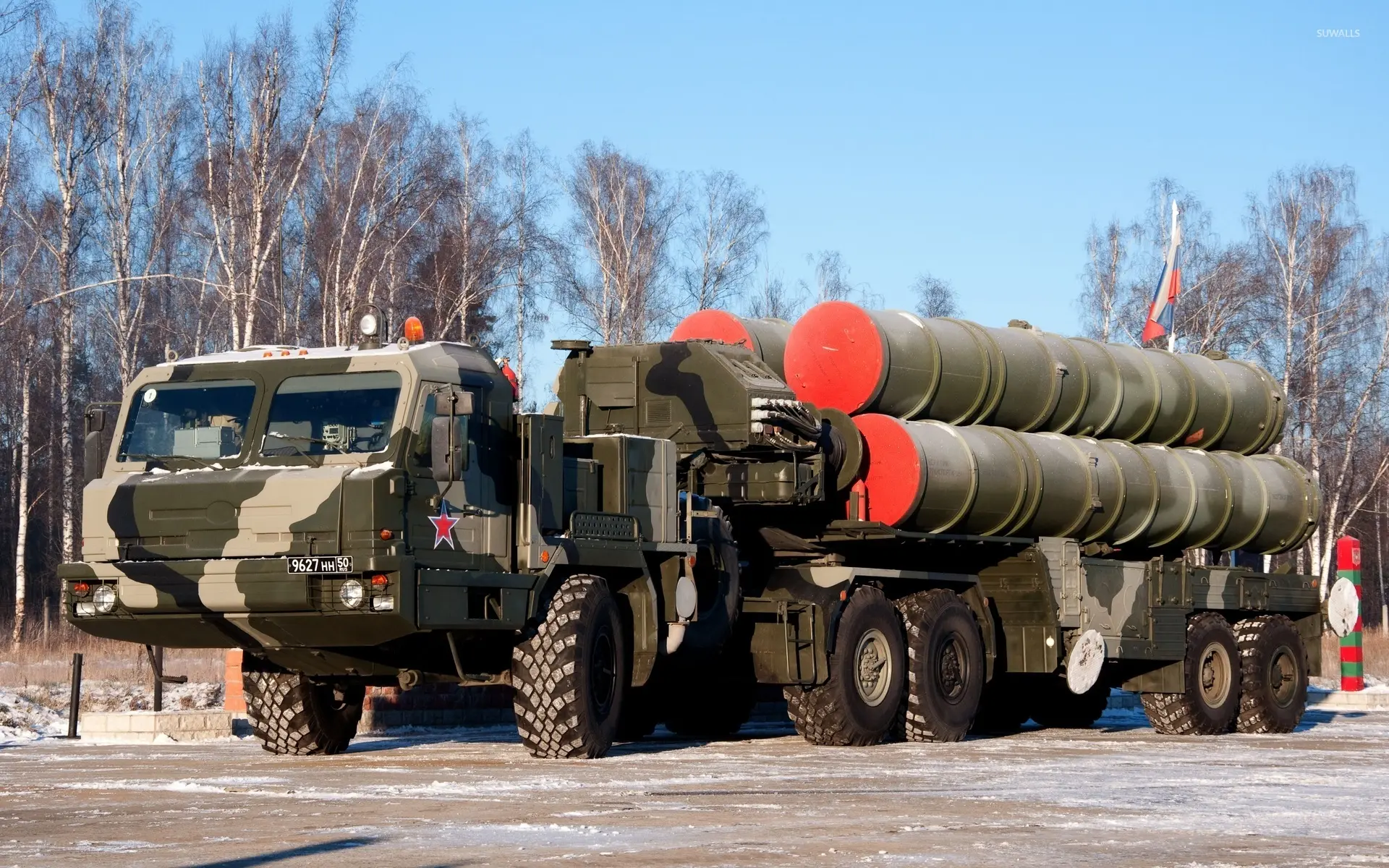
The +50 Degree Limit
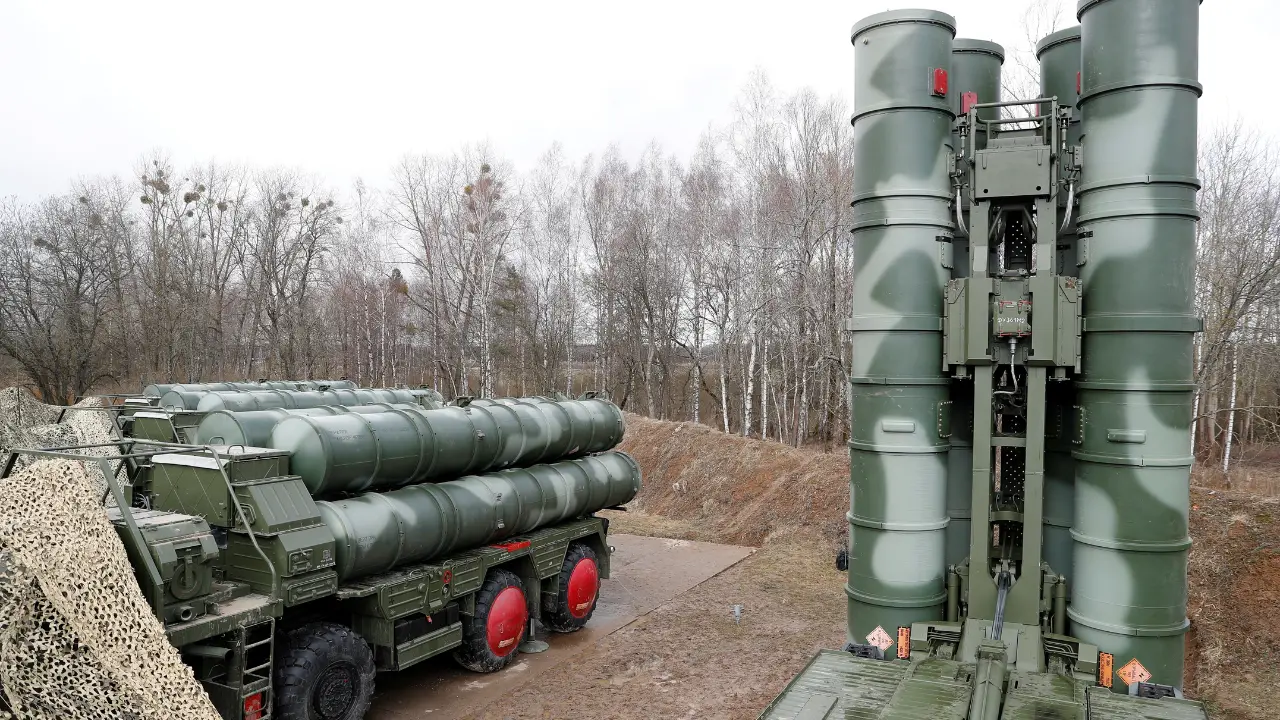
The Russian S-400 Triumf is officially engineered to survive some of the harshest environments on Earth. The heavy 8x8 transport vehicles are rigorously stress-tested to function flawlessly in extreme temperature ranges, from negative 50 degrees to a blistering positive 50 degrees Celsius.
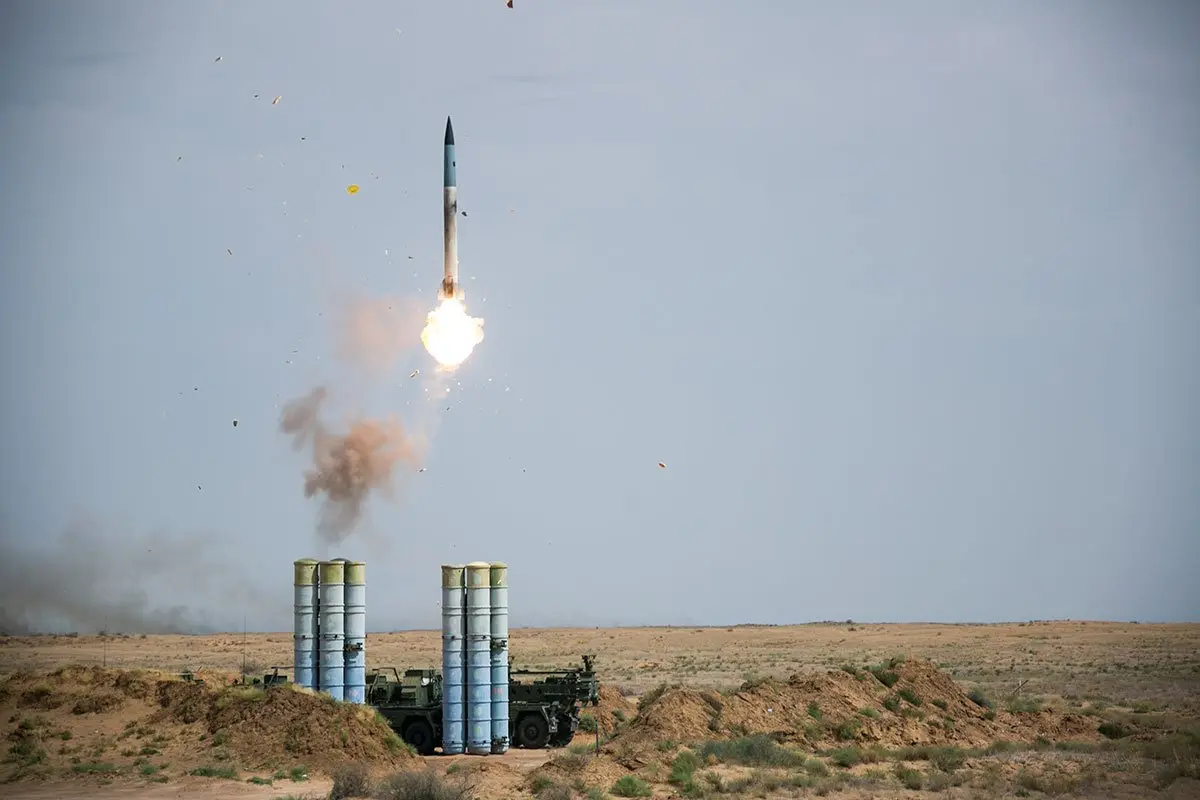
Thermal Stress on Radars
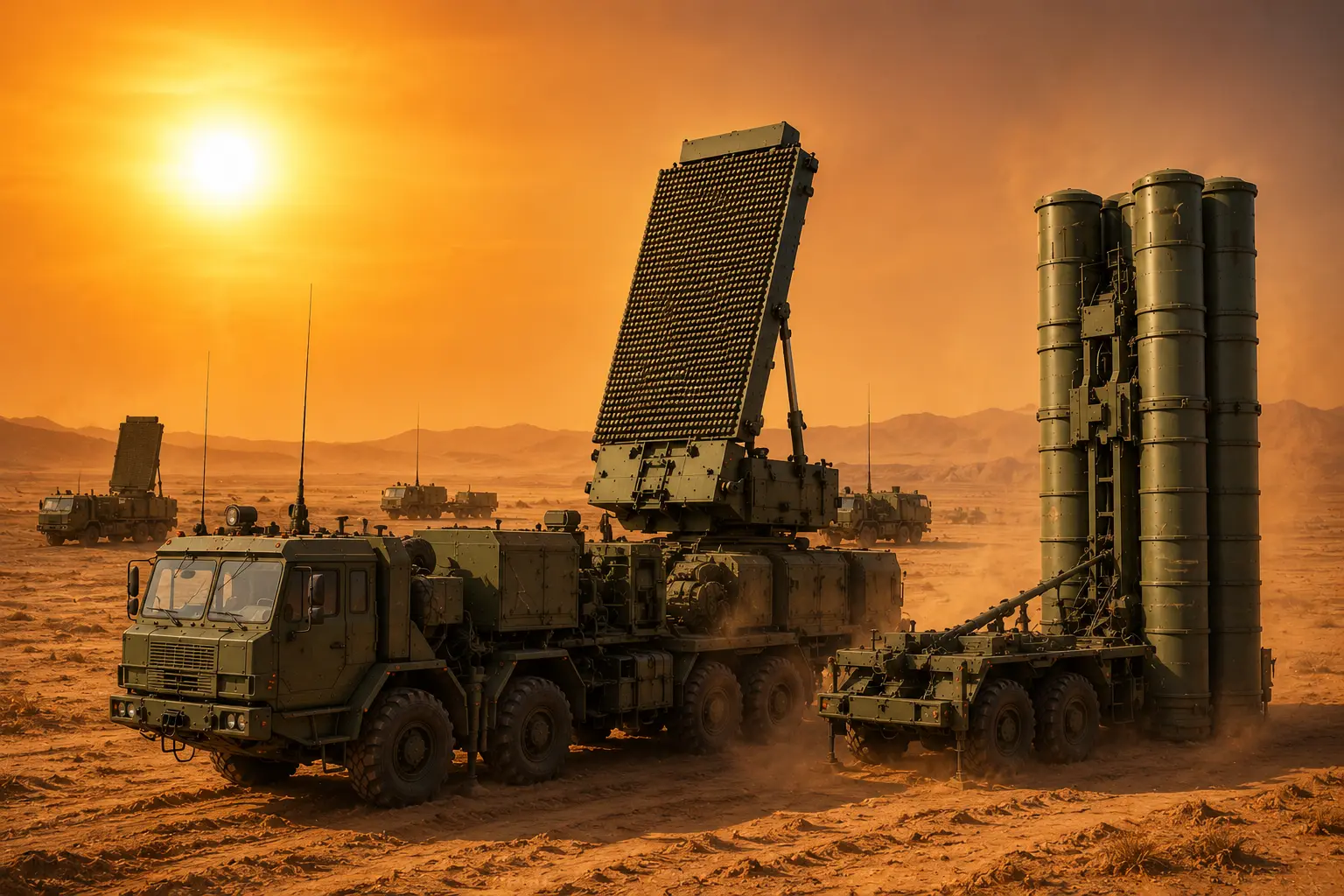
Scanning a 600-kilometre radius requires the 91N6E panoramic radar to generate immense amounts of electromagnetic energy. In intense desert heat, preventing these sensitive phased-array electronics from overheating requires heavy-duty military-grade cooling systems and generators.
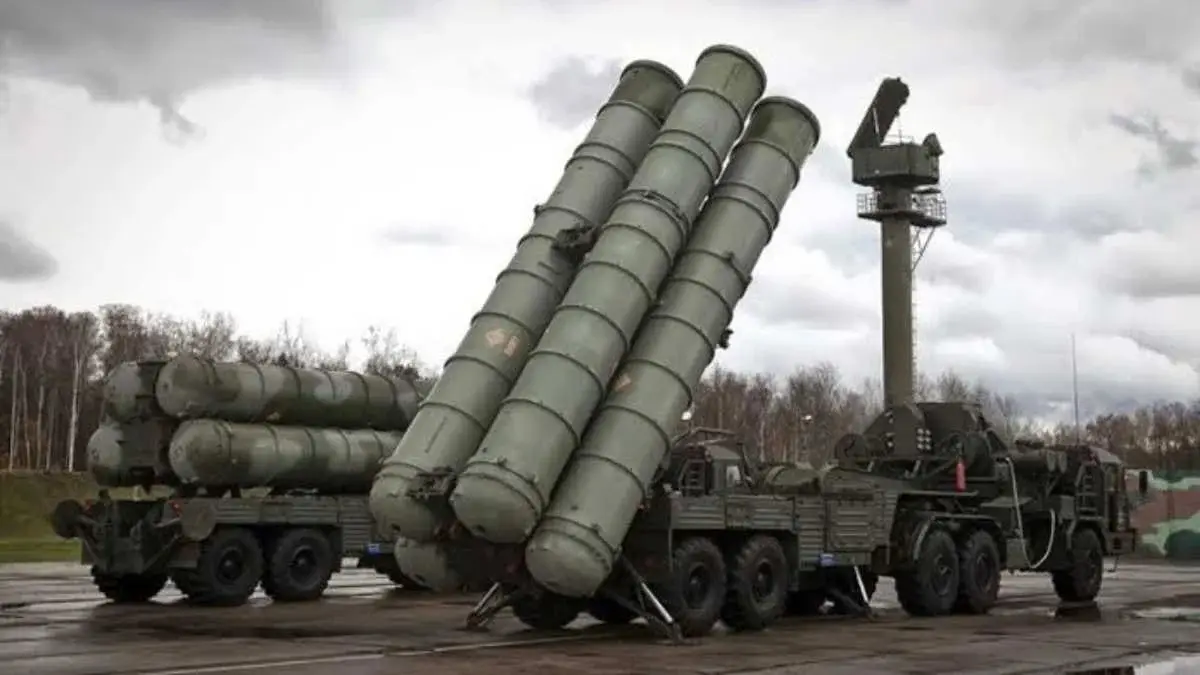
The Cold Launch Solution
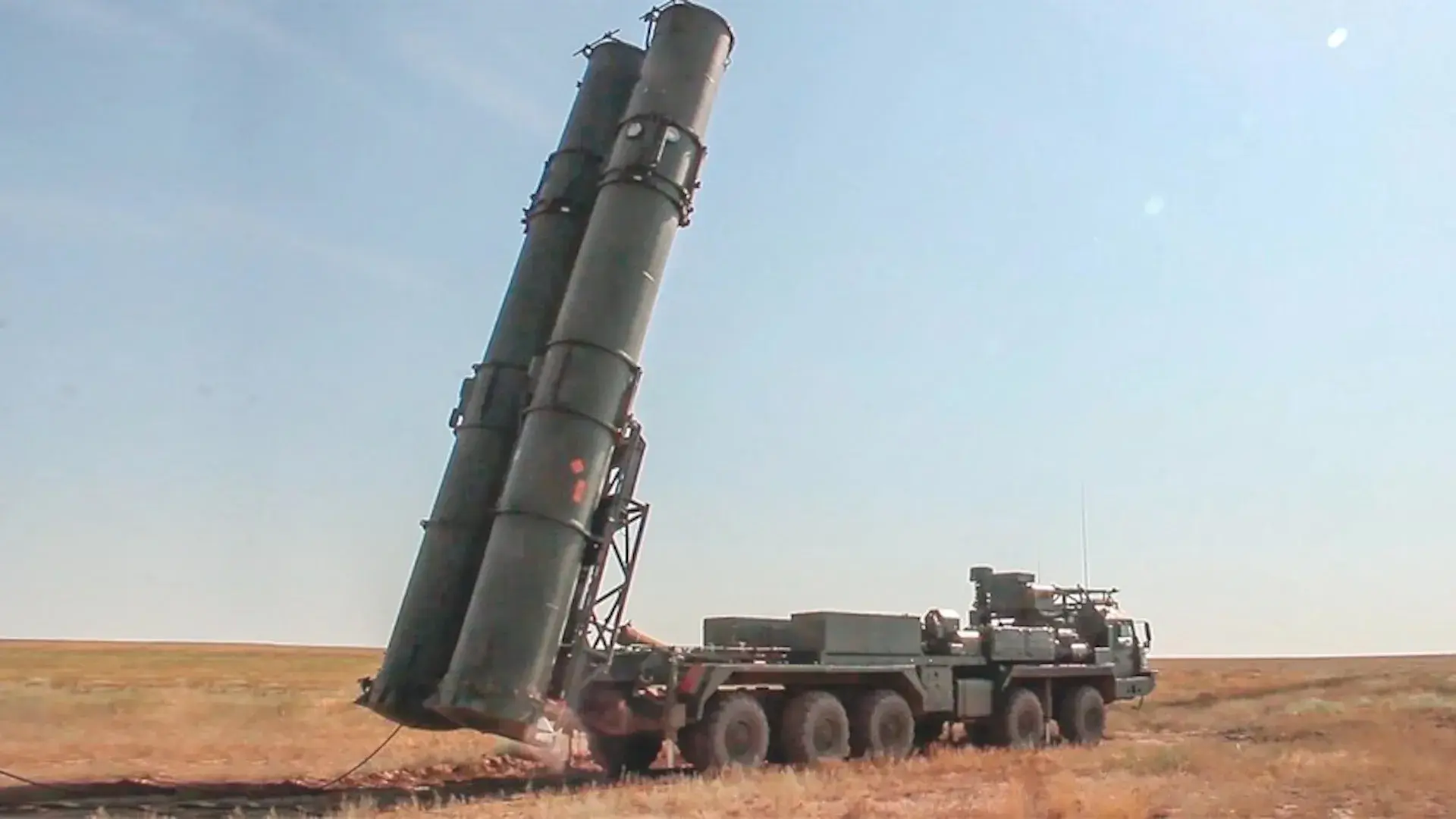
Firing a Mach 14 interceptor generates catastrophic exhaust heat that could easily melt the mobile launcher. To prevent extreme heat damage, the S-400 uses cold launch technology, ejecting the missile into the air with high-pressure gas before the rocket motor ignites.
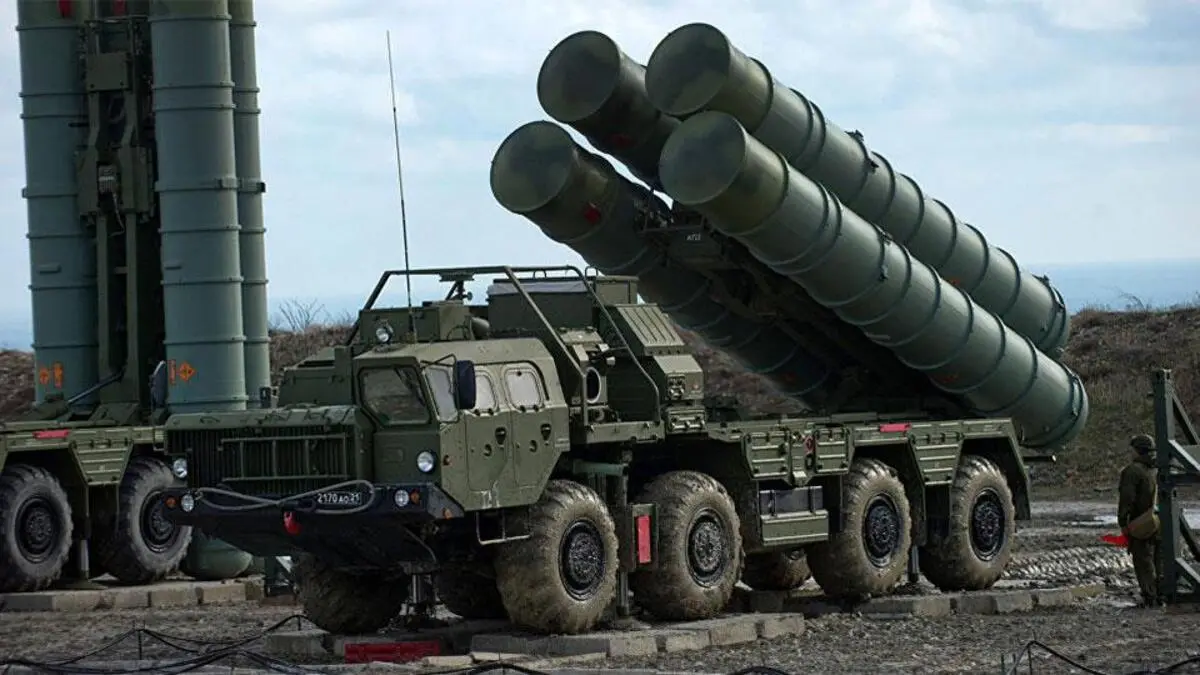
Extending Service Life
By pushing the intense rocket ignition heat completely outside of the launch tube, the system drastically reduces thermal wear and tear. This ingenious vertical launch design prevents the steel from warping, successfully extending the equipment's operational service life to at least 10,000 hours.
Protecting the Digital Brain
The 55K6E mobile command post houses the digital nerve centre that processes telemetry for up to 300 targets simultaneously. Because computer servers easily crash under extreme thermal loads, the command vehicle is equipped with redundant air conditioning units to maintain internal electronic stability.
Abrasive Heat and Sand
Extreme heat in arid environments is almost always accompanied by abrasive blowing sand, which can rapidly destroy the launcher's hot 400-horsepower diesel engines. The S-400 combats this threat using advanced multi-stage air filtration systems and specialised environmental seals.
Thermal Signatures
Sitting in a sun-baked desert raises the physical temperature of the heavy trucks, making them glow brightly on enemy infrared cameras. To survive, operators must deploy advanced thermal camouflage netting and use shoot-and-scoot tactics to relocate the USD 1.25 billion battery in under five minutes.
)
)
)
)
)