Indian flag colours explained: What saffron, white, green and chakra signify

The Indian flag's colours carry deep symbolism. From saffron to white and green, all three colours signify India's values, traditions and culture. Let's have a look at what these colours mean for our nation.

Indian flag colours
The colours of the Indian flag follow a specific sequence that together create a balance reflecting the core values of our nation. The colours and the overall design of the 'Tiranga' were chosen after careful deliberation to capture what makes India a unified nation. So let us understand what these colours in our flag signify and give true meaning in terms of the country's core values.
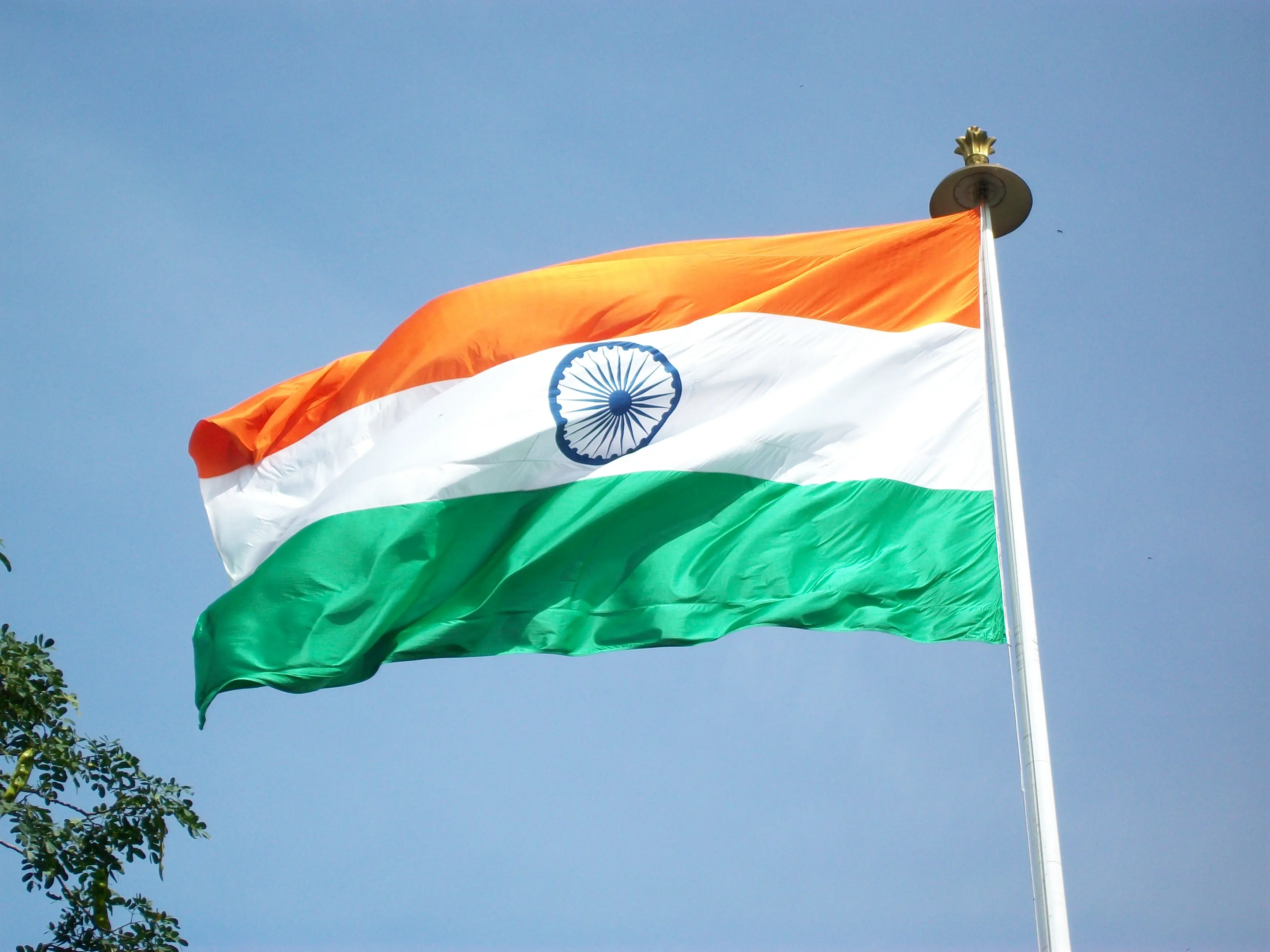
Saffron: Strength and Courage
The uppermost band of the flag is saffron, symbolising the country's strength and courage. It also represents renunciation and detachment, urging both leaders and ordinary citizens to look beyond material gain. As per Indian tradition, saffron reflects the spirit of sacrifice. Its position at the top of the flag serves as a reminder that progress demands effort, and that growth sometimes calls for setting aside personal comfort in service of a greater goal.
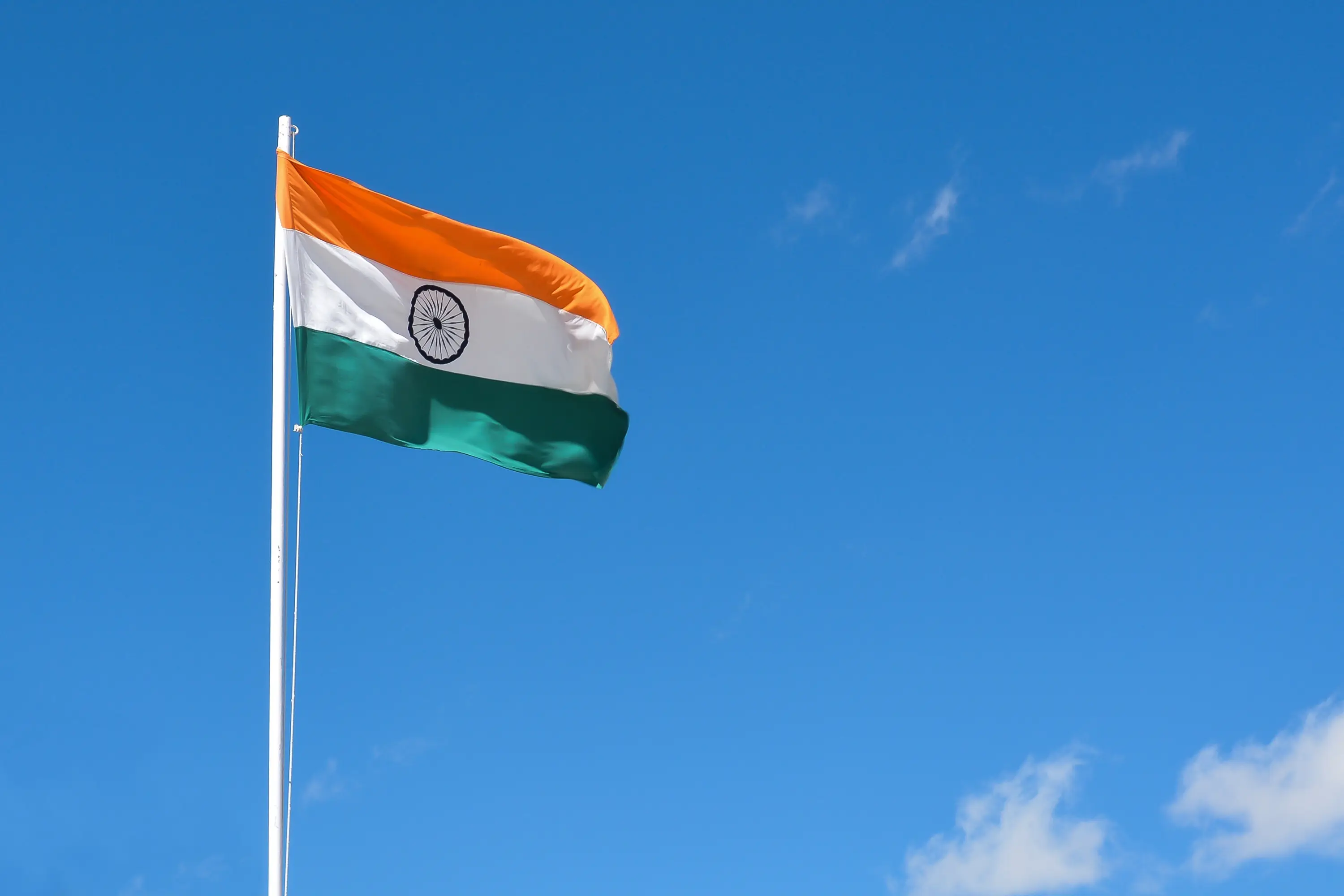
White: Truth and Peace
The central band is white, which represents the truth and peace that every Indian is encouraged to uphold. It stands for honesty in both public and private life, guiding conduct through the path of truth. This colour gives the idea that genuine progress must go hand in hand with clarity of thought and fairness, signifying strength and growth achieved through the right means.

Green: Fertility, Growth, and the Land's Abundance
The lowest band is green, linking the flag to the land and its people. It serves as a reminder that the nation's future rests on how responsibly the present is managed. Green represents faith, courage, fertility, growth, and the abundance of the land. Positioned at the bottom, it underscores India's deep ties to agriculture, the soil, and a sustainable, flourishing nation.
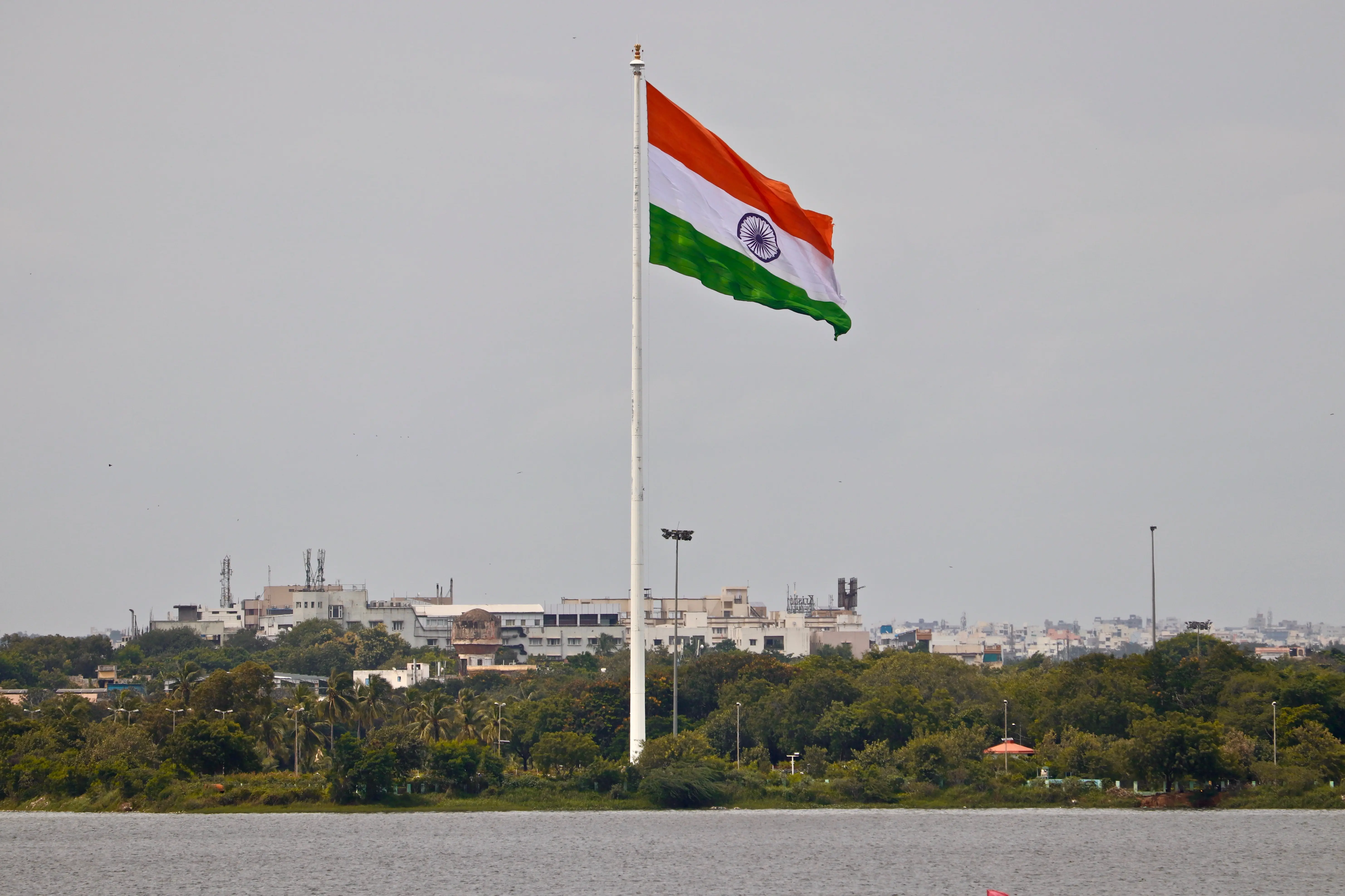
The Ashoka Chakra: The Wheel of Dharma
At the centre of the flag sits the Ashoka Chakra, or Dharma Chakra. It represents the "wheel of law" originally depicted on the Lion Capital of Ashoka at Sarnath, built by the 3rd-century BC Mauryan emperor. The chakra signifies life, while stagnation signifies decline. This navy blue wheel, with its 24 spokes, symbolises the ceaseless passage of time and serves as a reminder that the nation, too, must keep moving forward.
)
)
)
)
)