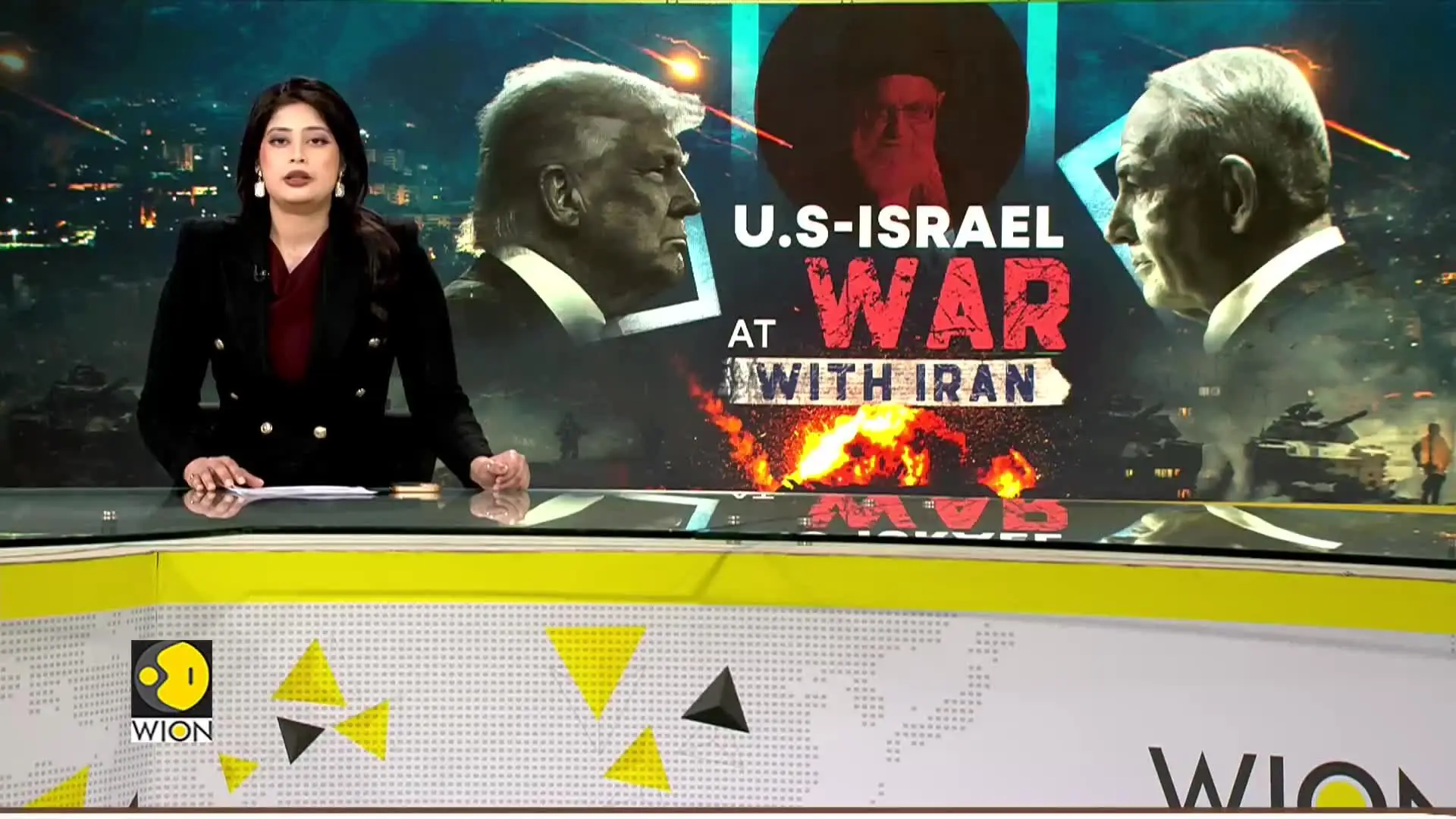
Europe's reluctance to support US-Israel military operations on Iran. What about democracy, human rights, etc.?

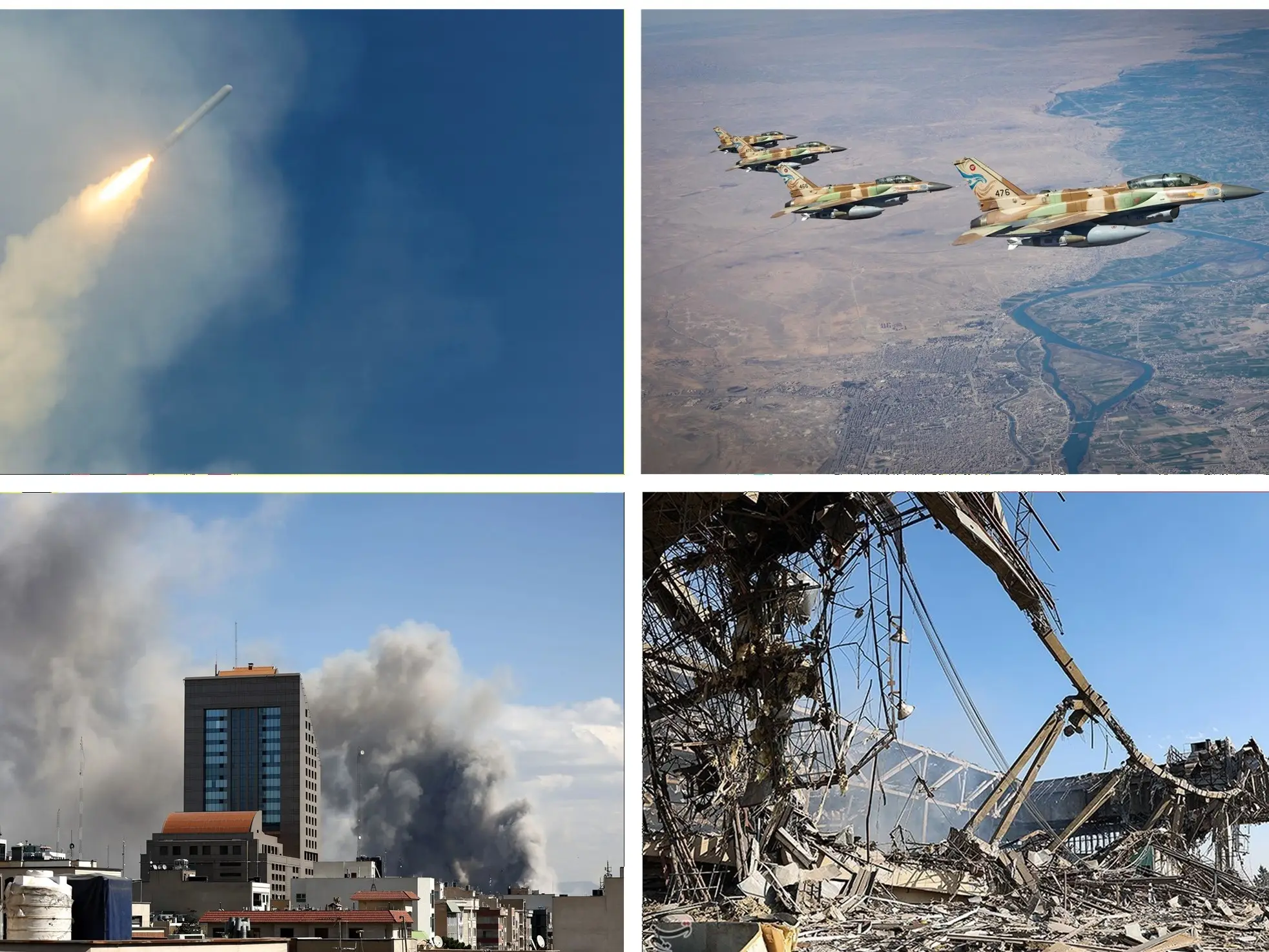&imwidth=600&imheight=450&format=webp&quality=medium "Europe's reluctance to support US-Israel military operations on Iran. What about democracy, human rights, etc.?")
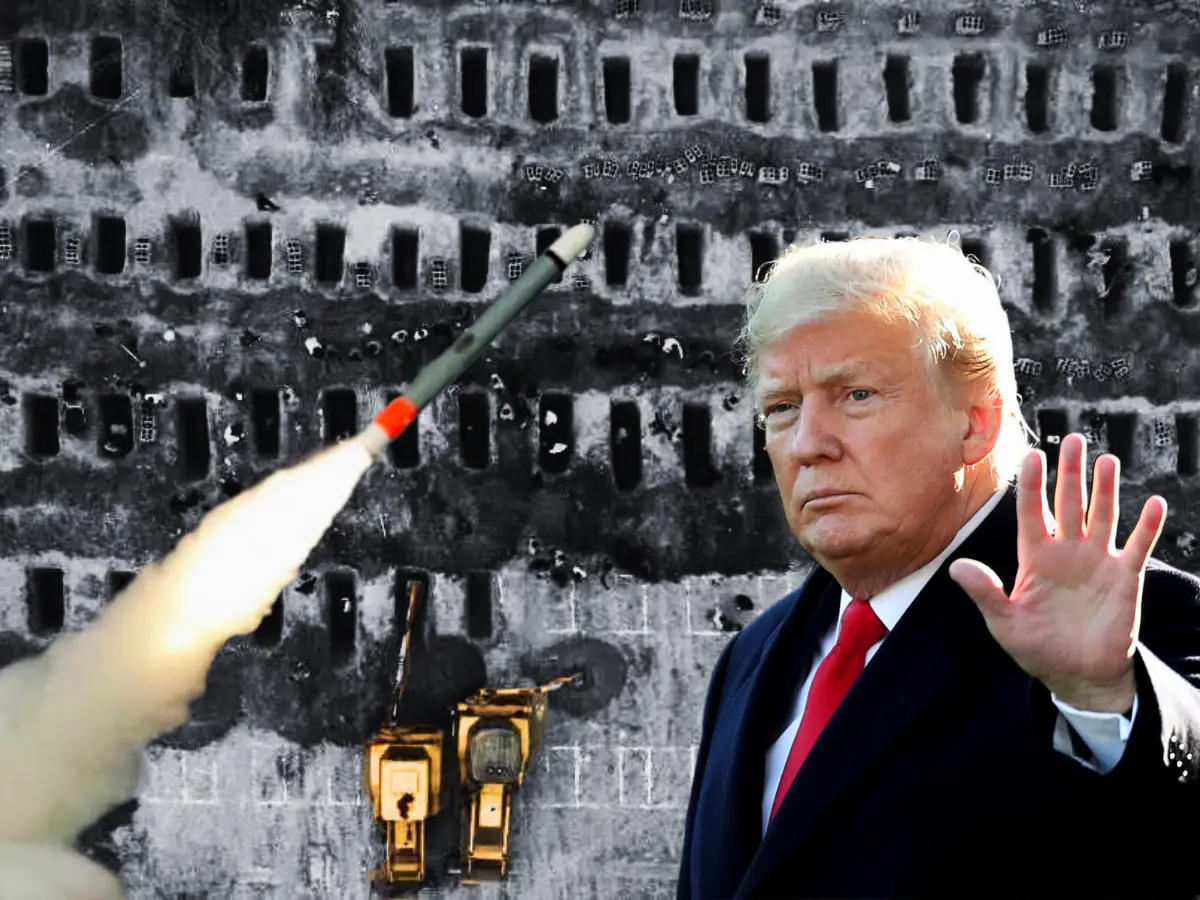
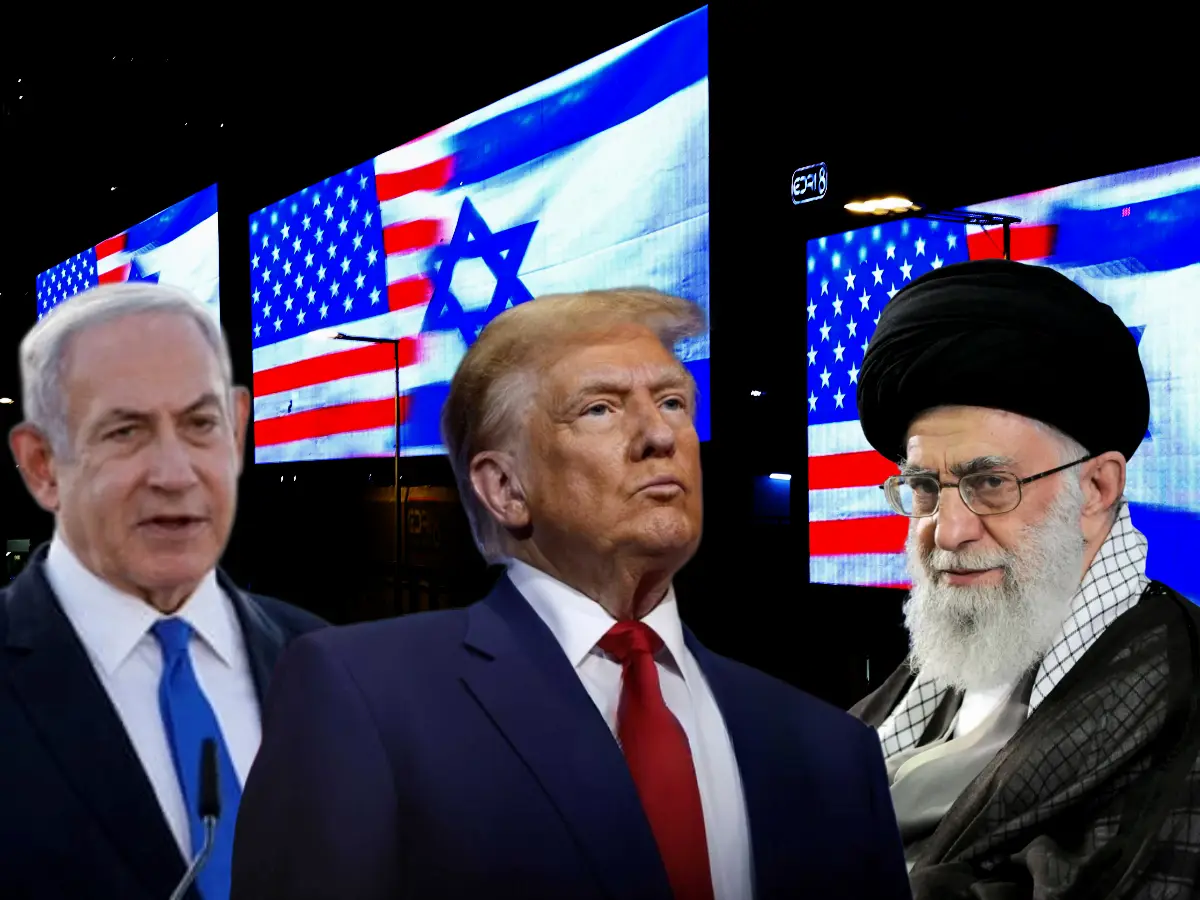
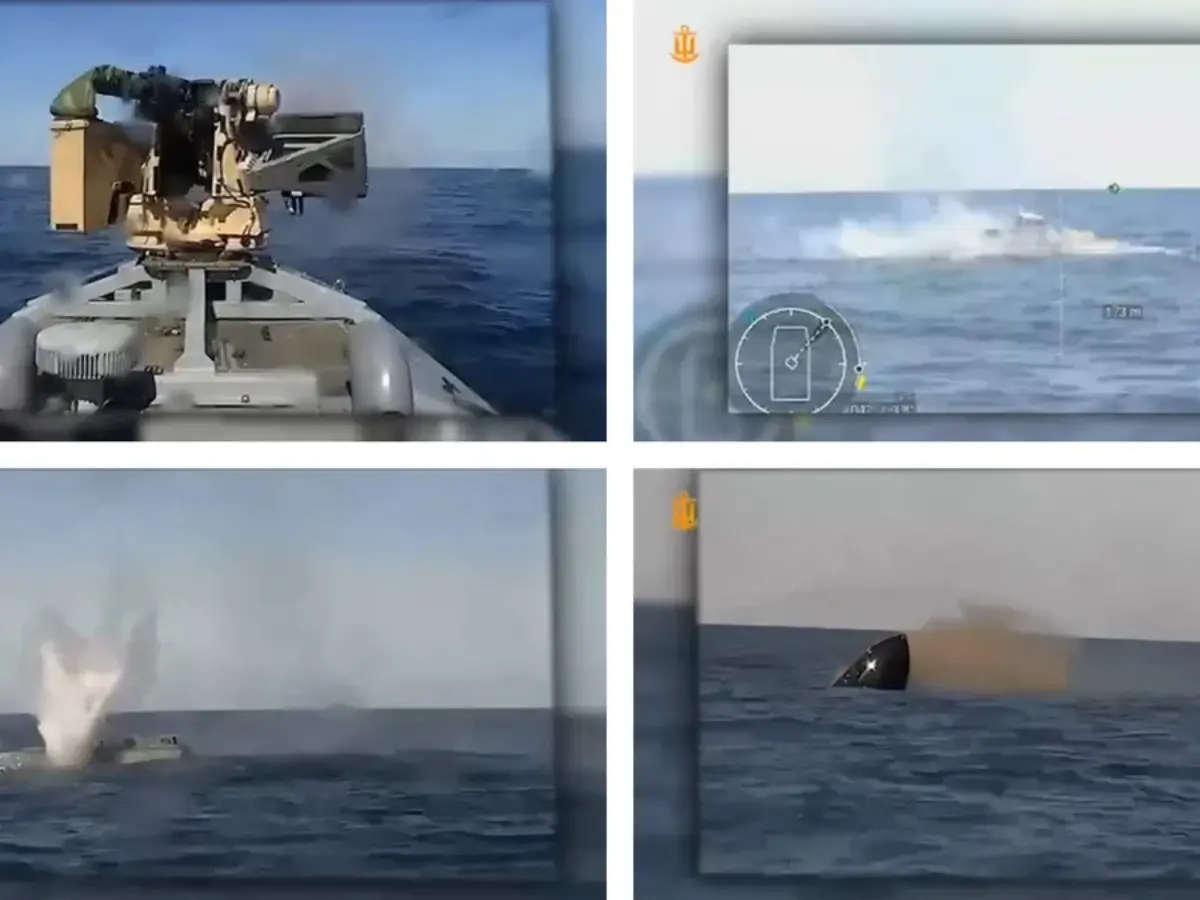
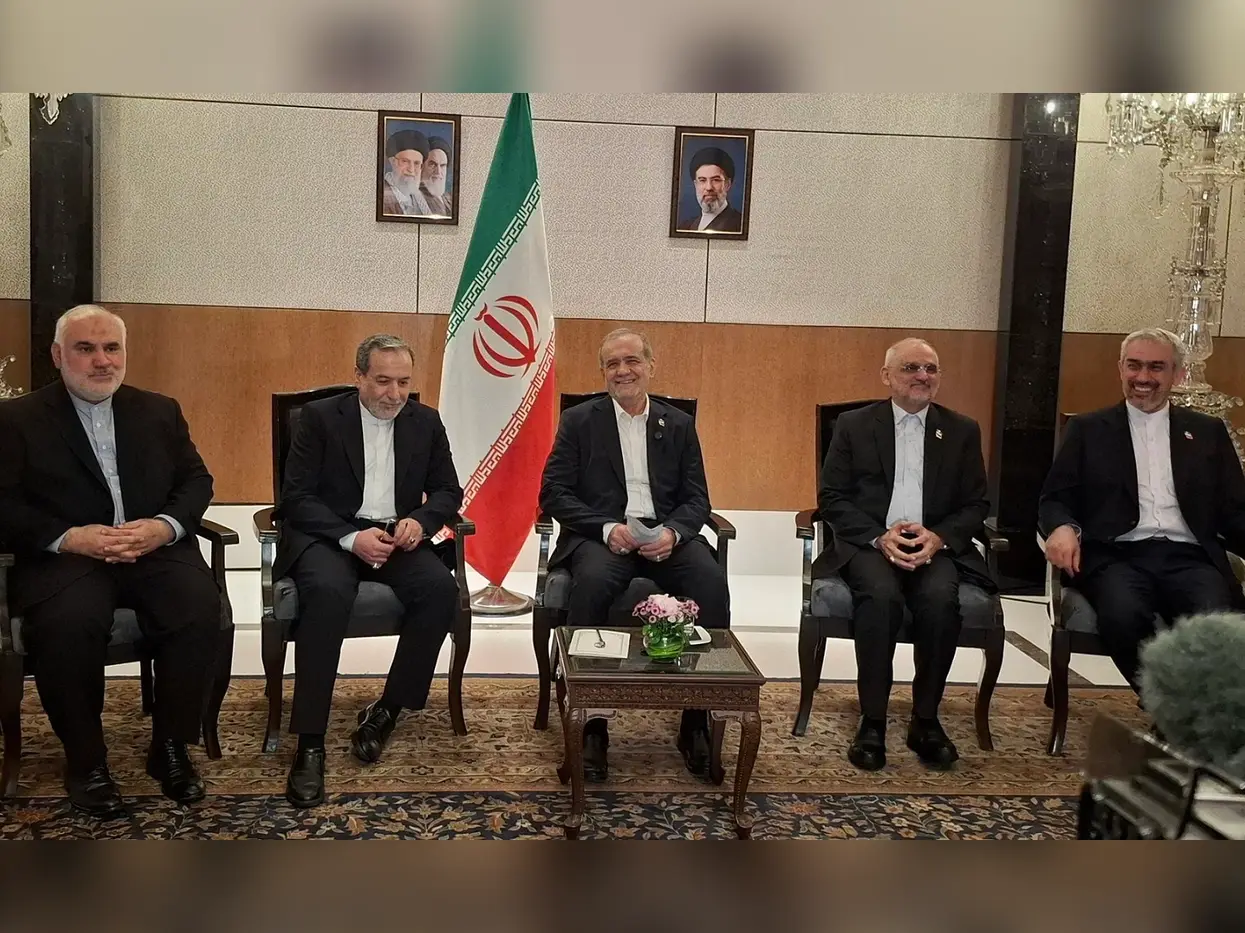
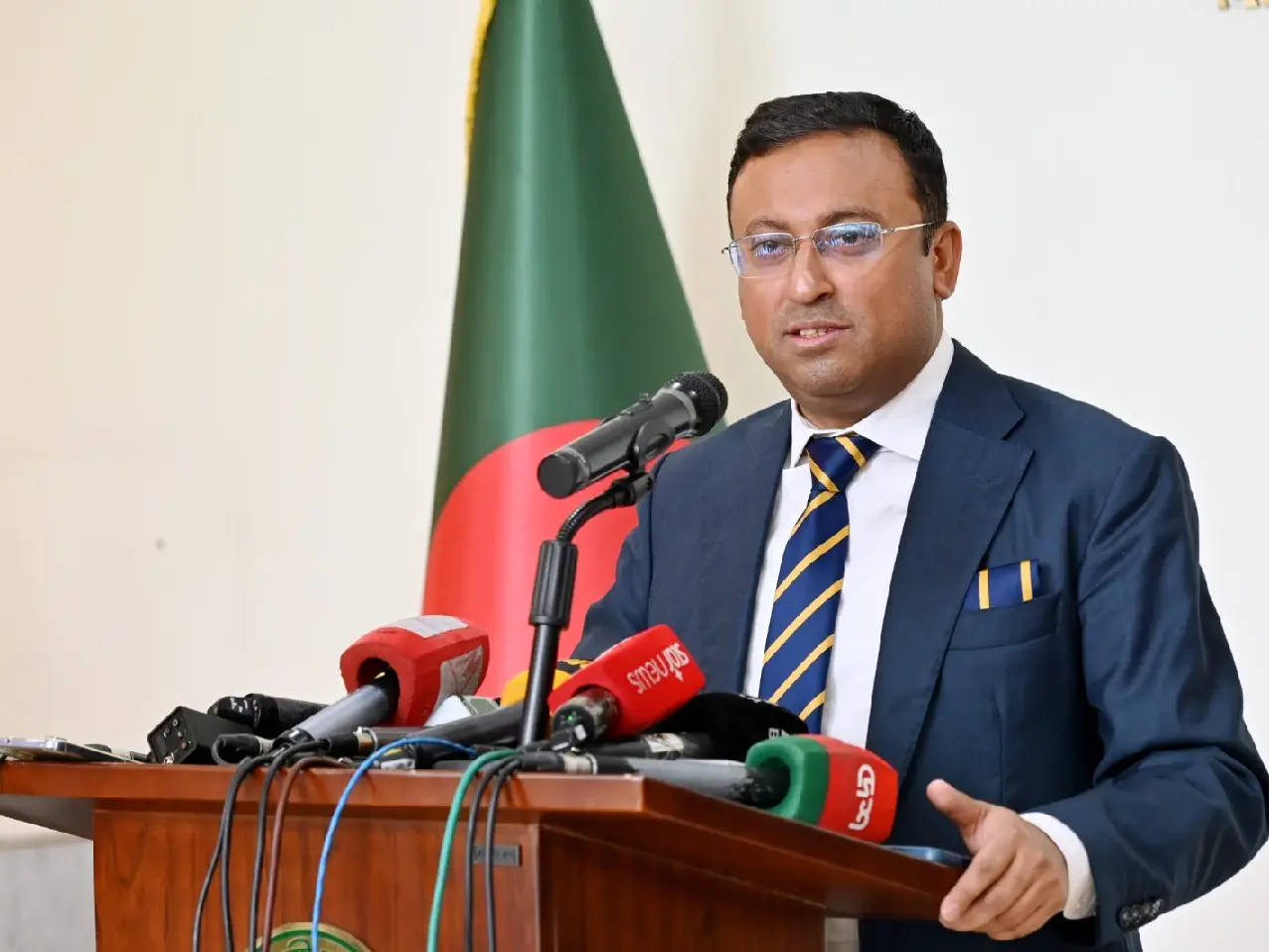
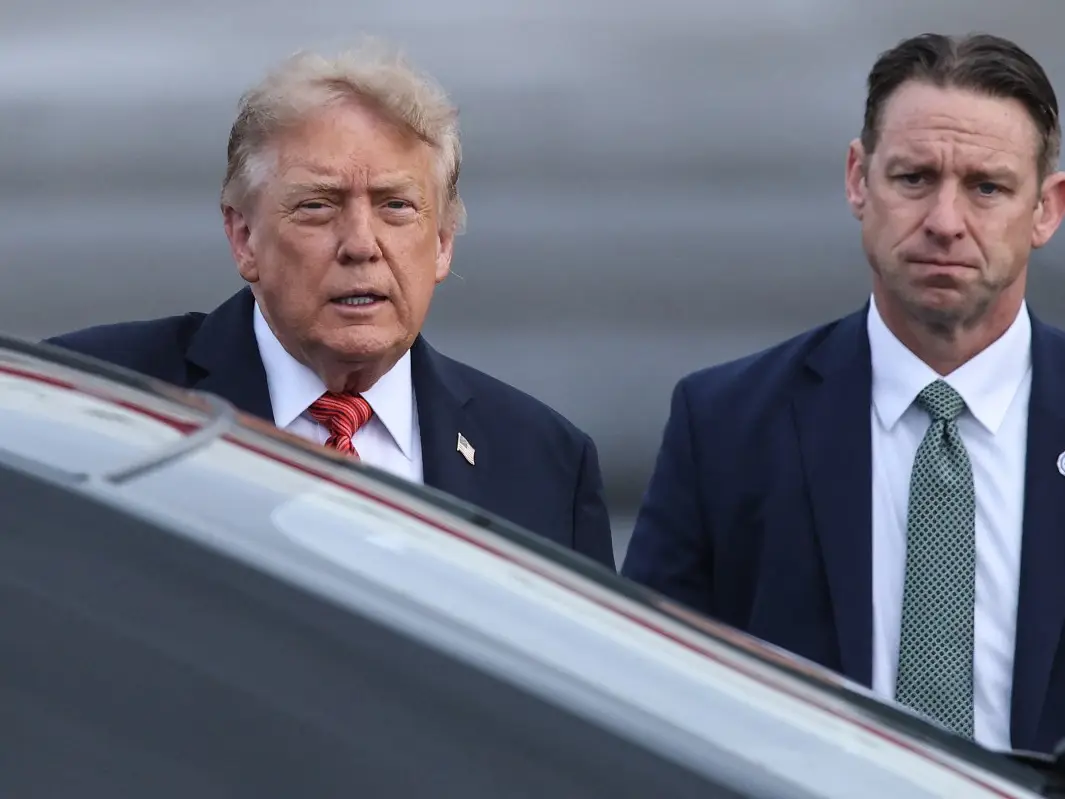
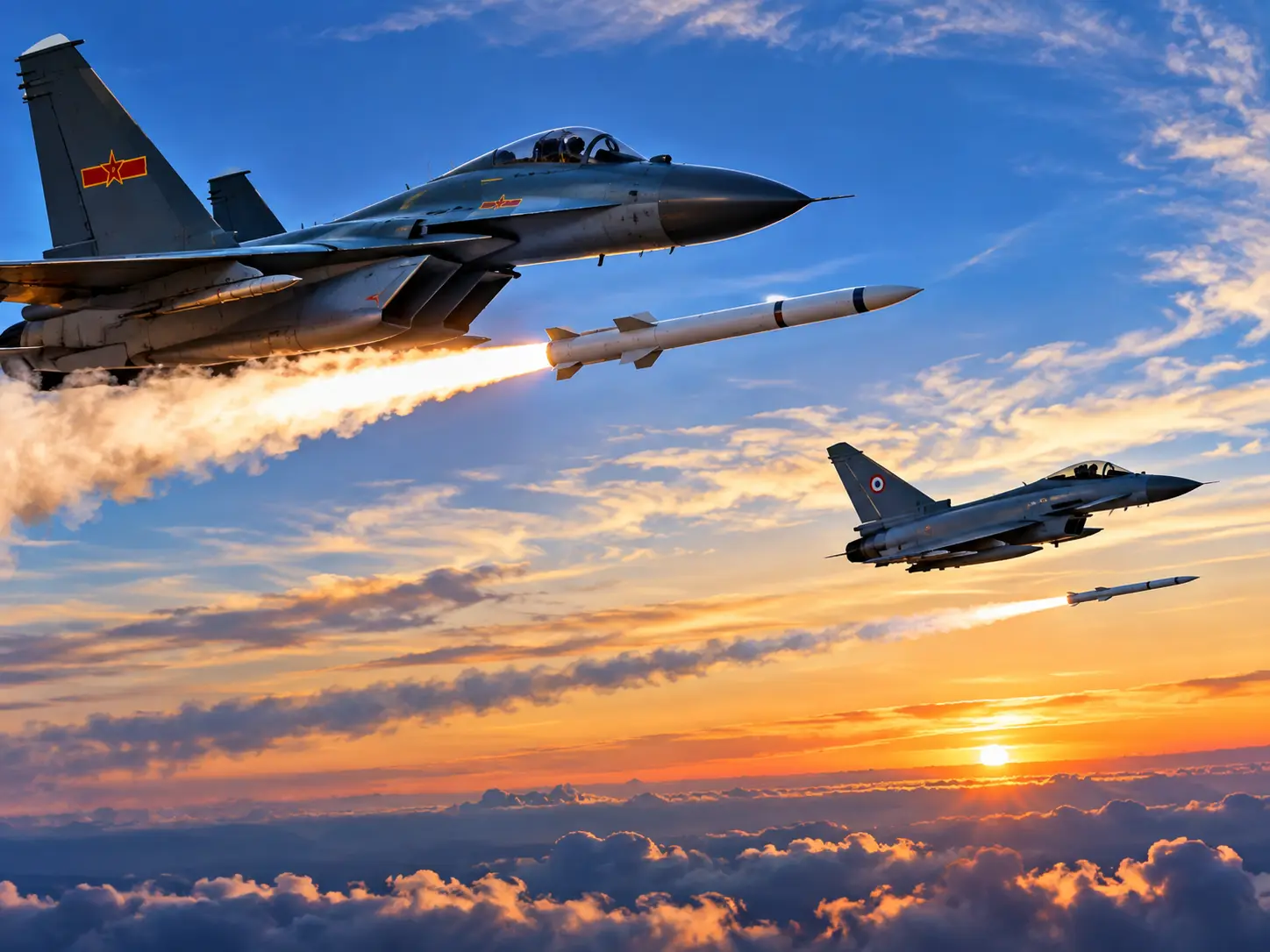
A collage of images from Iran's conflict with US and Israel Photograph: (Others)
European leaders responded cautiously to the US–Israel war on Iran, urging restraint and diplomacy. But why? Their own energy security, trade risks and geopolitical calculations seem to have outweighed usual paeans to democracy or regime change
Before the US and Israel started bombarding Iran in late February, European leaders were often vocal critics of the Islamic Republic regime's alleged human rights violations and protest suppressions. But there has been a conspicuous absence of united rhetoric or action on the ground to change the regime since the war began. What accounts for Europe's muted response, particularly stark when compared with the high-pitched rhetoric during the Russia–Ukraine war? How did European leaders respond to the war, essentially started by US President Donald Trump and Israeli Prime Minister Benjamin Netanyahu? Is Europe only worried about the continuous flow of heating oil, crude oil products and gas, and not so much about democracy or human rights in Iran?
Europe's cautious, balanced language on the Iran war
Official statements from the European Union or specific European leaders condemned Iranian actions such as retaliatory strikes on Gulf states. The statements mostly urged de-escalation and restraint without either endorsing or directly criticising the US–Israeli airstrikes. They paid lip service to democracy and human rights in Iran while expressing solidarity with the Iranian people. European leaders called for a “credible transition” or peaceful change rather than offering any justification for US-Israel military action.
Europe engages in diplomatic hedging on Iran war
Europe's response is best described as diplomatic hedging. Many of its 27 member states are also part of the security alliance NATO, of which the US is the main partner. European leaders do not want to alienate the Trump administration, which could affect ongoing Russia–Ukraine negotiations and broader security cooperation. At the same time, they are worried about how trade flows could be affected, for instance if Iran blocks ships carrying goods to Europe via the Strait of Hormuz — something Tehran has repeatedly threatened to do.
The European Union's High Representative for Foreign Affairs, Kaja Kallas, described Iran as an “exporter of war” and accused it of seeking to escalate the conflict by attacking regional neighbours. But Kallas stopped short of supporting the US–Israeli strikes, instead stressing the need for de-escalation.
Trending Stories
)
)
)
)
)
&im=FitAndFill=(700,400))
)
)
&im=FitAndFill=(700,400))
)
)
)
)
&im=FitAndFill=(700,400))
)
)
)
)
)
)
)
)
)
)
)
&im=FitAndFill=(700,400))
)
)
)
)
&im=FitAndFill=(700,400))
)
)
)
A European Union joint statement on March 1 urged Iran to end its nuclear and ballistic missile programmes and stop repression against its citizens. But again, the emphasis was on “maximum restraint” from all parties, without naming the US or Israel as aggressors.
EU Council President António Costa and European Commission President Ursula von der Leyen held a videoconference with Middle Eastern leaders on Monday (Mar 9) in which they condemned “indiscriminate attacks by Iran” and expressed solidarity with affected Gulf states. There too, they stressed diplomatic solutions without endorsing the war launched by the US and Israel.
This is a sharp contrast with Europe’s collective fury over Russia’s actions in Ukraine, where terms like “unprovoked aggression” were regularly used.
Mixed message from the European Union on Iran war?
Analysts also pointed to internal leadership tussles and turf wars between Kallas and von der Leyen, which could be contributing to mixed messaging from Europe on the Iran war.
Von der Leyen, in a post on X, said: “Europe stands with the people of Iran in their legitimate fight for freedom,” and called for a “credible transition in Iran.”
Kallas appeared to explicitly oppose another war, saying Europe should use Iran’s “weakest point” to pursue a “diplomatic solution”.
Overall, the tone of EU statements has been one of supporting the Iranian people’s “right to determine their own future” and condemning regime violence. But European leaders appear reluctant to endorse the use of force for regime change, which Israel and the US are widely believed to be attempting.
No major European leader openly supported US–Israel attacks on Iran
No top European leaders spoke in favour of the war or endorsed the US–Israeli strikes as a means to promote democracy or human rights in Iran. The statements were carefully calculated, choreographed and deliberately neutral. French President Emmanuel Macron called the strikes an “outbreak of war” with serious consequences for international peace. He sought an urgent UN Security Council meeting while urging negotiations on Iran’s nuclear programme. He also offered French military assistance to Middle Eastern partners. However, he did not praise the US–Israel offensive.
German Chancellor Friedrich Merz, who before the war had predicted that the regime in Iran would fall soon, made statements such as “international law is no longer respected” and said Germany must prioritise its own interests. This implied a reluctance to openly support the Israel–US offensive, as Merz also expressed hope that the war would “end quickly”.
In a joint statement with France and Germany, UK Prime Minister Keir Starmer warned Iran against missile attacks. But there too the call was for intensive diplomacy and military coordination in a defensive context rather than support for offensive action.
Some European leaders openly opposed the war
Contrary to the general expectation that the West would stand united with the US, some European leaders openly opposed the war. They warned that it could cause global instability, trigger more migration and disrupt energy supplies.
Spanish Prime Minister Pedro Sánchez, one of the most vocal critics of the war, rejected the US–Israel strikes on Iran outright. “The world has seen this type of conflict before when the US attacked Iraq, promising democracy and stability. The conflict only led to a rise in jihadist terrorism, a migration crisis in Europe and higher energy prices,” he said.
Sánchez went one step further, accusing Trump and Netanyahu of using the war to “hide their own failures” domestically, even as he rejected US requests for assistance.
Reportedly, Italy, the UK, Germany and France excluded Sánchez from some discussions because of his stance.
Europe’s stress appears to be on de-escalation. While von der Leyen and Costa jointly urged “maximum restraint” to avoid undermining global nuclear non-proliferation efforts, French Foreign Minister Jean-Noël Barrot, in talks with China, agreed to work towards de-escalation and a political solution while respecting Iranian aspirations.
So what is Europe’s worry — gas and oil, or more?
It would not be far off the mark to say Europe appears to be more worried about uninterrupted gas and oil supplies than spreading Western ideas of human rights and democracy in Iran. Energy security for Europe has become a central concern in discussions because of the continent’s vulnerability if supplies are disrupted.
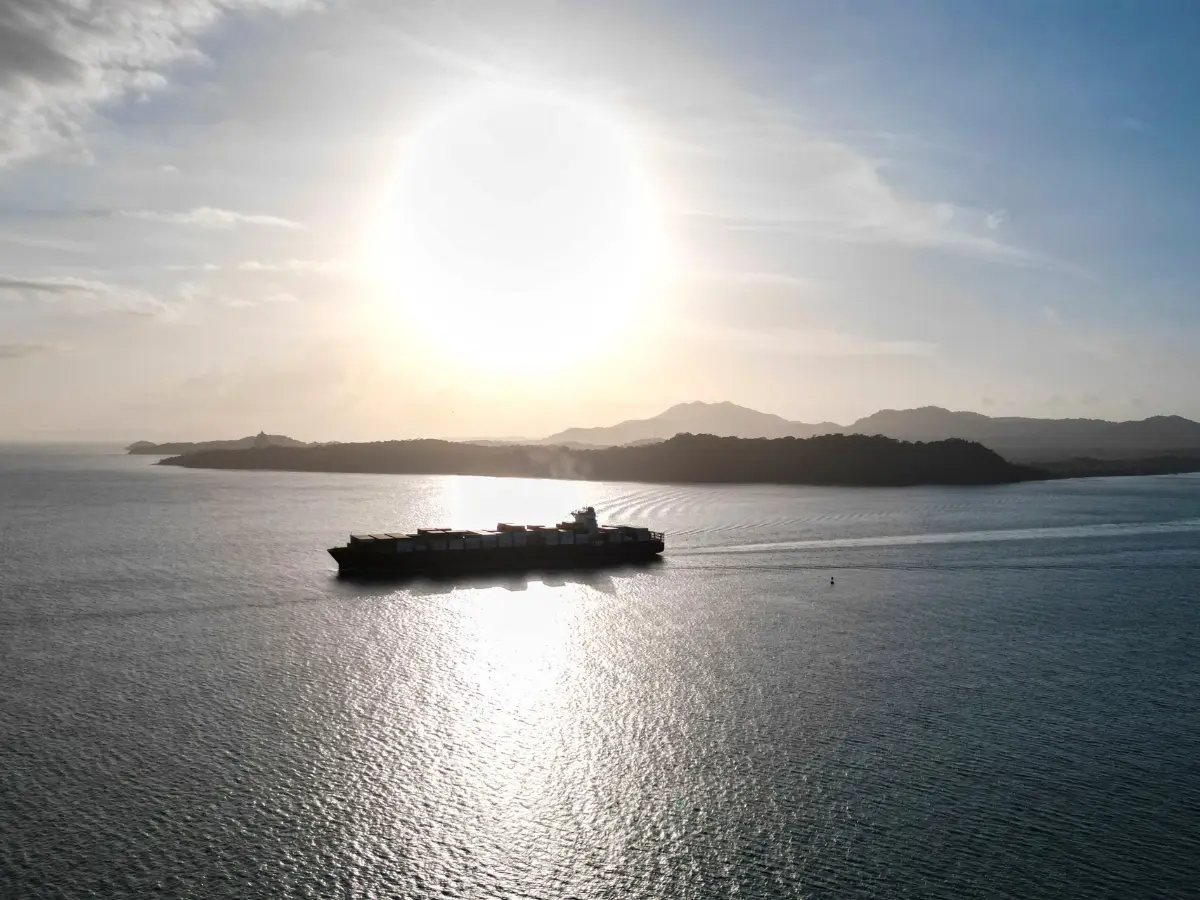
The Strait of Hormuz is a critical chokepoint through which roughly one-fifth of global oil and liquefied natural gas (LNG) shipments pass. Any disruption there immediately affects global markets, including Europe. Oil prices have been hovering around $100 per barrel after jumping sharply during the escalation, while European natural gas prices have also risen significantly.
Disruptions to Qatar’s LNG exports are affecting Europe at a time when gas storage levels remain relatively low.
All this could lead to a cascading effect in Europe, including stagflation, higher inflation and economic slowdown — especially in gas-dependent economies such as Germany.
If the war continues, food costs would rise for Europe
Western ideas such as freedom for Iranians have now become secondary to more pragmatic concerns about energy shocks, new waves of migration and broader economic fragility. Europe is already dealing with the economic consequences of the Ukraine war. Energy-import-dependent economies in Europe cannot easily afford to endorse yet another war in the Middle East.
Europe is vulnerable to high energy prices and is not well placed to cushion a major shock, according to analysts. The best course for Europe, therefore, may be a more pragmatic rather than ideological approach to the situation. That is why the entire region now appears cautious and largely silent about any bolder approach towards “regime change” in Iran.