El Mencho's death brings Mexico to a halt: 11 reasons why drug cartels became bigger than govt, security forces

&imwidth=600&imheight=450&format=webp&quality=medium "El Mencho's death brings Mexico to a halt: 11 reasons why drug cartels became bigger than govt, security forces")
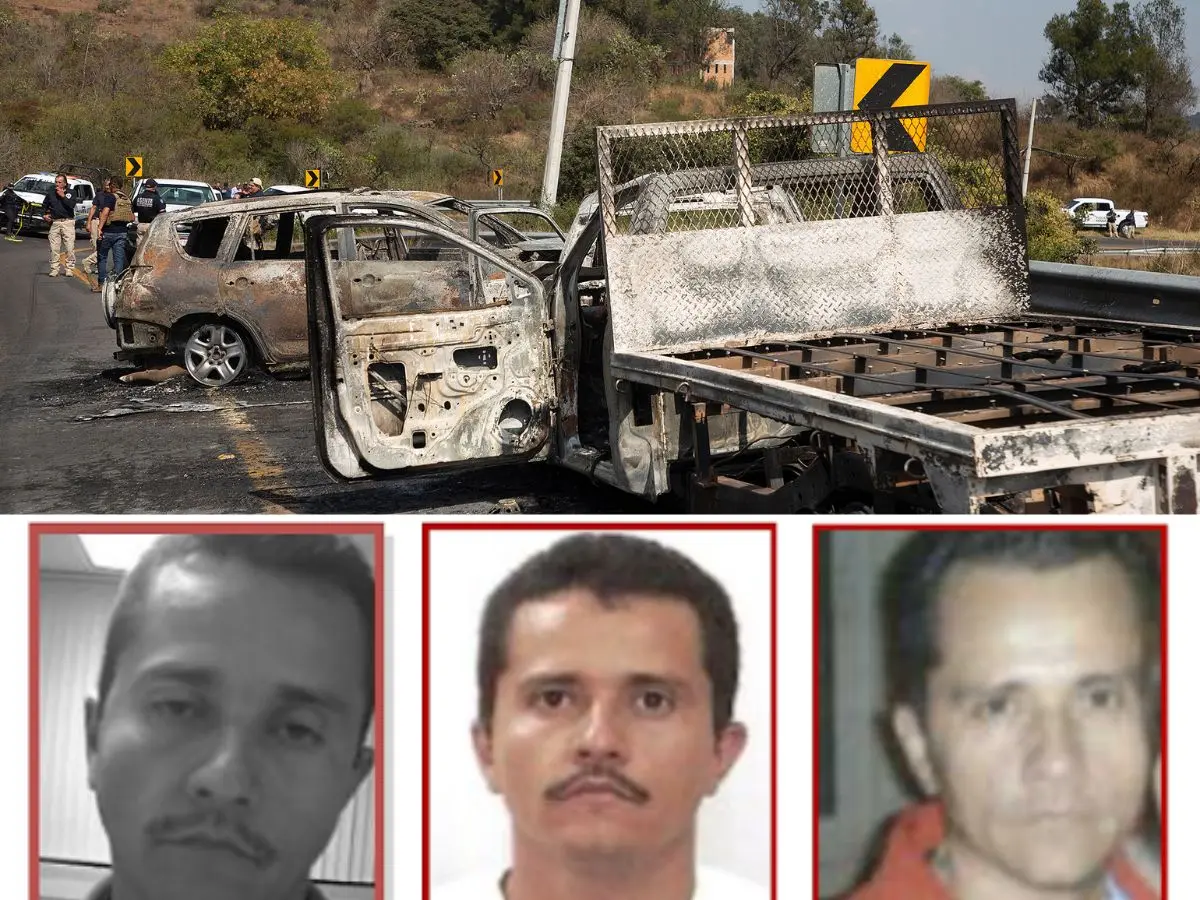
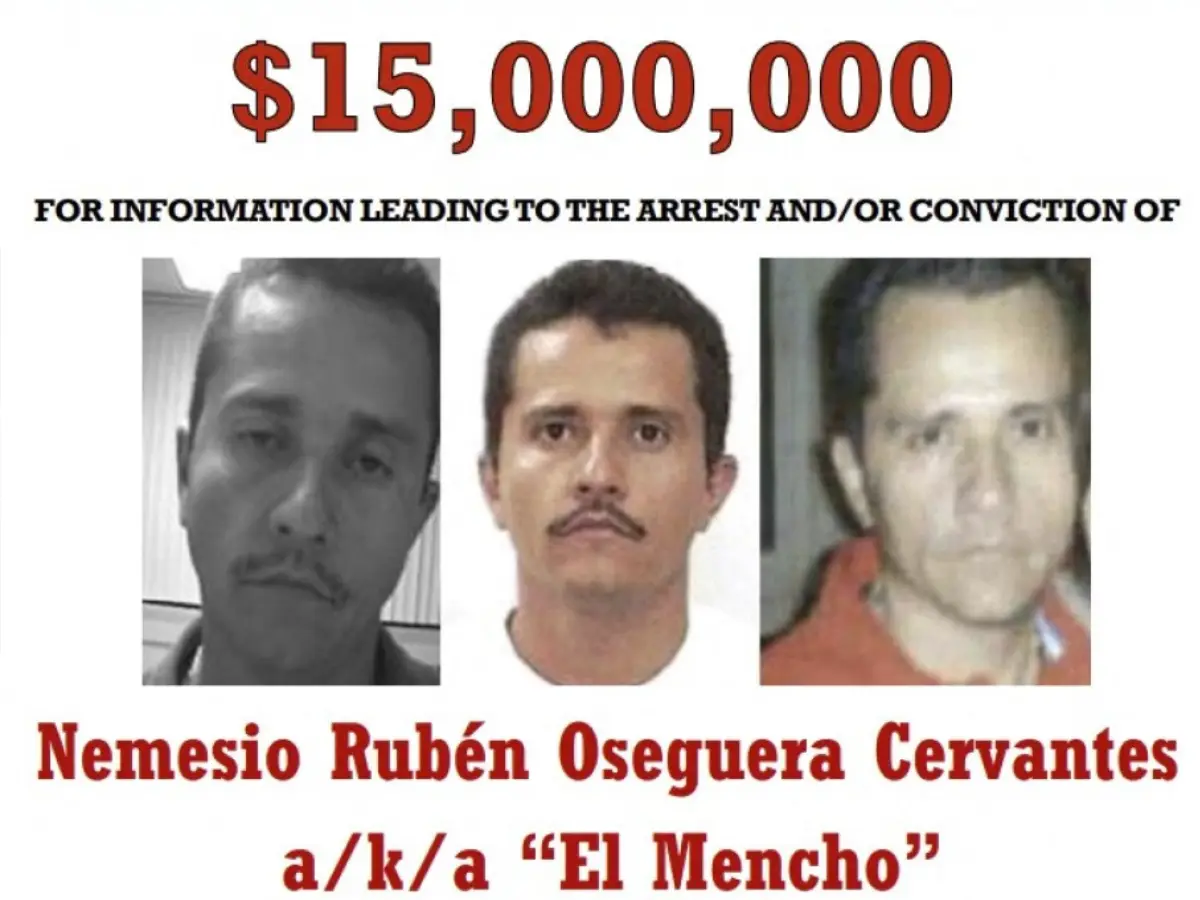
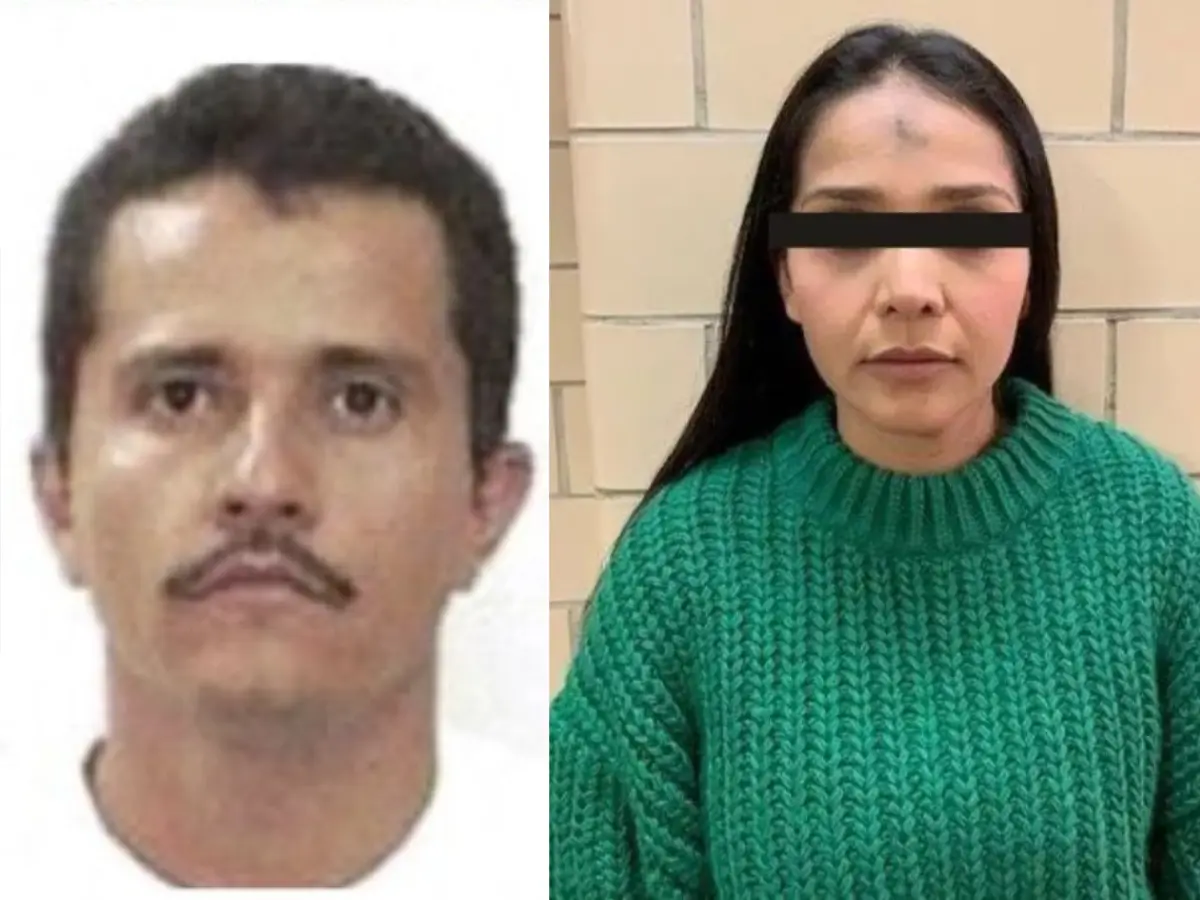
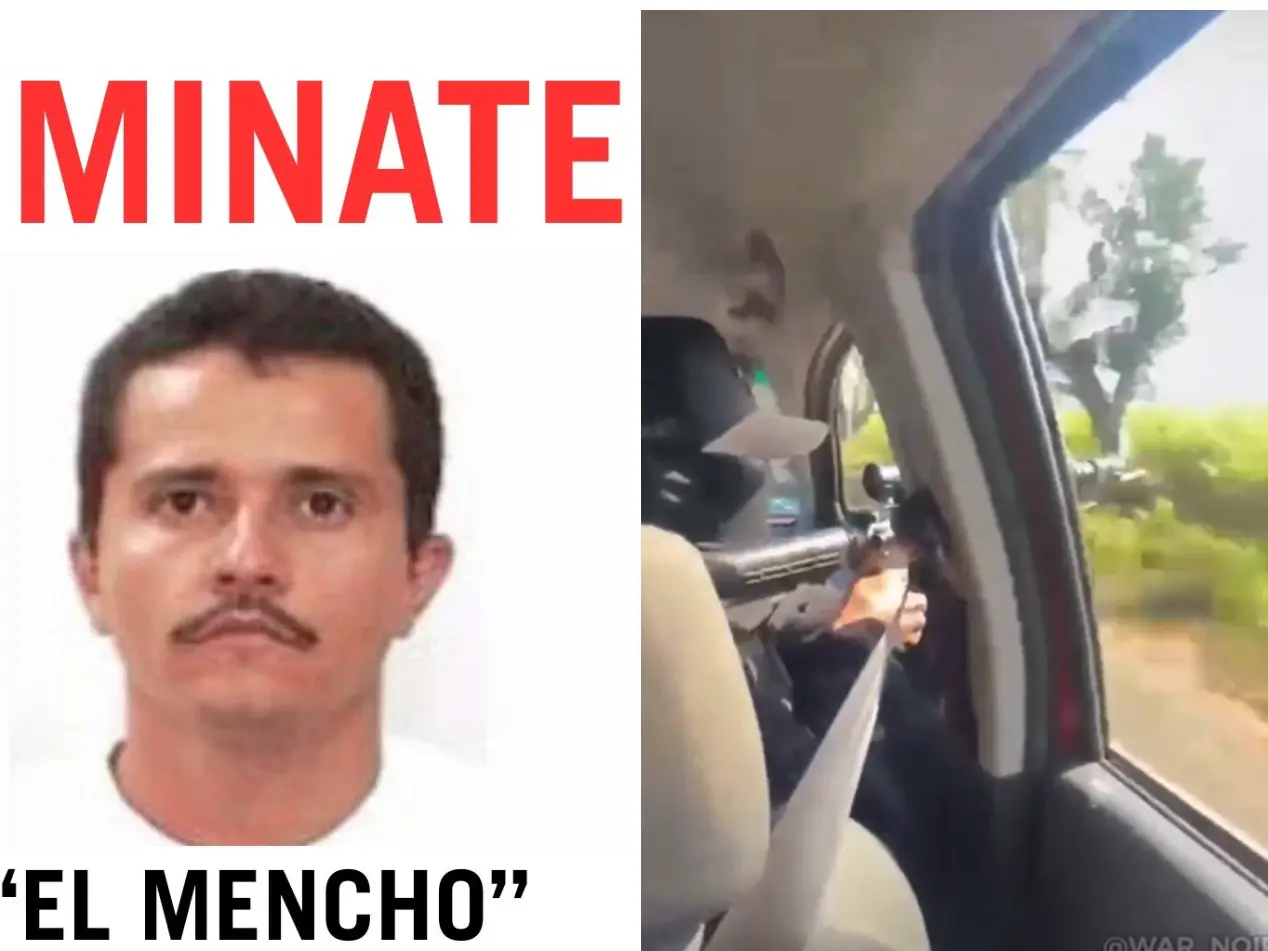
Social media images showing El Mencho and the cartel retaliation for his killing Photograph: (X)
El Mencho’s death has reignited the focus on Mexico’s powerful drug cartels. Corruption, violence, US drug demand and weak institutions are among the factors that enabled cartels to rival the state and security forces.
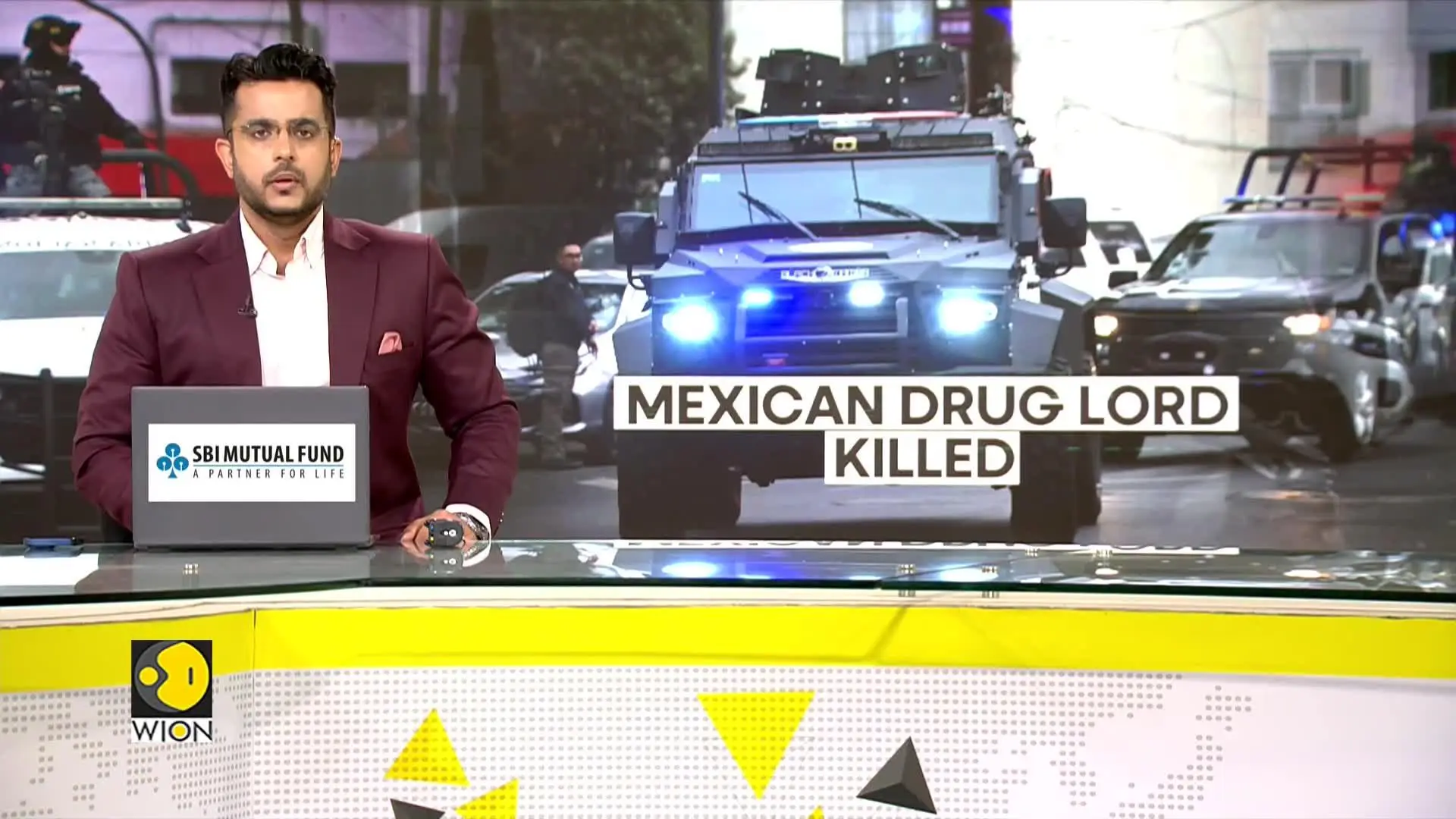
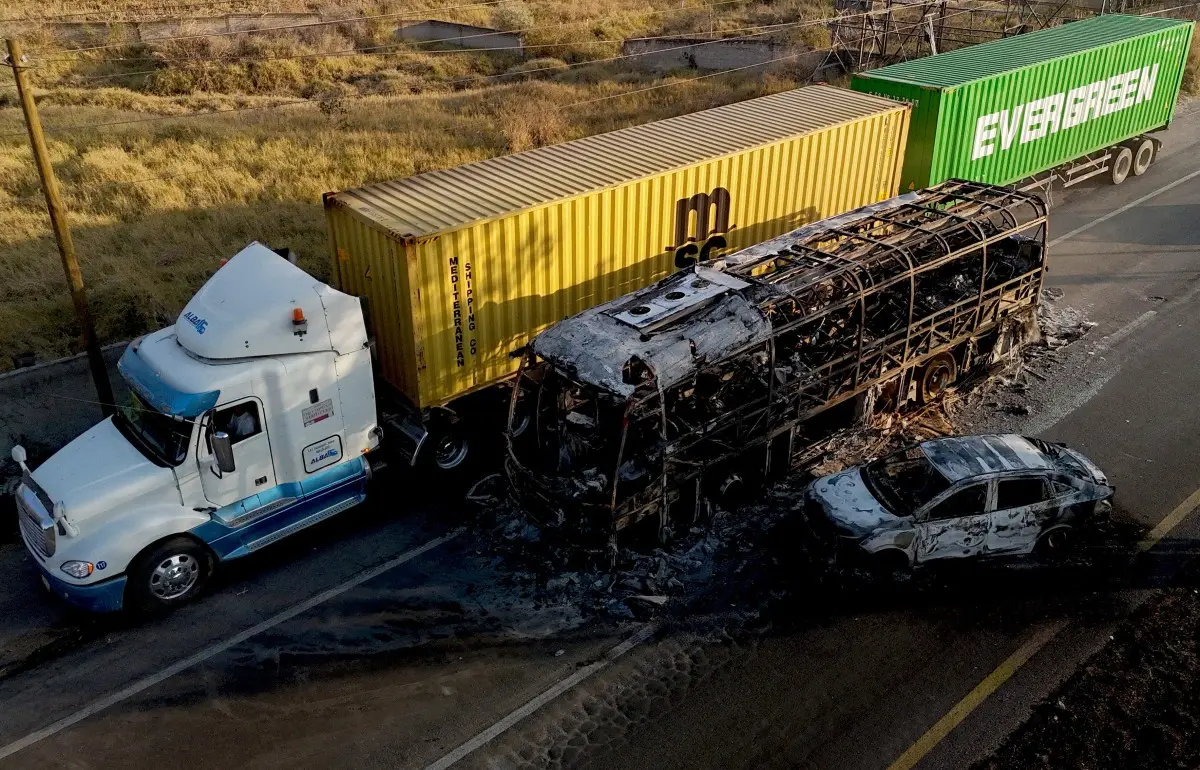
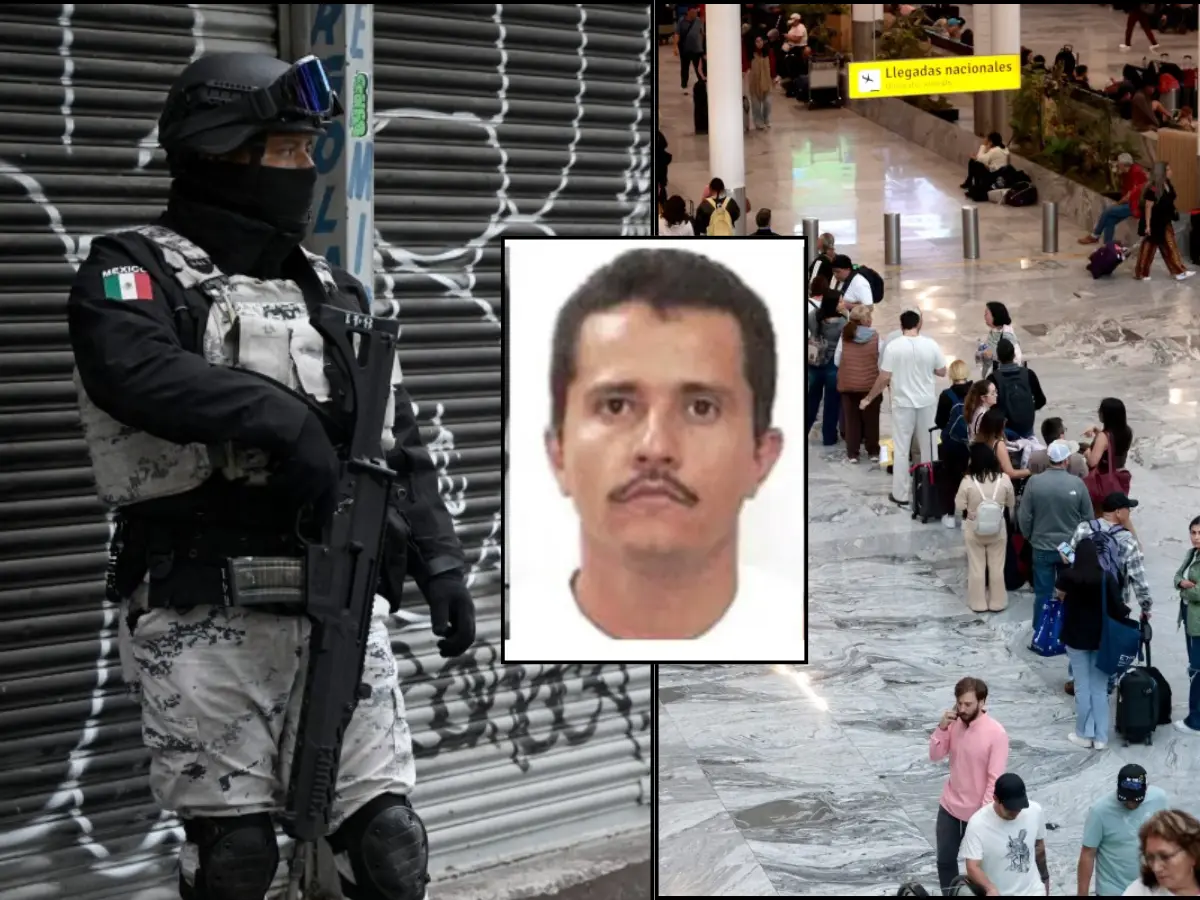
After the Mexican Army killed Nemesio Rubén Oseguera Cervantes, also known as El Mencho, members of his CJNG drug cartel went on a rampage, shooting indiscriminately and destroying public property. El Mencho, who headed the CJNG, or Jalisco New Generation Cartel, died while being airlifted to Mexico City after being wounded in an army raid in the town of Tapalpa in Jalisco state. Three other cartel members were killed.
The aftermath of the killing is shocking. It showed how cartel members have become a parallel military and security apparatus in Mexico, having been allowed to grow unchecked over the past three decades. They are capable of massive violence and control significant tracts of territory in Mexico.
But nothing grows in isolation. The Mexican drug cartels’ rise stems from a combination of historical, economic, social, and institutional factors. Here are 11 reasons why Mexican drug cartels are now so powerful that they challenge state authority.
Corruption: Drug cartels have systematically infiltrated government and institutions
The cartels bribe everyone in the chain of command in government and security, including, but not limited to, the police, military, judges, politicians, and federal and local officials, in return for protection, intelligence, and impunity.
One of the top political parties, the PRI, has had ties to cartels, leading to an implicit pact in which cartels paid for government tolerance of their operations.
Trending Stories
&imwidth=280&imheight=210&format=webp&quality=medium)
&imwidth=280&imheight=210&format=webp&quality=medium)
&imwidth=280&imheight=210&format=webp&quality=medium)
&imwidth=280&imheight=210&format=webp&quality=medium)
&imwidth=280&imheight=210&format=webp&quality=medium)
&imwidth=280&imheight=210&format=webp&quality=medium)
&imwidth=280&imheight=210&format=webp&quality=medium)
&imwidth=280&imheight=210&format=webp&quality=medium)
&imwidth=280&imheight=210&format=webp&quality=medium)
&imwidth=280&imheight=210&format=webp&quality=medium)
&imwidth=280&imheight=210&format=webp&quality=medium)
&im=FitAndFill=(700,400)&imwidth=280&imheight=210&format=webp&quality=medium)
&imwidth=280&imheight=210&format=webp&quality=medium)
&imwidth=280&imheight=210&format=webp&quality=medium)
&imwidth=280&imheight=210&format=webp&quality=medium)
&imwidth=280&imheight=210&format=webp&quality=medium)
&imwidth=280&imheight=210&format=webp&quality=medium)
&imwidth=280&imheight=210&format=webp&quality=medium)
&imwidth=280&imheight=210&format=webp&quality=medium)
&imwidth=280&imheight=210&format=webp&quality=medium)
&imwidth=280&imheight=210&format=webp&quality=medium)
&imwidth=280&imheight=210&format=webp&quality=medium)
&imwidth=280&imheight=210&format=webp&quality=medium)
&imwidth=280&imheight=210&format=webp&quality=medium)
&imwidth=280&imheight=210&format=webp&quality=medium)
&imwidth=280&imheight=210&format=webp&quality=medium)
&imwidth=280&imheight=210&format=webp&quality=medium)
&imwidth=280&imheight=210&format=webp&quality=medium)
&imwidth=280&imheight=210&format=webp&quality=medium)
&imwidth=280&imheight=210&format=webp&quality=medium)
&imwidth=280&imheight=210&format=webp&quality=medium)
&imwidth=280&imheight=210&format=webp&quality=medium)
&imwidth=280&imheight=210&format=webp&quality=medium)
&imwidth=280&imheight=210&format=webp&quality=medium)
&imwidth=280&imheight=210&format=webp&quality=medium)
&imwidth=280&imheight=210&format=webp&quality=medium)
Over the years, democratic transitions disrupted the arrangement, which only resulted in wider corruption.
Awash with vast drug profits, cartels often bribed officials, giving them the ultimatum “plata o plomo”, meaning silver or lead, a choice between money or bullets. Corruption thus became the core enabler of drug operations.
An atmosphere of fear and intimidation with extreme violence
Over the years, cartel brutality has been on full display through assassinations, beheadings, and massacres. Often, they display the dead bodies of rivals or informants. Targets have included officials, journalists, political candidates and civilians.
This has stopped resistance against cartels by the political establishment. The cartels have enforced silence and control vast populations and territories. Due to fear, local communities stop cooperating with authorities.
Agriculture: The lesser-known but important reason for cartel support and impunity
The basic ingredients of several drugs come from cash crops such as opium poppy and marijuana. Some regions in states like Sinaloa, Guerrero, and Michoacán, which also experience rural poverty, are suitable for large-scale cultivation of lucrative illicit crops.
Agricultural labour is also used in producing precursors for synthetic drugs. Together, farming communities receive steady revenue streams. This provides employment to local youth, farmers and labourers, who then show loyalty to the cartels.
A parallel security force: Drug cartels have military and paramilitary-level capabilities
Cartels are well-armed, possessing military-grade weapons, often smuggled from the US. They move in armoured vehicles and deploy drones and improvised explosive devices. Their members are combat-trained.
The group called Los Zetas was, in fact, set up by former special forces defectors. The CJNG and Sinaloa cartels have vast private armies, filled with Mexican military deserters and mercenaries.
The cartels practically act like a military, fiercely defending territory and launching offensives against both rivals and government security forces, often employing insurgent-like tactics.
The cartels run lands where state power is weak or absent
Drug cartels often run protection rackets in areas where state power is weak, resolving disputes and even offering social services that make them heroes in the eyes of locals. They also engage in extortion, levy taxes, and set up parallel governance structures.
Drugs are not the only source of revenue for the cartels now. Their business has now expanded into kidnapping, human smuggling and trafficking. They also control resources, for instance avocado production and export in Michoacán.
Drug cartels enjoy ground support from local communities
In marginalised rural and urban areas of Mexico, the cartels have gained support by providing jobs. Roles in farming, smuggling and enforcement provide economic opportunities for locals in impoverished regions. The so-called “narco-culture” that permeates Mexico's music, fashion, and even religious iconography has normalised cartels as part of daily life for many, fostering ideological allegiance to them.
With a lack of alternatives, young people often turn to the cartels for jobs, eventually turning whole communities into bases for cartel operations.
Industrial diversification and economic power of drug cartels
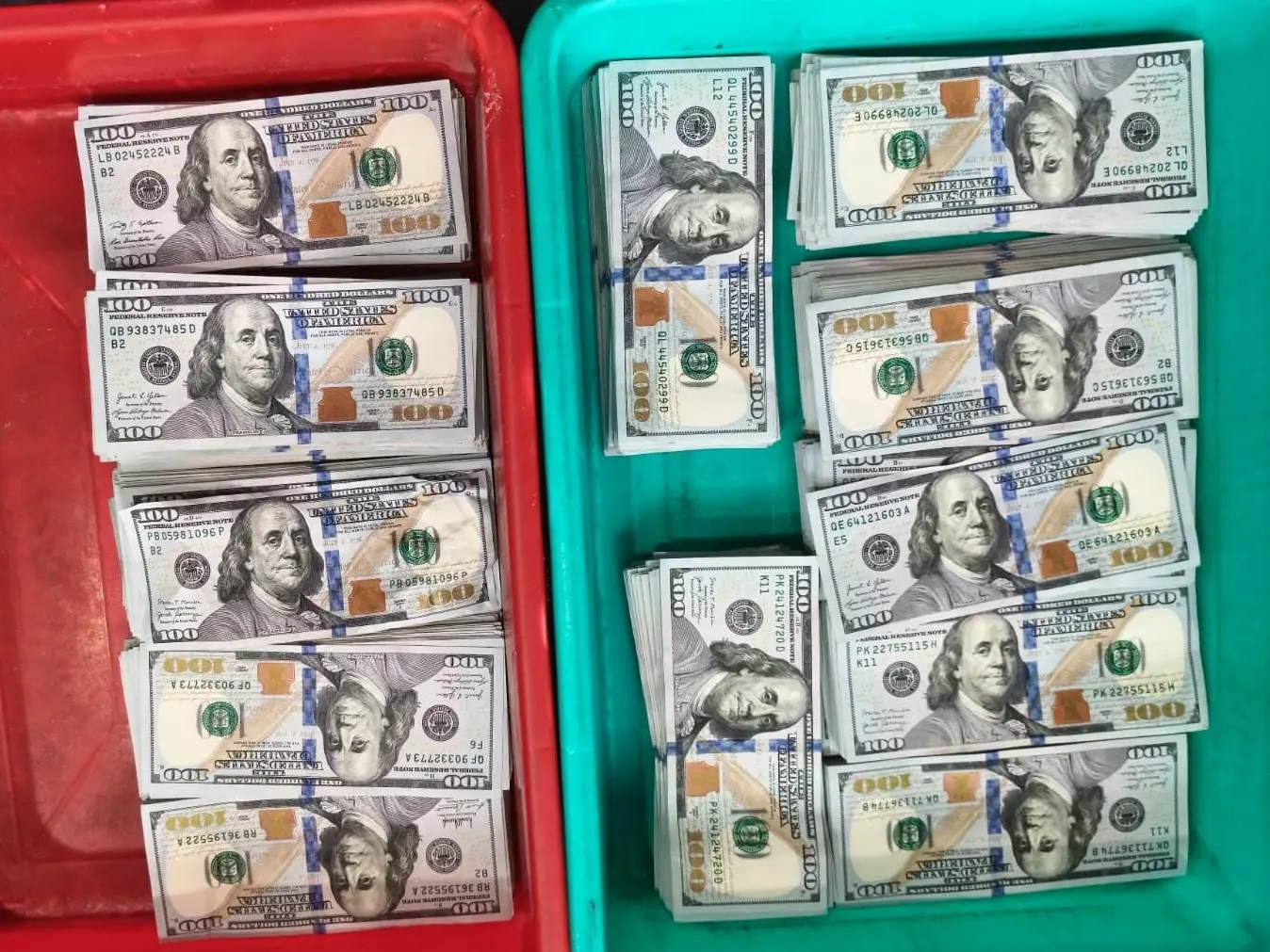
Cartel drug and non-drug profits are estimated to be billions of dollars per year, driven by demand from the US and globally. Their operations have become sophisticated, with labs for synthetic drugs such as methamphetamine and fentanyl now accounting for significant portions of production. The cartels have extensive money-laundering networks, legitimate businesses used as fronts or investments, and complex supply chains.
This creates economic dominance, making cartels major employers and influencers of local economies in Mexico.
Alliances and networks among cartels and governments
Mexican cartels often operate through tactical alliances among themselves or through international suppliers. China, for instance, is a major supplier of precursor chemicals for synthetic drugs such as fentanyl. Cartels like the CJNG have adopted a franchise model, allowing expansion of operations while maintaining centralised control.
Political funding and influence
Most drug cartels finance political campaigns, particularly at local and municipal levels, to install friendly officials. They often manipulate elections through donations, threats, or assassinations of candidates. Drug cartels have penetrated political elites to secure favourable policies, contracts, or inaction against criminal activities.
The never-ending US drug demand
The US is one of the main destination countries for drugs. Drug cartels thrive given the continuing massive demand for both traditional and synthetic drugs. US efforts helped disrupt Colombian cartels in the 1990s. This resulted in drug routes shifting to Mexico.
State weakness and political transitions
The decline of the major party, the PRI, created power vacuums in Mexico. Over the years, neoliberal economic policies have led to increased inequality.
These factors, along with rural displacement and weak institutions, pushed people towards illicit economies led by drug cartels.
These elements interact: profits fund corruption and militarisation, which in turn enable more profits and control. The violence unleashed in Mexico after El Mencho's killing exemplifies the deeply entrenched nature of that control.