&imwidth=800&imheight=600&format=webp&quality=medium "Down by 8 million barrels a day: IEA issues ominous warning on oil supplies amid Iran war, hours after largest ever stock release")
Iran war is causing the largest ever disruption of global oil supplies, the International Energy Agency (IEA) warned on Thursday (Mar 12). The IEA's dire projections came in its monthly Oil Market Report (OMR), which provides data on supply, demand, stocks, prices and refinery activity. The otherwise routine report is being watched closely this month, amid the unprecedented crisis in global oil markets. The ominous predictions came a day after the largest-ever release of global emergency oil stocks.
What was the International Energy Agency warning on oil supply?
In the report, the IEA cut its daily oil supply growth forecast sharply. It said the supply is likely to plunge by 8 million barrels a day in March. The Paris-based organisation, which includes several Western nations, now expects global supply to grow by 1.1 million barrels a day this year, the Wall Street Journal reported. This is a dramatic reduction from the earlier forecast of 2.4 million barrels a day.

All supply growth is expected to come from outside the OPEC+ alliance, as the conflict forces major Gulf producers to curb output.
Oil prices surge after wild swings as war disrupts global flows
Trending Stories
)
Why asking questions could be more important than memorising answers
)
BRICS Summit 2026: Iran's Pezeshkian praises PM Modi at BRICS
)
Osama Bin Laden ‘planned’ to target India, CIA reveals dozens of declassified documents
)
PM Modi and China's Xi offered to help resolve Russia-Ukraine war: Kremlin
)
BRICS Summit 2026: Global leaders of BRICS nations attend main open session
)
BRICS rejects EU carbon tax as ‘punitive’, ‘discriminatory’; warns of burden on Global South
)
Why dehydration is the hidden cause of travel fatigue on long flights
)
Top 5 places to visit in Goa beyond its famous beaches
)
'He is popular...': Malaysian PM Anwar Ibrahim's praise for PM Modi during bilateral meeting | WATCH
)
BRICS Summit 2026: 30+ countries seek BRICS membership
)
Frustrated man demolishes his kitchen after thousands flock to see Mother Mary his wife spotted on the wall
)
BRICS Summit 2026: PM Modi, Xi reach key consensus on ties, China to assume BRICS chairmanship in 2027
)
Trump says Canada eager to reach a deal, it could come ‘fairly soon’ if Ottawa treats US farmers better
)
From drones to KAAN fighters: Turkey outlines 229% surge in defence spending amid regional shifts
)
‘Partners, not rivals’: Xi outlines four point plan for stronger India-China ties
&im=FitAndFill=(700,400))
Why Chinese PL-15 air-to-air missiles use dual-pulse motors compared to European interceptors
)
Could staying indoors all day affect your health?
)
Who is the smiling man beside Modi, Putin and Xi at BRICS Summit 2026?
)
Why going digital does not always mean becoming more efficient
)
800 million years old - Scientists discover 'fingerprints' of supercontinent Gondwana in ancient rocks
&im=FitAndFill=(700,400))
Why do air defence missiles explode near their target instead of hitting it?
)
From severe mobility problems to recovery: Madhuri the elephant’s journey of wildlife care
)
BRICS Summit day 1: New Delhi declaration adopted with full consensus, big diplomatic win for India
)
From India, Putin warns Europe against sending troops to Ukraine, Zelensky expresses willingness to meet him at G20 Summit
)
Did Iran President Pezeshkian touch feet of Hindu spiritual leader at Delhi event as shown in viral video?
)
9-year-old Chennai prodigy clears Cambridge IGCSE grade 10 exams
)
Why does your body need time to adjust after a long journey?
)
Baba Vanga's first prophecy for 2027 is out, and straight out of science fiction
)
BRICS Summit 2026: PM Modi to hold bilateral with leaders of seven countries
)
Ramanathaswamy temple takes centre stage as PM Modi welcomes world leaders at BRICS
)
Why does your skin need protection from UV rays?
)
How does the loss of forests affect the way wildlife lives and moves?
)
IND vs AFG, 1st T20I: When and where to watch live streaming in India?
)
Why do wild animals need quiet places to survive?
)
Humans may lose control of AI: Anthropic CEO calls for slowdown, Altman, Musk back him
After several wild swings, Brent crude has breached the $100 mark. Earlier, it had touched $120 a barrel.
Further attacks on shipping and energy facilities, along with uncertainty over when the war will end, could push prices even higher.
Oil trade flows have been severely affected since the February 28 US–Israel strike on Iran triggered the ongoing war, which is now entering its second week.
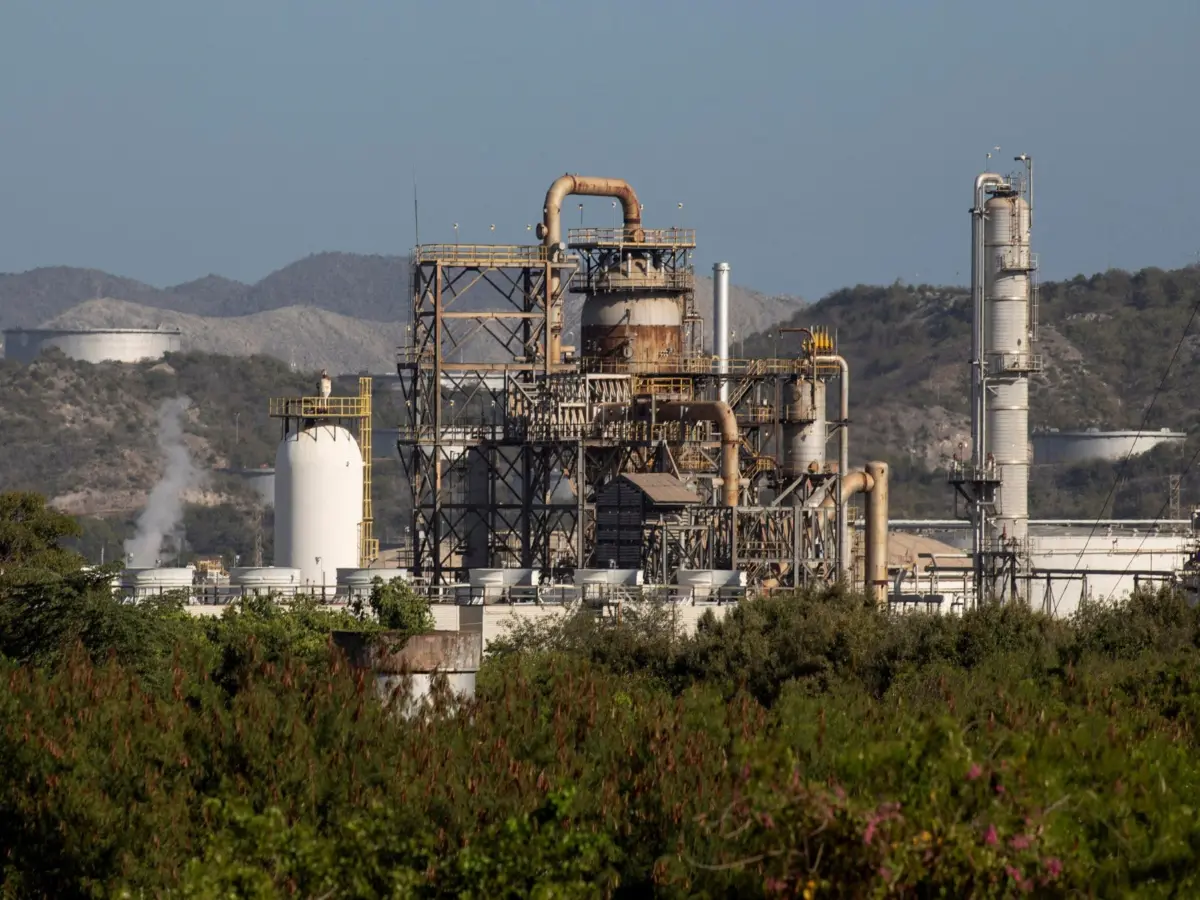
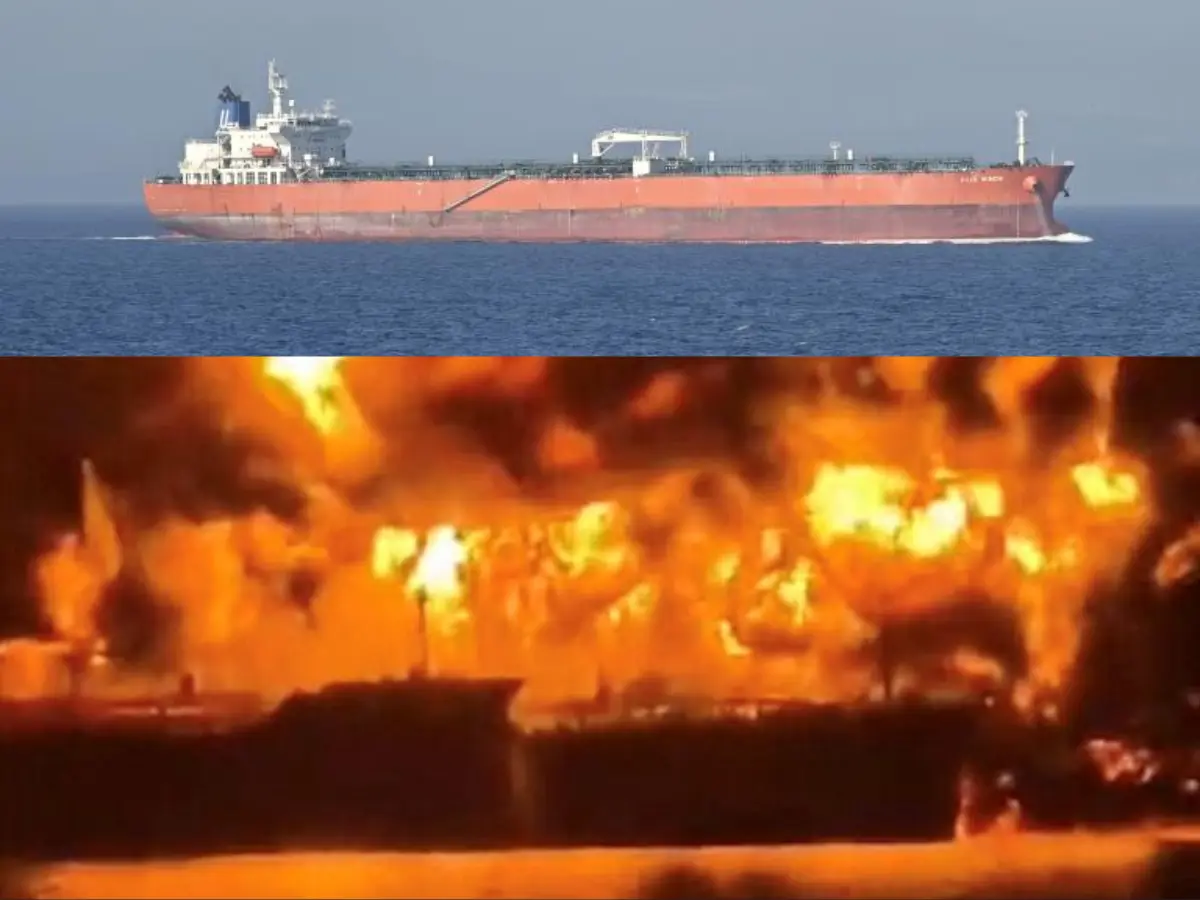
Iran’s missile and drone attacks on oil sites in Saudi Arabia and Kuwait, along with its threats to block tankers passing through the Strait of Hormuz, have dirsupted traffic through one of the world’s most critical energy routes.
The Strait of Hormuz is a key chokepoint for around 20 per cent of global oil supply and significant volumes of liquefied natural gas. Attacks on ships, closures by major shipping companies, and reduced regional production and export capacity are creating shortages.
Flows through the strait have fallen to less than 10 per cent of normal levels, amounting to a disruption of roughly 15 million barrels per day.
IEA's report came hours after largest ever emergency oil stock release
Just before the IEA report was released, its 32 member nations unanimously agreed on Wednesday (Mar 11) to release 400 million barrels from their emergency stockpiles.
This marked the largest coordinated release in IEA history—more than double the 182 million barrels released in 2022 following the Russia–Ukraine war.
The move is aimed at curbing oil price spikes and stabilising markets in the near term.
But strategic stock release may not be enough
However, the IEA warned that the strategic reserve release may not be sufficient if the war continues.
The emergency stocks could cover only about 20 days of lost supply. If the conflict continues to disrupt production and the Strait of Hormuz is not fully reopened, the reserves could quickly prove inadequate.
The war has already triggered one of the most severe oil market shocks in decades. Some industry observers have described it as the biggest disruption ever, while others say it could rank among the worst since the oil shocks of the 1970s.
March IEA report more ominous than February
IEA's March OMR paints a far darker picture than the February 12 report. The earlier report projected global oil demand growth of 850,000 barrels per day in 2026. It also forecast supply growth of around 2.4 million barrels per day and a surplus of roughly 3.73 million barrels per day.