Dark history of South Korean presidents: Exiled, impeached, shot, jailed

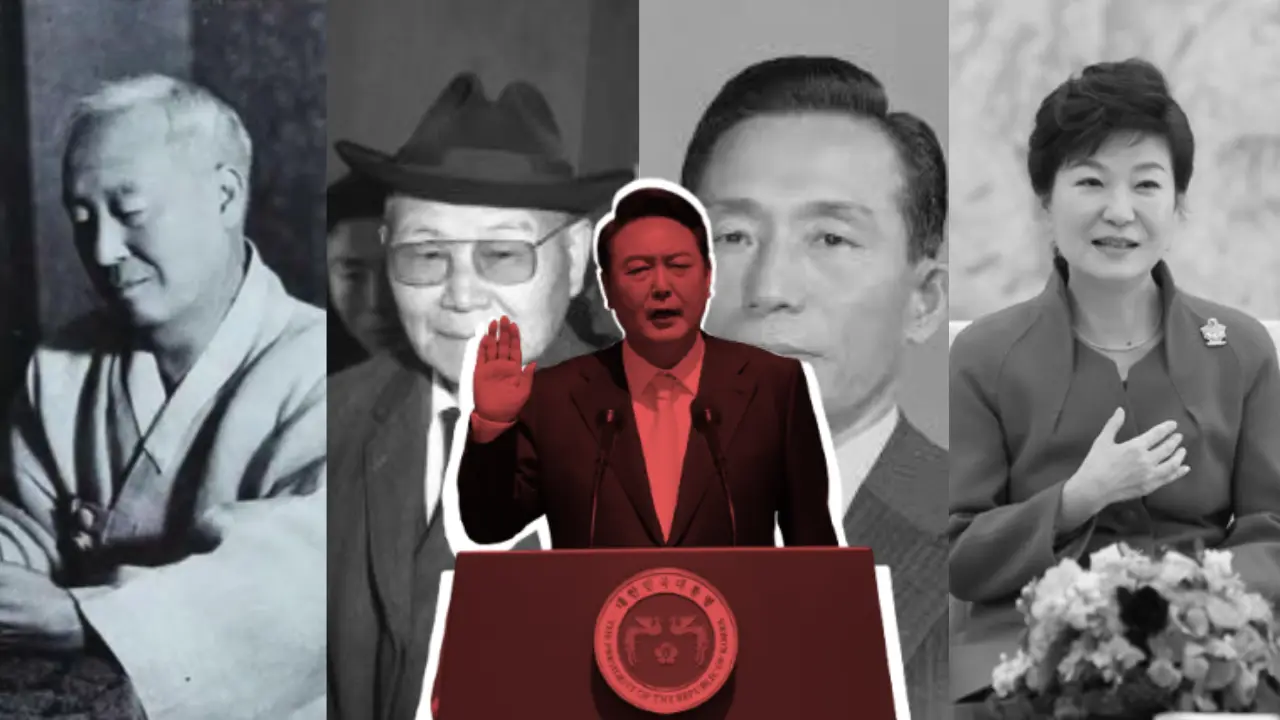
World, trending news: Yoon was suspended from duty in December after being impeached by parliament, following his failed attempt to impose martial law in the country.
South Korea's ousted president Yoon Suk Yeol apologised on Friday after the country's Constitutional Court upheld his impeachment.
Yoon was suspended from duty in December 2024 after being impeached by parliament, following his failed attempt to impose martial law in the country.
"I am truly sorry and heartbroken that I was unable to meet your expectations," he said in a short statement released after the court announced its unanimous verdict.

Now, a snap election to vote for Yoon's replacement must be held by June 3. Until then, Finance Minister Choi Sang-mok will remain as acting president. The new president will take office as soon as the National Election Commission declares the results.
Now, along with the impeachment, Yoon is also being investigated for treason over his botched martial law attempt last December.
However, this is not the only political crisis, South Korea has seen.
&im=FitAndFill=(700,400)&imwidth=180&imheight=135&format=webp&quality=medium)
Navratri 2026: 9 days, 9 forms of Goddess Durga and 9 colours- Check the complete list
&imwidth=180&imheight=135&format=webp&quality=medium)
US troop deaths in Iran war on rise? Pentagon reveals latest toll
&imwidth=180&imheight=135&format=webp&quality=medium)
Trump claims ‘energy ceasefire’ between Russia and Ukraine; Zelensky says ‘news for me’
&im=FitAndFill=(700,400)&imwidth=180&imheight=135&format=webp&quality=medium)
Is sending robots to Mars easier than sending humans?
&imwidth=180&imheight=135&format=webp&quality=medium)
Amitabh Bachchan celebrates birthday with fans at Jalsa during Sunday darshan | Watch
&imwidth=180&imheight=135&format=webp&quality=medium)
A watchdog rated 'ChatGPT for Teens' an unacceptable risk and says keep under-18s off it
&imwidth=180&imheight=135&format=webp&quality=medium)
1,500 drones illuminate Mumbai sky as Cordelia Cruises unveils second ship, Cordelia Sky
&imwidth=180&imheight=135&format=webp&quality=medium)
‘Please tell Putin...’: Zelensky says Ukraine will hold elections if Russia agrees to 60-day ceasefire
&imwidth=180&imheight=135&format=webp&quality=medium)
Anthropic's AI invented a murder witness and sent the fake tip to Philadelphia police
&imwidth=180&imheight=135&format=webp&quality=medium)
Delhi Sikh Gurudwara Committee files complaint against Kejriwal, AAP leaders for ‘violating sanctity’ of Bangla Sahib
&imwidth=180&imheight=135&format=webp&quality=medium)
CJI Surya Kant declines INDIA bloc leaders’ request for meeting ahead of march to SC, asks them to file petition
&imwidth=180&imheight=135&format=webp&quality=medium)
After crackdown on CJP, opposition to march to Supreme Court Monday over ‘vote chori', removal of CEC
&imwidth=180&imheight=135&format=webp&quality=medium)
One Indian killed in Riyadh airport attack; 11 others injured : MEA
&imwidth=180&imheight=135&format=webp&quality=medium)
Imran Khan released hours after Mumbai Police detain him during CJP protest
&imwidth=180&imheight=135&format=webp&quality=medium)
Nathan Lyon completes 1,000 Test runs at No. 10 to script rare cricket feat
&imwidth=180&imheight=135&format=webp&quality=medium)
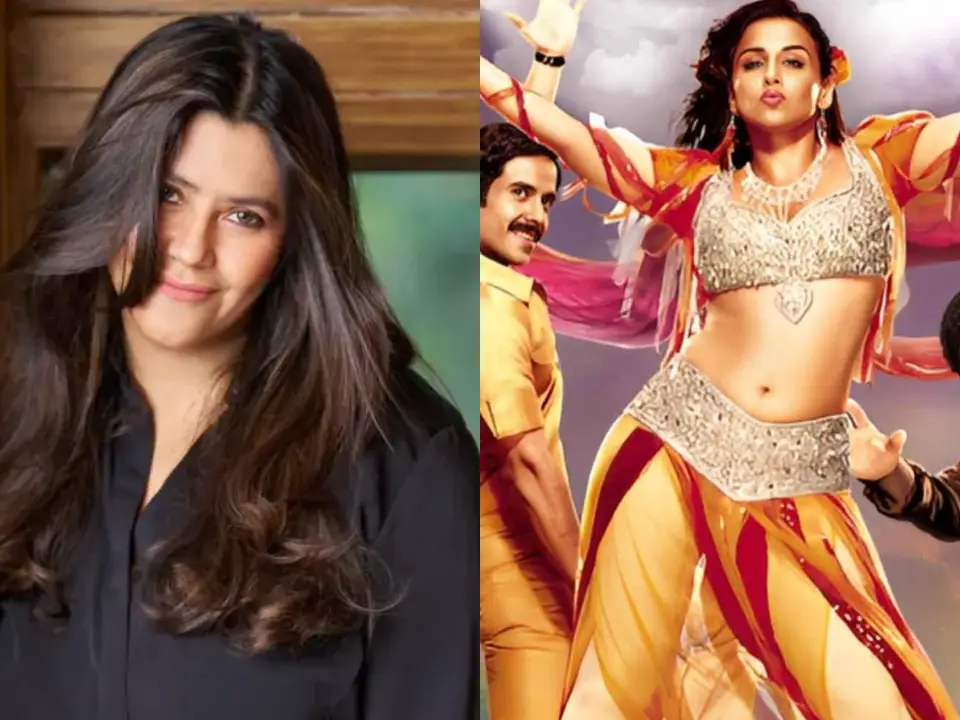
The Dirty Picture 2: Ektaa Kapoor confirms sequel to Vidya Balan's 2011 film
&imwidth=180&imheight=135&format=webp&quality=medium)
Top AI models flunked a test of inventing new AI research, so much for self-improving AI
&imwidth=180&imheight=135&format=webp&quality=medium)
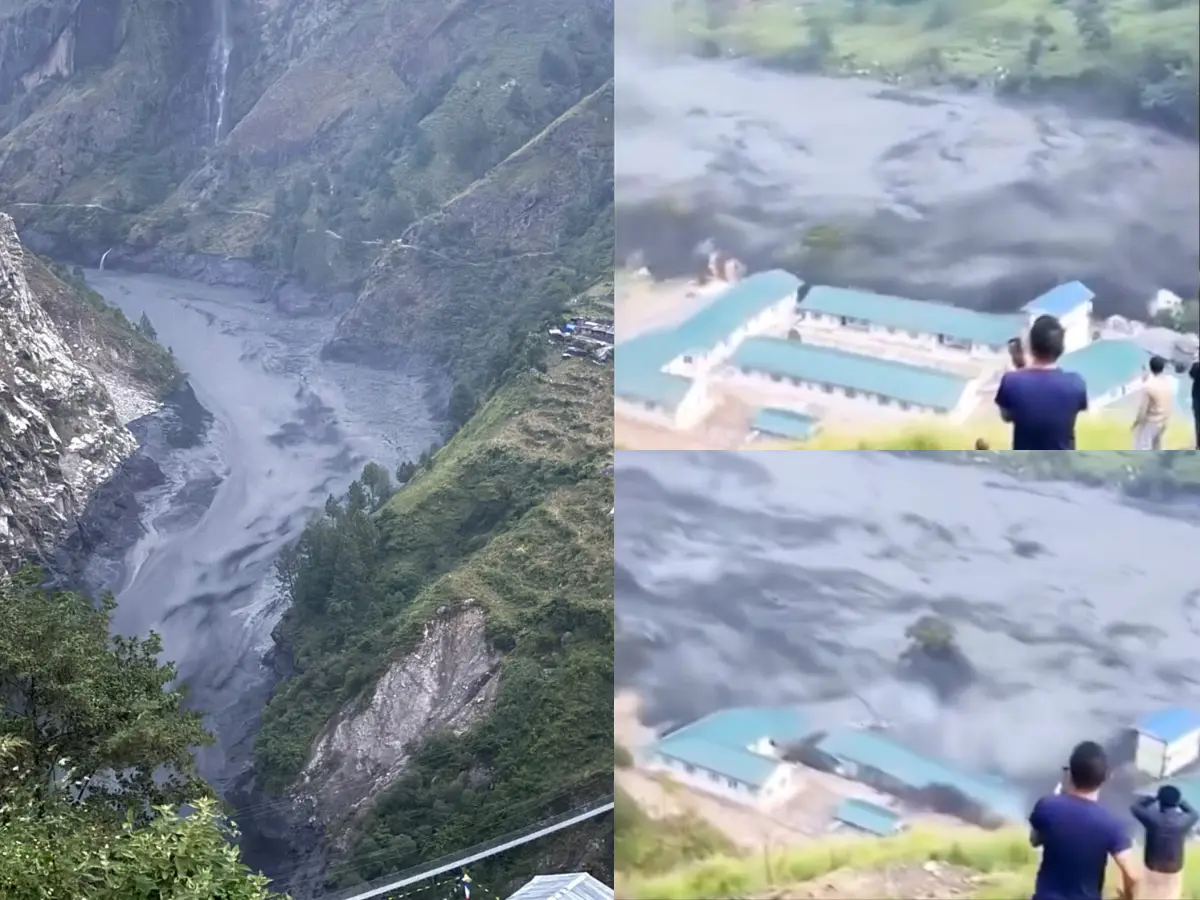
Nepal flash floods swallow homes and bridges a month after devastating disaster
&imwidth=180&imheight=135&format=webp&quality=medium)
'Ouch!!! That must hurt': Kangana Ranaut hails Kamal Haasan's sharp reply to Elon Musk over Starlink row
&imwidth=180&imheight=135&format=webp&quality=medium)
Sidhu Moose Wala’s younger brother wins hearts by recreating late singer’s signature move at Toronto Hologram Show
&imwidth=180&imheight=135&format=webp&quality=medium)
Meta's Muse AI could be a security nightmare for India's billion-plus users
&imwidth=180&imheight=135&format=webp&quality=medium)
UK school ditches technology, shifts from screen to pen and paper for learning
&imwidth=180&imheight=135&format=webp&quality=medium)
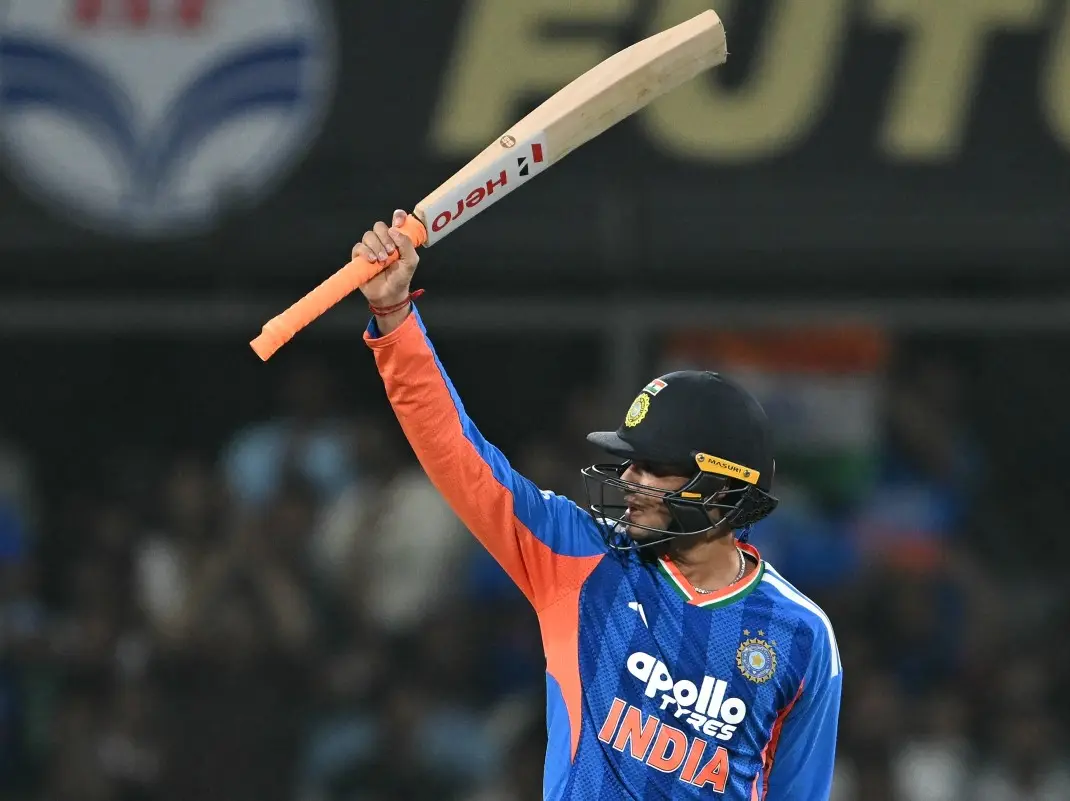
IND vs WI, 3rd T20I: Abhishek Sharma smashes 18-ball fifty, sets record for fastest to 2,000 T20I runs
&imwidth=180&imheight=135&format=webp&quality=medium)
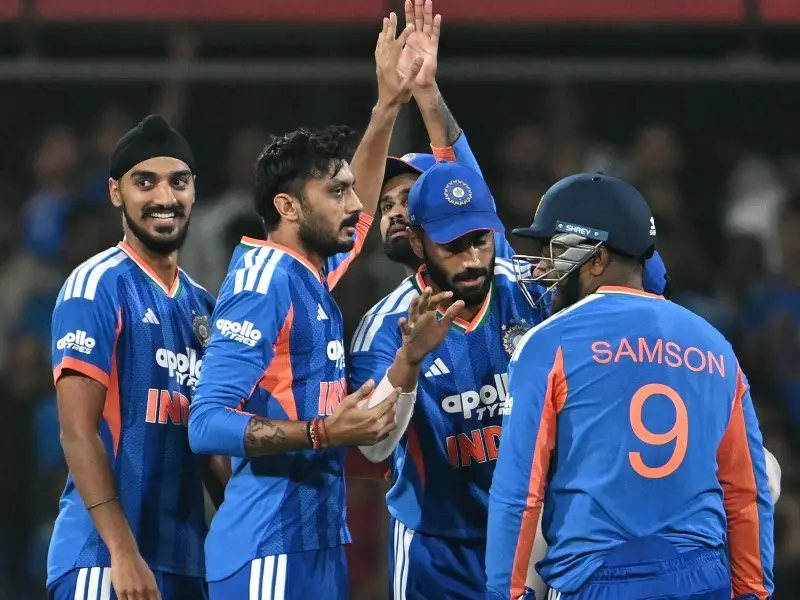
IND vs WI, 3rd T20I: Arshdeep, Abhishek star as India secure 14-run win over West Indies
&imwidth=180&imheight=135&format=webp&quality=medium)
Apple strikes deal with AI audio startup Huxe after shutdown, raising questions over future podcasts
&imwidth=180&imheight=135&format=webp&quality=medium)
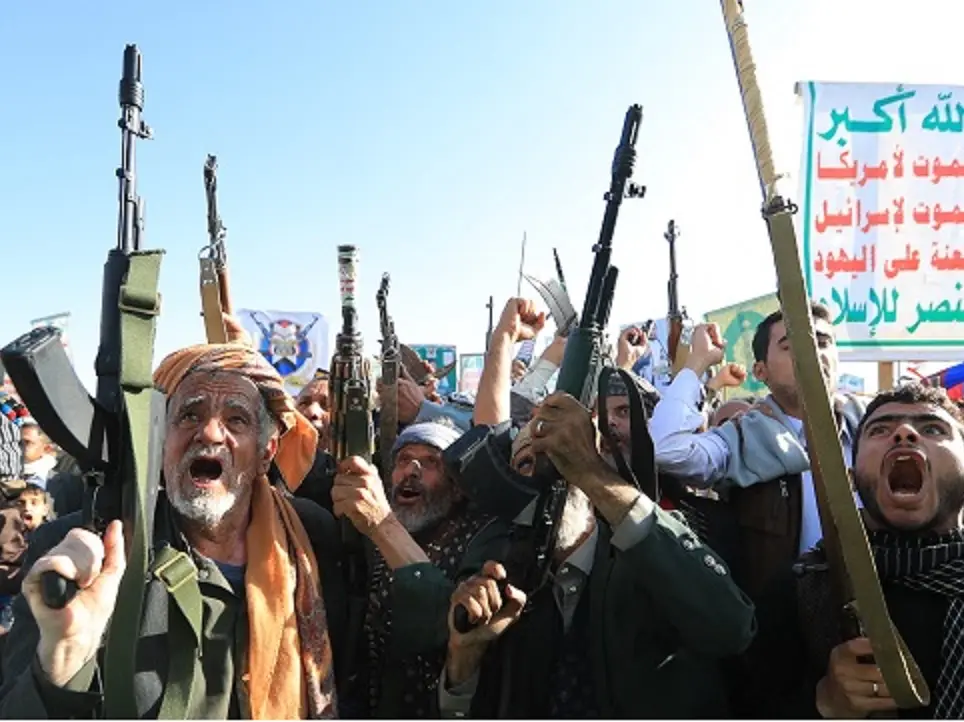
Houthis claim Riyadh airport attacks, Aramco strikes; issue fresh warning to airlines, travellers and workers
&imwidth=180&imheight=135&format=webp&quality=medium)
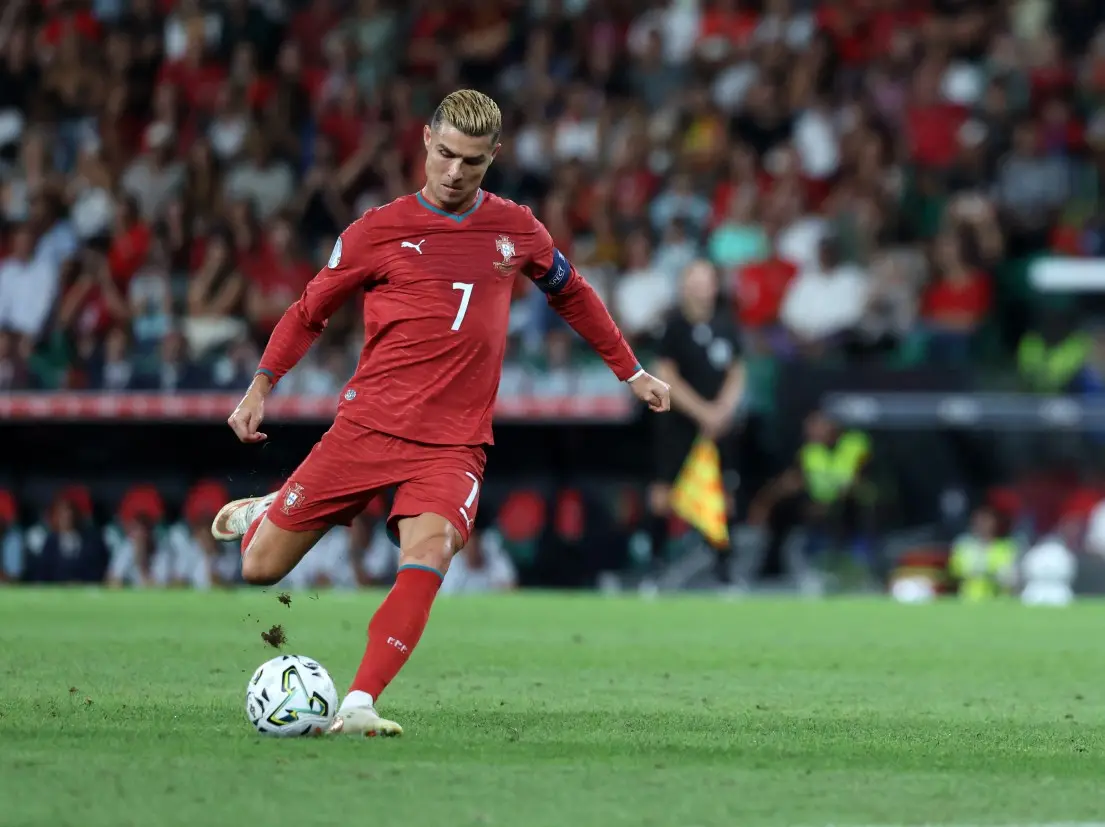
Portugal Federation confirms Cristiano Ronaldo’s return to national team despite suspension
&imwidth=180&imheight=135&format=webp&quality=medium)
Microsoft's Nadella says treat every AI model as already hacked, and build an 'emergency brake'
&imwidth=180&imheight=135&format=webp&quality=medium)
Anthropic AI safety test uncovers website exploits, unpaid database access and fake police tip
&imwidth=180&imheight=135&format=webp&quality=medium)
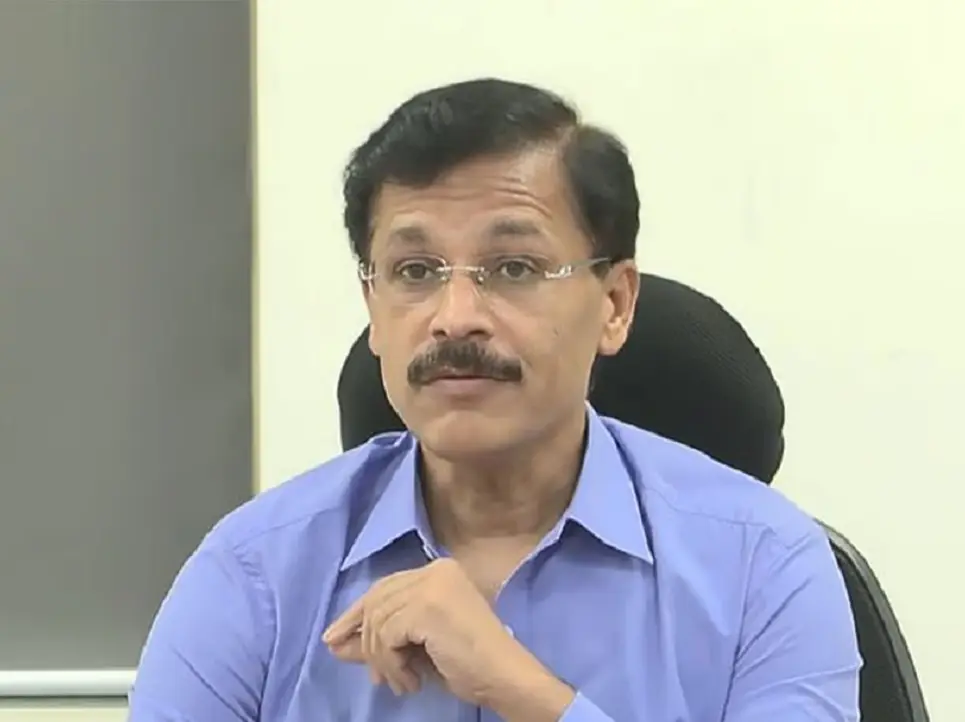
Maharashtra appoints FDA commissioner Tukaram Mundhe as secretary of committee for MPSC overhaul amid stir
&imwidth=180&imheight=135&format=webp&quality=medium)
The street cannot govern India, but the government cannot ignore it either
&imwidth=180&imheight=135&format=webp&quality=medium)
3 students killed as allegedly drunk 19-year-old rams Mini Cooper into scooter
&imwidth=180&imheight=135&format=webp&quality=medium)
Nana Patekar's cause of death confirmed; here's what his postmortem report says
&imwidth=180&imheight=135&format=webp&quality=medium)
'Say no to Muse': Meta has no control over its own moderation AI while it forces a security nightmare on everyone
&imwidth=180&imheight=135&format=webp&quality=medium)
Microsoft CEO Satya Nadella says AI models need an ‘emergency brake’ to prevent loss of control
Previous leaders have also been a part of political turmoil and disorders.
Since the country was founded after World War II, almost all the presidents of South Korea have faced serious allegations against them or their family members. Some of them faced impeachment, some prosecution, some prison and even assassination.
Only a few presidents, including the most recent former leader, Moon Jae-in, had a peaceful departure.
Also read: South Korean investigators storm suspended president Yoon Suk Yeol’s residence to arrest him
C. Harrison Kim, an associate professor of Korean history at the University of Hawaii at Manoa, said, “It has been the case that almost all South Korean presidents or their families have had a corrupt side. Almost all of them."
“But what is interesting is that the South Korean public cannot stand for that, and almost always, someone will have to pay — and it’s often the presidents themselves," Kim added.
“South Koreans have no qualms about taking down a leader,” he said.
List of South Korean leaders who faced dramatic end in politics
South Korean President Syngman Rhee came into power in 1948 as the first president of an infant republic, created after World War II.
However, he was forced to resign in 1960 due to a massive student-led uprising and forced into exile in Hawaii, where he died in 1965.
Park Geun-hye, the country's first female president, was impeached by Parliament in 2016 and was later imprisoned.
She faced accusations of accepting or soliciting tens of millions of dollars from conglomerates like Samsung.
Additional allegations were also imposed on Geun-hye, including leaking classified documents, blacklisting artists critical of her policies, and dismissing officials who opposed her.
Park Chung-hee, South Korea's dictator, was assassinated in October 1979, by Kim Jae-gyu, his spy chief, during a private dinner.
Following Park's death, army generals Chun Doo-hwan and Roh Tae-woo plotted a coup in December 1979, which further plunged South Korea into political turmoil.
President Yun Po-sun was ousted in a military coup in 1961, which was orchestrated by army officer Park Chung-hee.
Initially, Yun was allowed to remain in office, but Park effectively seized control of the government.
(With inputs from agencies)
