&imwidth=800&imheight=600&format=webp&quality=medium "Crown Prince MBS US visit: Will Saudi–Pak–US relationships cause worry for India?")
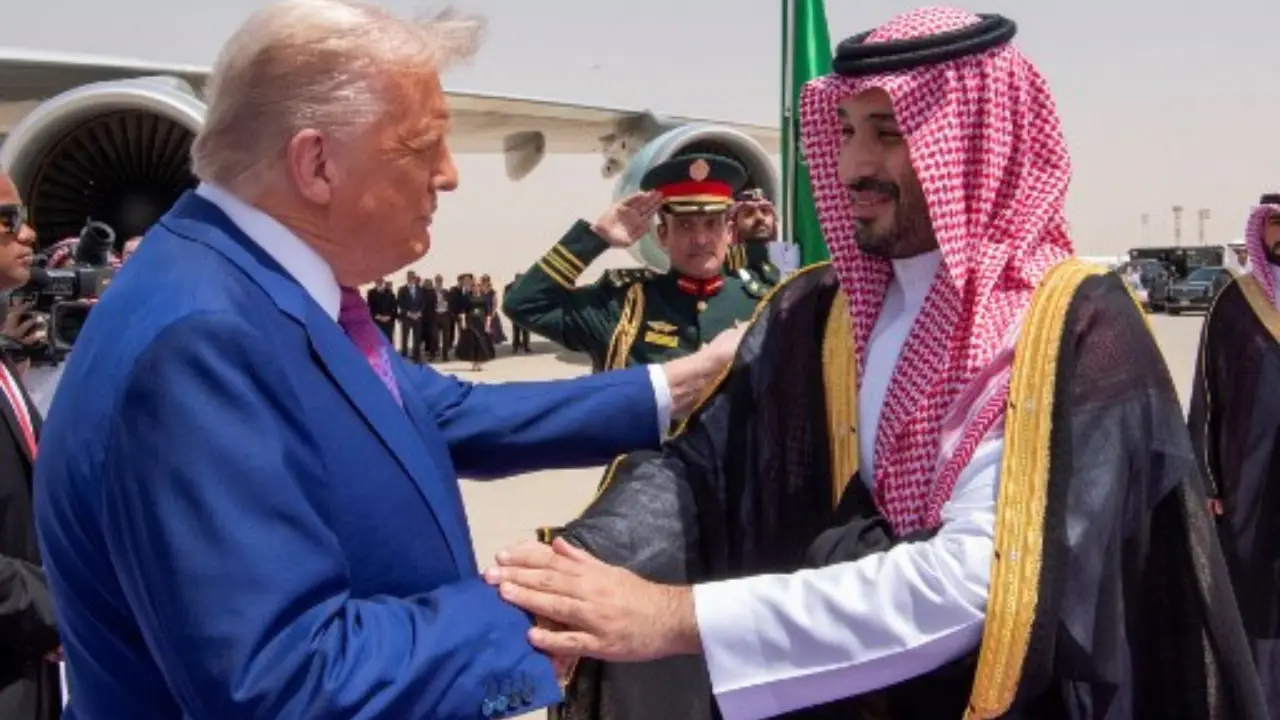
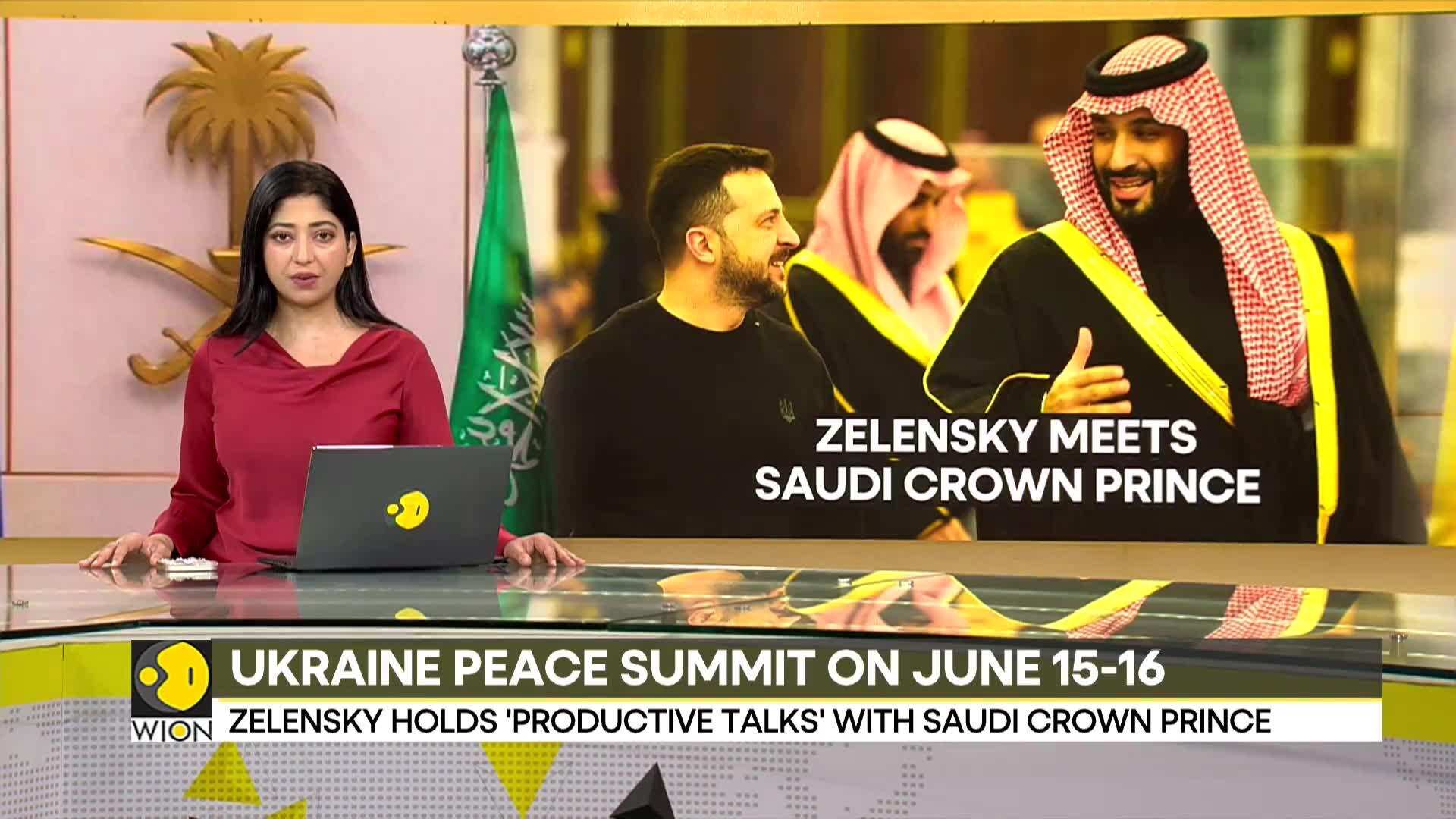
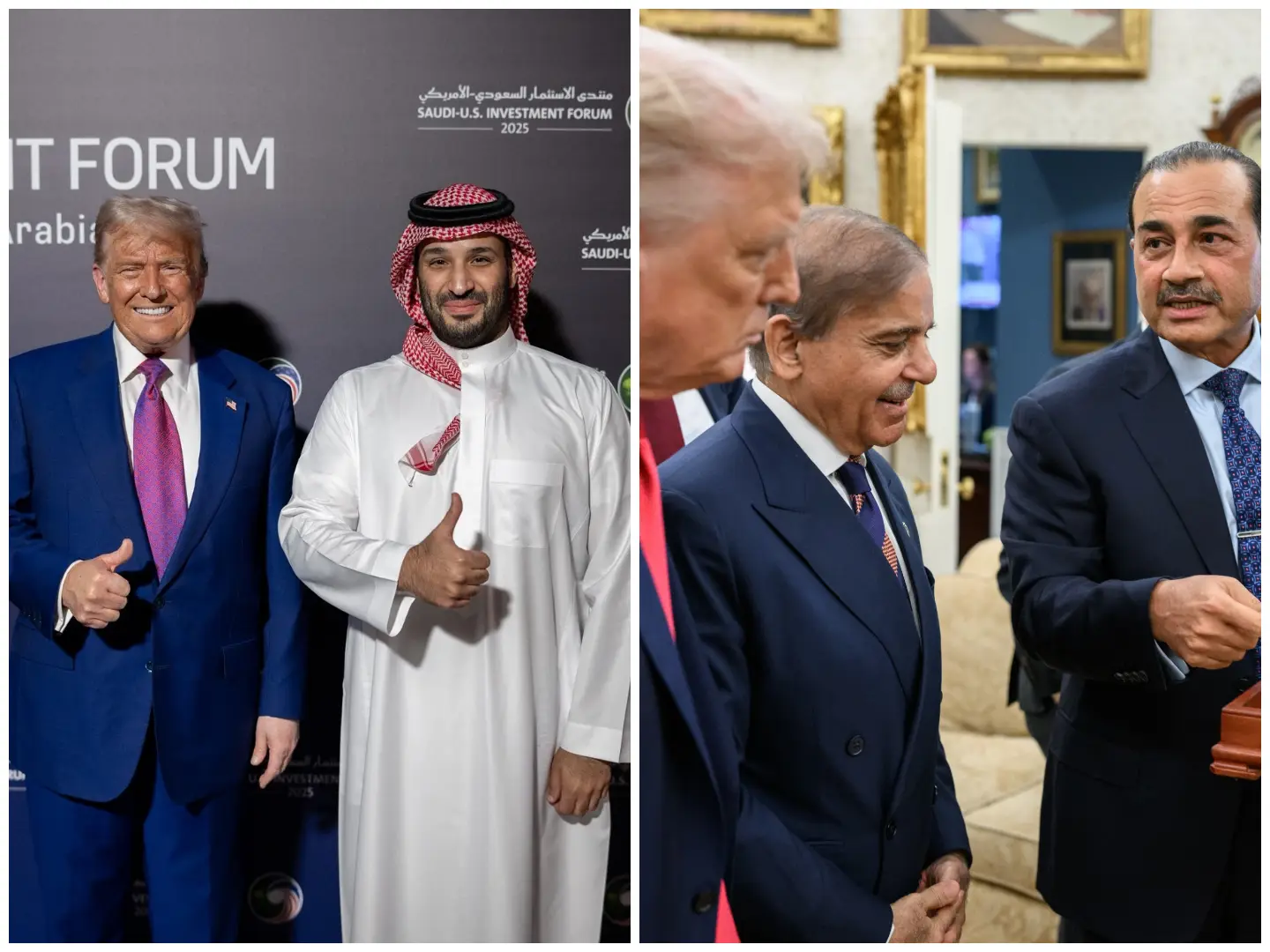
As Crown Prince Mohammed bin Salman visits the United States on Tuesday (Nov 18), there are signs of bilateral engagements that point to intensifying security ties among Saudi Arabia, Pakistan, and the US. This raises the question of whether both Saudi Arabia and Pakistan could be used by Washington as vantage points for monitoring Iran. It also prompts a wider inquiry into what a Saudi–Pakistan–US security arrangement might mean for India. The Crown Prince’s visit is expected to cement the US–Saudi partnership even as the kingdom’s longstanding security ties with Pakistan remain well-known. These tracks could intersect when it comes to managing their shared regional rival, Iran. But where would India figure in all these?
Setting the context: Saudi Crown Prince visit and growing US ties
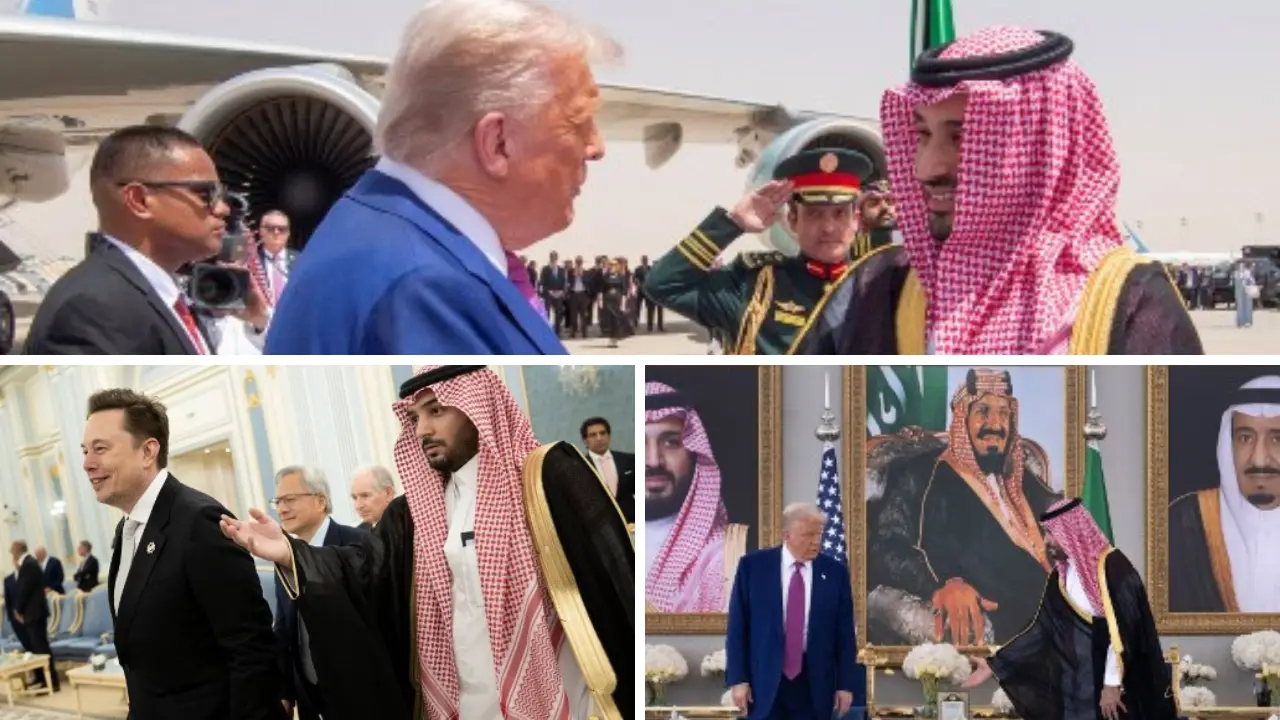
MBS’s visit might see the firming up of major Saudi investment commitments in the US economy. President Donald Trump has hinted that F-35 fighter jets and other advanced American defence equipment could be made available to Riyadh. Discussions around a Saudi civilian nuclear programme continue, alongside consultations on technological cooperation in artificial intelligence, energy infrastructure, and semiconductor supply chains. The White House is also pushing for Saudi–Israeli normalisation under the broader framework of the Abraham Accords, a process already underway in several Gulf and Arab states.

Saudi–Pakistan strategic ties are firming up
Meanwhile, Saudi-Pakistan cooperation took a dramatic step forward in September with the signing of the Saudi–Pakistan Strategic Mutual Defence Agreement. Coming in the aftermath of India–Pakistan tensions and Operation Sindoor - India’s response to the Pahalgam terror attack- the pact declared that an attack on either state would be treated as an attack on both, echoing the collective defence logic of NATO’s Article 5. Saudi Arabia faces ongoing threats from the Houthis in Yemen even as it seeks to balance Iran’s influence, and Pakistan continues to provide the kingdom with military training and manpower. Reports that Pakistani nuclear capabilities could be used to support Saudi deterrence, although officially denied, have contributed to the perception that Riyadh is developing fallback security options should its relationship with the US deteriorate. The Saudi-Pakistan pact had ruffled some feathers in India.
Trending Stories
)
‘Kill all in the name of...’: FBI arrests 21-year-old over alleged ISIS-inspired mass-casualty attack plot
)
Space mines, lasers & robotic arms: Lt Gen Pannu decodes US disclosure of weapons in space
)
Bitter Zelensky snubs Trump for playing politics with Ukraine war | Gravitas
)
US fires up to 70 interceptors against Iran attack on Jordan, putting supplies under pressure
)
India’s imports from Russia jump 57% in five months; China remains top import source
)
‘US military task force aiding Saudi Arabia forces with intel, planning support’: Official
)
OpenAI boss Sam Altman repeats AI 'slow down' call, says world 'right to be afraid'
)
Top military commanders from US, Israel, and 7 Arab nations held secret meeting on Iran War
)
Sydney Sweeney defends provocative ad choice, the internet is still not impressed
)
India to host IPL 2027 auction; WPL 2027 auction set for late October in Kochi
)
Shahzad Bhatti Network declared terrorist organisation under UAPA: Govt order
)
'Definitely feel bad for yourself': Kuldeep Yadav opens up on India Test snubs
)
US, China dominate global economy: Where does India rank among the world's biggest economies?
)
Ex-India all-rounder Yuvraj Singh wants India to avoid 'massive changes' before ODI World Cup 2027
)
Ed Sheeran’s US tour loses all support acts after Macklemore’s removal | Controversy explained
)
Ex-England footballer Raheem Sterling pleads guilty in reckless driving and crashing his Lamborghini
)
China's property crisis deepens as investment plunges nearly 20%
)
Messi set to play in farewell match on October 6 in Argentina vs Benin friendly
)
Who was Eliana Moreno? NBC LA aerial reporter killed in Chatsworth crash
)
Putin-linked Russian oligarch, Melania links: Why Trump skipped his son’s Bahamas wedding bash?
)
800 million years old - Scientists discover 'fingerprints' of supercontinent Gondwana in ancient rocks
)
Trump's name cannot return to Kennedy Center, US judge rules
)
Pakistan naval vessel returns to harbour with 'severe damage' after collision with Indian warship in Arabian Sea
)
Water equivalent to two Pacific Oceans could be stashed 2,900 km inside Earth
)
Ex-CIA officer caught with gold bars worth $40 million seeks plea deal | Gravitas
&im=FitAndFill=(700,400))
New OTT releases this week (September 14-20, 2026): Lust Stories 3, Waiting Hai, Irumudi- 5 new titles coming on Netflix, Prime Video and more
)
Trump's Iran war faces fresh House rebuke; 7 Republicans join Democrats in push to end conflict ahead of midterms
)
US Treasury yields cross 5% as Scott Bessent warns of ‘global issues’ impacting bonds
)
Pakistan: Imran Khan's sons Kasim & Sulaiman claim their father is 'tortured' in jail
)
Who is Kalyan Bainsla, accused in the Gurugram hit-and-run case involving woman biker?
)
Saudi Arabia discovers 110 million tonnes of Uranium-rich ore in Madinah region
)
Los Angeles helicopter crash: At least three dead, several injured; NTSB to investigate
)
West Bengal IPS officer Bushra Bano transferred after objections to ‘Assalamualaikum’, ‘Inshallah’
)
India summons top Pakistan diplomat after Pak Navy ship collides with Indian warship at high seas
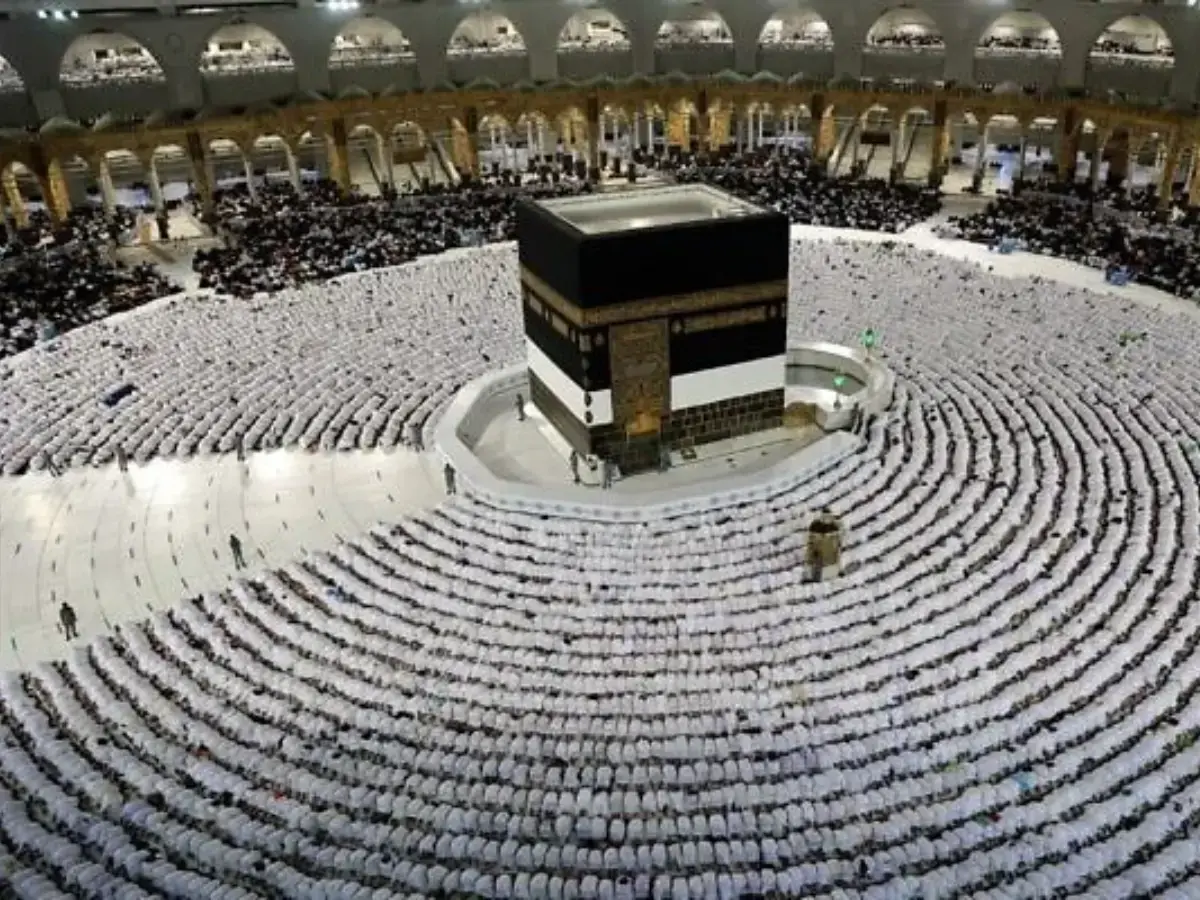)
Saudi Arabia accuses Houthis of drone attack on Mecca, first-ever red alert in Islam's holiest site sparks panic
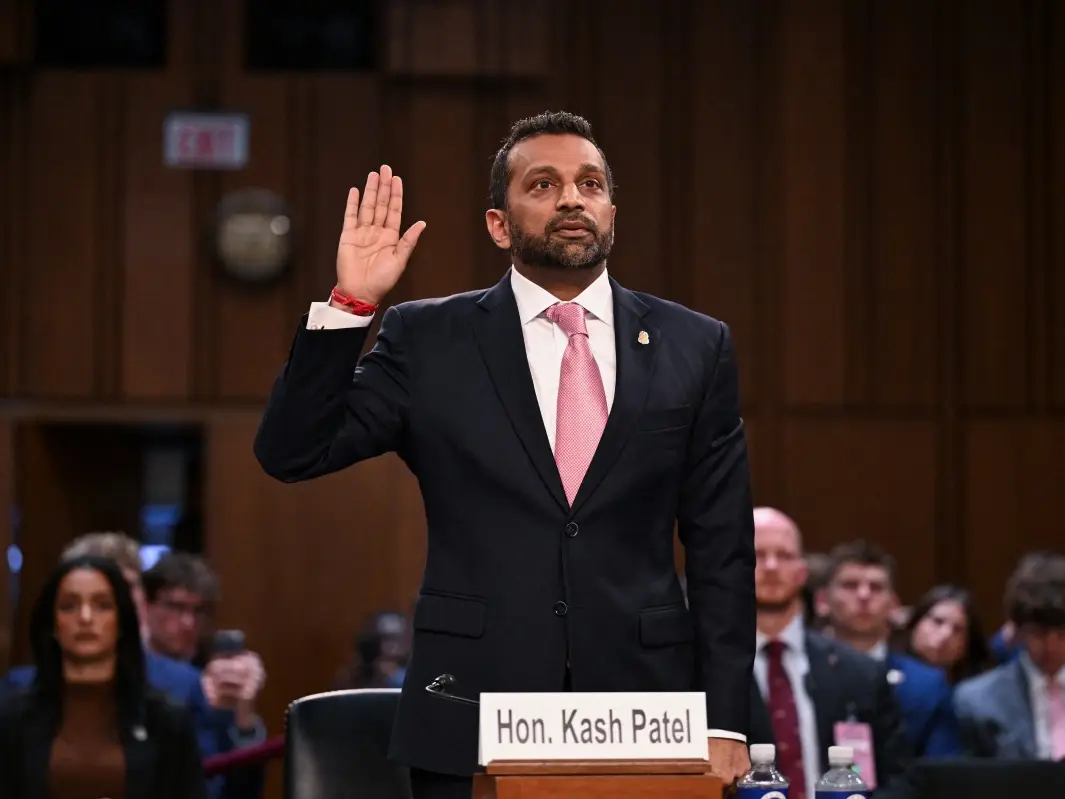)
'Like a thug you are using agency to go after..': Kash Patel grilled by Senate Democrats over FBI firings, journalist investigations and hiring policy
)
Abhishek Sharma rises to No. 2 in T20Is; ENG’s Robinson 3rd after record Pakistan Tests
)
Canada to become EU’s first ‘associate member’? Von der Leyen proposes move amid US tensions
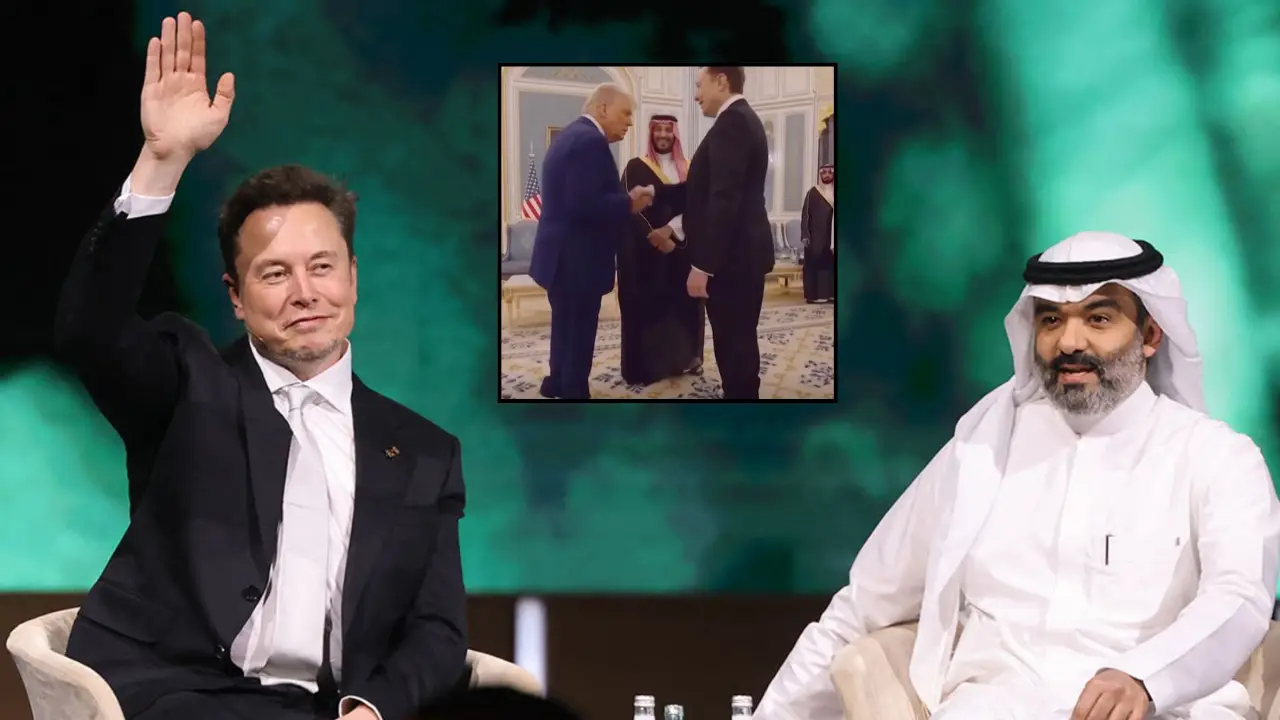
Also read: Starlink, Tesla robots and more: Here's why Elon Musk accompanied Trump in his Saudi Arabia visit
America's new interest in Pakistan: A useful nuisance
Trump’s renewed interest in Pakistan adds a further layer of complexity to these arragements. Pakistan’s Prime Minister Shehbaz Sharif and its army chief Gen Asim Munir visited Washington recently for meetings centred on counterterrorism cooperation and the revival of military-to-military engagement. To India’s discomfort, these interactions signalled that the US continues to see strategic value in maintaining a working relationship with Islamabad.
Iran remains a central concern for all three states
Despite the Saudi–Iran détente that followed the 2023 agreement brokered by China, the two remain strategic adversaries divided by deep-rooted sectarian, geopolitical, and ideological differences. Iran’s ballistic missile arsenal, its nuclear programme, and the activities of Iranian-backed groups across the region are regarded by Saudi Arabia as long-term security challenges. Pakistan, for its part, has had a troubled history with Iran involving border instability, sectarian militancy, rivalry in Afghanistan, and mutual accusations of supporting militant actors. Although Pakistan maintains formal diplomatic ties with Tehran, its strategic alignment with Saudi Arabia is much stronger.
Saudi Arabia is also attempting to reduce regional tensions
Vision 2030 agenda, Mohammed bin Salman’s economic and social transformation plan requires a stable regional environment, which explains both the pursuit of détente with Iran and efforts to normalise ties with Israel in coordination with the US. Reducing the likelihood of major regional conflicts is a core priority for the kingdom’s long-term strategic trajectory.
For India, a fast-shifting landscape demanding careful attention
The Saudi–Pakistan defence pact initially created suspicion in New Delhi, as it theoretically could be invoked during a future India–Pakistan confrontation. Saudi Arabia has repeatedly assured India that its commitments to Pakistan are not directed against Indian interests. The kingdom maintains extensive economic ties with India: energy, investment, and throgh Indian expat workers. India also continues to maintain strong relations with the US despite recent fluctuations linked to American domestic politics and Trump's tariff tantrums. These diversified partnerships provide New Delhi with diplomatic leverage.
Nonetheless, India faces a more complex regional environment as Saudi Arabia and Pakistan strengthen their ties with Washington. For now, India retains both the political influence and economic capability to navigate a situation in which Saudi Arabia and Pakistan move closer to the United States. But a tighter embrace among the three could pose a problem in future.