China passes controversial law for ethnic unity, makes it must for minorities to learn Mandarin

&imwidth=600&imheight=450&format=webp&quality=medium "China passes controversial law for ethnic unity, makes it must for minorities to learn Mandarin")
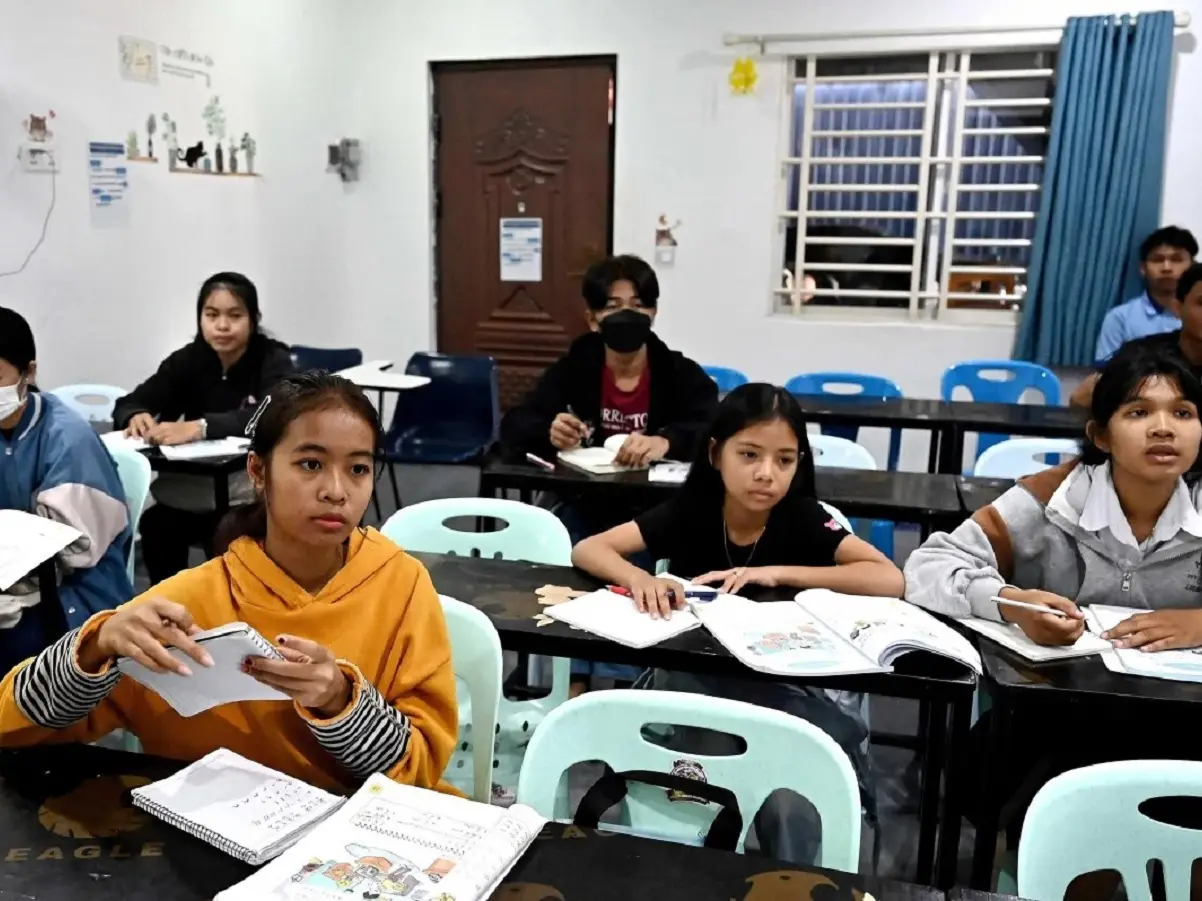
The law mandates that all children are taught Mandarin before kindergarten and up until the end of high school. Photograph: (AFP)
China has 56 officially recognised ethnic groups, dominated by the Han Chinese, who account for more than 91% of the country’s 1.4 billion people. The ethnic minority populations, like Tibetans, Mongols, Hui, Manchus, and Uyghurs, live in regions that cover roughly half of the country’s land.
China on Thursday approved a sweeping new law that promotes “ethnic unity” but what critics say will further erode the rights of minority groups as it makes it mandatory for all to learn Mandarin. The law mandates that all children should be taught Mandarin before kindergarten and up until the end of high school. Till now, students could study most of the curriculum in their native language, such as Tibetan, Uyghur, or Mongolian.
The new law aims to promote integration across ethnic groups through education, housing, migration, community life, culture, tourism, and development policy. It also mandates that Mandarin be the basic language of instruction in schools and for government and official business.
Beijing argues that teaching Mandarin to the next generation will help their job prospects. It also says the law is crucial for promoting “modernisation through greater unity”.
Law aims to promote integration among 56 officially recognised ethnic groups
The law purportedly aims to promote integration among the 56 officially recognised ethnic groups, dominated by the Han Chinese, through education and housing.
Trending Stories
&im=FitAndFill=(700,400))
)
)
)
&im=FitAndFill=(700,400))
)
)
)
)
)
)
)
)
)
)
)
&im=FitAndFill=(700,400))
)
)
)
)
)
)
)
)
)
&im=FitAndFill=(700,400))
&im=FitAndFill=(700,400))
)
)
&im=FitAndFill=(700,400))
)
)
The law was passed on Thursday at the National People’s Congress in Beijing, which has never rejected an item on its agenda.
The law provides a legal basis to prosecute parents or guardians who instil “detrimental” views in children, which would affect ethnic harmony. It also calls for “mutually embedded community environments," which some analysts say could result in the breakup of minority-heavy neighbourhoods.
Also Read: Oil tanker, with Indian captain, went ‘dark’ to cross high-risk Strait of Hormuz, reach Mumbai
Chinese govt started to push for ‘sinicisation’ of minority groups in late 2000s
The Chinese government started to push for what it describes as the “sinicisation” of minority groups in the late 2000s and create a more unified national identity by assimilating ethnic groups into the dominant Han culture.
Beijing has been facing accusations of restricting the rights of minority ethnic groups in regions like Tibet, Xinjiang and Inner Mongolia.
In Tibet, the authorities have arrested monks and taken control of monasteries to ensure they do not worship the Dalai Lama.
In Xinjiang, human rights groups have documented the detention of a million Uyghur Muslims in what the Chinese government calls camps for “re-education”, while the UN has accused Beijing of grave human rights violations.
Critics say the law will further erode the identity of people who are not majority Han Chinese.
Officially, China has 56 officially recognised ethnic groups, dominated by the Han Chinese, who account for more than 91% of the country’s 1.4 billion people.
China’s ethnic minority populations, including Tibetans, Mongols, Hui, Manchus, and Uyghurs, are concentrated in regions that together cover roughly half of the country’s land area.
Chinese President Xi Jinping says that China’s ethnic groups should be like “pomegranate seeds that stick together”.