BRICS of the future: From partner country expansion to trade mechanisms - what could change, what might not

&imwidth=600&imheight=450&format=webp&quality=medium "BRICS of the future: From partner country expansion to trade mechanisms - what could change, what might not")
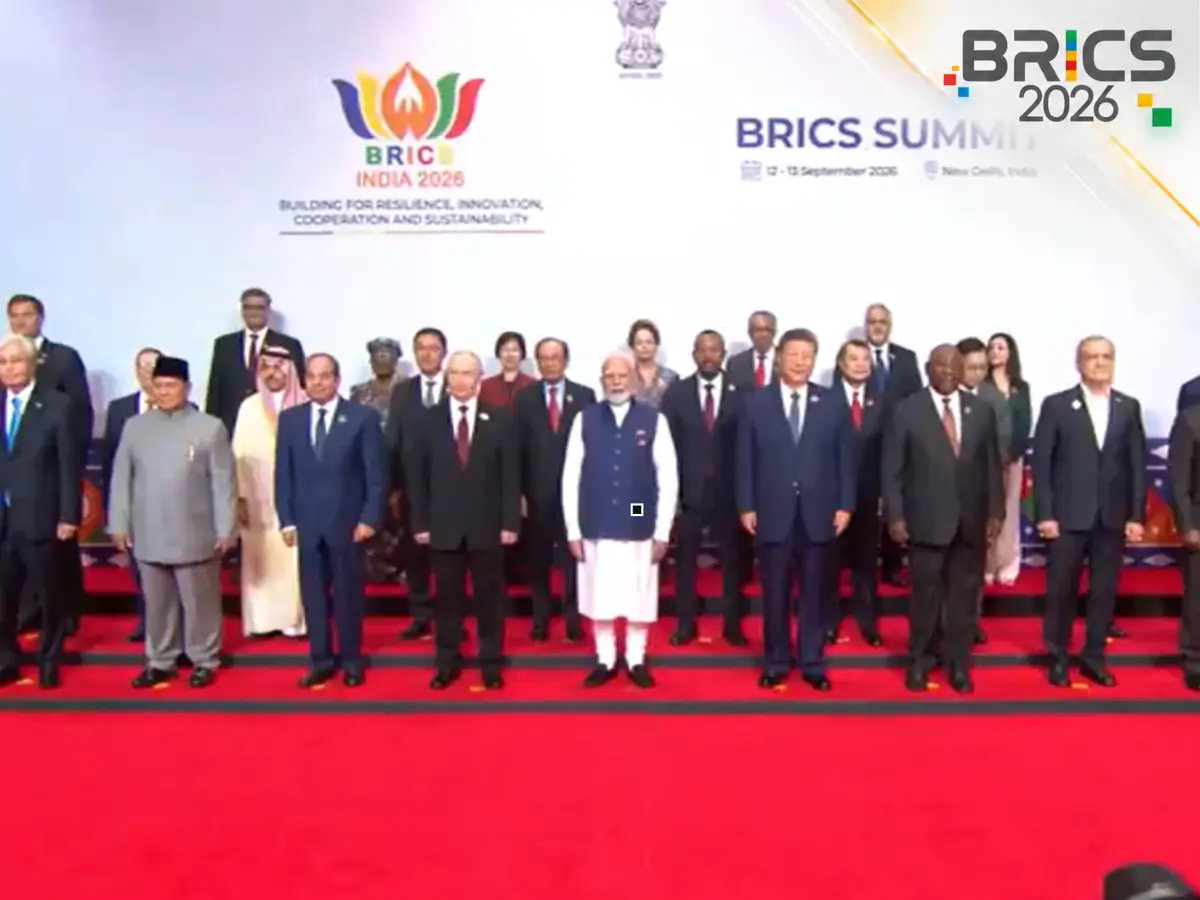
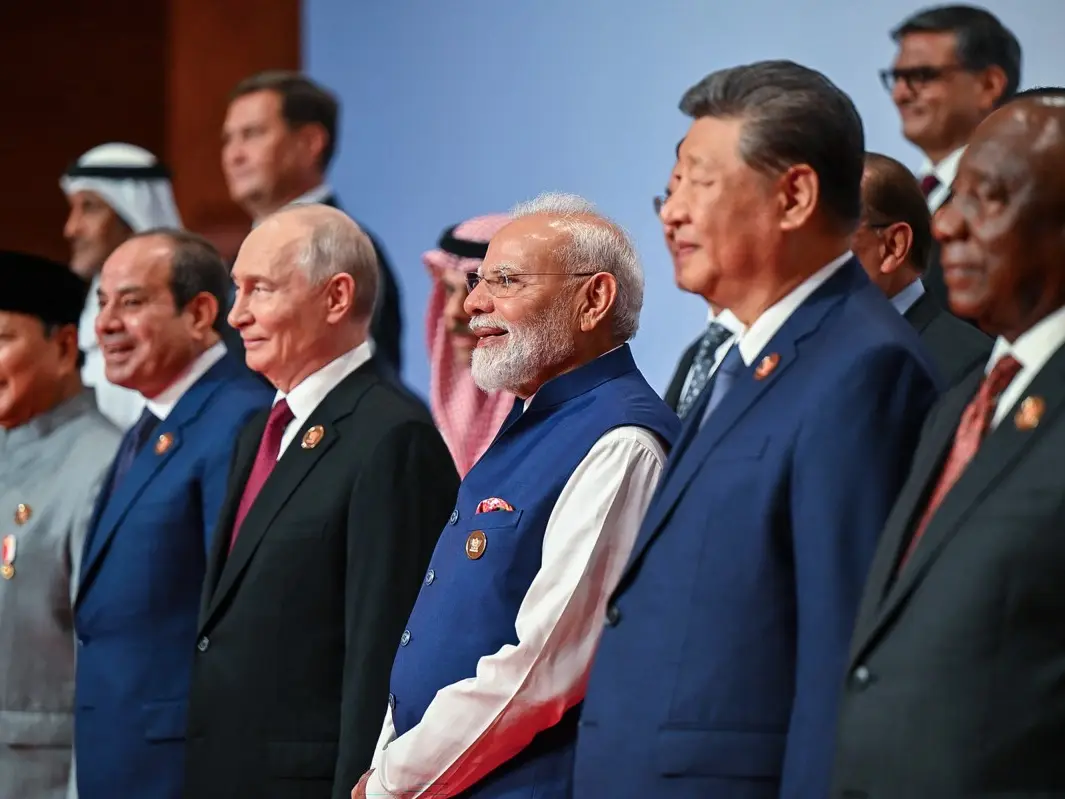
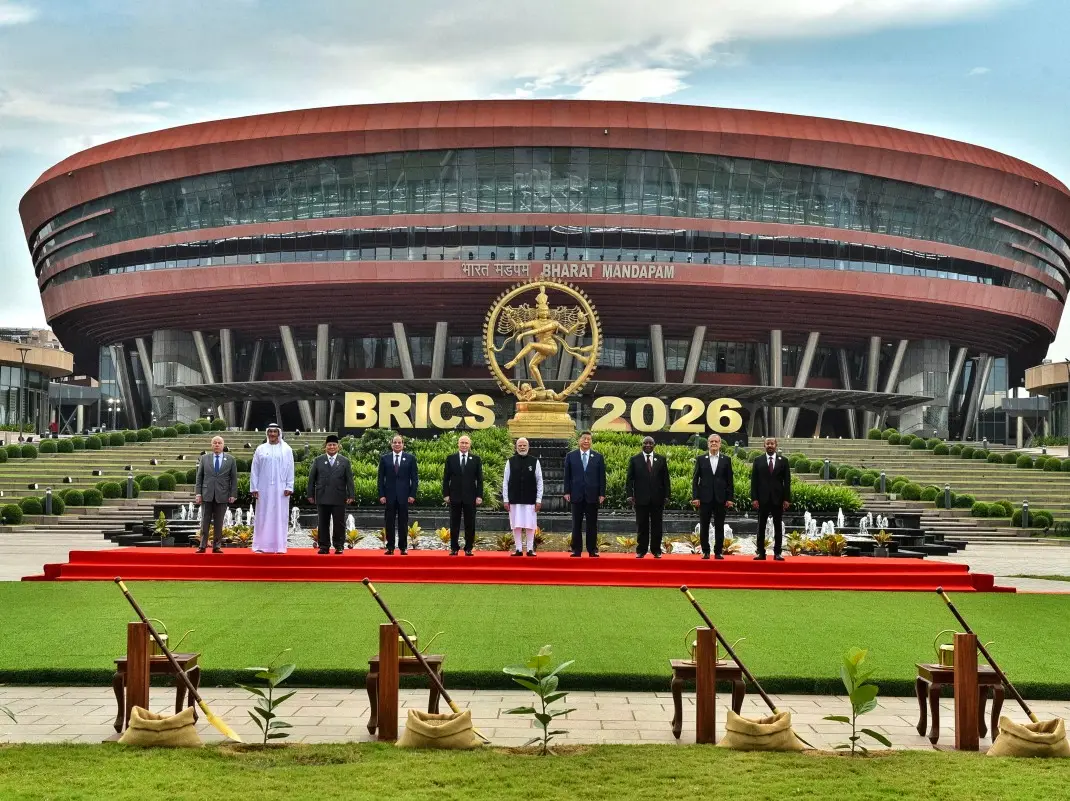
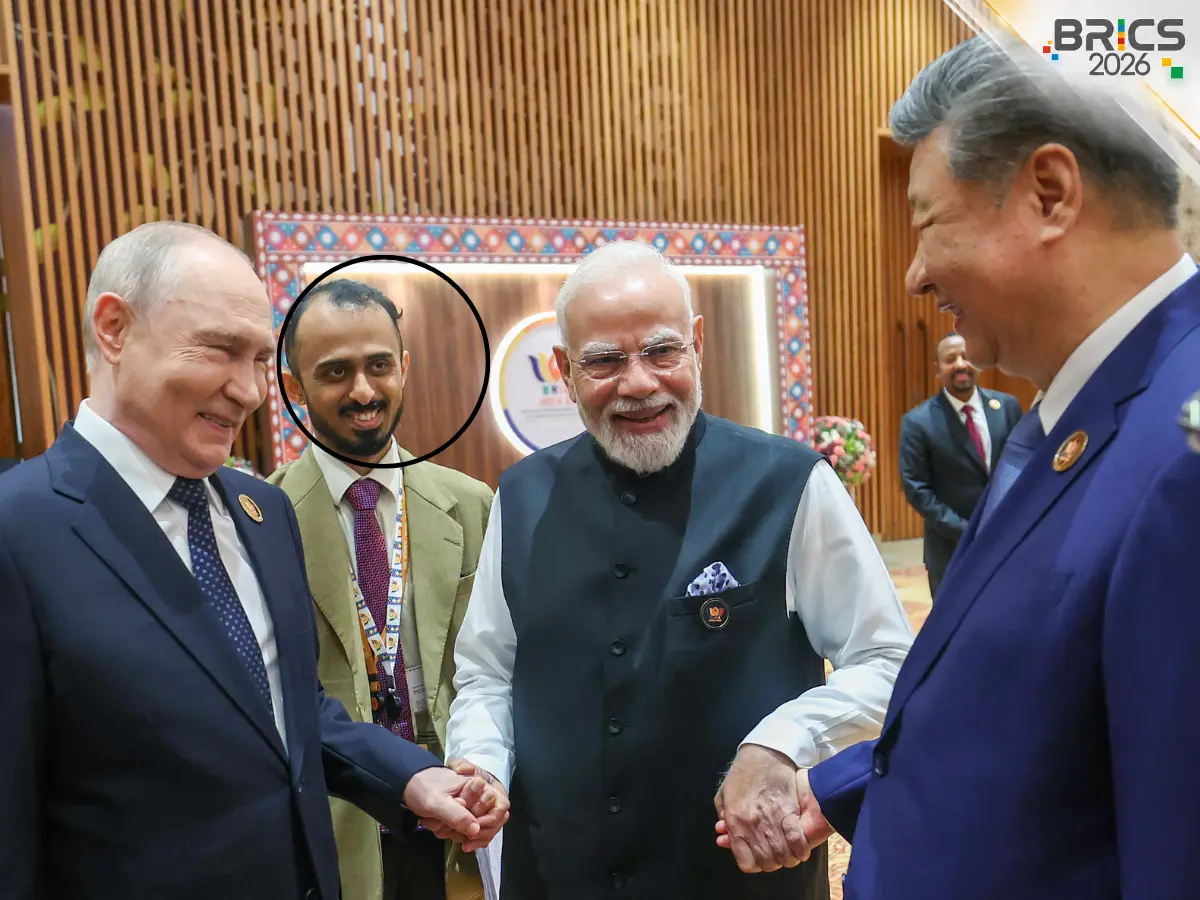
Looking to the future: BRICS leaders at the 18th summit of the grouping in New Delhi Photograph: (AFP)
BRICS is moving towards partner-country expansion, local-currency trade, interoperable payment systems and stronger NDB financing. There is a sense to prioritise practical financial tools over a common currency or rapid dedollarisation.
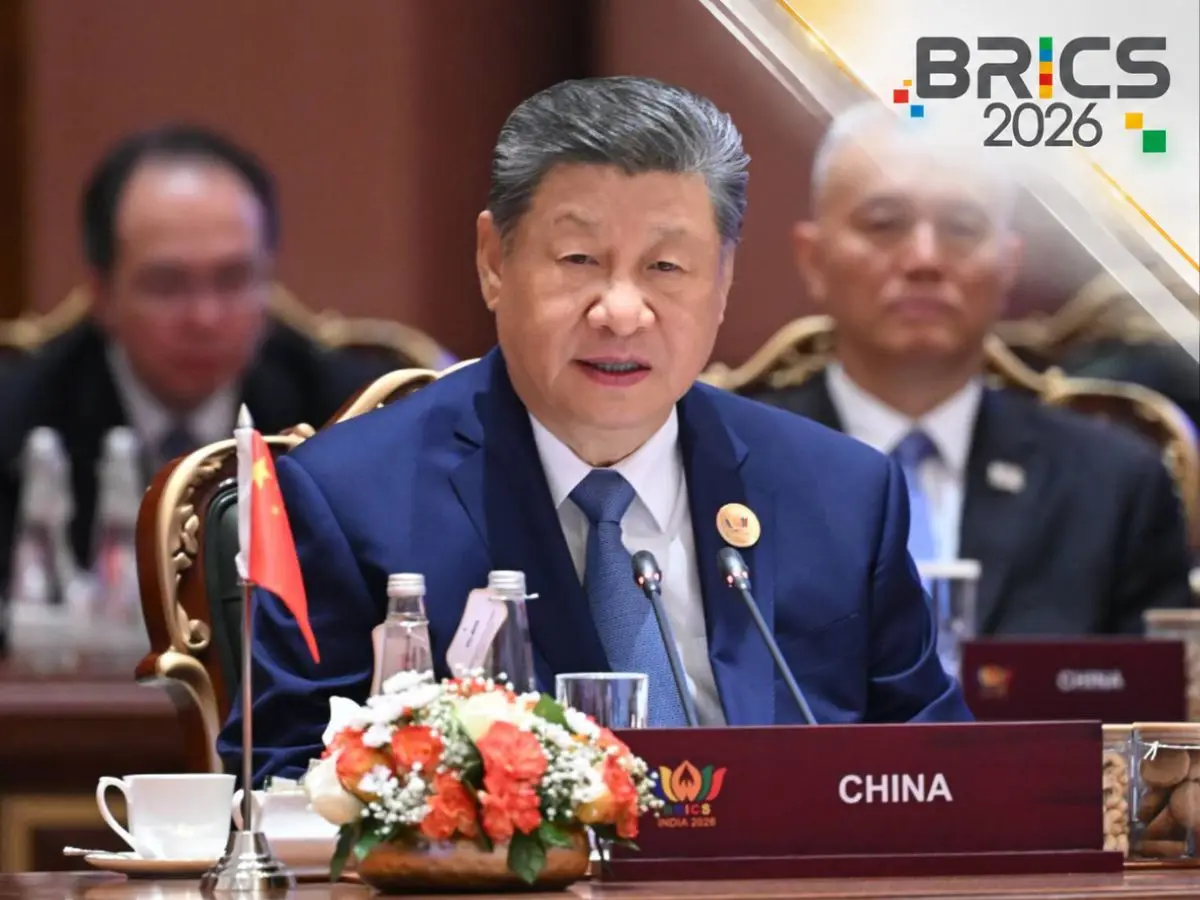
The BRICS Summit 2026 in New Delhi will be remembered as the germinating ground for future growth of the grouping. Several political and economic aspects could get a fillip in the coming years, from local-currency use and payment interoperability to institutional deepening. Progress is slow, but real. The only thing holding BRICS back from achieving its full potential is the need for consensus-based decision-making in a diverse grouping. Here is how things are likely to shape up.
Partner-country expansion
The partner-country tier created at the 2024 Kazan Summit was a response to demand from more than 30 interested nations. There are now 11 full members: the original five — Brazil, Russia, India, China and South Africa — joined by Egypt, Ethiopia, Iran, the UAE, Indonesia and Saudi Arabia. Belarus, Bolivia, Cuba, Kazakhstan, Malaysia, Nigeria, Thailand, Uganda, Uzbekistan and Vietnam are the 10 partner countries, which can attend summits and foreign ministers’ meetings, endorse declarations and join select working groups.
The partner model is an influence multiplier. Countries like Nigeria and Thailand are likely to become full members under criteria emphasising geographic balance, good relations with all members, UN membership, support for multilateral reforms. The stress is on criteria-driven expansion. When new nations join either as full members or partners, BRICS’ reach will grow further into Southeast Asia, Central Asia, Africa and Latin America. This will boost the collective GDP, which is already around 40 per cent of the world in terms of purchasing power parity, as well as the grouping’s population, energy and minerals weight, and intra-group trade leverage.
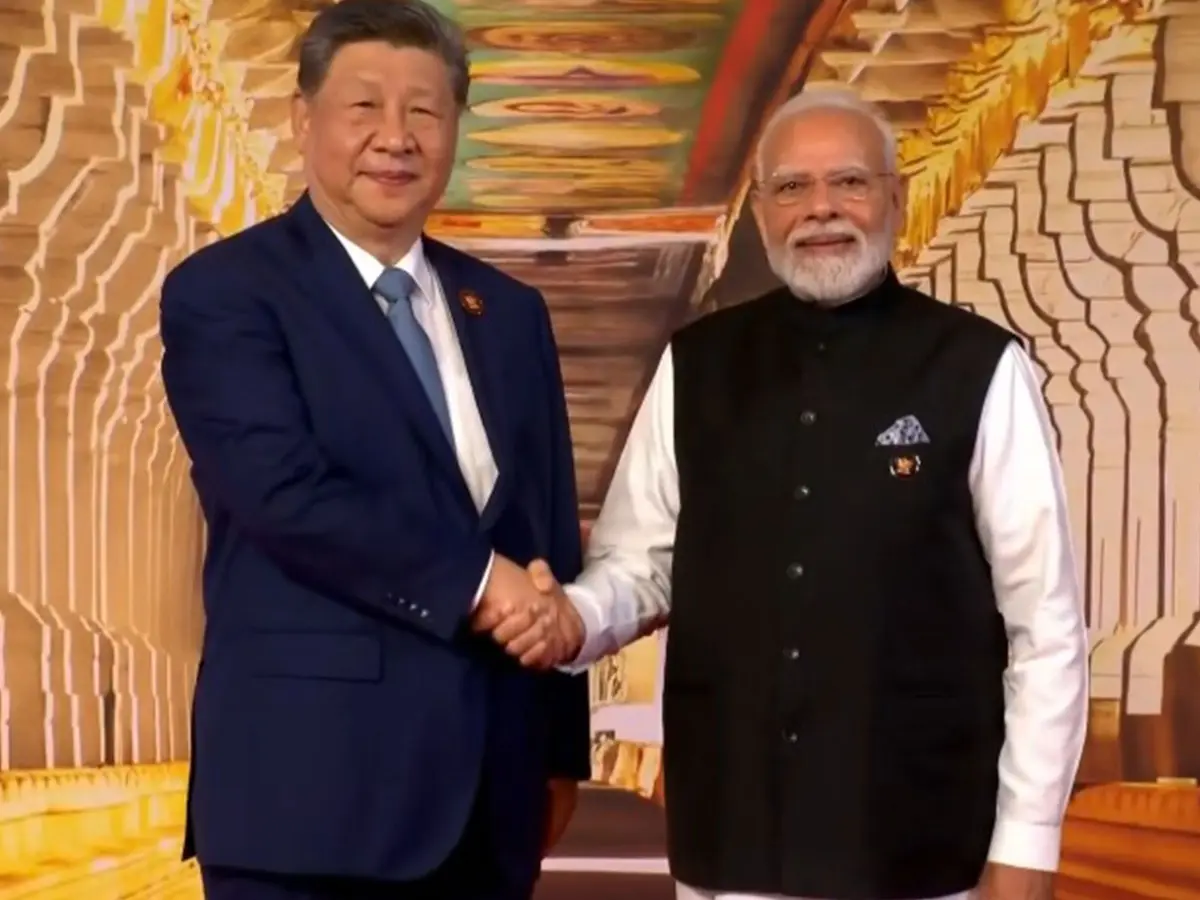
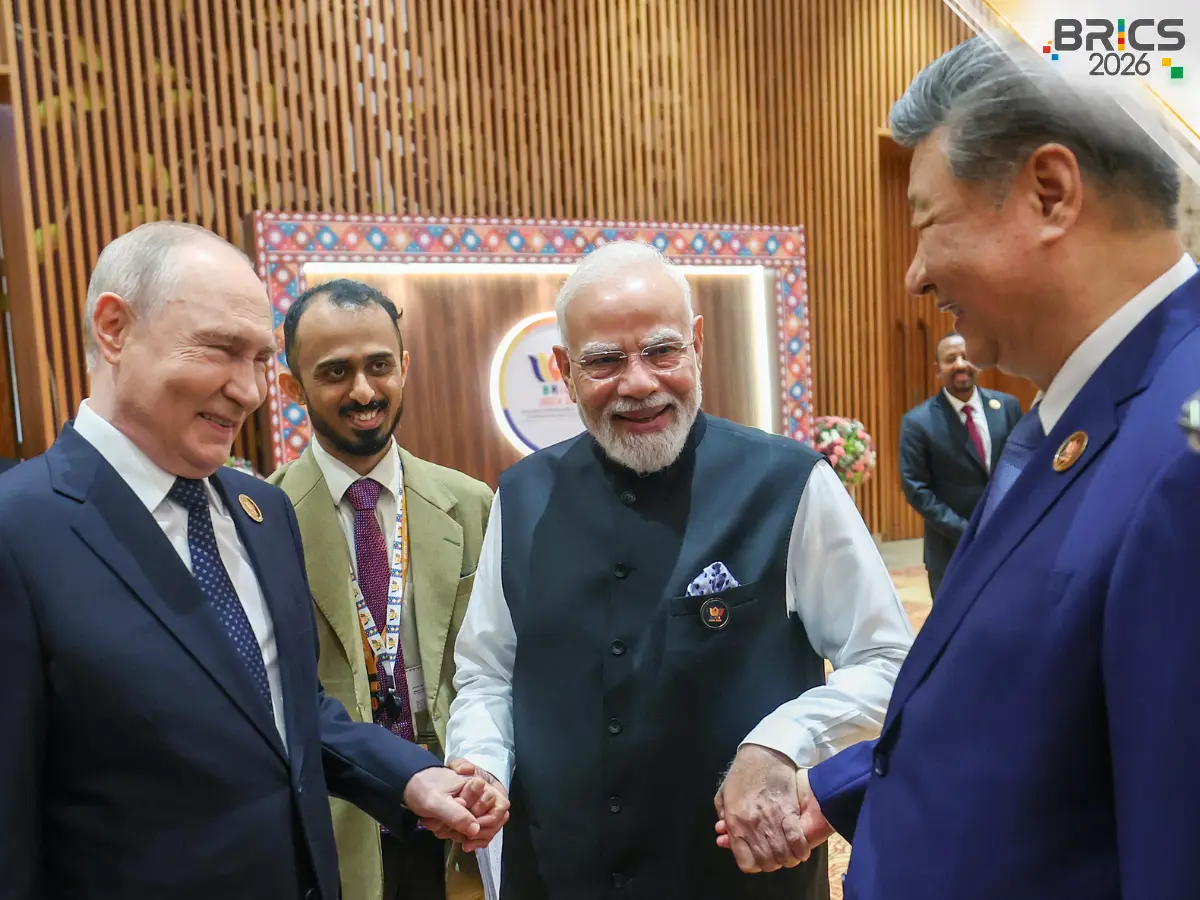
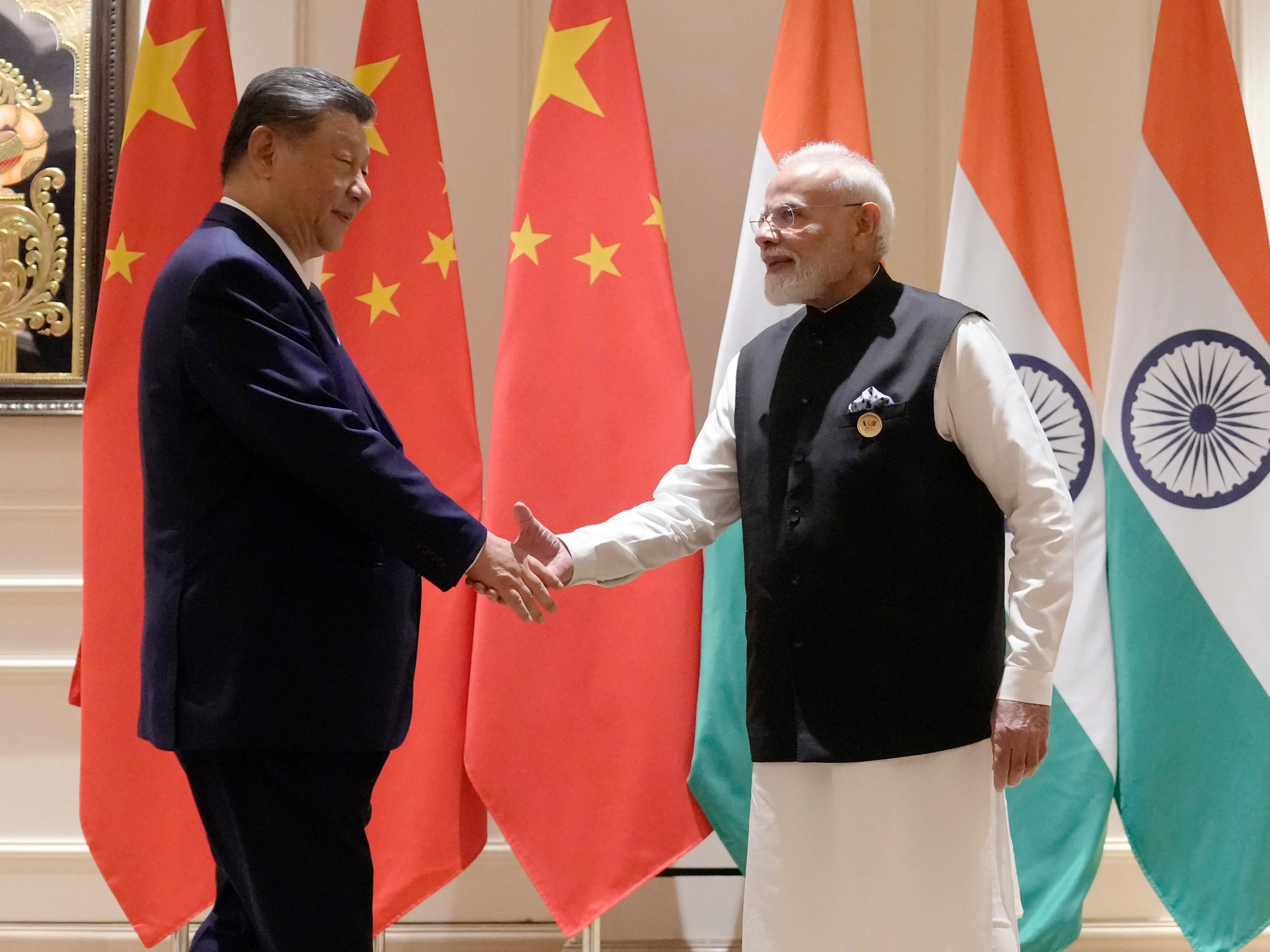
But expansion could come with slow decision-making and internal tensions, particularly given the shifting China-India dynamics. Nevertheless, further expansion will give BRICS more leverage as a broader Global South platform.
Trending Stories
)
)
)
)
)
)
)
)
)
)
)
)
)
)
)
&im=FitAndFill=(700,400))
)
)
)
)
&im=FitAndFill=(700,400))
)
)
)
)
)
)
)
)
)
)
)
)
)
)
Dedollarisation: The reality check
While dedollarisation was a buzzword for some time, the stress is on mitigation and diversification, not a coordinated assault to dethrone the fiat currency of the world. The 2025 Rio de Janeiro and 2026 New Delhi summits stressed more practical local-currency trade mechanisms while respecting national priorities.
Intra-BRICS local-currency settlement has risen significantly. Such bilateral trade accounts for nearly 90 per cent in case of some member states. Bilateral swaps between countries such as China and Brazil are growing. Gold accumulation by BRICS members' central banks, along with a reduced dollar share in some payments, is contributing to these alternative arrangements.
Dollar dominance in global reserves is not easy to remove. The high levels of local-currency bilateral trade involve countries sanctioned by the US or the West, such as Russia and Iran, while China also faces growing trade and technology restrictions.
There are issues of trust, convertibility and liquidity that could prevent full dedollarisation. In the next few years, growth in local-currency trade and financing will continue. Non-dollar energy and commodity deals could become more frequent.
A multipolar payments landscape under the BRICS Payments mechanism is the more likely outcome, where the dollar coexists with the renminbi, rupee, rouble and other local currencies. The countries are looking to reduce vulnerability to sanctions and volatility rather than eliminate dollar use.
Common currency appears to be stalled due to trust deficit
A common BRICS currency, while actively discussed in the media, is not a priority. There are near-term political and economic hurdles, mainly the trust deficit among BRICS members such as India and China. Ahead of the summit, India said there was no proposal for a BRICS currency as of now. In the past, both Brazil and Russia had proposed common reference units, mainly involving gold and currency baskets. But these remain at the conceptual or pilot stage.
The problem is the diversity of the BRICS economies. They have different inflation rates, monetary regimes, capital controls, convertibility and fiscal policies. India prefers complementarity with existing systems rather than an outright euro-like currency. Given this, creating a credible currency will need institutional integration far beyond mere consensus. Therefore, the focus is likely to continue on national currencies and interoperability.
Trade and payment mechanisms: An area of promise
Trade and payment mechanisms are the most active issues when it comes to economic cooperation. The member states are keen to reduce costs, risks and intermediary dependence through local-currency settlements and linking existing rails rather than building a single rival to the SWIFT payment system. There is support for bilateral settlement systems, swaps and clearing arrangements. The BRICS Payment Task Force (BPTF) continues work on cross-border solutions that are fast, low-cost, inclusive, efficient, transparent and secure.
The focus will continue to be on creating linkages between fast digital payment systems such as India’s Unified Payments Interface (UPI) and Brazil’s Pix, as well as exploring central bank digital currency (CBDC) interoperability. Pilot projects are ongoing for BRICS Pay, a decentralised messaging and gateway system linking national payment systems. BRICS Bridge, a multi-CBDC settlement system inspired by mBridge, as well as BRICS Clear, a settlement and depositary infrastructure, are ideas being explored.
New Development Bank: Emerging as BRICS core
From an idea whose time has come, the New Development Bank (NDB) is emerging as a core BRICS institution. By the middle of 2026, NDB’s cumulative approvals had neared $44 billion.
Projects span infrastructure and sustainability. Local-currency financing had risen to around 29 per cent of the total portfolio by the end of 2025.
More than a political bloc, the BRICS story is one of financial evolution supporting a more multipolar order through practical tools that enhance member autonomy and South-South connectivity. The payment systems and NDB are among the institutions that will deliver tangible value to the grouping, much more than a common currency and rapid dedollarisation.
The future will depend on the external environment, particularly US policies, and cohesion among BRICS members.
For BRICS, it is an alternative world order, not a New World Order.