&imwidth=800&imheight=600&format=webp&quality=medium "China takes BRICS chair: Wars, trade disruptions and local-currency trade in focus")
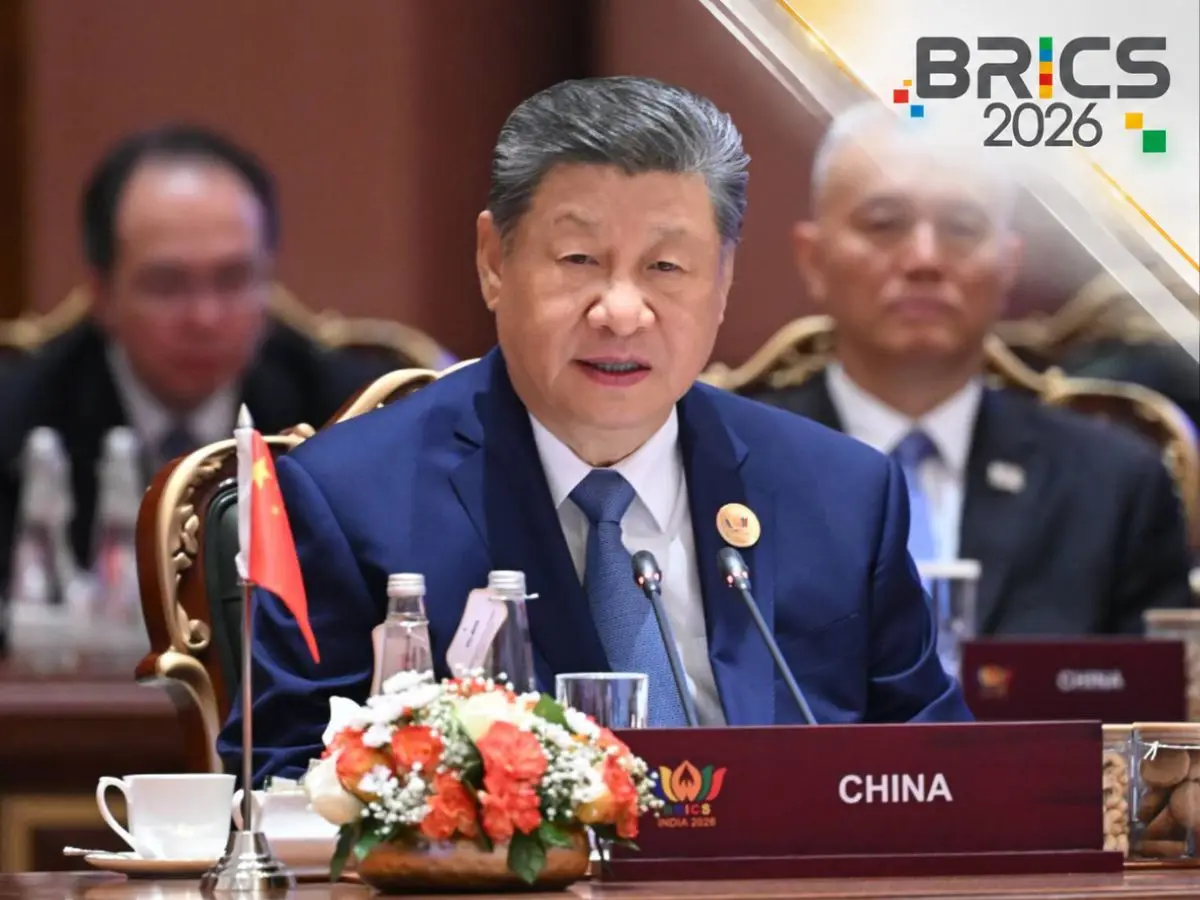
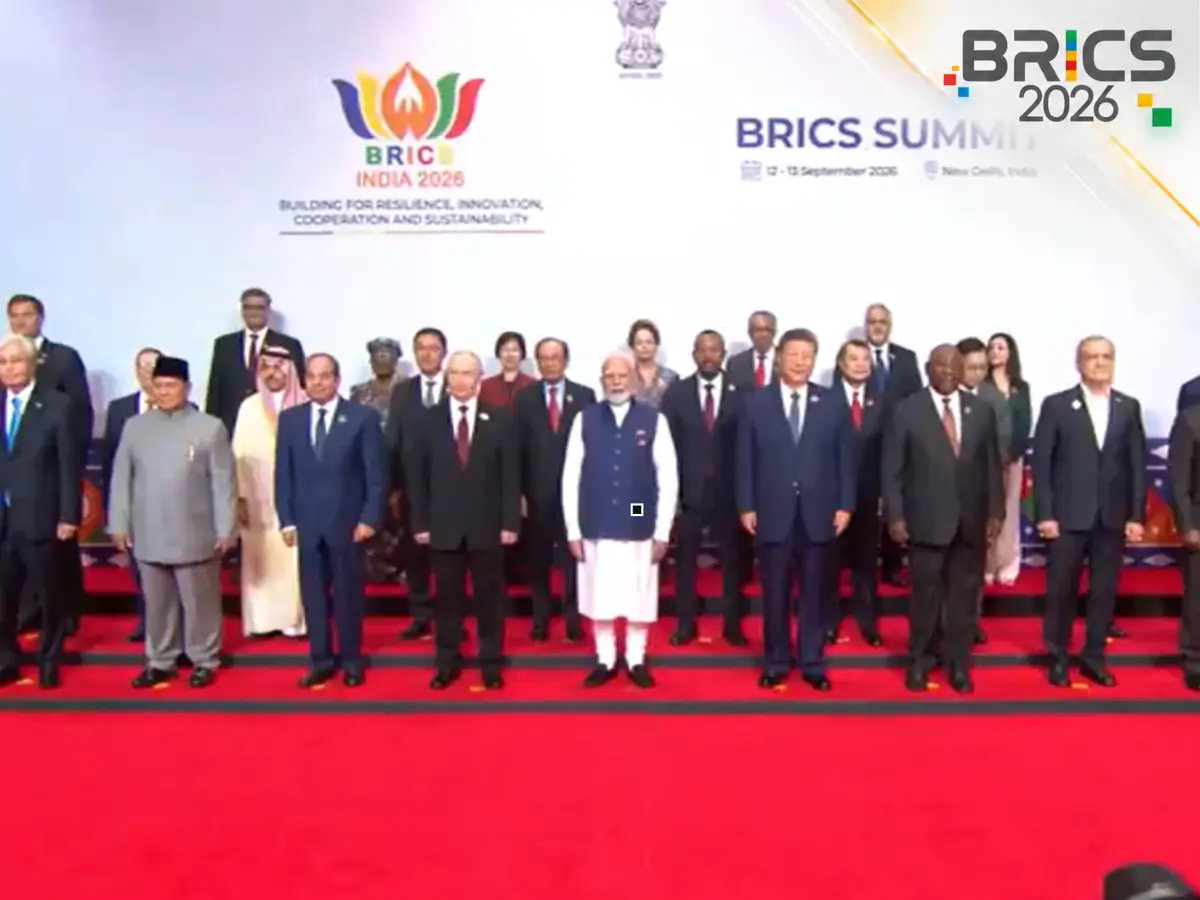
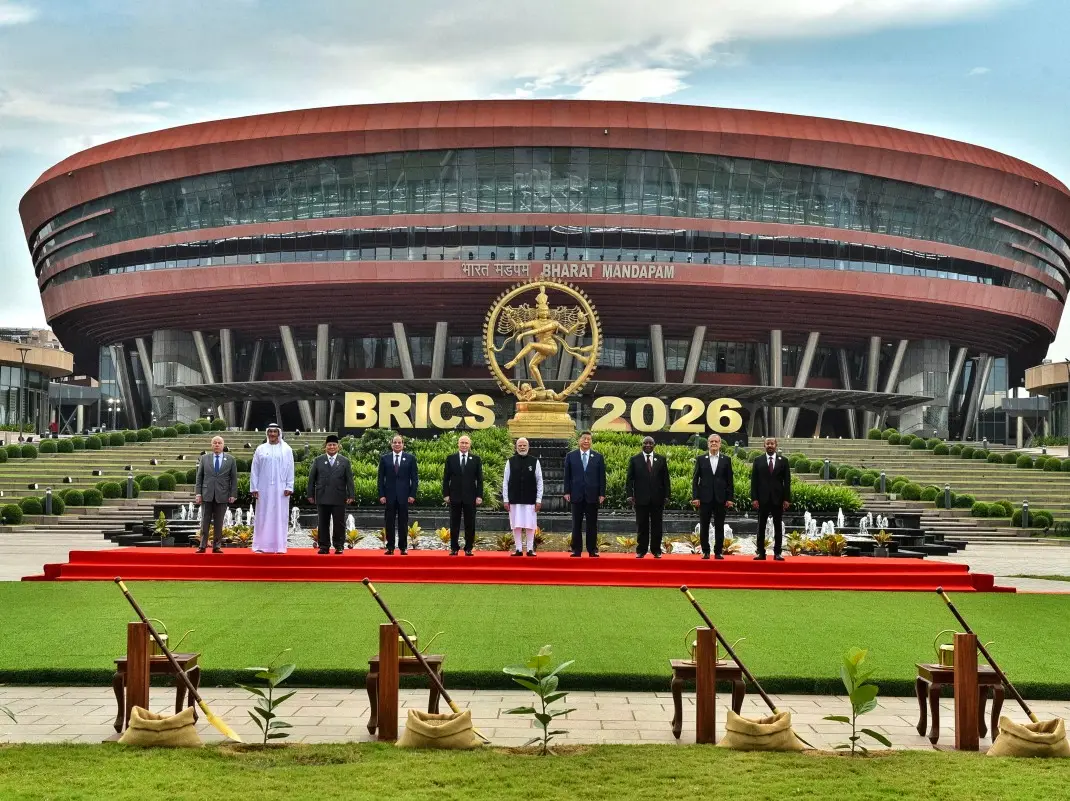
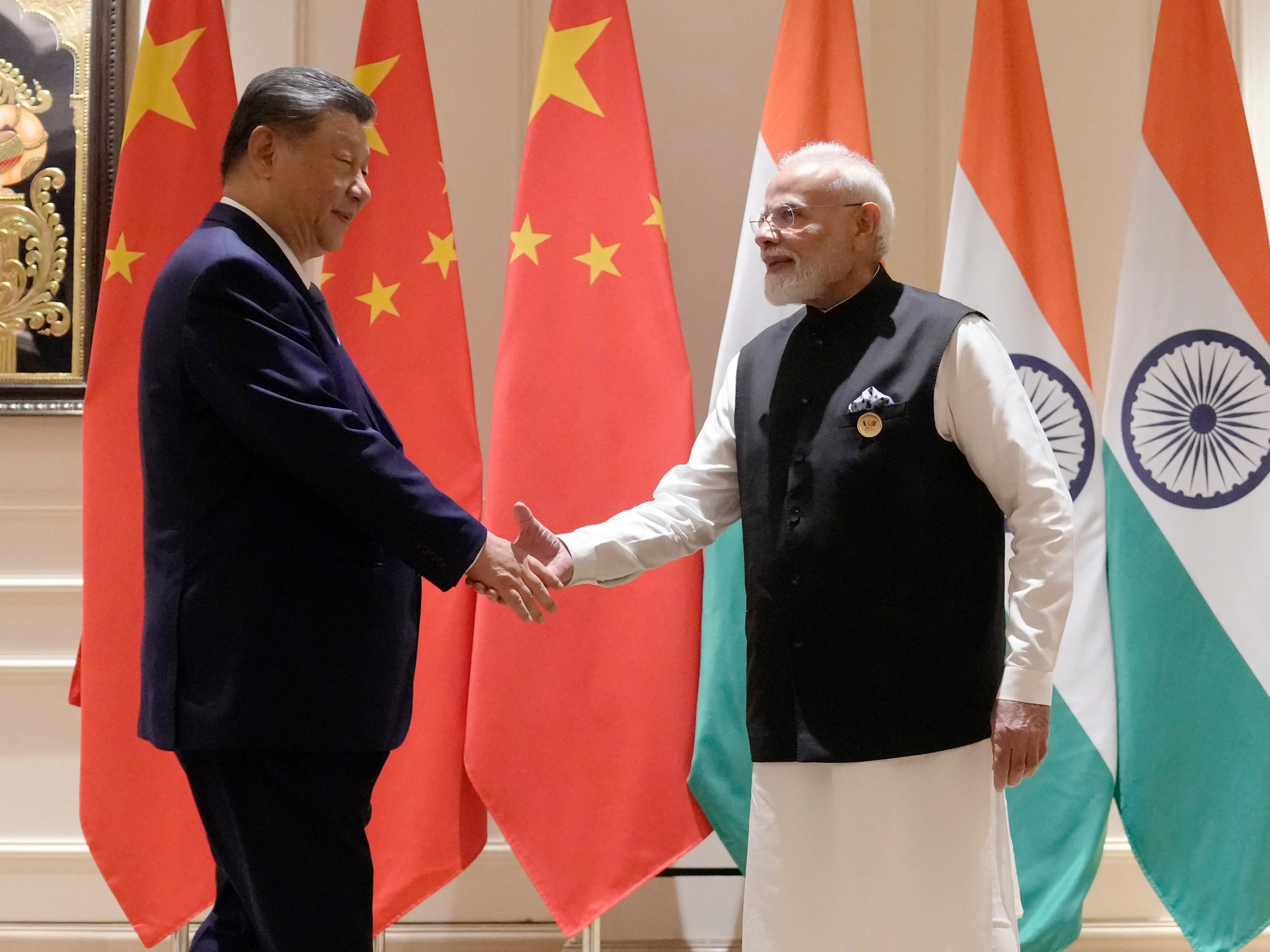
Prime Minister Narendra Modi on Sunday extended his best wishes to China as Beijing prepares to take over the BRICS chairship and host the grouping’s next summit in 2027. His message came as BRICS enters its third decade, with Modi stressing that the grouping must now deliver “concrete results” rather than remain limited to ideas and commitments.
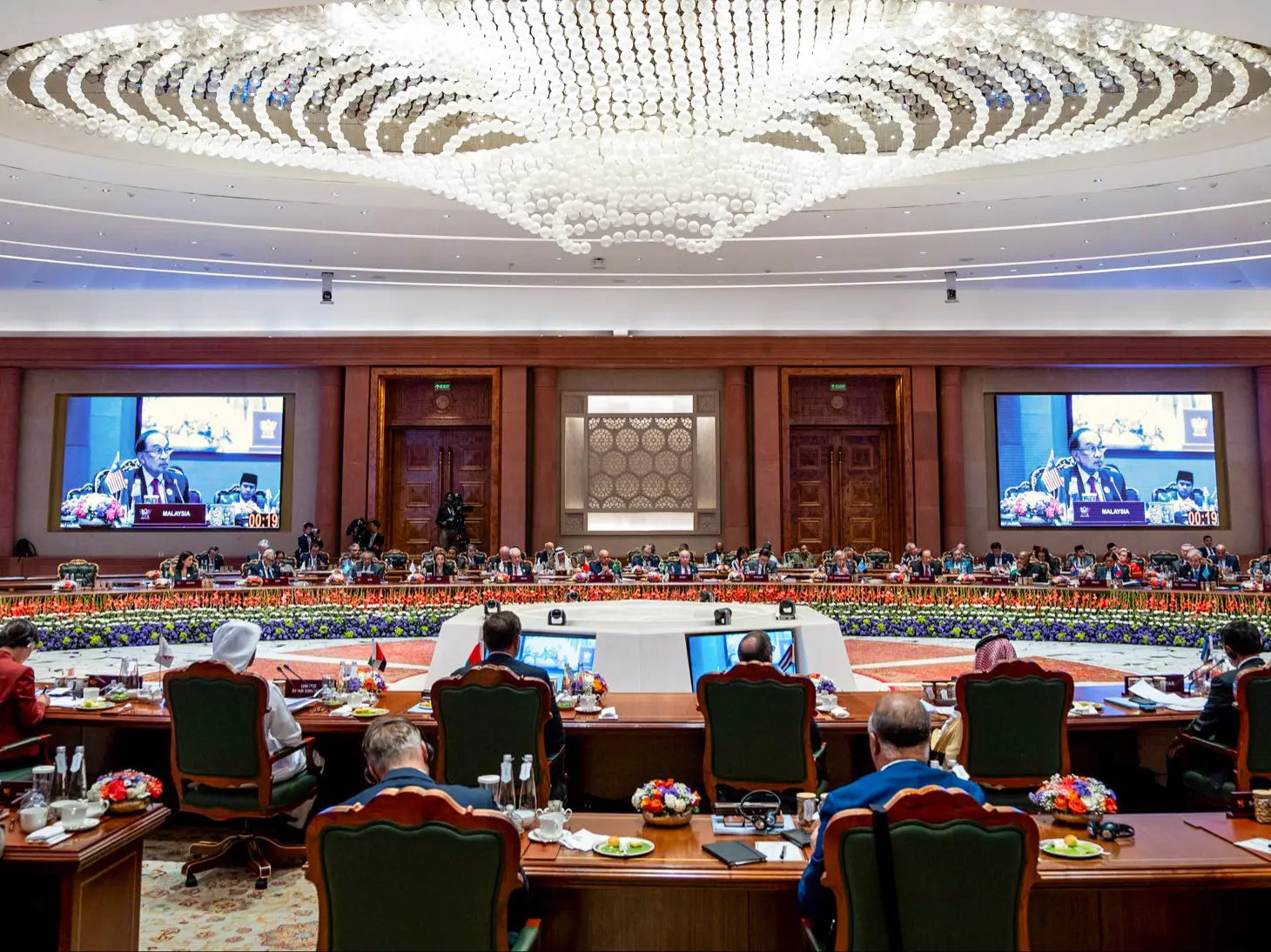
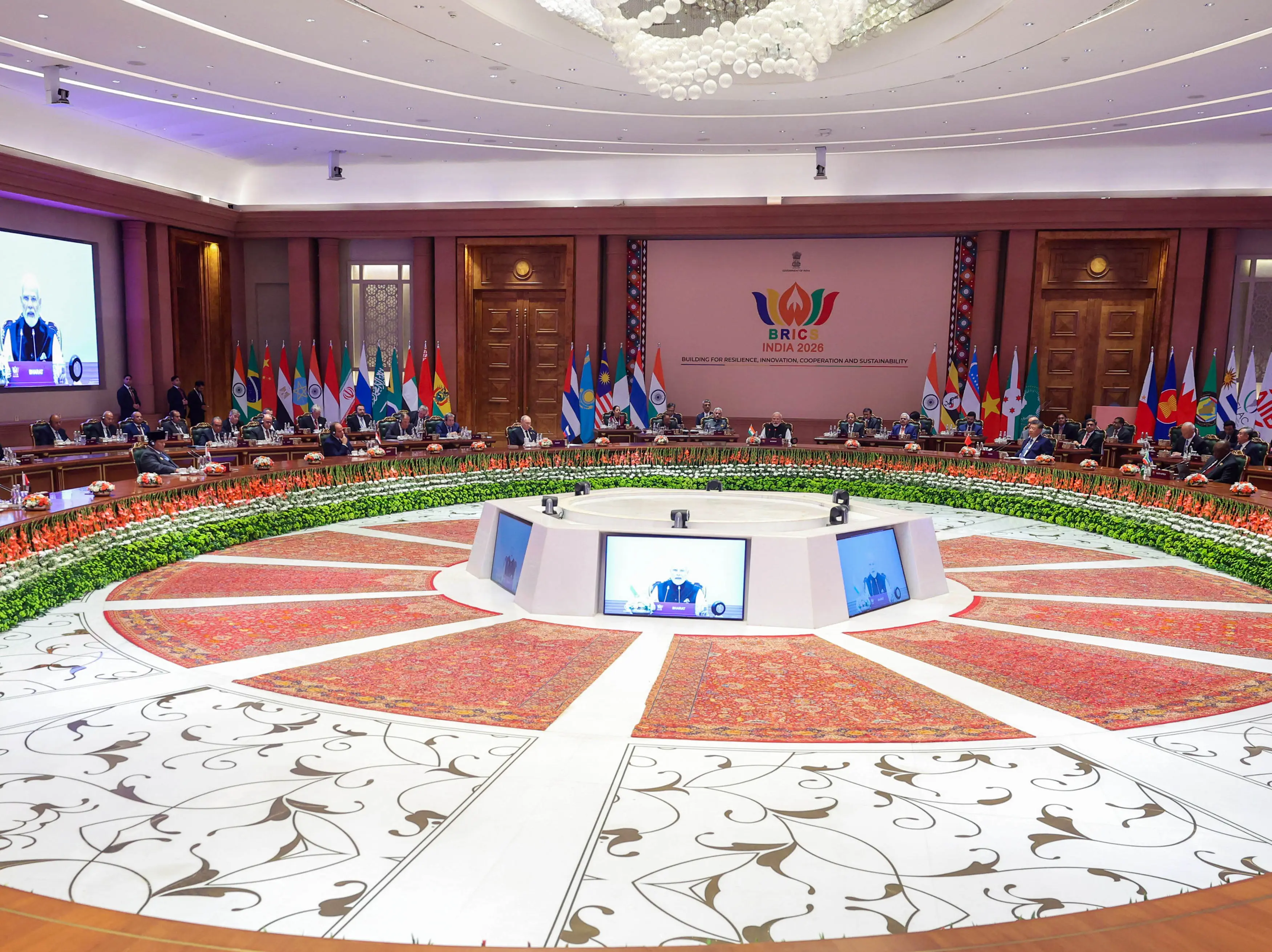
Addressing the open session on the second day of the BRICS Summit in New Delhi, Modi said the world would increasingly judge the grouping by the outcomes it delivers.
“BRICS is poised to enter its third decade. The world now expects concrete results from us, not just ideas and commitments. I am confident that through our collective efforts, we will certainly live up to these expectations,” Modi said.

He also commended the participating leaders and their teams for making the New Delhi Summit a success and wished China well as the next host.
West Asia war puts supply chains and Hormuz on agenda
China will take charge of an expanded BRICS bloc at a time when geopolitical conflicts are increasingly affecting trade, energy flows and maritime security.
Trending Stories
)
Why asking questions could be more important than memorising answers
)
BRICS Summit 2026 full schedule: Day-wise agenda, timings and key issues - All you need to know
)
BRICS Summit 2026: Iran's Pezeshkian praises PM Modi at BRICS
)
Osama Bin Laden ‘planned’ to target India, CIA reveals dozens of declassified documents
)
BRICS rejects EU carbon tax as ‘punitive’, ‘discriminatory’; warns of burden on Global South
)
Why dehydration is the hidden cause of travel fatigue on long flights
)
Top 5 places to visit in Goa beyond its famous beaches
)
'He is popular...': Malaysian PM Anwar Ibrahim's praise for PM Modi during bilateral meeting | WATCH
)
BRICS Summit 2026: 30+ countries seek BRICS membership
)
Frustrated man demolishes his kitchen after thousands flock to see Mother Mary his wife spotted on the wall
)
BRICS Summit 2026: PM Modi, Xi reach key consensus on ties, China to assume BRICS chairmanship in 2027
)
Trump says Canada eager to reach a deal, it could come ‘fairly soon’ if Ottawa treats US farmers better
)
From drones to KAAN fighters: Turkey outlines 229% surge in defence spending amid regional shifts
)
‘Partners, not rivals’: Xi outlines four point plan for stronger India-China ties
)
Could staying indoors all day affect your health?
&im=FitAndFill=(700,400))
Why Chinese PL-15 air-to-air missiles use dual-pulse motors compared to European interceptors
)
Why going digital does not always mean becoming more efficient
)
800 million years old - Scientists discover 'fingerprints' of supercontinent Gondwana in ancient rocks
)
BRICS stitches climate into its trade and growth agenda, experts say
&im=FitAndFill=(700,400))
Why do air defence missiles explode near their target instead of hitting it?
)
Israel spent nearly $470,000 on PM's hair, makeup since 2019, data shows
)
From severe mobility problems to recovery: Madhuri the elephant’s journey of wildlife care
)
BRICS Summit day 1: New Delhi declaration adopted with full consensus, big diplomatic win for India
)
From India, Putin warns Europe against sending troops to Ukraine, Zelensky expresses willingness to meet him at G20 Summit
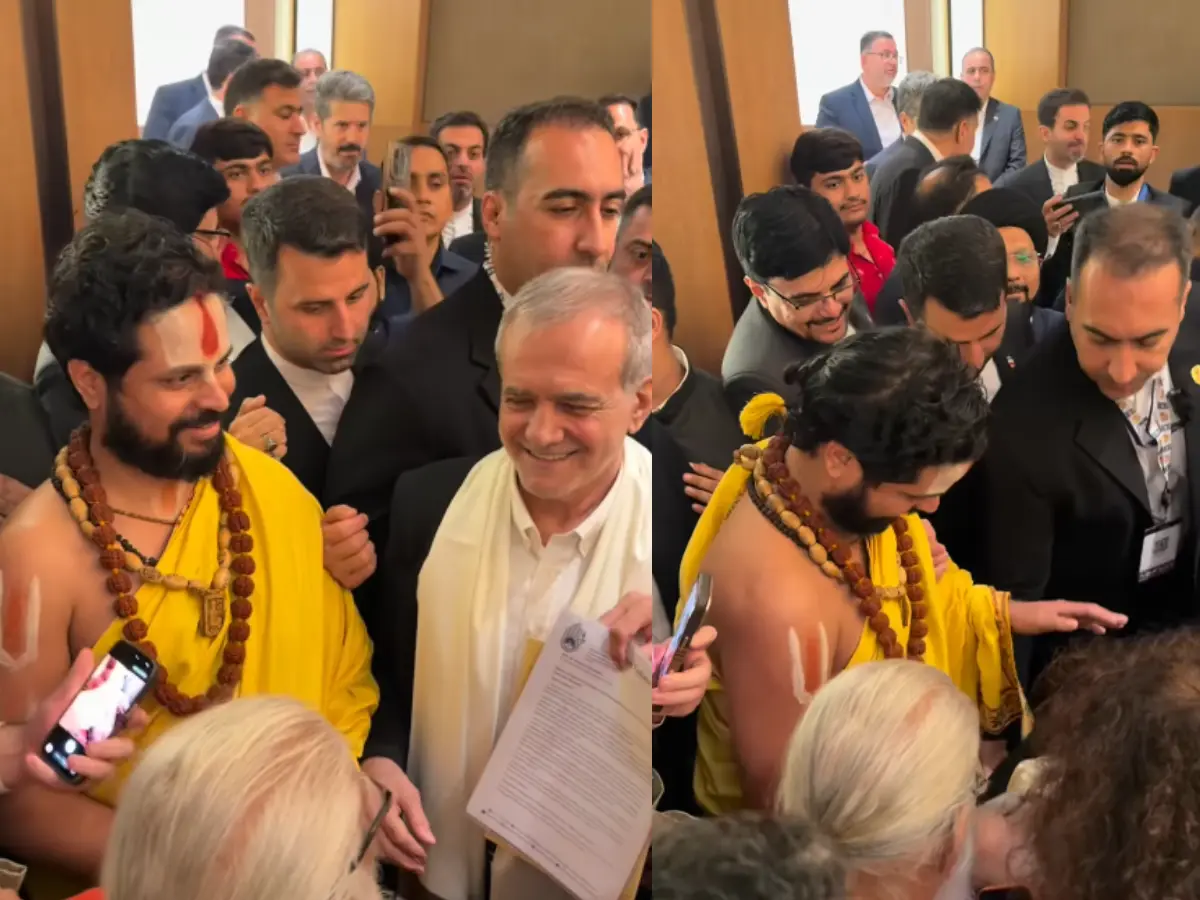)
Did Iran President Pezeshkian touch feet of Hindu spiritual leader at Delhi event as shown in viral video?
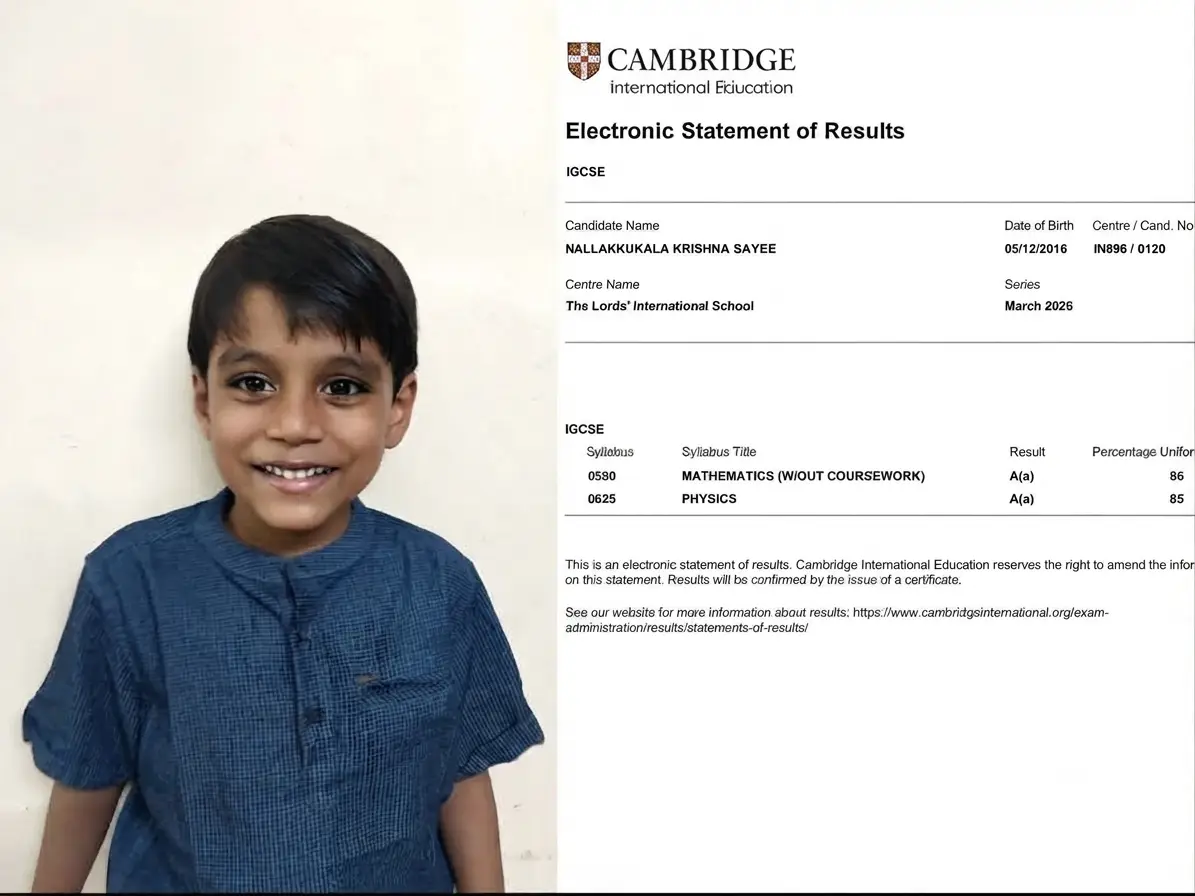)
9-year-old Chennai prodigy clears Cambridge IGCSE grade 10 exams
)
Why does your body need time to adjust after a long journey?
)
Baba Vanga's first prophecy for 2027 is out, and straight out of science fiction
)
Why does your skin need protection from UV rays?
)
How does the loss of forests affect the way wildlife lives and moves?
)
IND vs AFG, 1st T20I: When and where to watch live streaming in India?
)
BRICS Summit: China resumes Guangzhou-New Delhi flight, issues 'good-neighbourliness' remark ahead of Xi-Modi meet
)
Why do wild animals need quiet places to survive?
)
Humans may lose control of AI: Anthropic CEO calls for slowdown, Altman, Musk back him
The New Delhi Declaration reflected these concerns, with BRICS leaders expressing deep concern over escalating violence in West Asia and calling for maximum restraint from all parties to prevent further widening of the conflict.
The declaration also raised concerns over deliberate attacks on civilian infrastructure and peaceful nuclear facilities safeguarded by the International Atomic Energy Agency.
For BRICS, the conflict has implications beyond West Asia. The declaration stressed the need to protect global supply chains, strengthen maritime security and ensure uninterrupted energy flows through strategic waterways such as the Strait of Hormuz.
Disruptions along key shipping routes can affect energy prices, trade flows and the movement of goods across economies. The conflict has also increased concerns over the safety of seafarers operating around strategically important maritime routes.
China takes charge of bloc dominated by its economic weight
The China presidency is significant because Beijing has a dominant economic position within the expanded BRICS grouping.
China accounts for more than half of the bloc’s nominal GDP. With a nominal GDP of around $19.6 trillion, its economy is several times larger than India’s, the second-largest BRICS economy. On a purchasing power parity basis, China also accounts for a substantial share of the grouping’s total output.
This economic weight gives Beijing considerable influence, but it also places greater responsibility on China to balance the interests of members with different economic priorities and strategic positions.
The Russia-Ukraine war and the West Asia conflict could prove particularly challenging. Russia remains directly involved in the Ukraine conflict, while Iran is at the centre of the West Asia crisis. The conflict has also affected other BRICS members, including Saudi Arabia and the UAE, through higher energy prices, trade disruptions and maritime security concerns.
China will therefore have to maintain consensus within a bloc whose members have different positions on major geopolitical conflicts.
Payments, local currencies gain momentum
The financial agenda at the New Delhi Summit also offers China an opportunity to push practical economic cooperation.
While the idea of reducing dependence on the US dollar and a possible common BRICS currency has attracted attention, the New Delhi Declaration did not endorse a common currency. Instead, members backed greater use of national currencies in trade and investment and efforts to improve the interoperability of payment systems.
The BRICS Payment Task Force has been examining ways to make cross-border payments faster, cheaper, more accessible, transparent and secure. The declaration also noted work on interoperable payment and messaging channels.
The approach could prove more achievable than creating a single BRICS currency. Greater use of national currencies and better-connected payment systems could reduce transaction costs and provide members with alternatives for cross-border trade.
BRICS members carry common concerns into G20
BRICS priorities are also likely to overlap with discussions at the G20, particularly on trade, global governance and the concerns of developing economies.
Six of the 11 BRICS members are individual G20 members: Brazil, Russia, India, China, South Africa and Indonesia. This gives the bloc significant representation in the wider global economic forum.
The weaponisation of trade, ongoing wars, supply-chain disruptions and greater representation for the Global South in institutions such as the United Nations, UN Security Council and World Trade Organization are likely to remain key issues.
As China begins its BRICS presidency, Beijing will therefore face the challenge of converting the grouping’s growing economic and political weight into coordinated action.
The New Delhi Summit has already identified several practical areas, including local-currency trade, cross-border payments, supply-chain resilience and maritime security.
The expectation set by Modi is clear: BRICS must now move from commitments to “concrete results”.