BIMSTEC NSA meet and a stable Bay of Bengal: How maritime security is crucial for trade flows

&imwidth=600&imheight=450&format=webp&quality=medium "BIMSTEC NSA meet and a stable Bay of Bengal: How maritime security is crucial for trade flows")
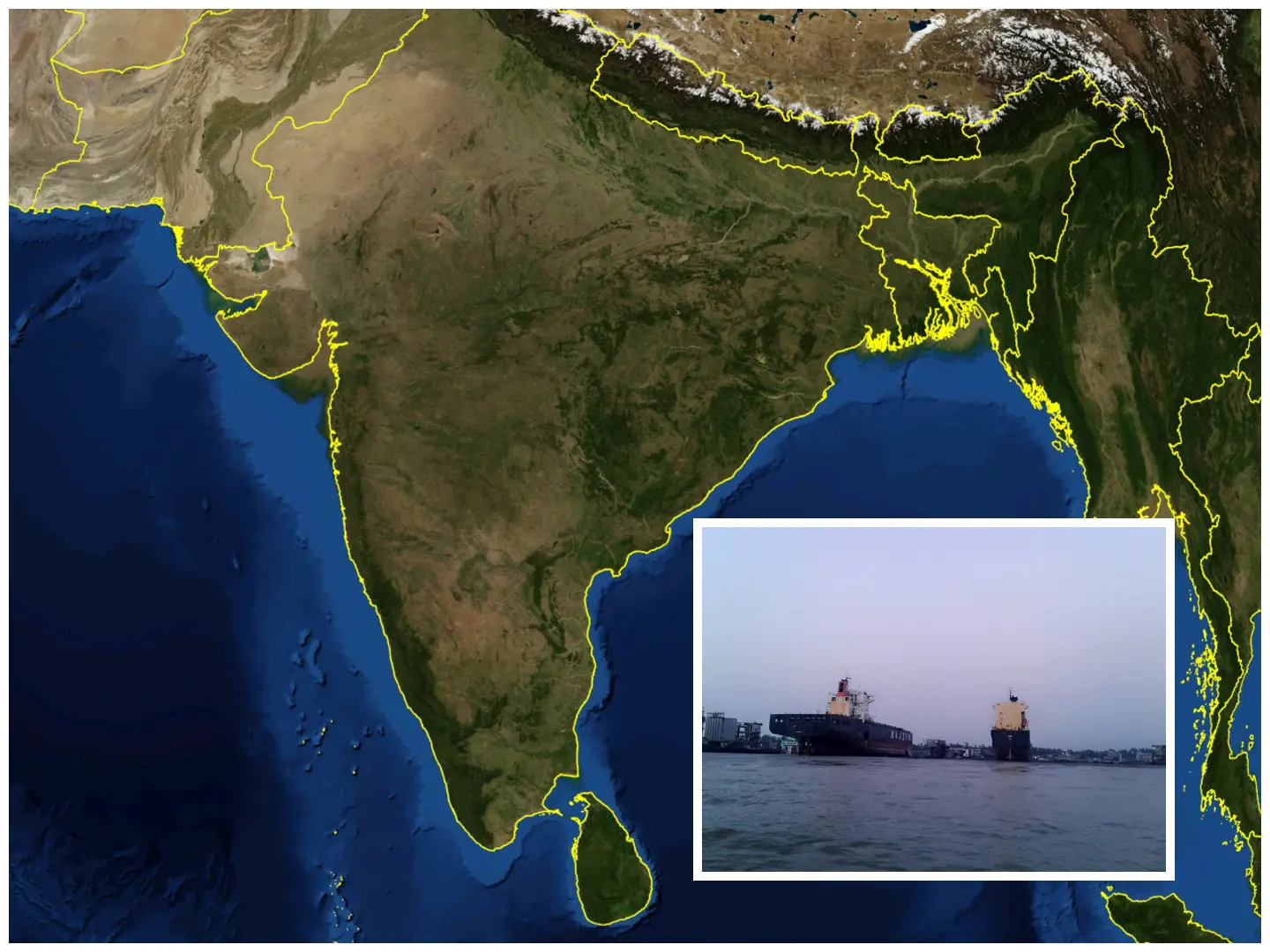
Trade and security interests of littoral nations like India intersect at Bay of Bengal. That's why BIMSTEC matters Photograph: (Others)
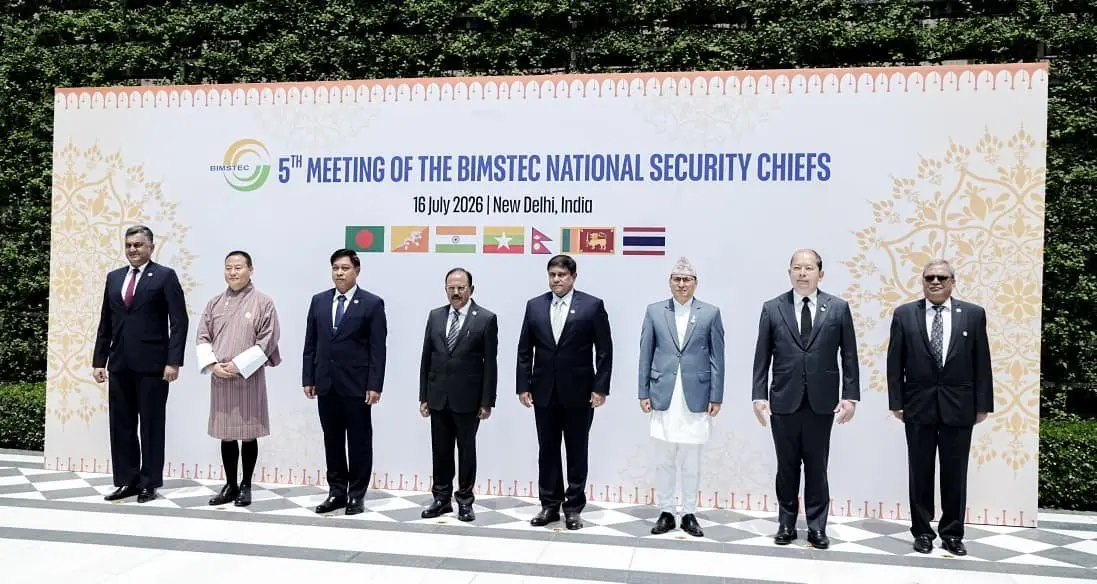
At the BIMSTEC NSA meeting in Delhi, Indian National Security Advisor Ajit Doval highlighted maritime security among other things. Here is why a stable and secure Bay of Bengal is essential for trade, energy flows, regional connectivity, and countering growing security challenges
The Bay of Bengal is a crucial component of regional and global trade flows due to its geography, economic centrality, and vulnerability to disruptions. Indian National Security Advisor Ajit Doval's speech on Thursday (July 26) at the fifth BIMSTEC NSA meeting touched upon maritime security in the Bay of Bengal, along with other key pillars such as counter-terrorism, transnational crime, and cyber threats. He framed it within BIMSTEC's goals of regional security, connectivity, capacity building, and economic security. Here is why a stable and secure Bay of Bengal is in the interest of littoral states like India.
Bay of Bengal: Strategic location and trade volume
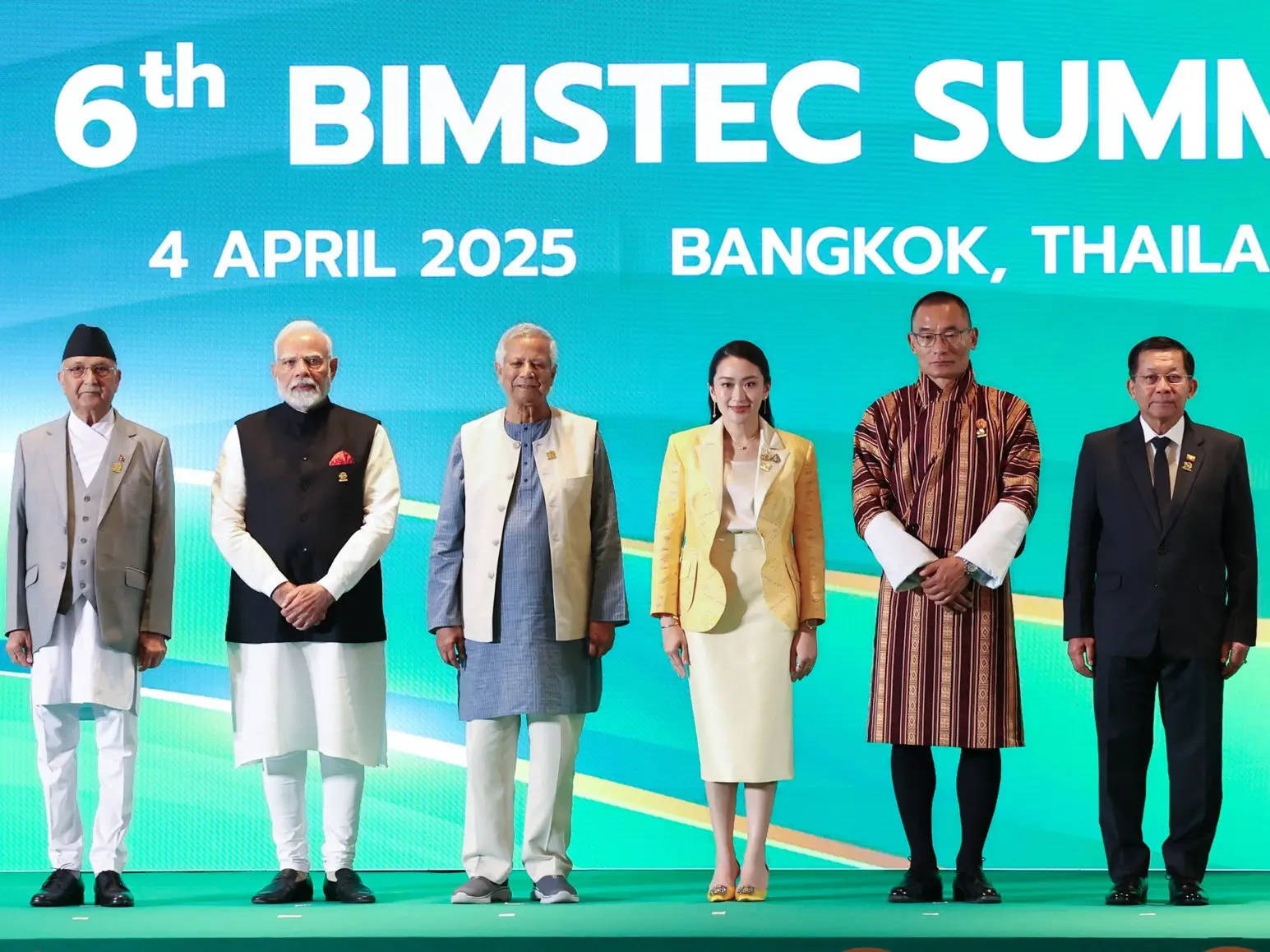
The Bay of Bengal is a vital sea line of communication (SLOC) linking the Indian Ocean to the Pacific Ocean via the Strait of Malacca. It handles nearly one-fourth of the world's traded goods that pass through or near the region, including critical energy shipments such as oil and liquefied natural gas (LNG) from the Middle East to East Asia. This strategic importance also underpins cooperation among the Bay's littoral states through BIMSTEC, or the Bay of Bengal Initiative for Multi-Sectoral Technical and Economic Cooperation.
Littoral states such as India, Bangladesh, Myanmar, Sri Lanka, and Thailand depend heavily on the Bay of Bengal for maritime trade, fishing, offshore energy resources, and connectivity. Any disruption would directly impact supply chains, energy security, and economic growth across the member states, which together account for a combined GDP of around $5 trillion and a population of nearly 1.7 billion.
Threats to trade flows in the Bay of Bengal: Maritime security risks
Trending Stories
&imwidth=280&imheight=210&format=webp&quality=medium)
&imwidth=280&imheight=210&format=webp&quality=medium)
&imwidth=280&imheight=210&format=webp&quality=medium)
&imwidth=280&imheight=210&format=webp&quality=medium)
&imwidth=280&imheight=210&format=webp&quality=medium)
&imwidth=280&imheight=210&format=webp&quality=medium)
&imwidth=280&imheight=210&format=webp&quality=medium)
&imwidth=280&imheight=210&format=webp&quality=medium)
&im=FitAndFill=(700,400)&imwidth=280&imheight=210&format=webp&quality=medium)
&imwidth=280&imheight=210&format=webp&quality=medium)
&imwidth=280&imheight=210&format=webp&quality=medium)
&imwidth=280&imheight=210&format=webp&quality=medium)
&imwidth=280&imheight=210&format=webp&quality=medium)
&imwidth=280&imheight=210&format=webp&quality=medium)
&imwidth=280&imheight=210&format=webp&quality=medium)
&im=FitAndFill=(700,400)&imwidth=280&imheight=210&format=webp&quality=medium)
&imwidth=280&imheight=210&format=webp&quality=medium)
&imwidth=280&imheight=210&format=webp&quality=medium)
&imwidth=280&imheight=210&format=webp&quality=medium)
&imwidth=280&imheight=210&format=webp&quality=medium)
&imwidth=280&imheight=210&format=webp&quality=medium)
&imwidth=280&imheight=210&format=webp&quality=medium)
&imwidth=280&imheight=210&format=webp&quality=medium)
&imwidth=280&imheight=210&format=webp&quality=medium)
&imwidth=280&imheight=210&format=webp&quality=medium)
&imwidth=280&imheight=210&format=webp&quality=medium)
&imwidth=280&imheight=210&format=webp&quality=medium)
&imwidth=280&imheight=210&format=webp&quality=medium)
&imwidth=280&imheight=210&format=webp&quality=medium)
&imwidth=280&imheight=210&format=webp&quality=medium)
&imwidth=280&imheight=210&format=webp&quality=medium)
&imwidth=280&imheight=210&format=webp&quality=medium)
&imwidth=280&imheight=210&format=webp&quality=medium)
&imwidth=280&imheight=210&format=webp&quality=medium)
The threats faced by the littoral nations include piracy and armed robbery, with the Bay of Bengal reporting several incidents in the Indo-Pacific. Trafficking of drugs, arms, and humans is another major concern. The maritime region also reports widespread illegal, unreported, and unregulated (IUU) fishing, which threatens marine resources and coastal livelihoods.
Maritime terrorism and other non-traditional threats, such as natural disasters, environmental degradation, climate-related risks, and the potential for blockages or hybrid disruptions to shipping, are also issues of concern.
BIMSTEC's moves towards safe, secure waters in the Bay of Bengal
A key area of focus for BIMSTEC is to ensure freedom of navigation and the safe passage of the tens of thousands of commercial vessels that pass through the Bay of Bengal every year. The grouping also seeks to enhance the resilience and stability of regional ports, maritime infrastructure, and supply chains.
BIMSTEC's efforts towards this end include the Expert Group on Maritime Security Cooperation, strengthening Maritime Domain Awareness (MDA) through information sharing, capacity building, joint exercises and patrols, and coordinated responses to maritime threats.
China's growing presence in the Bay of Bengal maritime region
Chinese interests in the Bay of Bengal region and the wider Indo-Pacific amplify the importance of maritime security in the Bay. The waters are a key transit route for Chinese energy imports and trade, and secure SLOCs are vital for Beijing's economic security.
Over the last decade, China has expanded its influence through infrastructure projects such as ports in Myanmar and Bangladesh under the Belt and Road Initiative (BRI). It also continues to increase its naval activities in the region. A significant proportion of IUU fishing in the wider Indo-Pacific has been attributed to Chinese distant-water fishing fleets, straining local resources and bilateral ties.
Also read: BIMSTEC NSA meeting amid security challenges in a complex world: The evolution of cooperation
Beijing is also building up military infrastructure, while the presence of the People's Liberation Army Navy (PLA Navy) in the Indian Ocean Region is growing, raising concerns about strategic competition, potential dual-use facilities, and the implications for freedom of navigation.
The Bay of Bengal states have differing security perceptions regarding the region. India is pushing for cooperative frameworks that counterbalance external influence while maintaining open sea lanes through initiatives such as BIMSTEC, the Act East Policy, and MAHASAGAR, or Mutual and Holistic Advancement for Security and Growth Across Regions.
It is in this context that Doval's emphasis on strengthened maritime cooperation in the region should be understood.
India is stressing the need to safeguard vital trade arteries in a contested maritime space where geopolitical rivalries, particularly involving China, intersect with non-state actor threats and growing economic interdependence.
Stable waters in the Bay of Bengal are essential not only for regional prosperity but also for the broader stability of Indo-Pacific trade.