How smart robots and AI assemble vehicles in 20 hours

Advanced factory robots use 2,000-tonne presses and apply 5,000 spot welds to build cars. Automated systems paint the chassis, install heavy engines, and use AI cameras to check for defects.
Metal stamping presses
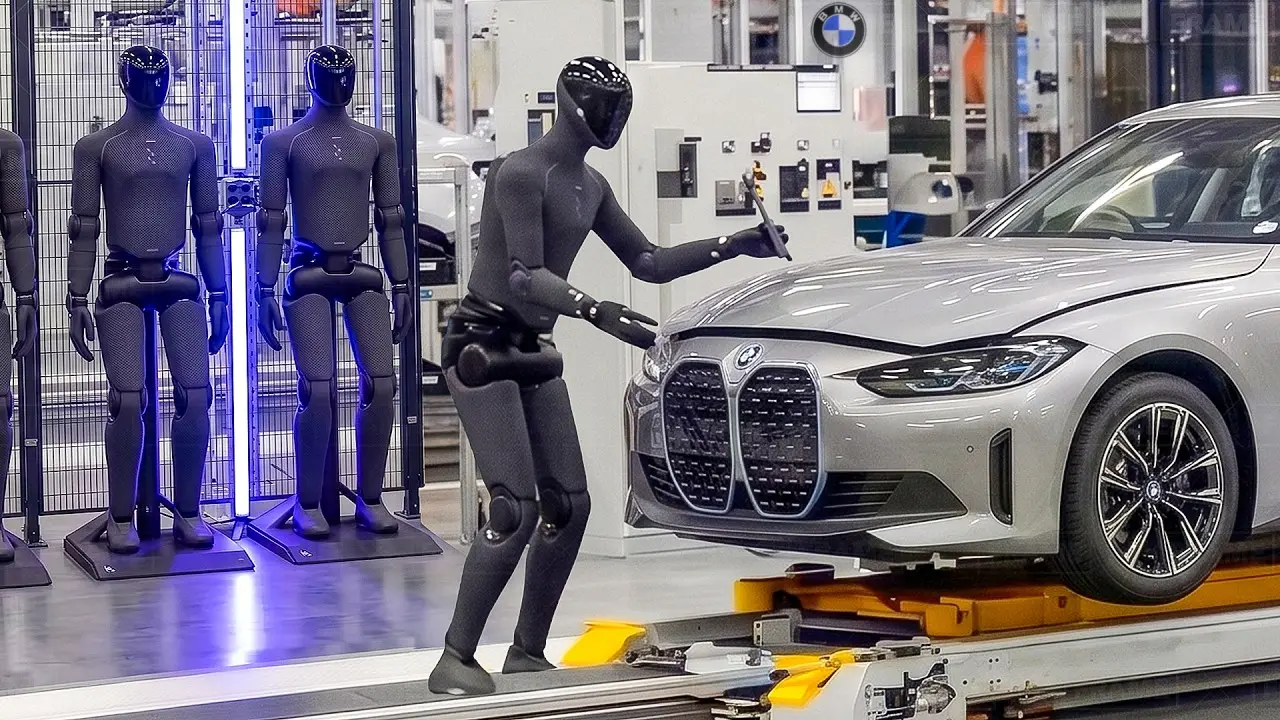
Automotive manufacturing begins when heavy robotic presses shape raw steel or aluminium coils into solid vehicle panels. These massive machines apply over 2,000 tonnes of physical pressure to stamp out doors and bonnets. The automated process creates perfectly uniform parts in mere seconds.
Precision spot welding
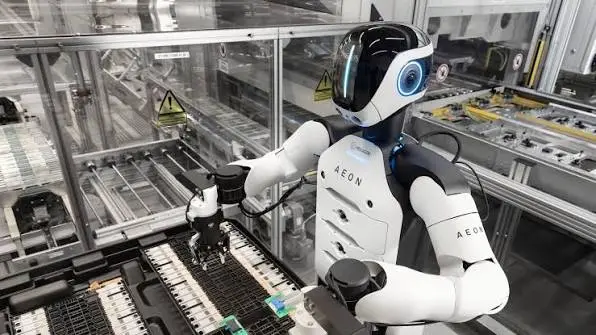
Once the panels are stamped, articulated robotic arms assemble the main vehicle chassis. A single modern car requires roughly 5,000 individual spot welds to ensure structural integrity and safety. Automated welding robots complete this physically demanding task with extreme accuracy.
Electrostatic paint application
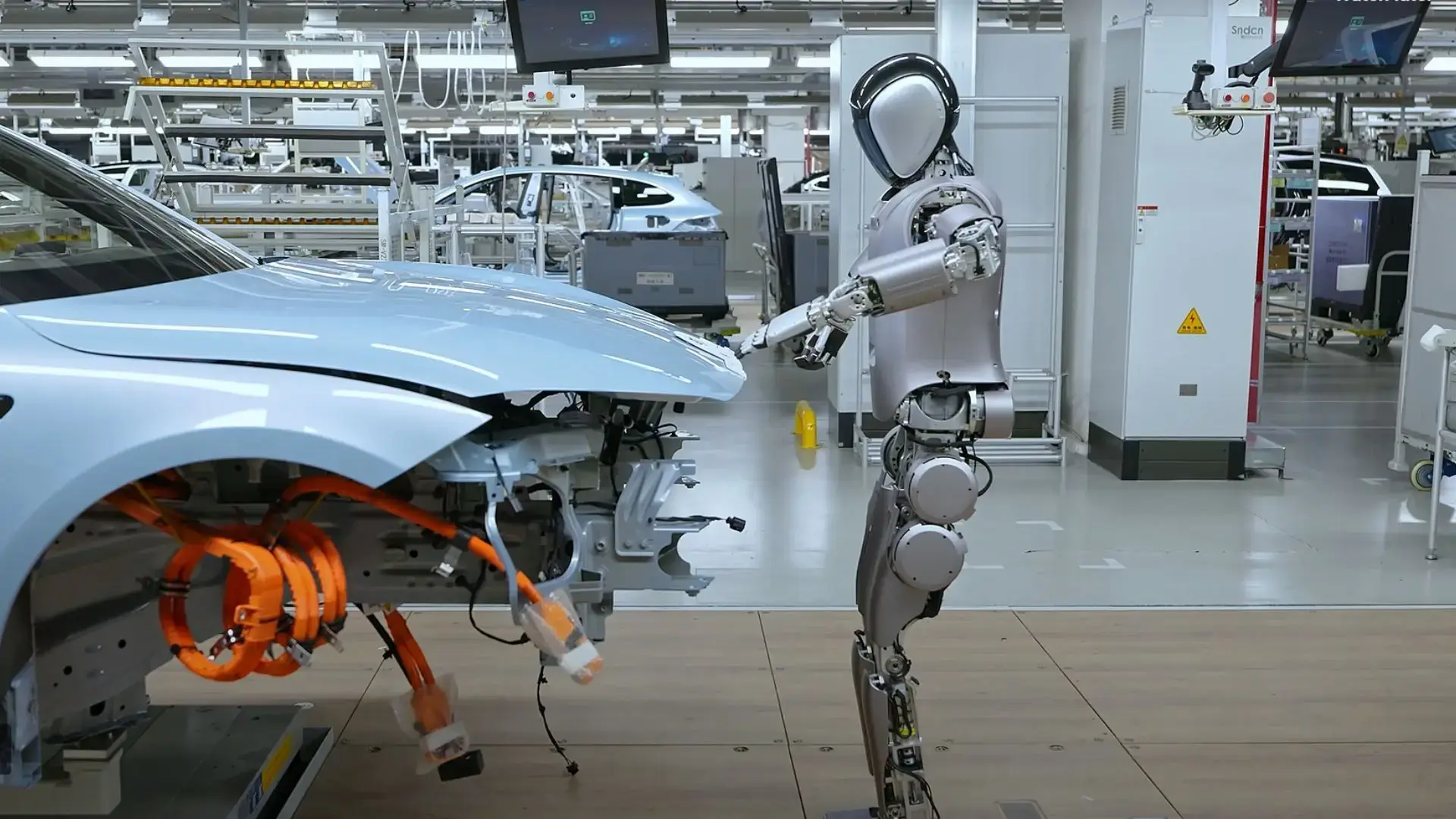
The welded chassis moves into a sealed automated painting chamber. Robotic sprayers apply electrostatic charges to the paint droplets, forcing them to bond evenly across the metal surface. This targeted application minimises chemical waste and guarantees a flawless protective finish.
Heavy powertrain assembly
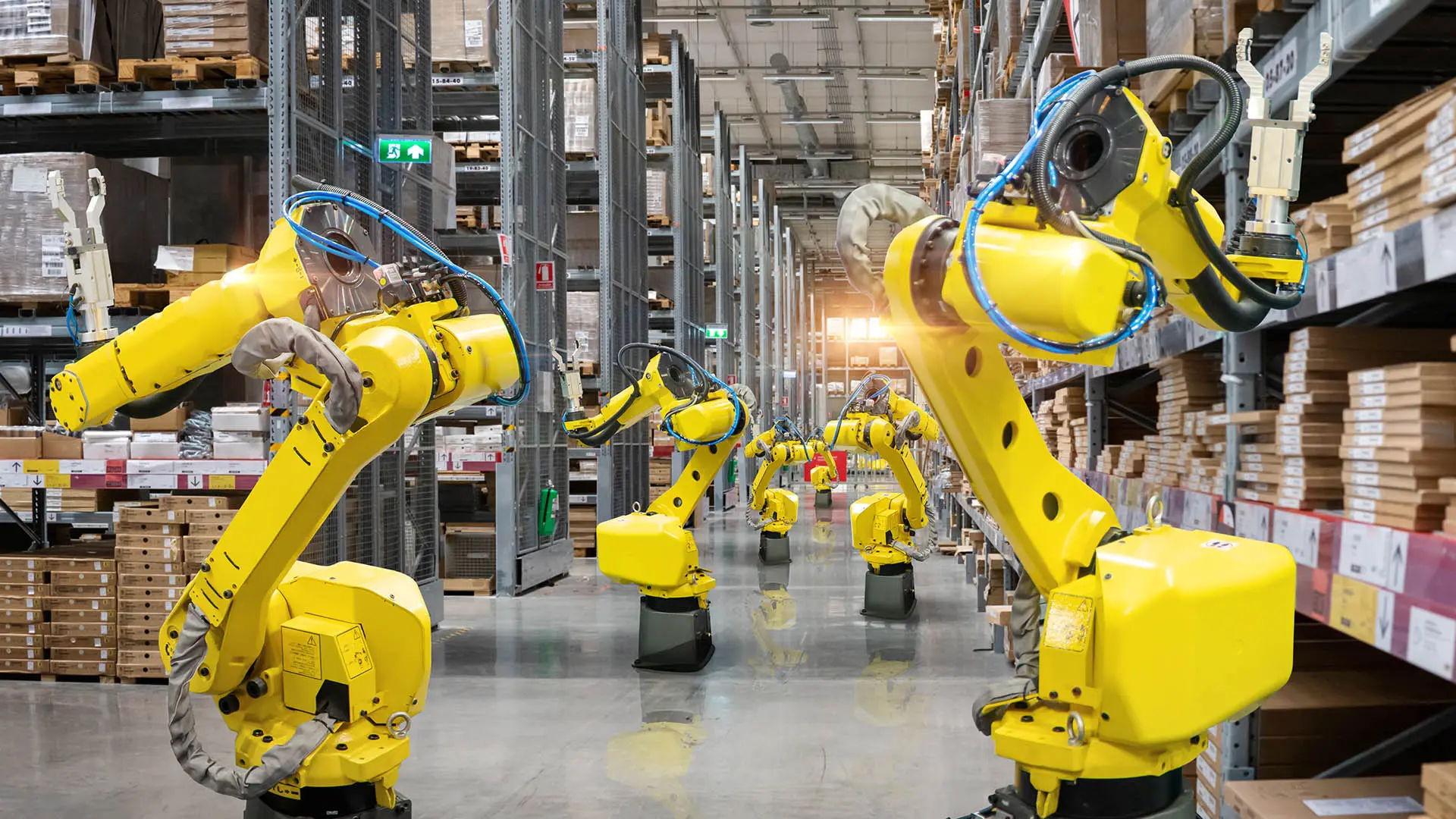
Installing the heavy engine or electric battery pack requires immense lifting power and tight mechanical tolerances. Autonomous guided vehicles transport the powertrain directly underneath the suspended car body. Robotic lifts then push the heavy components upwards into the chassis to secure them instantly.
Automated visual inspection
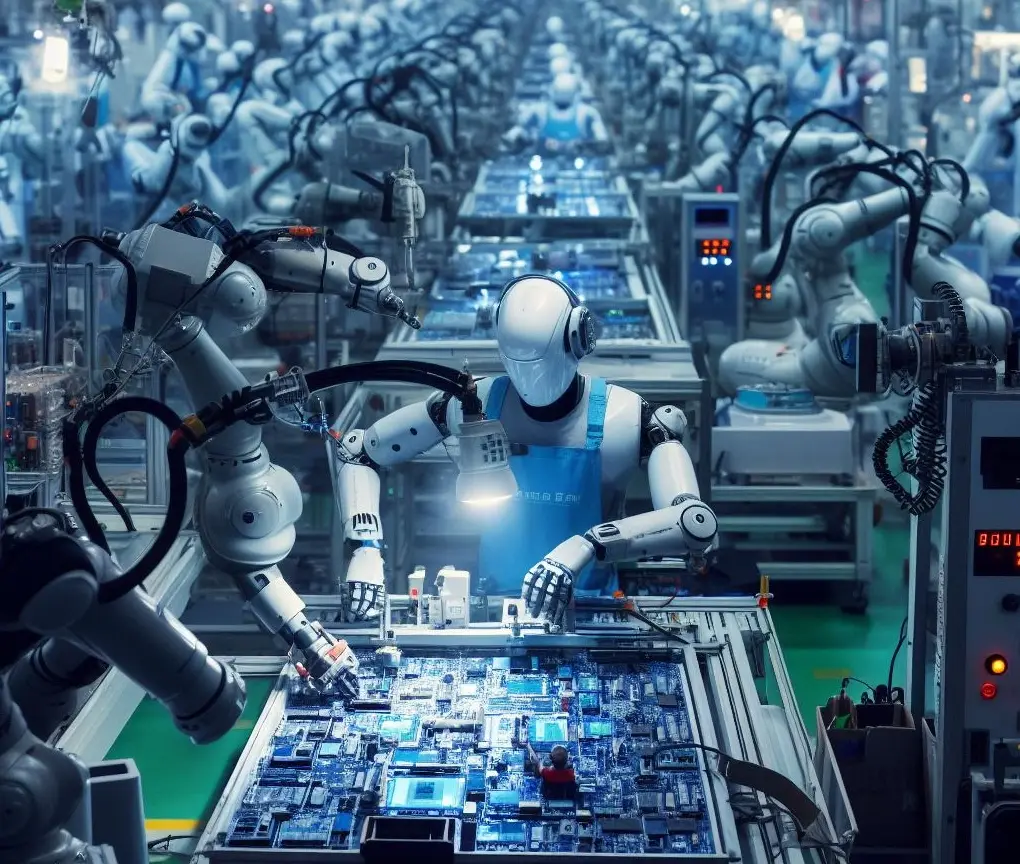
Before a finished vehicle leaves the factory, advanced artificial intelligence cameras scan the entire exterior. These optical robots check panel gaps, paint consistency, and glass alignment with absolute precision. The system operates quickly, immediately identifying any microscopic manufacturing defects.