From robot arms to humanoids: 5 technologies transforming modern factories

Modern factories now use smart automation to boost efficiency. Heavy robot arms lift vehicle parts, while AI cameras detect defects. Mobile units move goods, and humanoid robots assist human workers.
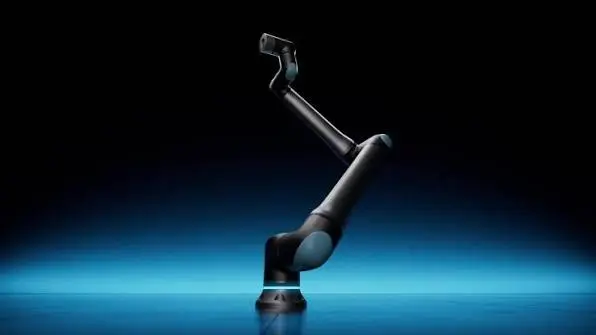
Heavy-duty robotic arms
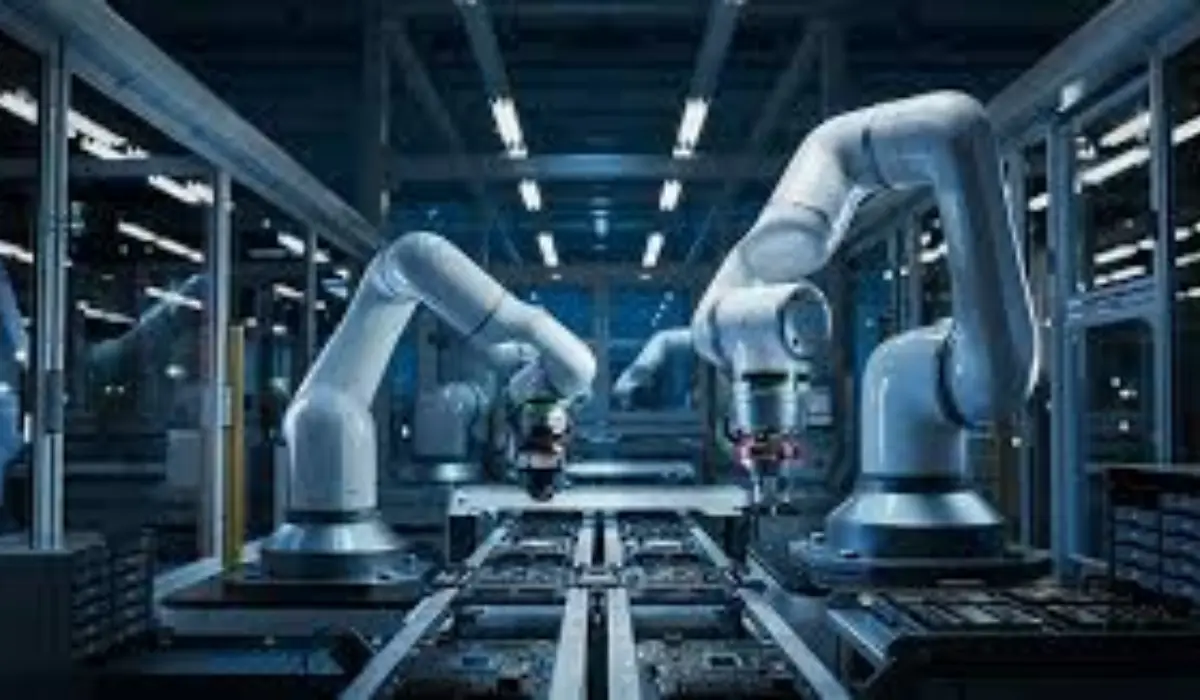
Traditional articulated robot arms remain the backbone of heavy manufacturing, particularly in the automotive sector. These programmable machines can lift vehicle chassis weighing over 1,000 kilogrammes with absolute precision. Their rapid movement significantly reduces assembly time while protecting human workers from dangerous mechanical strain.
Collaborative robots
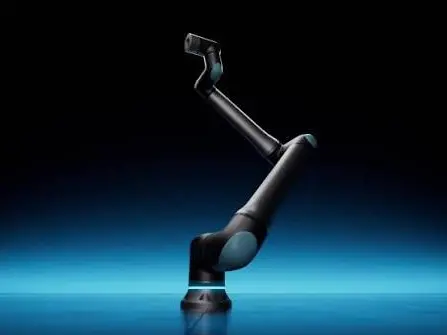
Unlike massive industrial arms enclosed in safety cages, collaborative robots operate directly alongside human staff. Built with advanced force sensors, these machines automatically stop moving if they detect unexpected physical contact. They typically handle lighter payloads of around 15 kilogrammes, assisting workers with precise screw driving or packaging tasks.
Autonomous mobile robots
Factories no longer rely strictly on fixed conveyor belts to move materials across the floor. Autonomous mobile robots use advanced laser mapping to navigate dynamic warehouse environments without human guidance. These flat, wheeled units can transport heavy pallets weighing up to 1,500 kilogrammes to specific workstations exactly when parts are required.
Machine vision inspection
Artificial intelligence now powers highly advanced camera systems that inspect products moving at high speeds. These machine vision setups process thousands of images per minute to identify microscopic manufacturing defects. The technology operates with over 99 per cent accuracy, instantly rejecting faulty items before they ever reach the packaging department.
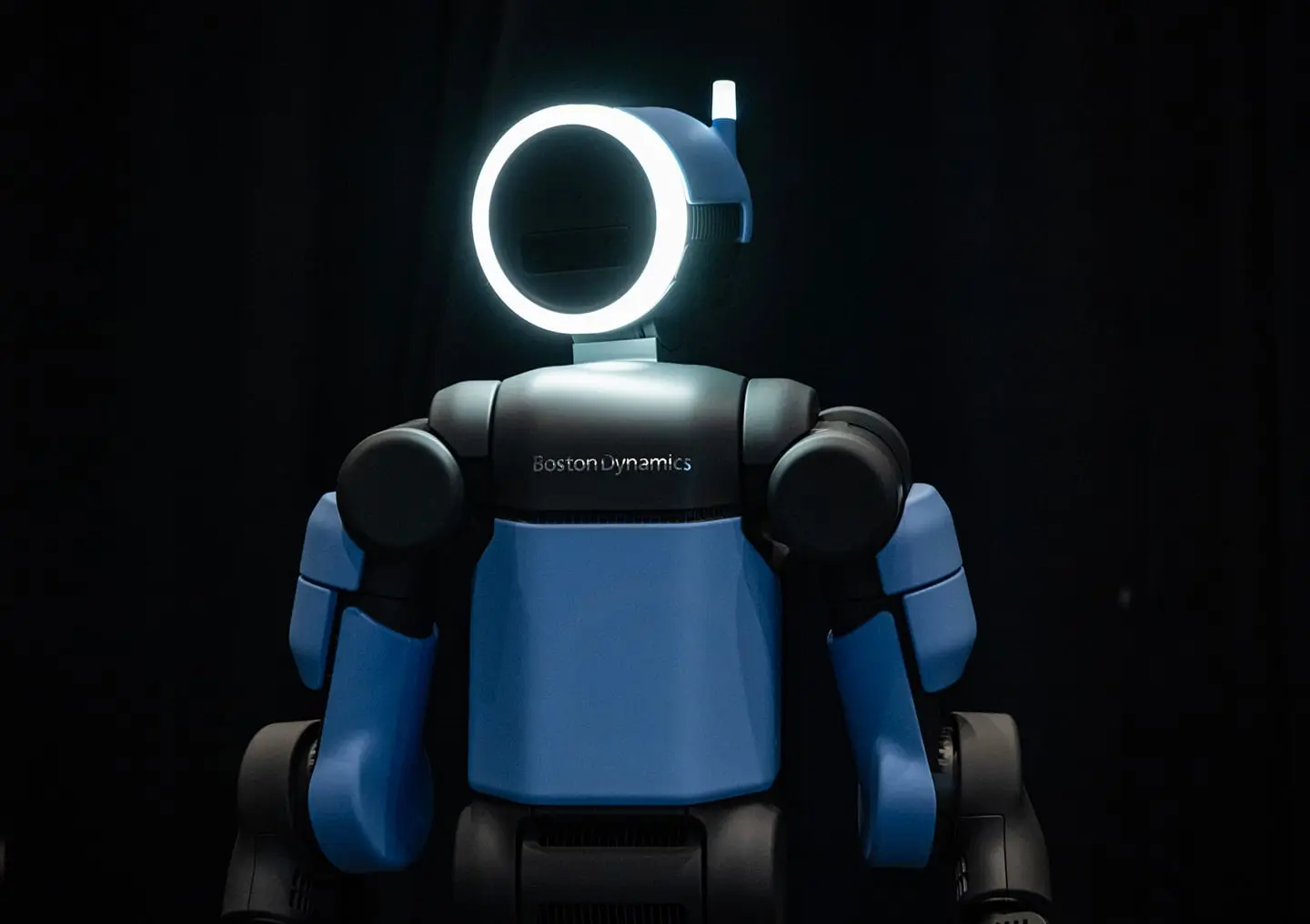
Bipedal humanoid workers
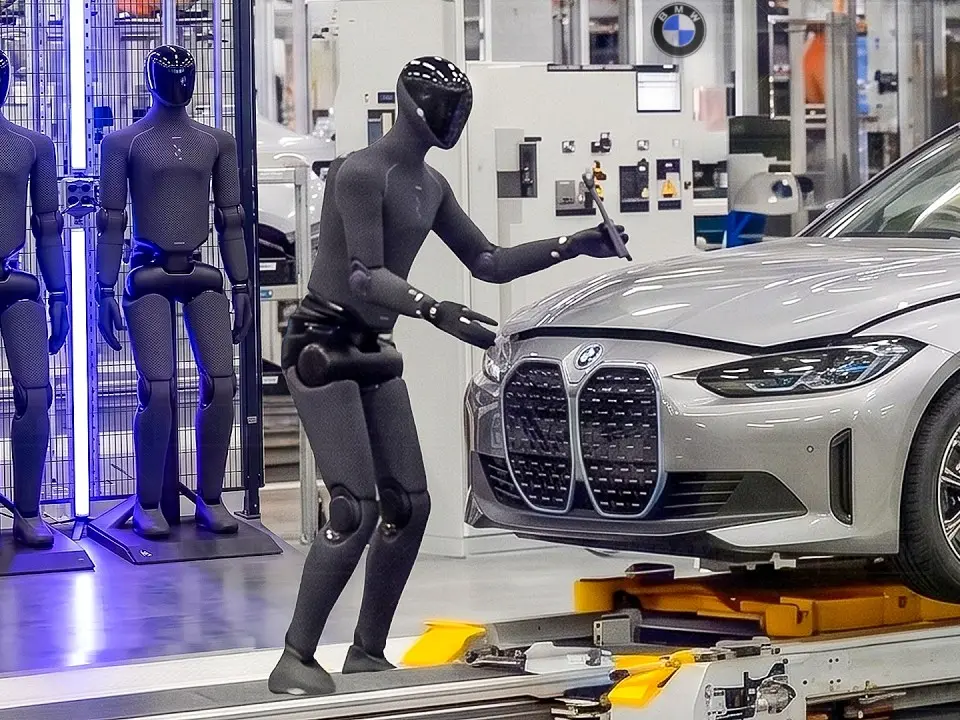
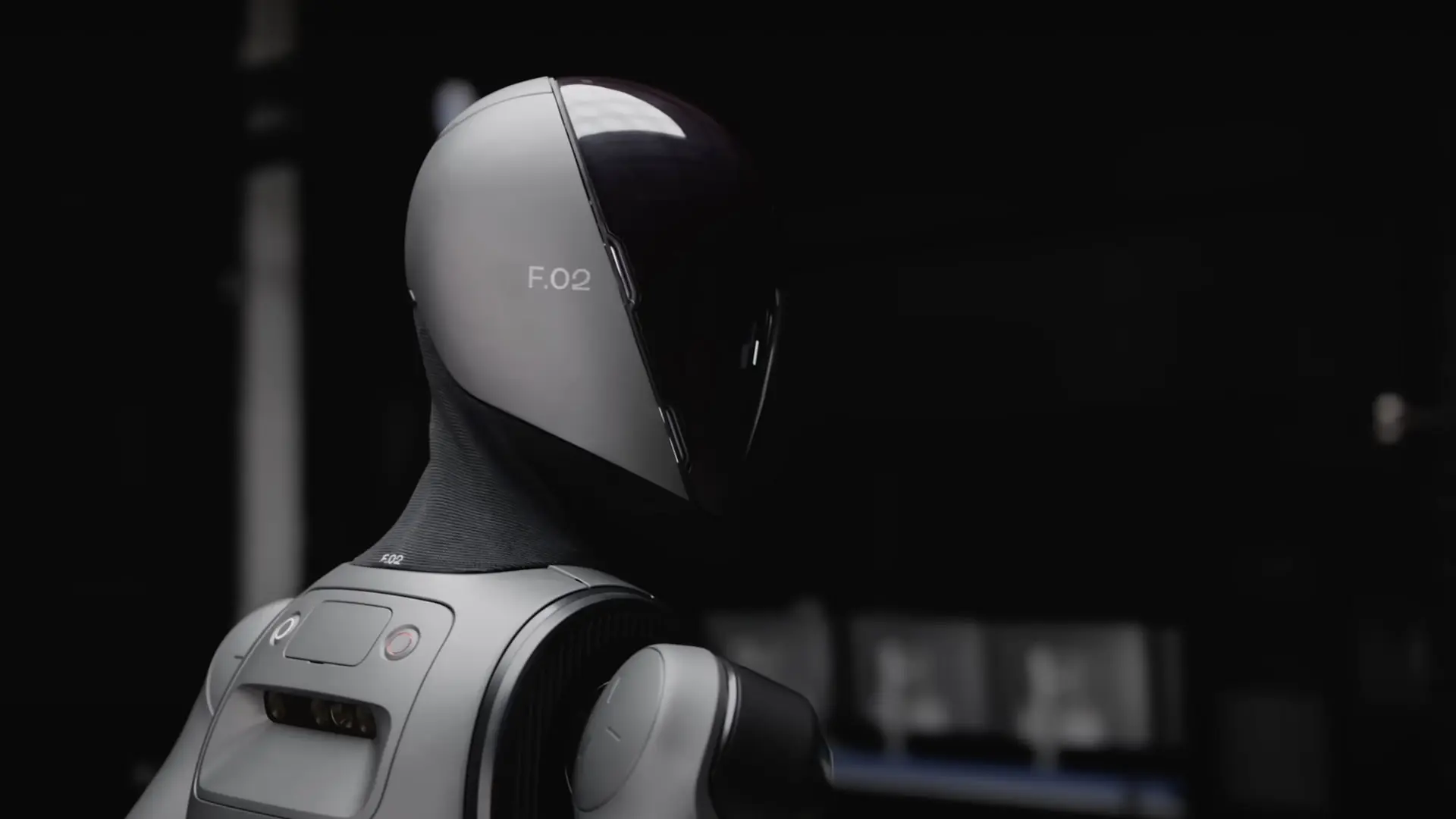
Several major automakers are currently testing bipedal humanoid robots on their active factory floors. Designed to mimic the human form, these advanced machines navigate stairs and reach standard shelving units. Early pilot programmes show them independently carrying 20-kilogramme crates and placing individual parts onto assembly lines without human intervention.