Why do army tanks have different types of armour?

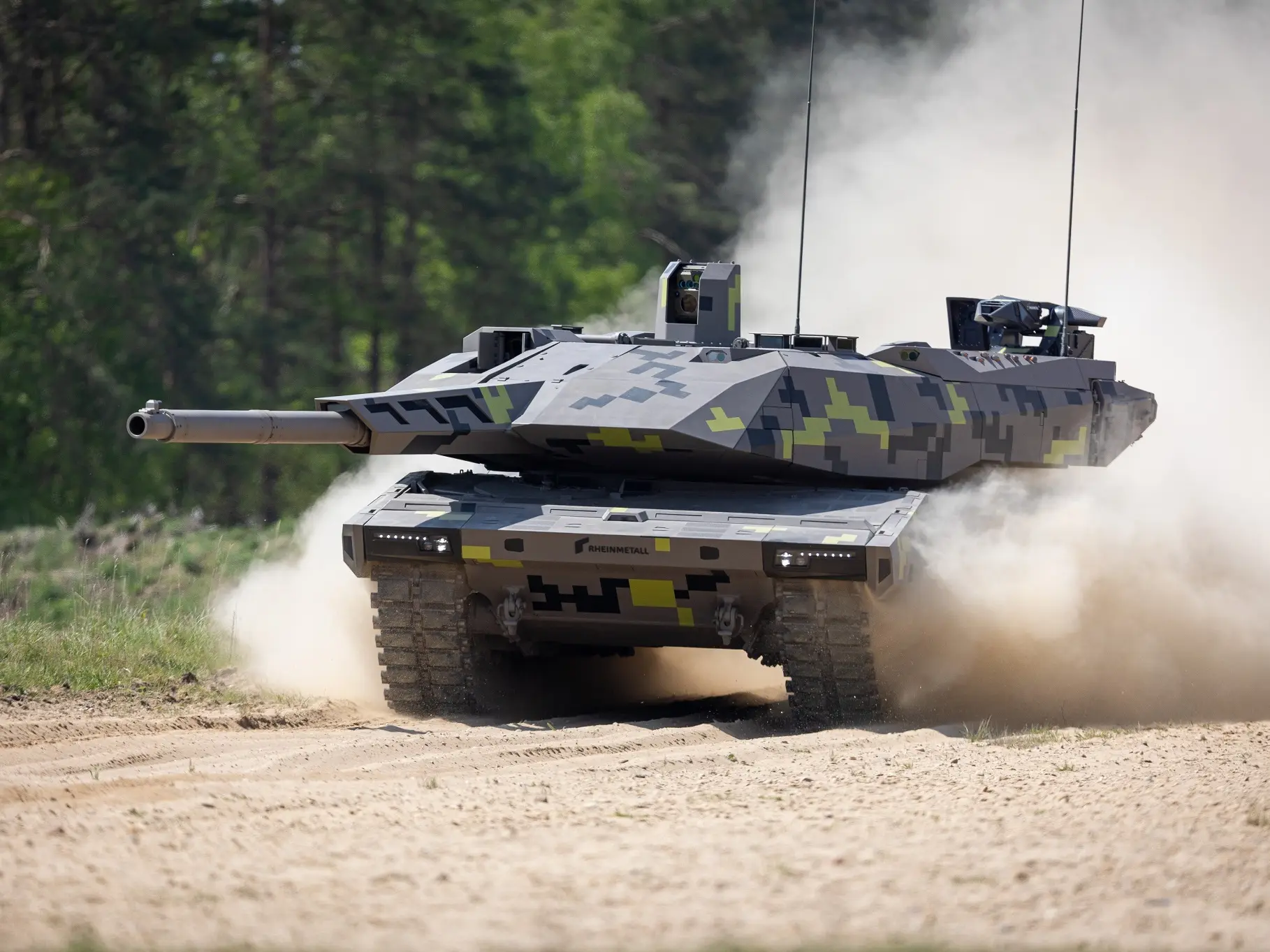
Modern tanks combine composite layers, explosive reactive tiles, and spaced air gaps. This layered defence stops different anti-tank weapons while keeping vehicle weight between 50 and 70 tonnes.
The limits of solid steel
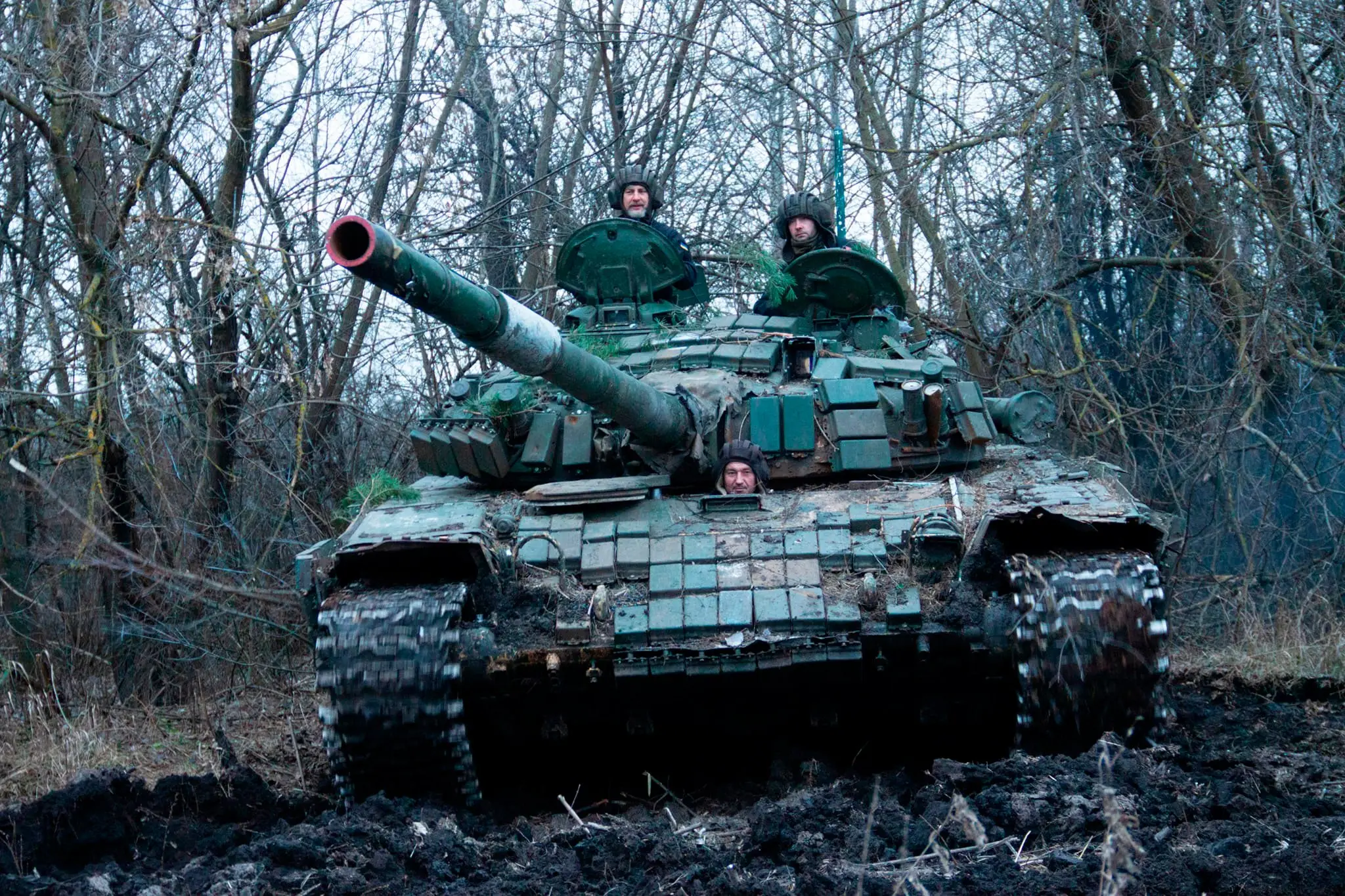
If a main battle tank relied entirely on traditional solid steel for protection, the sheer thickness required would make it too heavy to move. To keep the total vehicle weight between 50 and 70 tonnes, engineers must use lightweight material combinations instead of raw metal thickness.
Defeating kinetic penetrators
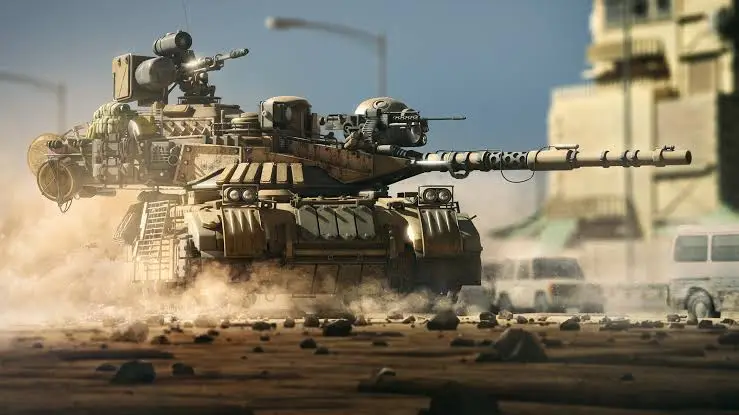
To stop dense metal rods fired at extreme velocities, tanks use composite armour. This system sandwiches different materials, such as hard ceramics, high-performance fibres, and heavy metals, into a single integrated block that shatters or absorbs the incoming projectile through advanced material science.
Explosive reactive blocks
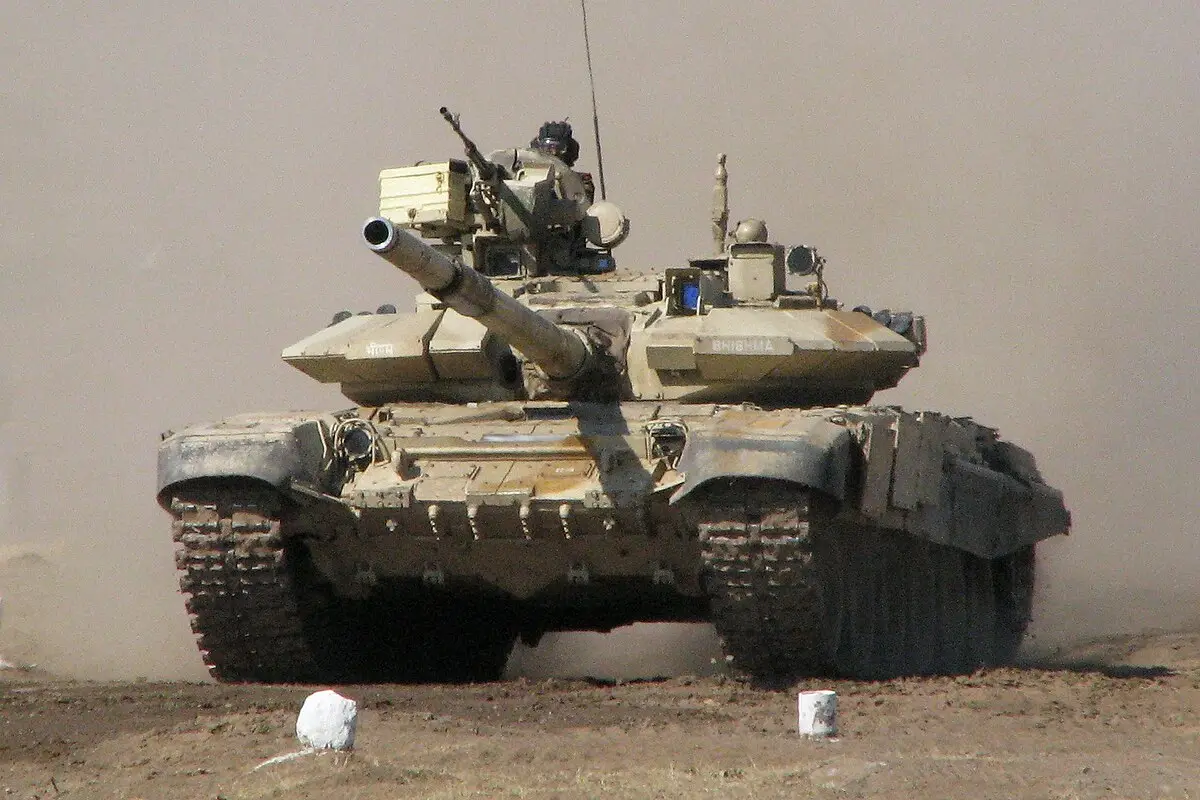
Many anti-tank weapons use shaped charges that focus a blast into a high-velocity metal jet. To counter this, tanks carry explosive reactive armour tiles. When struck, these external blocks detonate and drive steel plates across the jet's path to disrupt it before it reaches the hull.
Spaced and slat armour
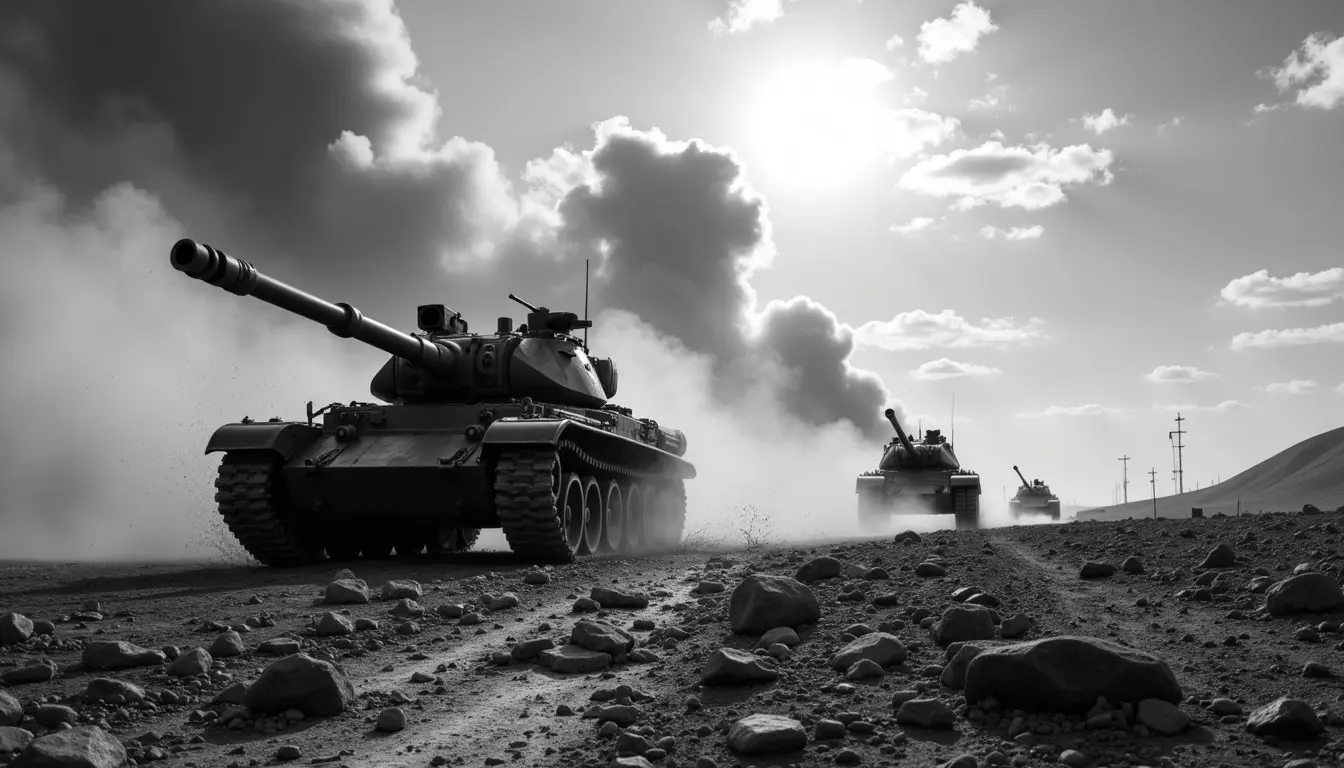
Engineers use physical geometry to create spaced armour by placing a deliberate air gap between the outer panels and the main hull. This empty standoff distance forces shaped-charge warheads to detonate prematurely, safely wasting their explosive energy in the open air.
Layering the defensive systems
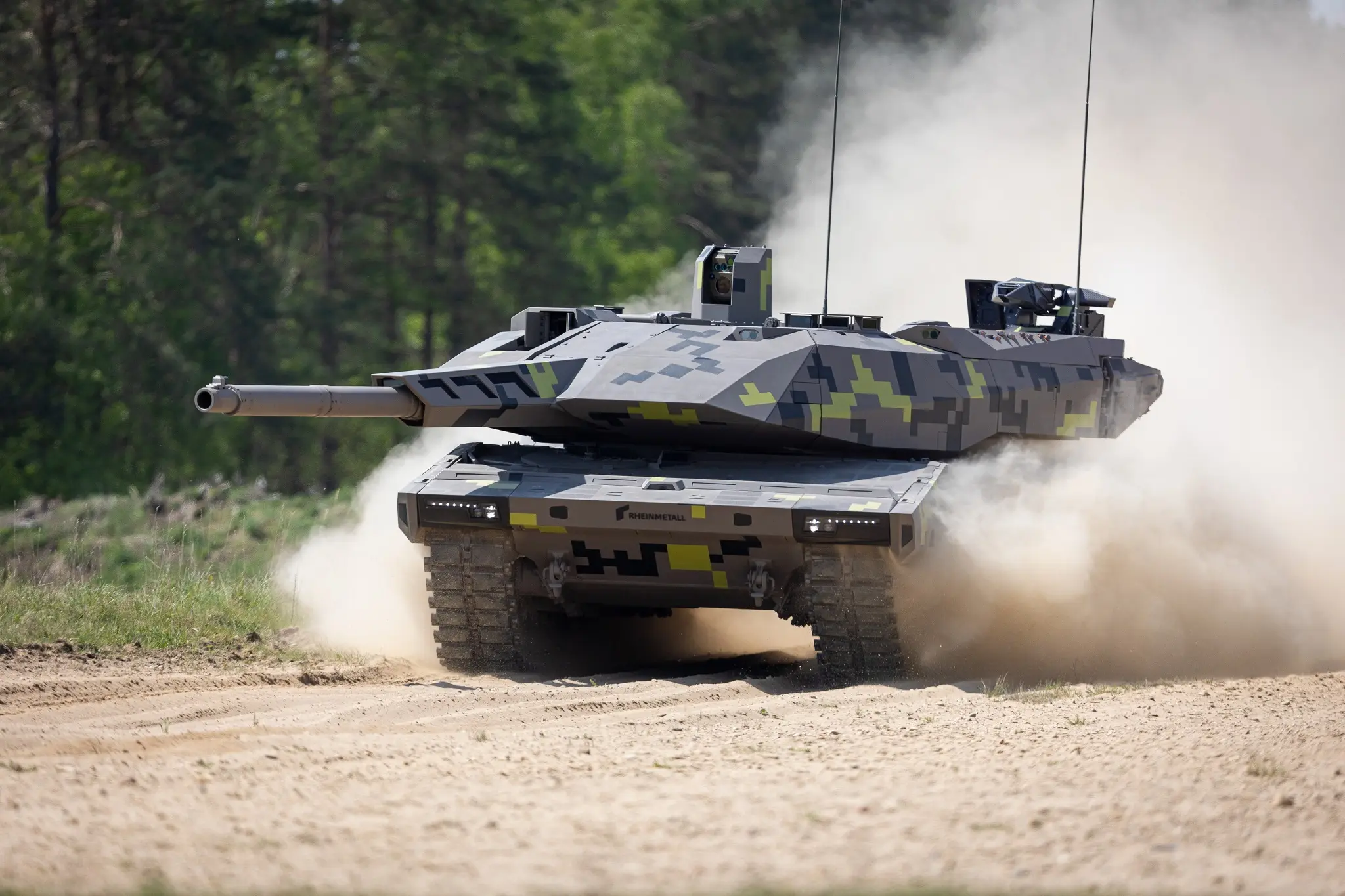
Because kinetic penetrators rely on brute momentum and shaped charges rely on explosive jets, no single material can stop both threats. Modern tanks use a layered strategy, covering a composite hull with reactive blocks and spaced panels to maximise protection while managing vehicle weight.