How do air defence systems decide which incoming missile to target first?

Modern defence networks process radar data in milliseconds to prioritise threats, tracking ballistic descent speeds exceeding 24,000 kilometres per hour to protect critical assets.
Calculating impact zones
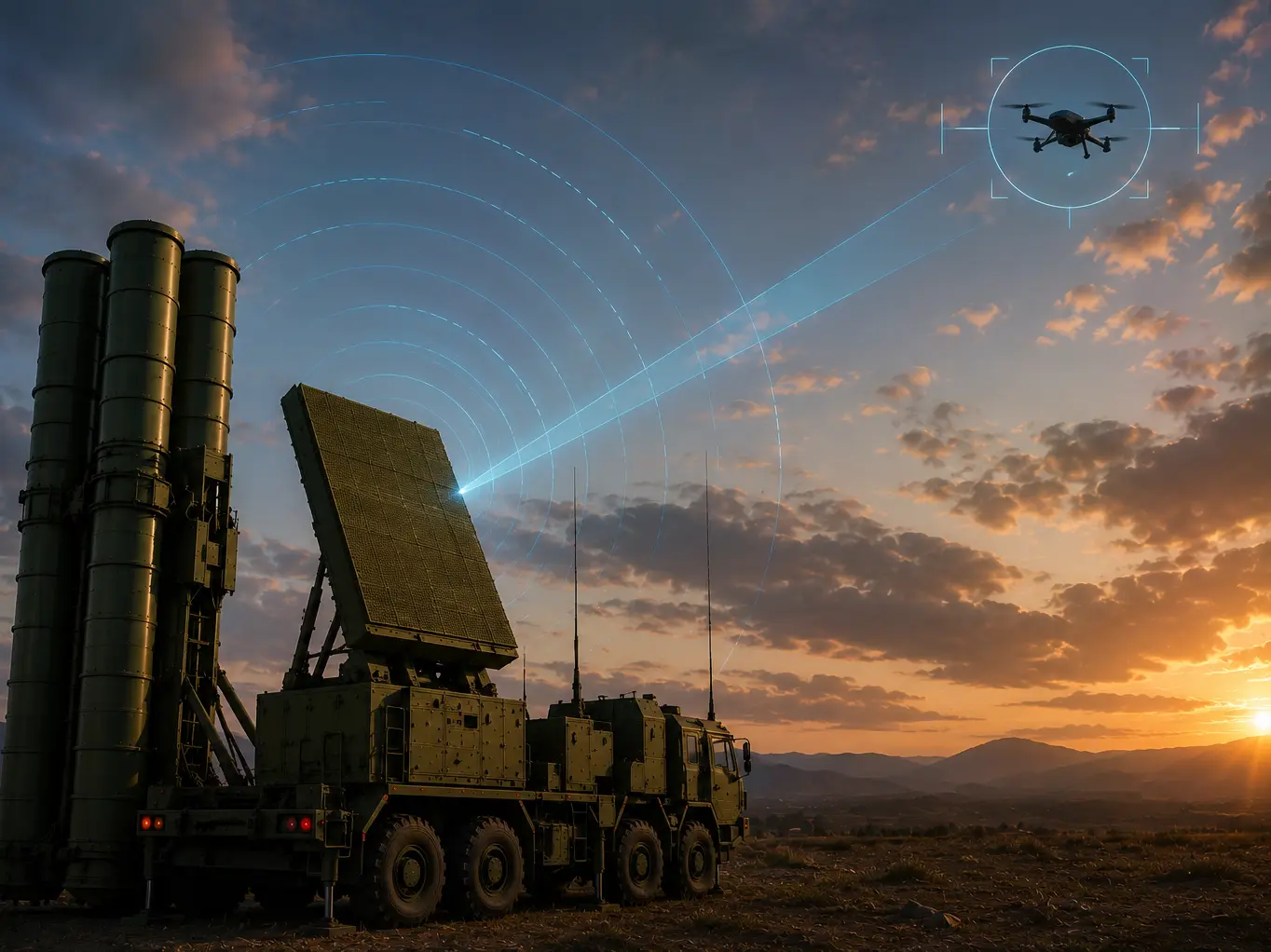
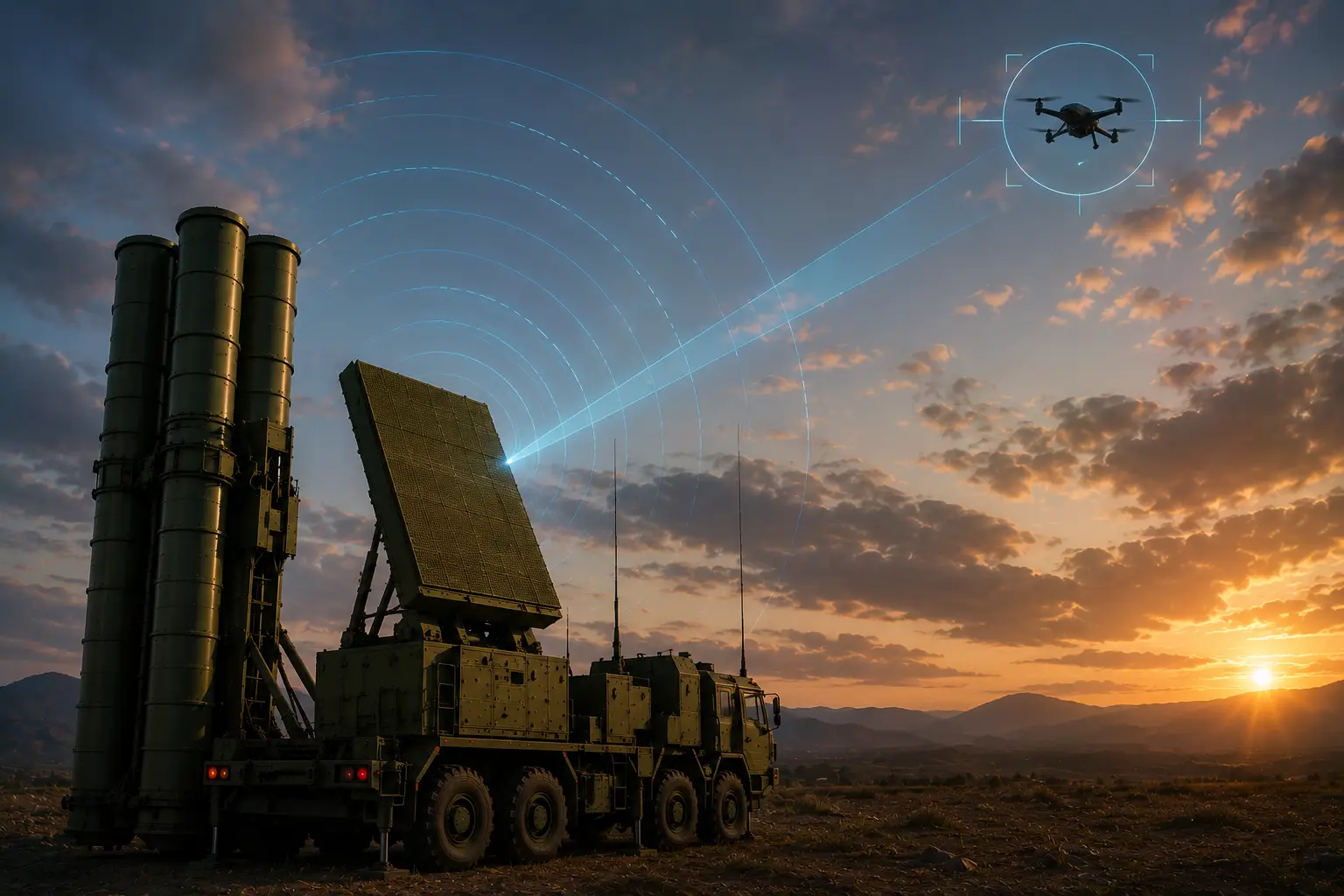
Advanced ground radars instantly calculate the exact trajectory of an incoming weapon to predict its final destination. If the trajectory analysis shows a projectile heading towards an empty field or ocean, the system intentionally ignores it to save expensive interceptors. Projectiles aimed at populated cities immediately receive the highest interception priority.
Time to impact
Prioritisation algorithms rely heavily on the precise amount of time remaining before a weapon reaches its target. A hypersonic glide vehicle or ballistic missile plunging from the upper atmosphere demands a faster response than a slower drone. The network ranks multiple threats strictly by calculating which weapon will strike the ground first.
Assessing the threat
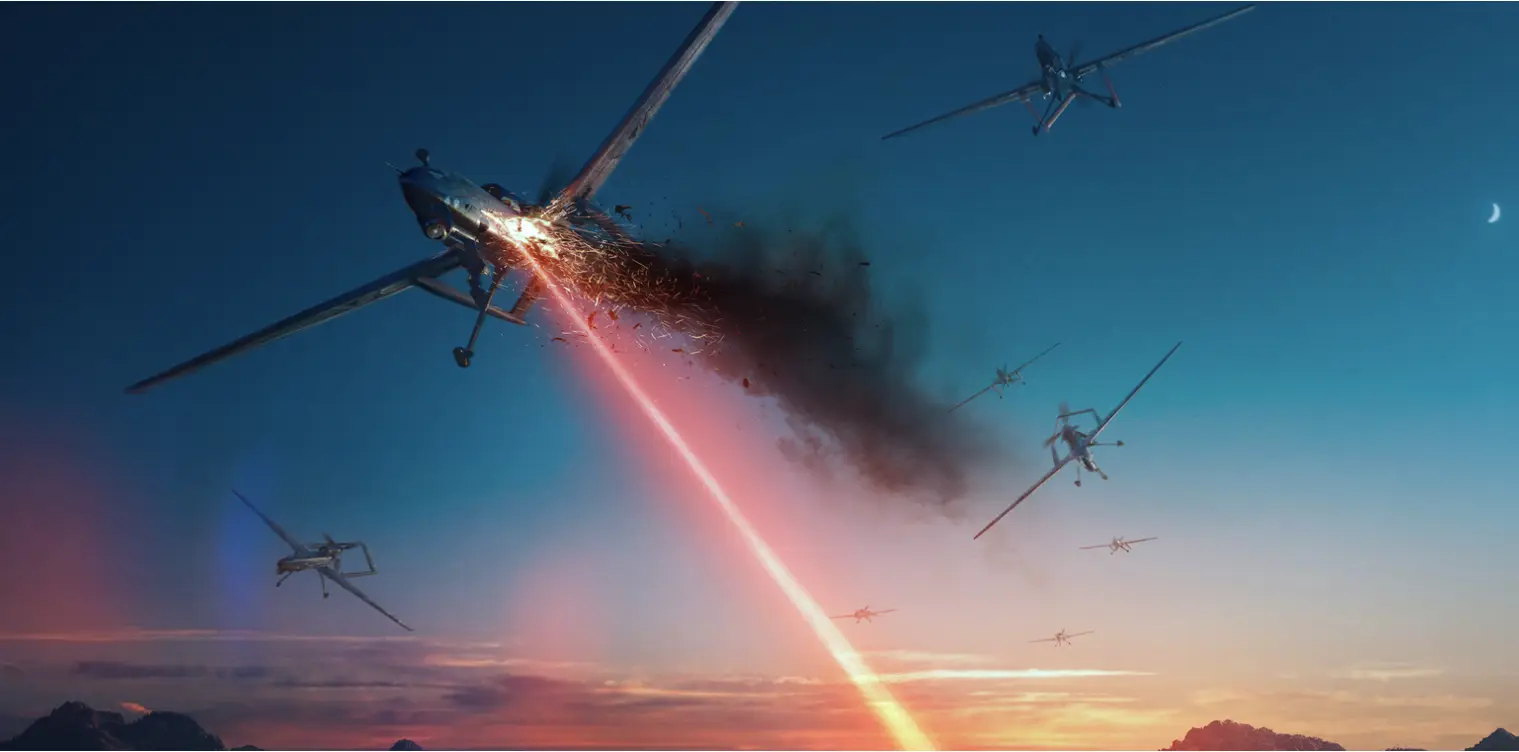
Not all aerial targets pose the exact same level of danger to ground infrastructure or civilian populations. Defence networks analyse radar cross-sections and descent speeds to distinguish between heavy ballistic missiles, cruise missiles, and decoy warheads. Larger weapons carrying massive explosive payloads are automatically flagged as primary targets.
Interceptor hit probability
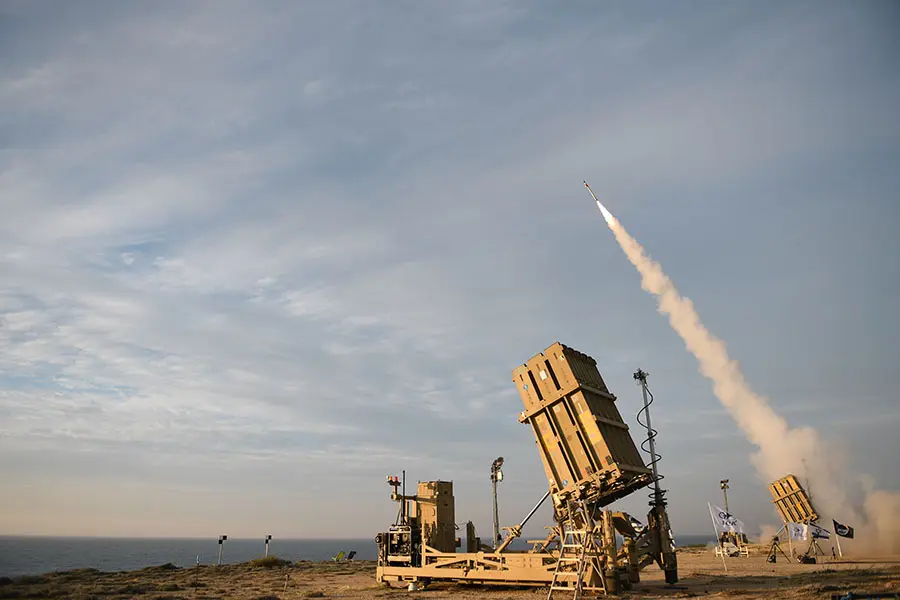
Firing an interceptor missile is only useful if it actually has a high mathematical chance of destroying the threat. Algorithms process atmospheric drag and closing speeds to assign the specific launcher with the best interception geometry. If one target is manoeuvring too erratically to hit reliably, the system may temporarily shift focus.
Layered defence coordination
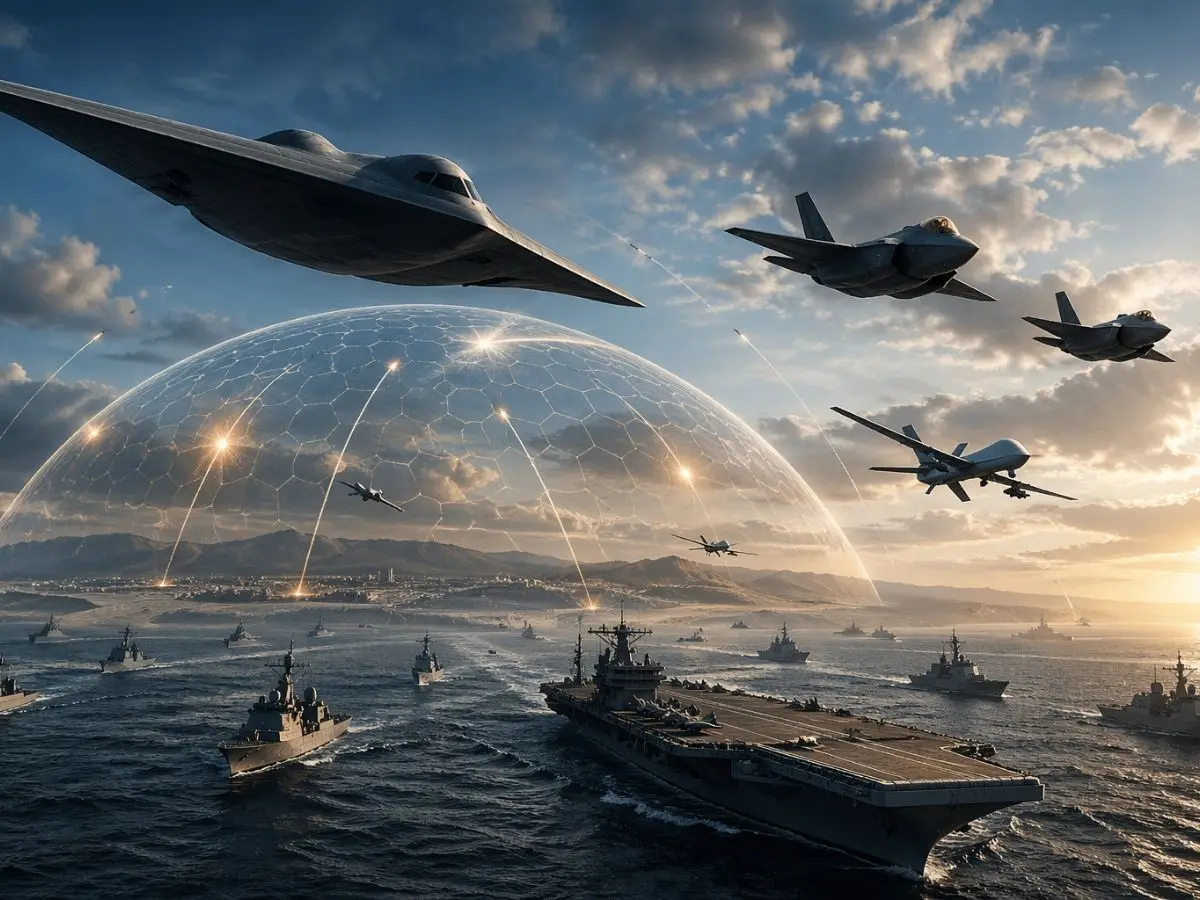
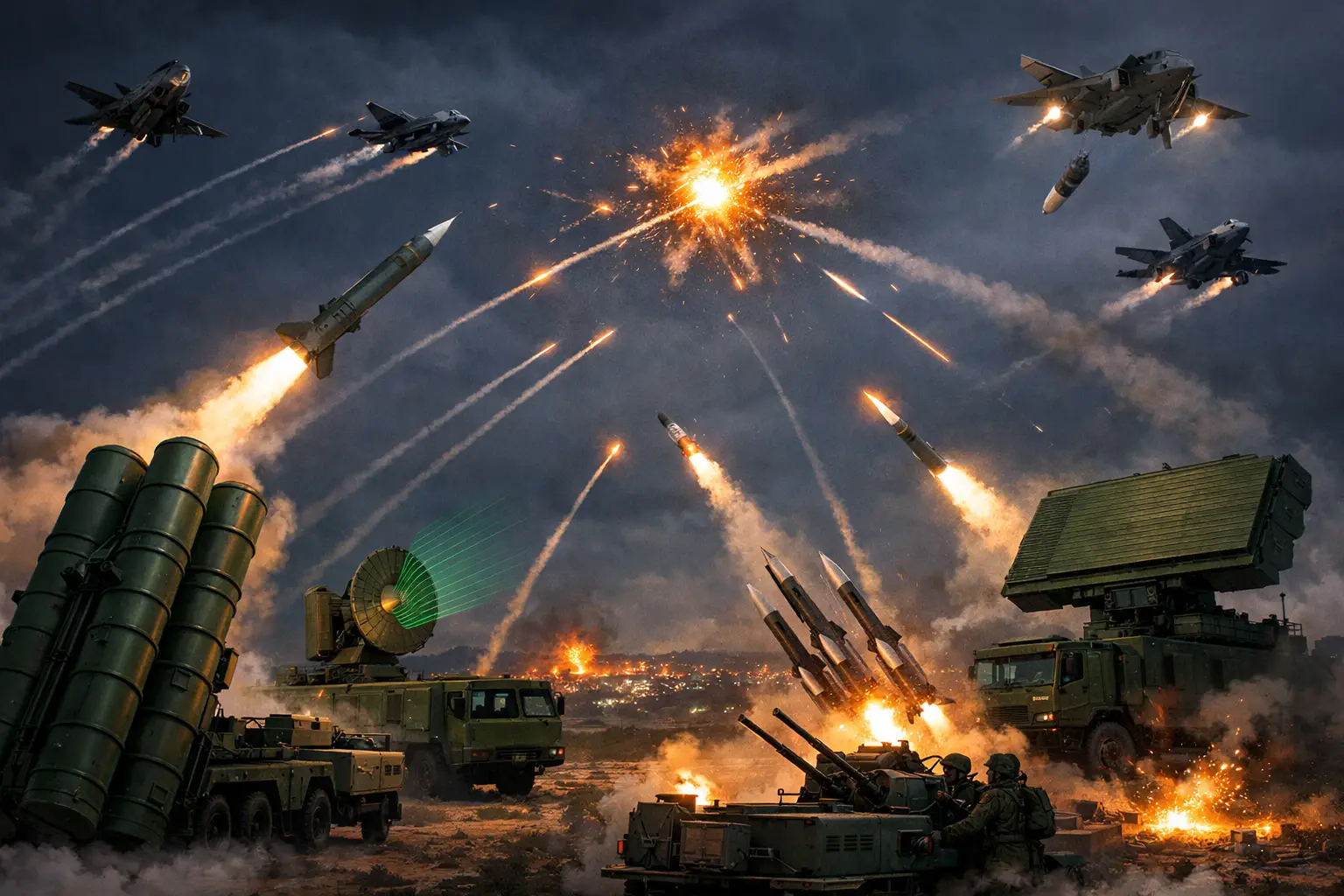
Modern ballistic missile defence relies on a tiered architecture combining space-based infrared sensors with high-resolution ground arrays. This fused network tracks threats across different altitudes and flight phases in absolute real time. The command system seamlessly hands over targeting data to terminal interceptors for the final strike.