Extremely low frequency: How do navy submarines communicate when they are deep underwater?

Navy submarines receive deep underwater orders using 76 Hz low frequency waves. For faster data, they deploy floating wire antennas near the surface or use acoustic sound pulses to communicate.
The saltwater barrier
Standard radio waves used by civilian networks cannot travel through the ocean. Saltwater is highly conductive and absorbs these signals within a few metres of the surface. This physical barrier forces naval engineers to use entirely different frequency bands for underwater operations.
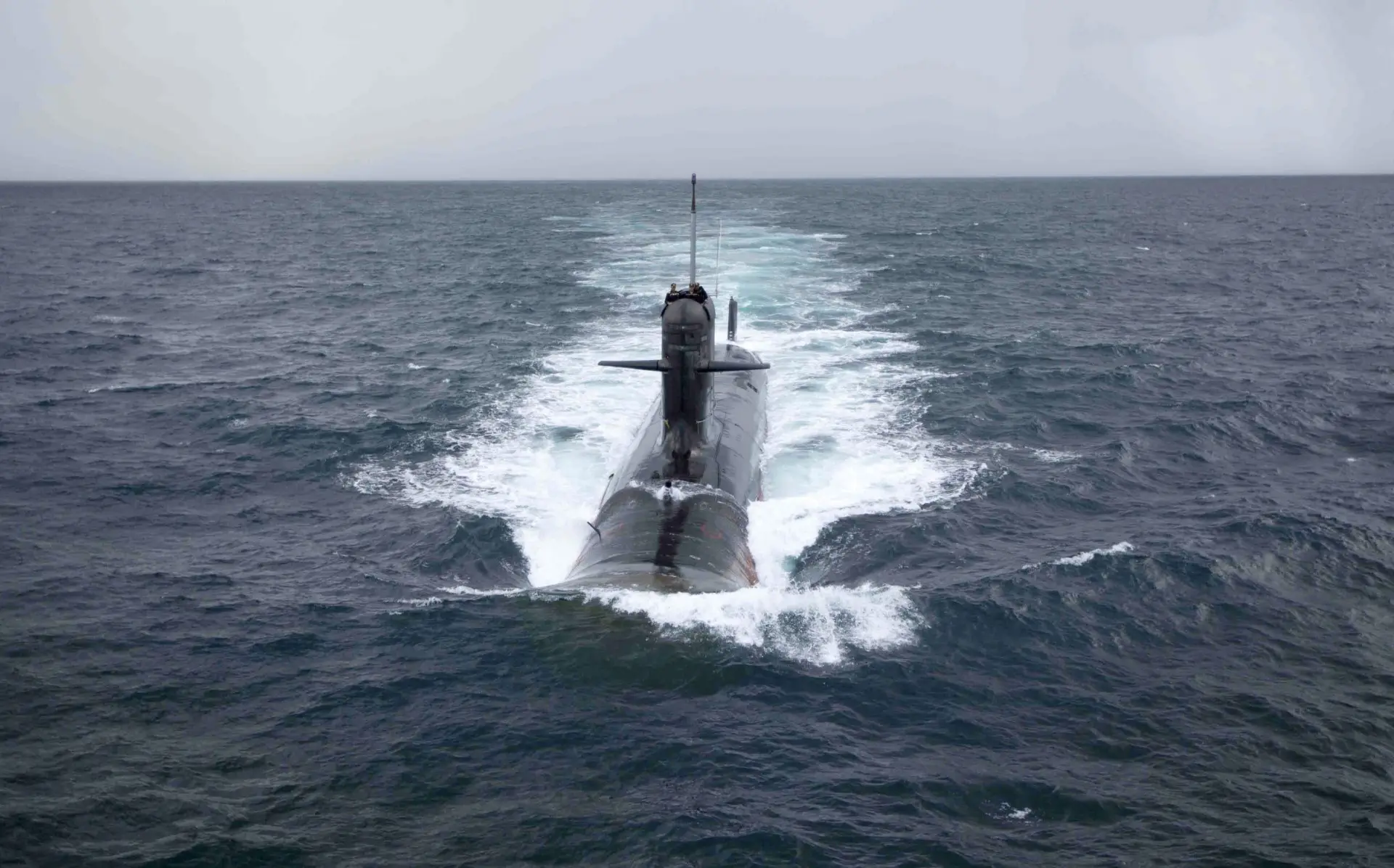
Extremely low frequencies
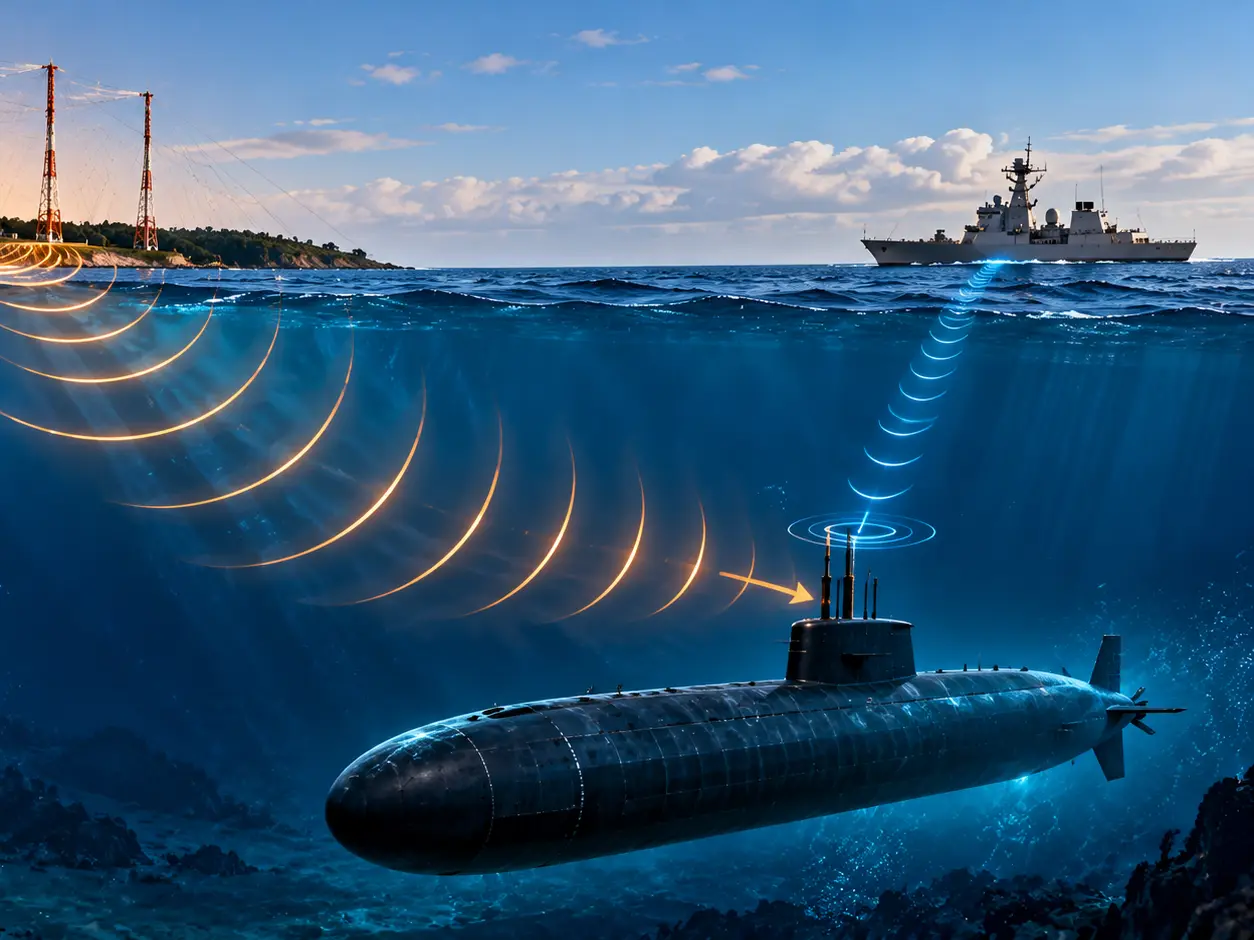
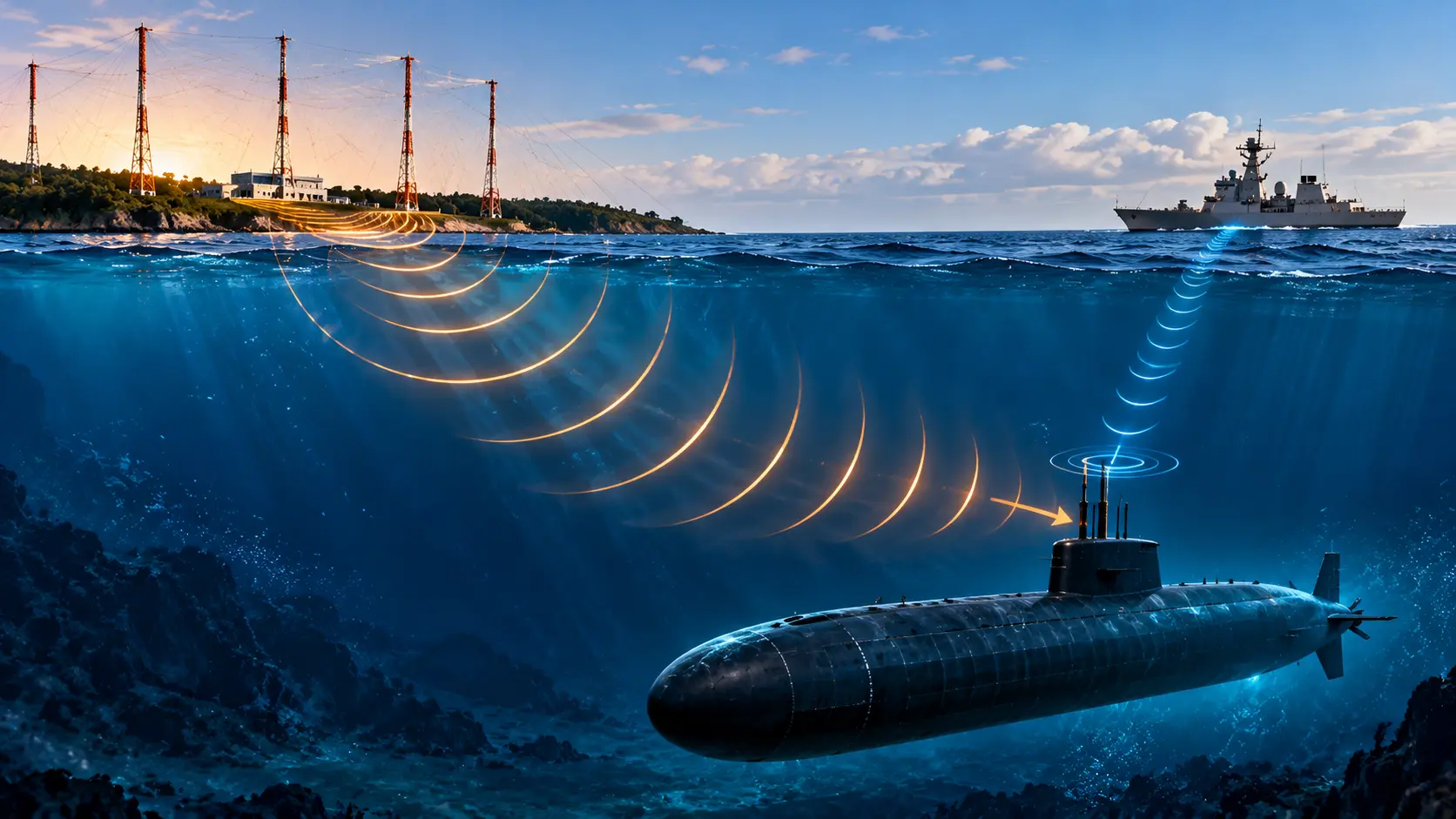
To reach submarines operating at depths of 100 metres or more, navies use Extremely Low Frequency radio waves. These massive wavelengths easily pass through solid rock and ocean water. However, the data rate is so slow that a basic three-letter code can take 15 minutes to arrive.
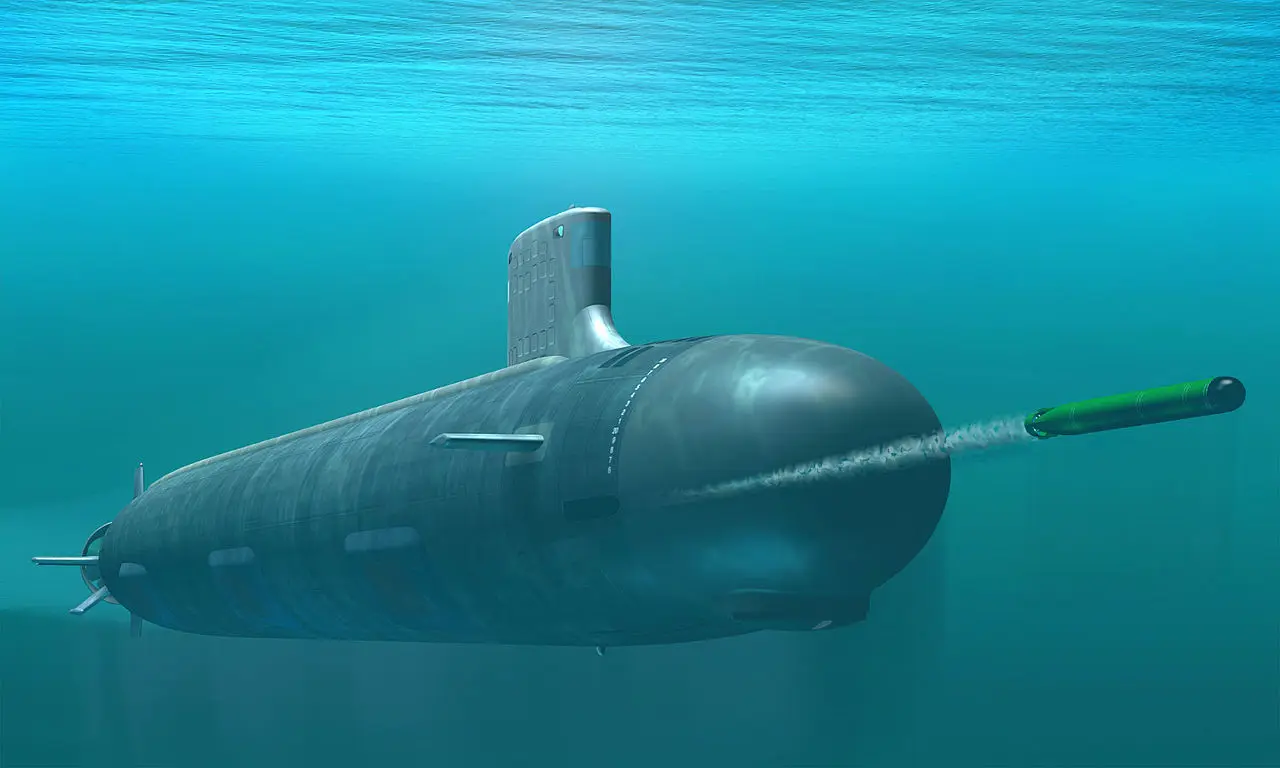
Floating wire antennas
When a submarine needs to receive faster messages, it rises just below the surface to deploy a trailing wire antenna. This long cable floats a few metres underwater to catch Very Low Frequency signals. It allows the crew to receive tactical text updates without exposing the actual hull.
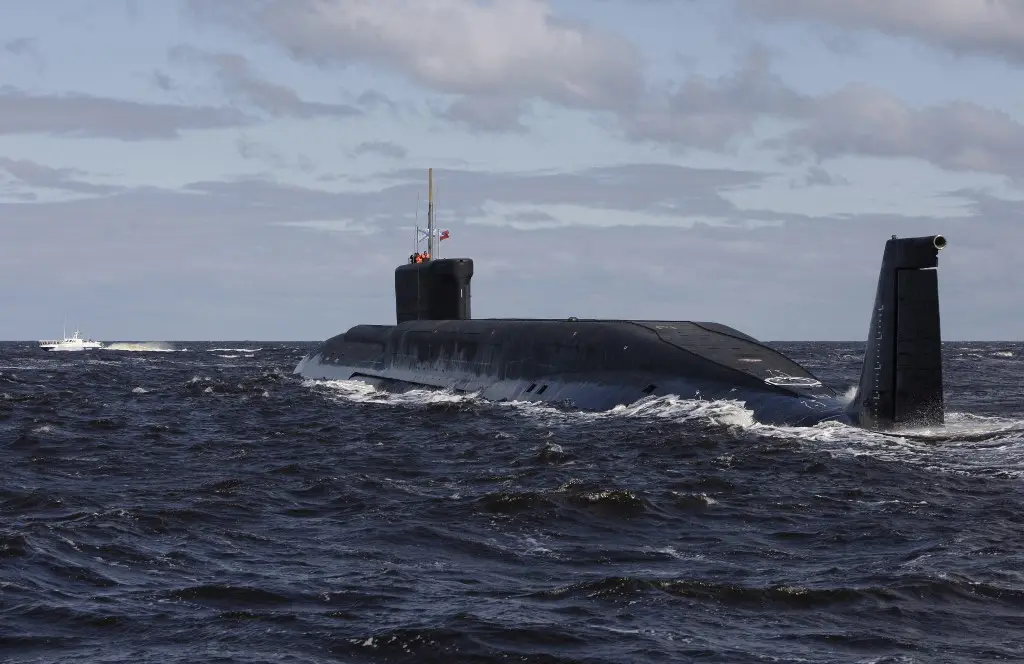
Acoustic sound pulses
Submarines can also send messages through the water using targeted sound waves. Special acoustic telephones convert human speech into sound pulses that travel for several kilometres across the ocean. Using this system is risky because the sound instantly reveals the submarine to enemy sonar.
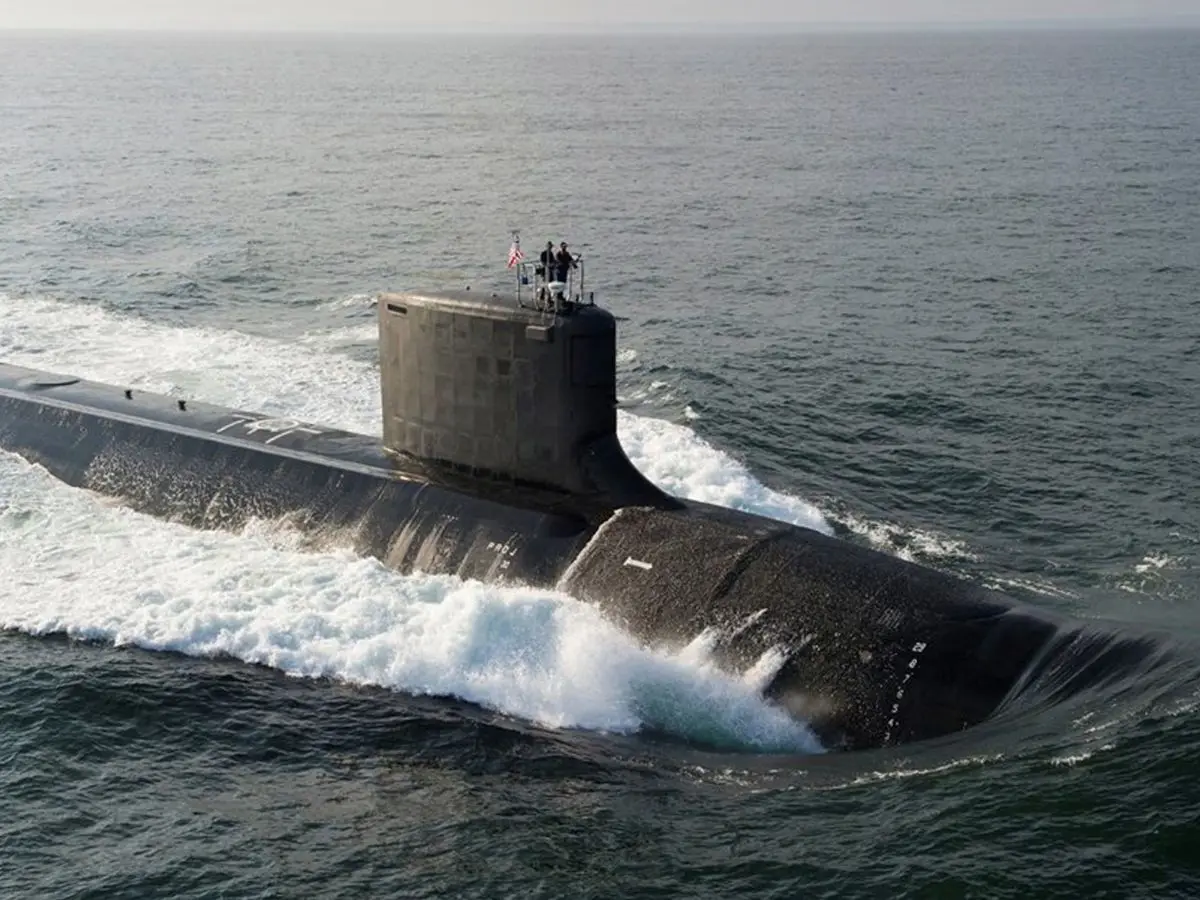
Satellite data bursts
If a submarine must download heavy mission files, it is forced to raise a mast completely out of the water. The vessel links directly to military satellites to transmit encrypted data bursts in just a few seconds. Once the transfer finishes, the submarine dives back to a safe depth.