Why robot hands are so difficult to build

Building robotic hands requires packing complex motors and thousands of tactile sensors into a tiny space. Programming them to grip delicate objects pushes production costs above $50,000.
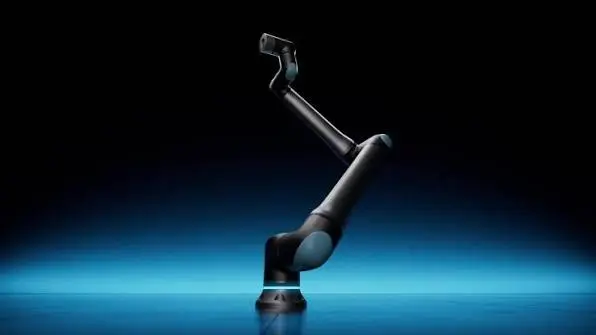
Complex mechanical movement
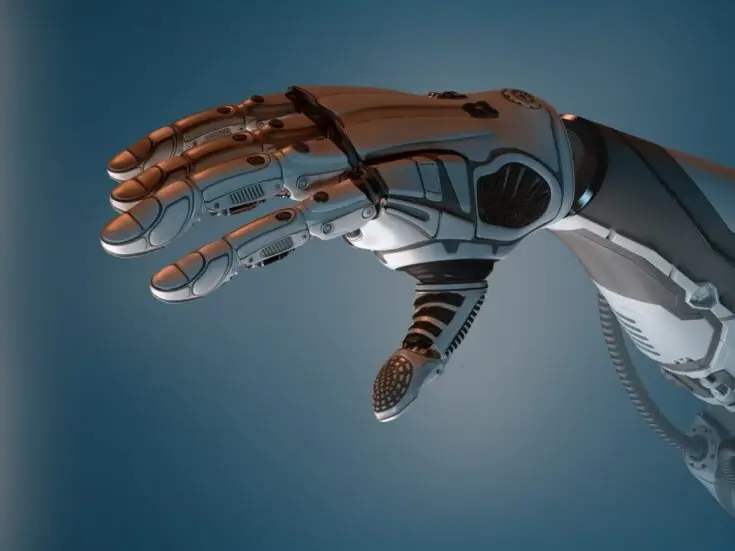
The human hand contains 27 bones and moves across more than 20 degrees of freedom. Fitting the necessary motors and joints into an equivalent mechanical space creates severe physical overcrowding. Engineers continually struggle to make the hardware both compact and strong enough to lift heavy items.

Dense tactile sensors
Human fingertips possess over 3,000 touch receptors that instantly detect pressure, texture, and slip. Equipping a robotic hand with a similar sensory network requires wiring thousands of microscopic electronic sensors. Processing this massive stream of physical data in real time demands immense computing power.
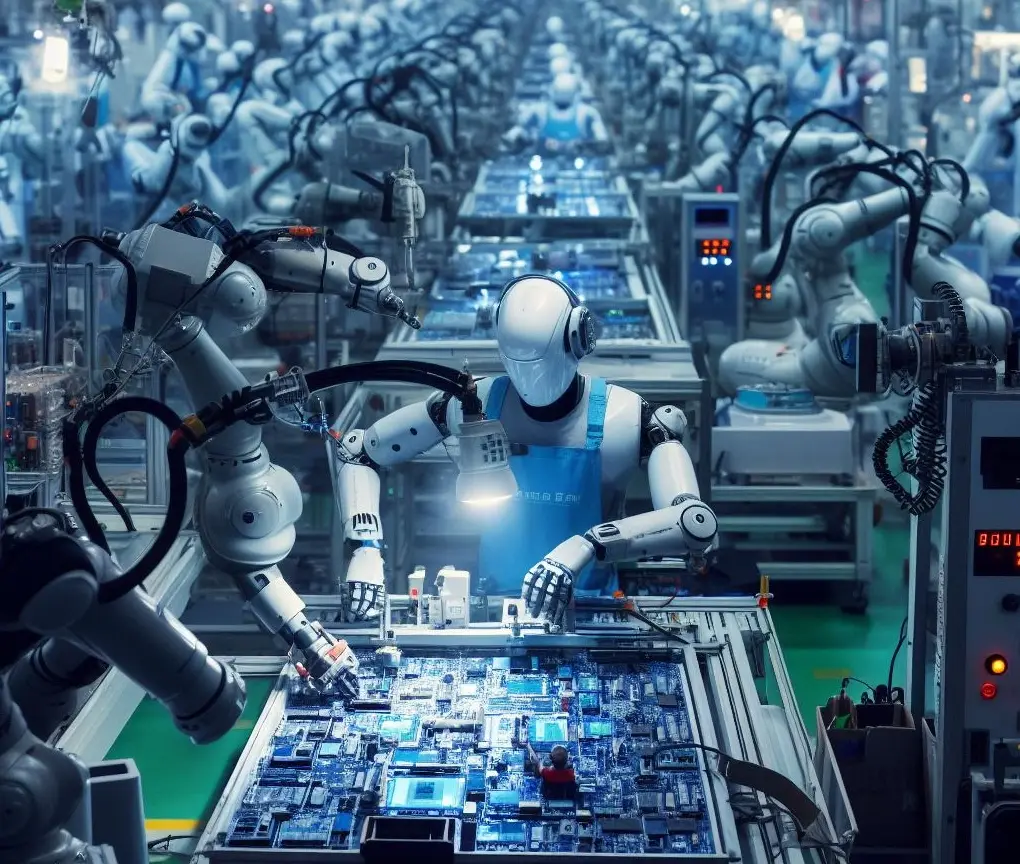
Motor heating issues
Generating a strong physical grip requires electric actuators that naturally produce a significant amount of heat. Because a robot hand lacks a biological circulatory system to cool down, these internal motors overheat rapidly. This forces engineers to compromise between a strong grip and continuous operating time.
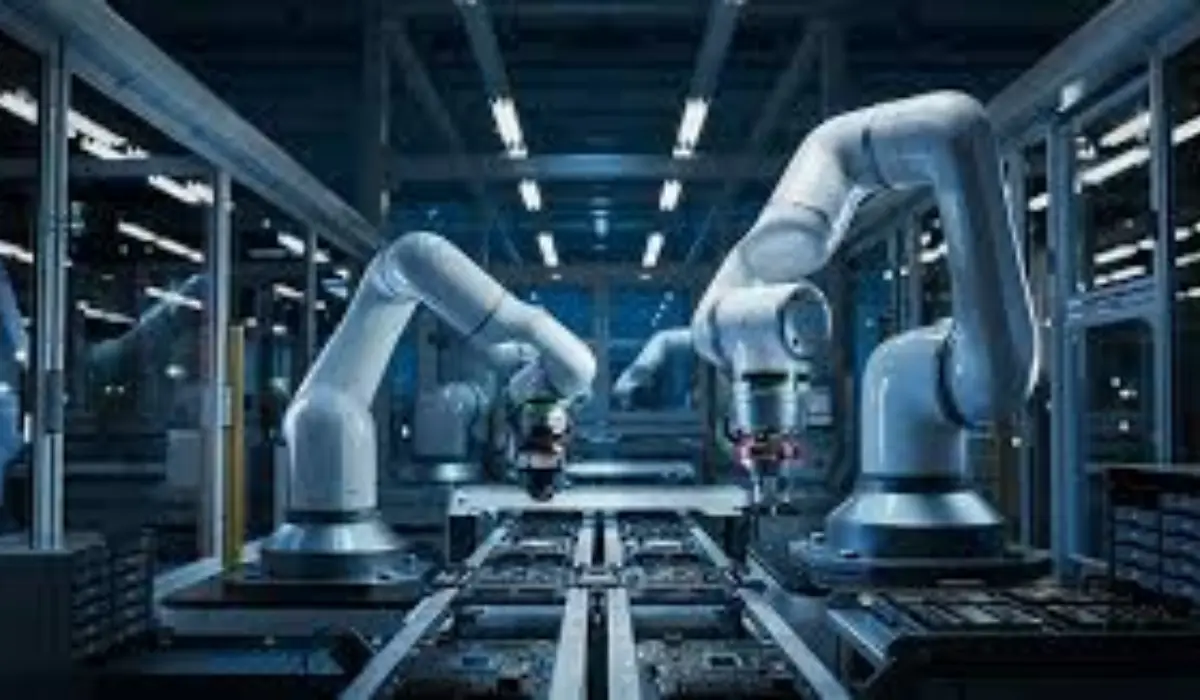
Software and grasping
Picking up a rigid steel block requires an entirely different mathematical approach than holding a soft piece of fruit. Programming artificial intelligence to instantly recognise an object and adjust its grip strength remains highly complex. Most current robots still struggle to handle irregular or unpredictable shapes safely.
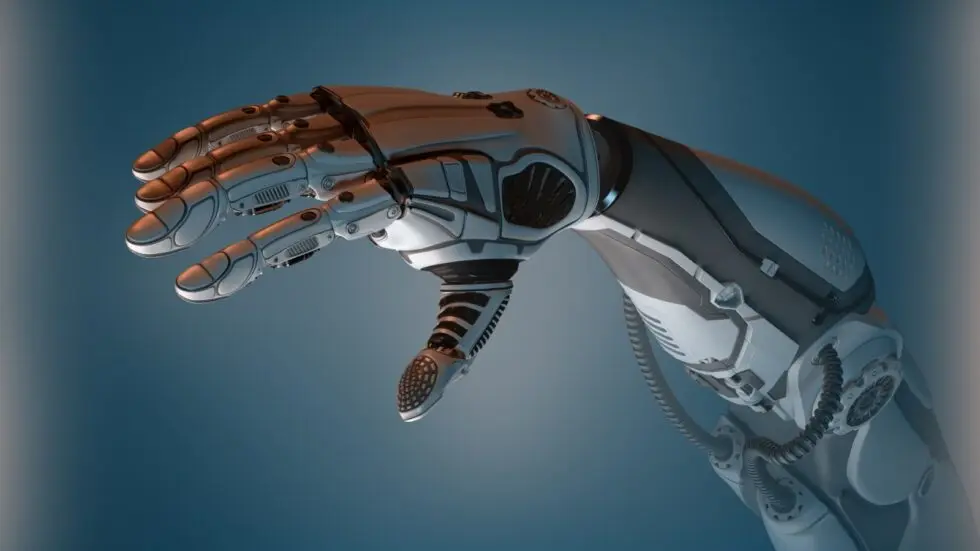
Extreme production costs
Combining precision motors, microscopic tactile sensors, and lightweight durable materials makes advanced robotic hands extremely expensive. A fully articulated research hand can easily cost over $50,000 to manufacture today. This high price point prevents mass adoption in everyday commercial or household applications.