Bangladesh secures trade deal with US, tariff reduced to 19%: What are the key points

&imwidth=600&imheight=450&format=webp&quality=medium "Bangladesh secures trade deal with US, tariff reduced to 19%: What are the key points")
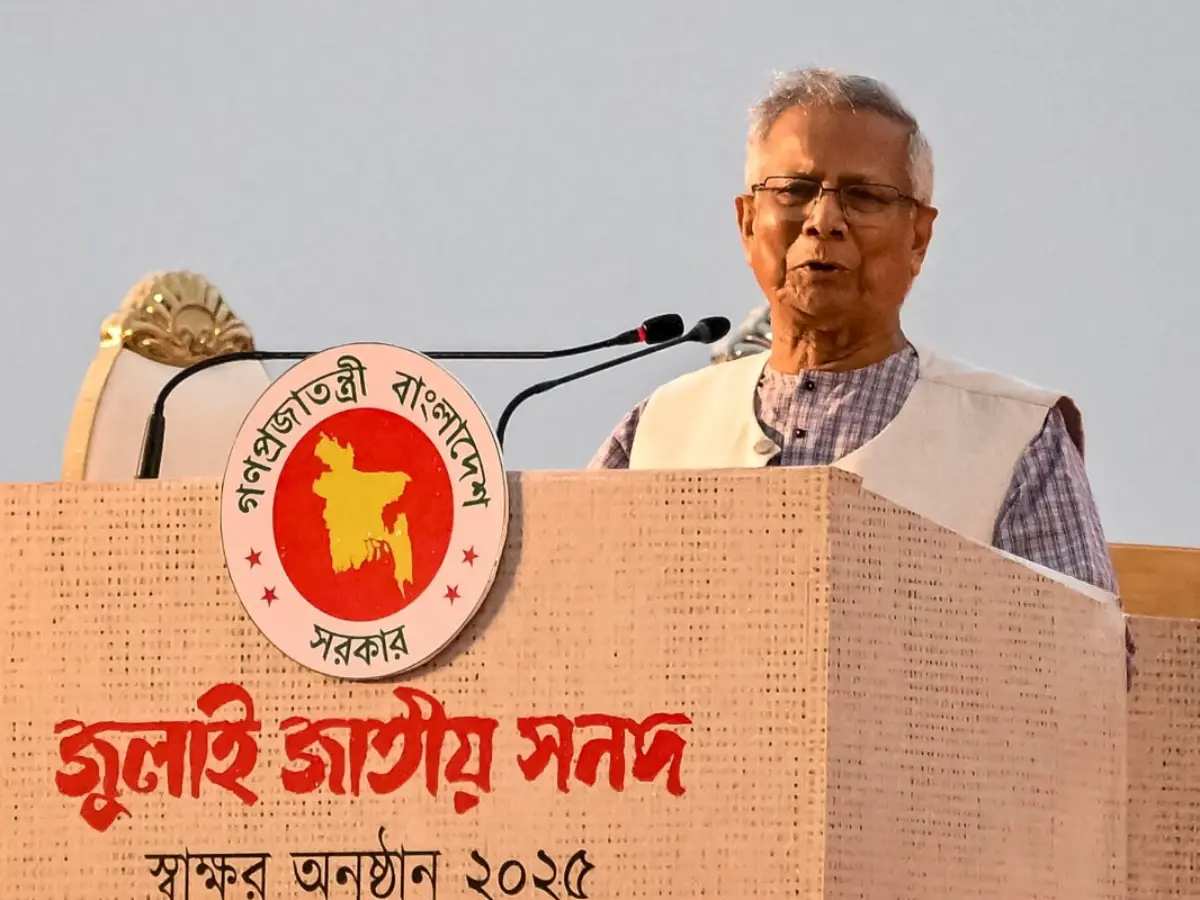
Muhammad Yunus Photograph: (AFP)
Bangladesh has secured a reduced 19% US tariff under a new trade agreement, with exemptions for select textiles made using American materials. In return, Dhaka will grant preferential market access to a wide range of US industrial and agricultural products, the White House said.
Bangladesh has struck a trade deal with the United States days ahead of elections in the country. Announcing the terms and conditions of the trade deal on Monday (Feb 9), Bangladesh said that the tariff has been reduced to 19 per cent under a trade agreement and exemptions have been given for some textiles and garments manufactured with US material. The US had imposed a tariff of 37 per cent as part of its reciprocal tariffs in April 2025. Later in August 2025, Washington revised the tariff to 20 per cent. The current reduction to 19 per cent in the tariff rate is one per cent more than what India (18 per cent) secured in the trade deal with Washington recently.
According to the White House, Bangladesh has committed to provide “preferential market access” for US industrial and agricultural goods, including chemicals; medical devices, machinery and motor vehicles and parts, information and communicational technology (ICT) equipment, energy products, soy products, dairy products, beef, poultry, and tree nuts. After securing the deal, Bangladesh’s interim head Muhammad Yunus said that Washington had “committed to creating a mechanism” that would allow select Bangladeshi textile and apparel goods made with US-produced cotton and man-made fibre to enter the US market at zero reciprocal tariff.
Key terms of the new deal
According to the 32-page US-Bangladesh agreement, Dhaka will purchase $15 billion in US energy and goods, including a significant order of 25 Boeing aircraft and approximately $3.5 billion of US agriculture products. American pharmaceutical ingredients and aircraft parts have been granted duty-free access in Bangladeshi markets. The statement from the White House highlighted that Dhaka will strengthen labor reforms, environmental protections, and intellectual property (IP) rights, as well as properly enforce comprehensive anti-corruption laws.
Trending Stories
)
)
)
)
)
)
)
)
)
)
)
)
)
)
)
)
)
)
)
)
)
)
)
)
)
)
&im=FitAndFill=(700,400))
)
)
)
)
)
&im=FitAndFill=(700,400))
)
)
)
&im=FitAndFill=(700,400))
)
Moreover, the deal states that Bangladesh will allow companies to move digital information across borders without requiring them to store it on local servers. It also supports a permanent ban on WTO customs duties for digital products like software, music, and streaming services. The deal also talks about opening Bnagladesh's insurance sector to the US by allowing American companies to compete directly with local providers or establish a larger “commercial presence.”

