'Nuclear Option': What is a filibuster, which Trump wants to eliminate in US Senate to end the government shutdown?

&imwidth=600&imheight=450&format=webp&quality=medium "'Nuclear Option': What is a filibuster, which Trump wants to eliminate in US Senate to end the government shutdown?")
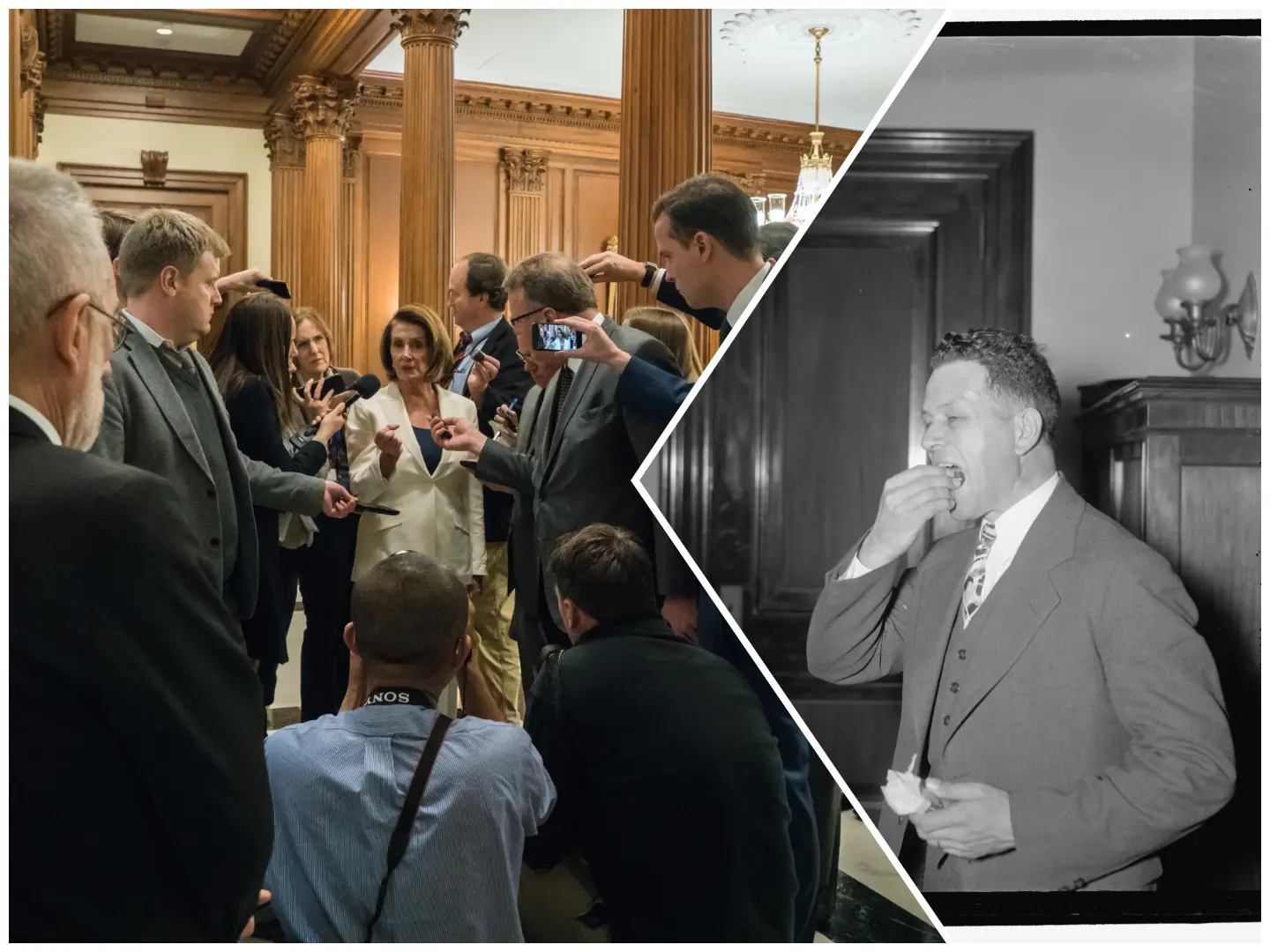
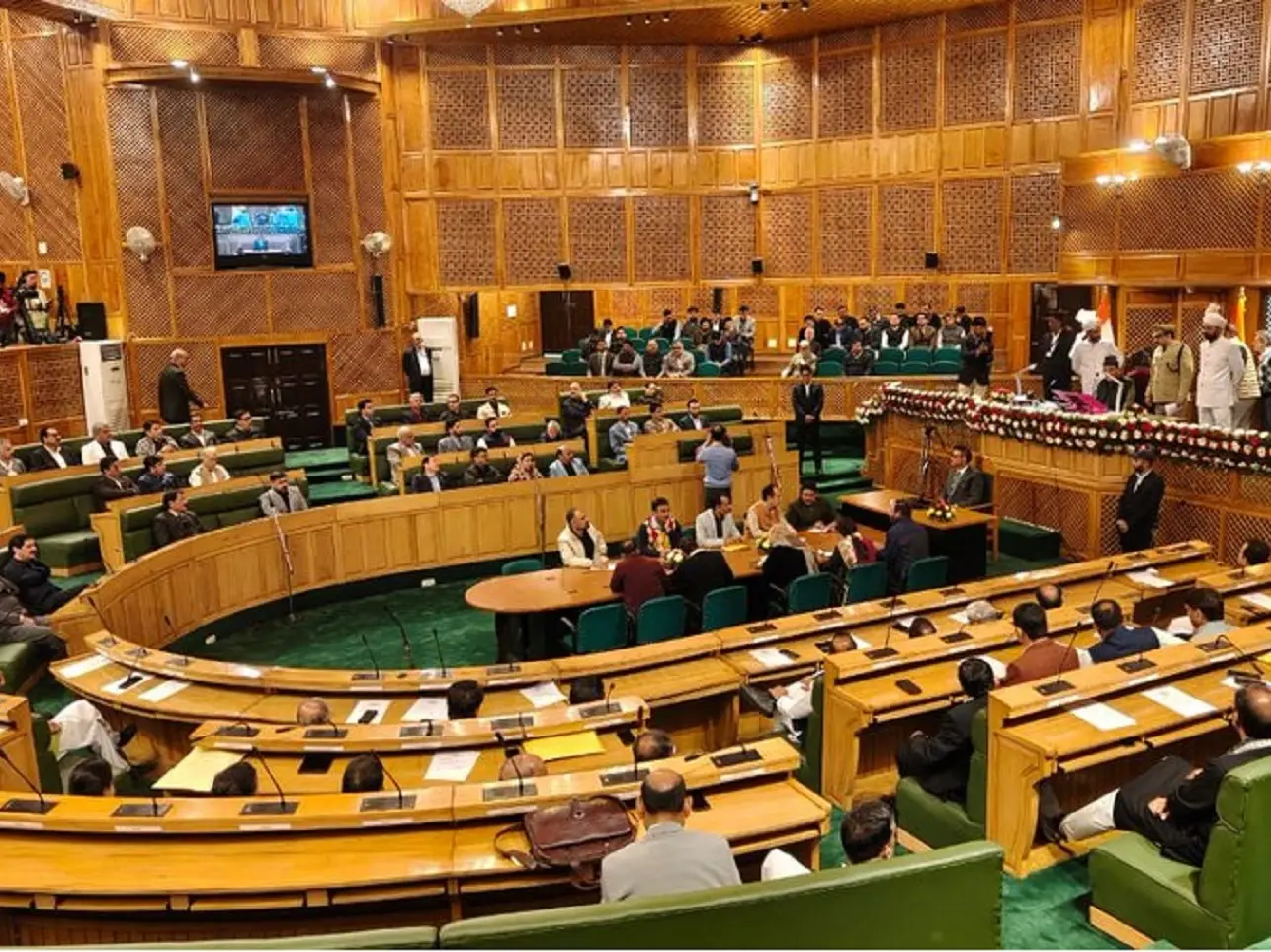
Democrats have often used filibusters, with speeches lasting between 8 hours to 24 hours, to block legislation Photograph: (Others)
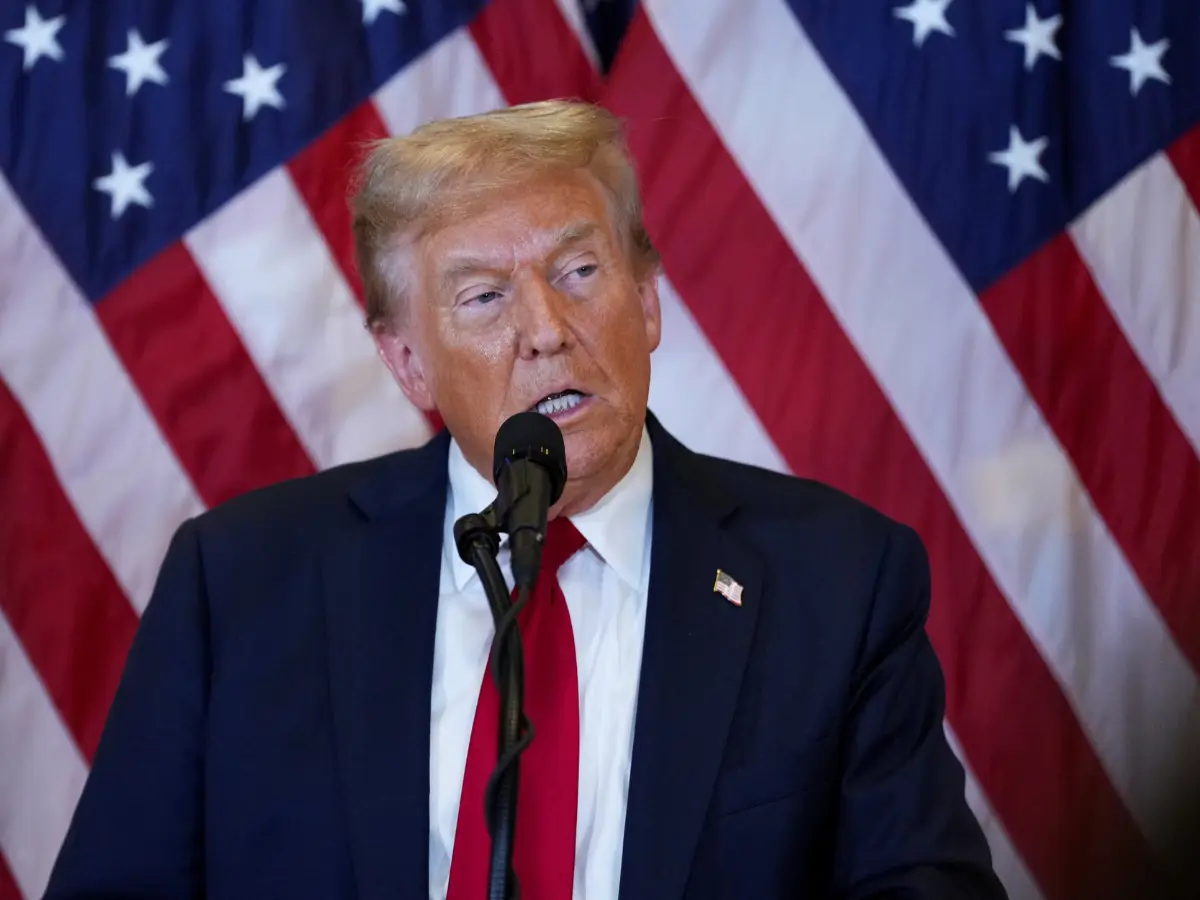
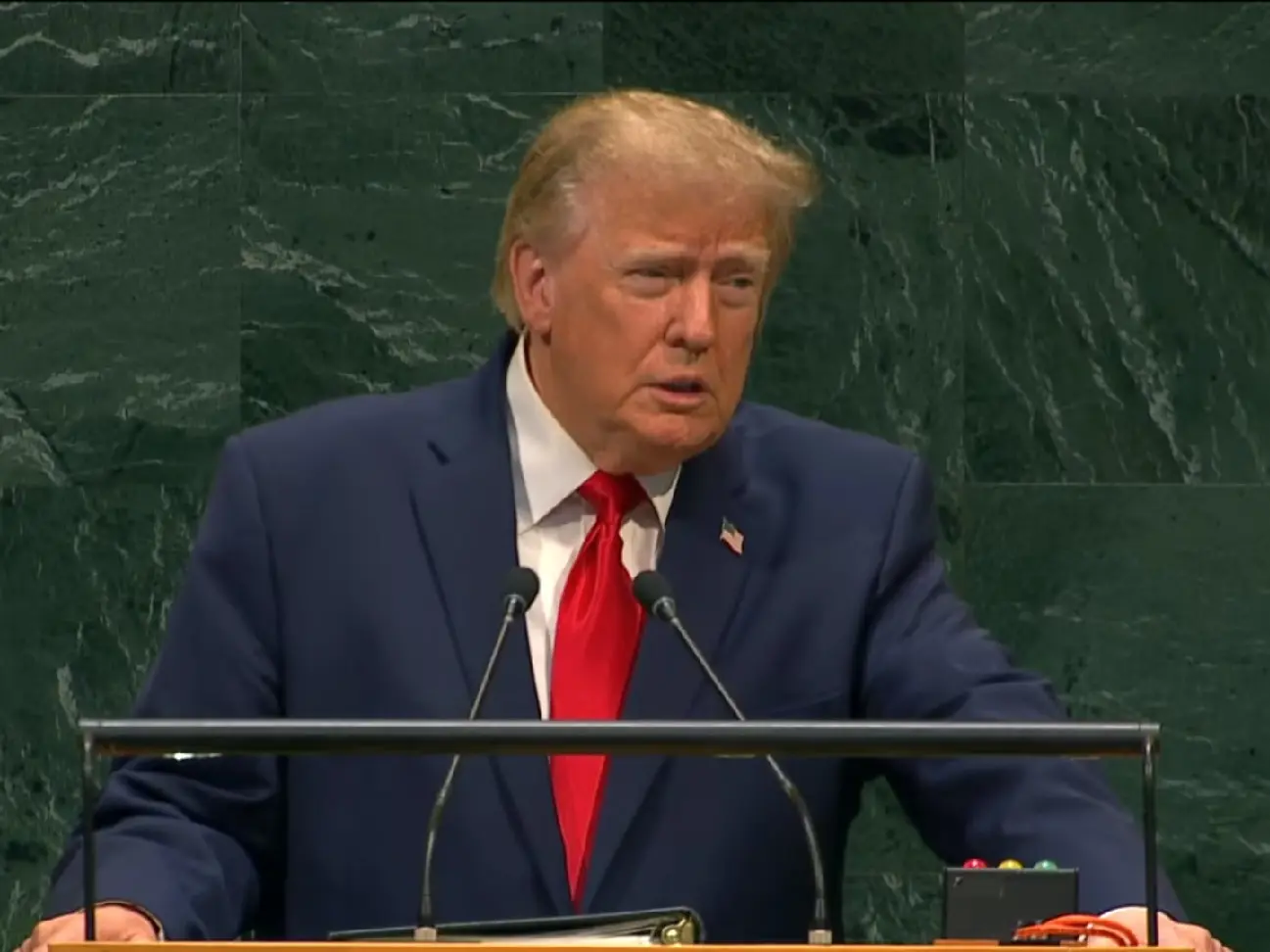
President Trump has urged Senate Republicans to scrap the filibuster amid a prolonged government shutdown. The move threatens to upend long-cherished Senate rules. What is a filibuster?
US President Donald Trump has called on Senate Republicans to eliminate the filibuster in order to end the prolonged government shutdown that has lasted more than 30 days. Trump wanted the GOP to use the “nuclear option,” meaning rule changes to pass a Republican funding bill with a simple majority, and without Democratic support. Senate Democrats have been blocking Republican stopgap bills, leaving the upper chamber of the US Congress deadlocked. The Senate is expected to reconvene on November 3 to continue negotiations. The US government shutdown, which has led to the closure of several agencies and the non-payment of salaries, resulted from disputes over federal funding and the expiry of programmes such as tax credits.
What is a filibuster?
The filibuster is a procedural tactic used by lawmakers in the US Senate to block the passage of bills. It usually involves speechmaking that can last for 24 hours in some cases. This unique method is used only in the Senate and not in the House of Representatives, the lower house of the US Congress. One or more senators are usually deployed to delay or block a vote on legislation or nominations by extending debate indefinitely.
Senate rules do not impose many limits on debate. Opponents use this loophole to prevent bills from advancing unless 60 senators vote for cloture, which ends debate and allows a vote. The continuous speaking on the floor, known as “talking filibusters,” is not always the method used, as the mere threat of extended debate is often enough to halt Senate business.
Filibuster advocates say it protects minority rights and promotes compromise. However, many critics of this practice consider it a waste of time that causes legislative gridlock. Historically, filibusters were used to block civil rights legislation and, in more recent decades, as a tool for both parties to block the passage of major bills.
Trending Stories
)
)
)
)
)
)
)
)
)
)
)
)
)
)
)
)
)
)
)
)
)
&im=FitAndFill=(700,400))
)
)
)
)
)
)
&im=FitAndFill=(700,400))
)
)
)
)
)
)
)
)
)
Will the filibuster be stopped this time?
In spite of Trump's urging, Senate Majority Leader John Thune and some other Republicans are opposed to ending filibuster. In their view, this would damage Senate traditions and invite future retaliation from Democrats.. While ending the filibuster could empower the majority for now, it could destabilise Senate norms and lead to greater partisanship in national policymaking.
How often was filibuster avoidance used?
Filibuster avoidance was used in the past for judicial nominations—by Democrats in 2013 and Republicans in 2017. But it has never been used for general legislation such as budget measures.
The origins of the filibuster
The filibuster had an unintentional origin and is not something enshrined in the US Constitution. The first Senate rules in 1789 allowed unlimited debate and included a “previous question” motion that permitted a simple majority to end the debates. In 1806, Vice President Aaron Burr recommended removing this motion as redundant. His move inadvertently allowed endless debates. The term “filibuster” comes from words meaning “freebooter” or “pirate” and was widely used in the 1850s to describe obstructive tactics in the legislature.
In 1841, Democrats delayed a Whig effort to charter a national bank. In 1917, after a filibuster prevented legislation to arm merchant ships during World War 1, the Senate adopted Rule XXII, creating the cloture process, which originally required a two-thirds vote. This threshold was reduced to three-fifths, or 60 votes, in 1975.