How Trump’s government shutdown changed the course of 3I/ATLAS tracking

When the US government shut down during Donald Trump’s presidency, NASA’s communication systems went dark. The timing disrupted scientific data streams, including tracking of the mysterious interstellar object 3I/ATLAS, just as it neared peak visibility.
1. Shutdown Hits NASA Operations
The US government shutdown in late 2018 and early 2019, driven by political gridlock over federal funding, forced NASA to suspend most non-essential functions. Research, communications, and public-facing websites were frozen as thousands of staff were placed on unpaid leave.
2. The Timing Collided with a Critical Observation Window
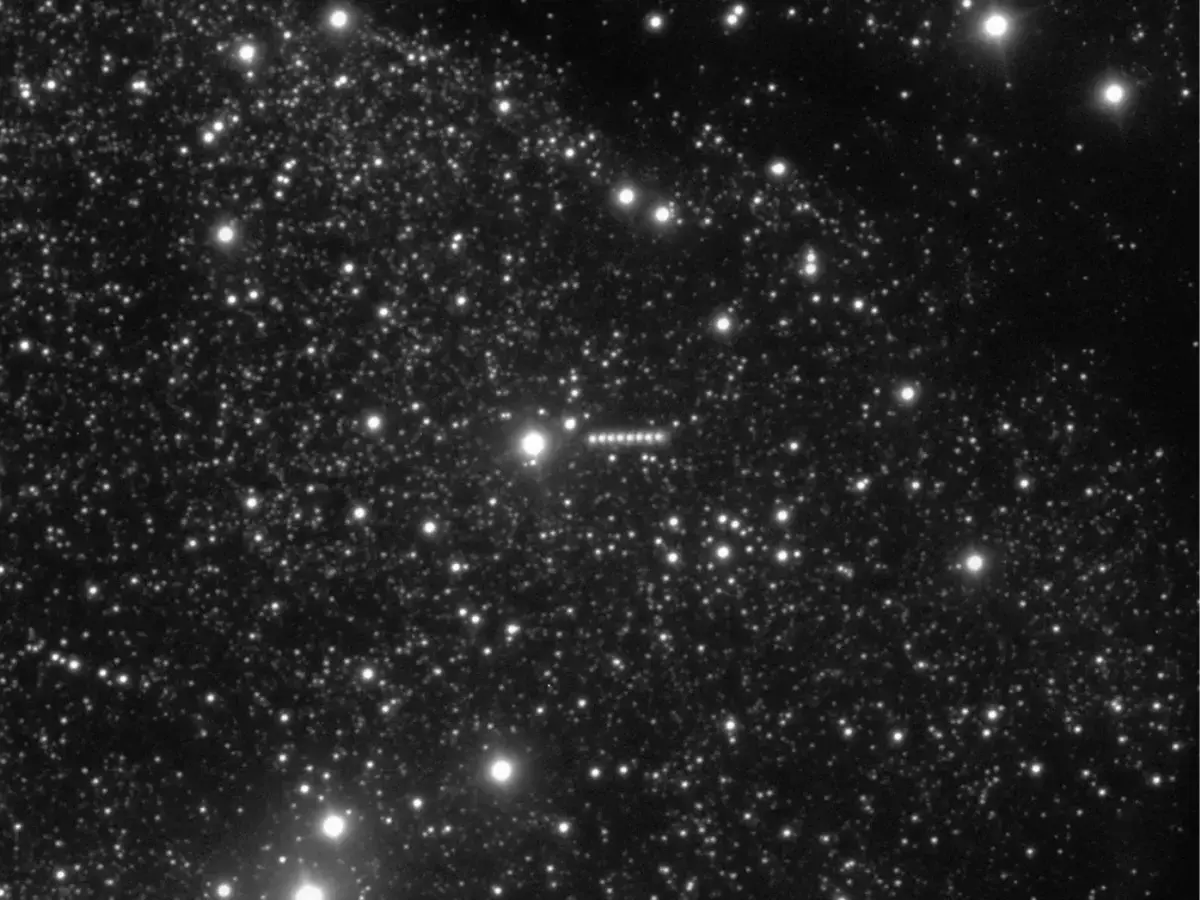
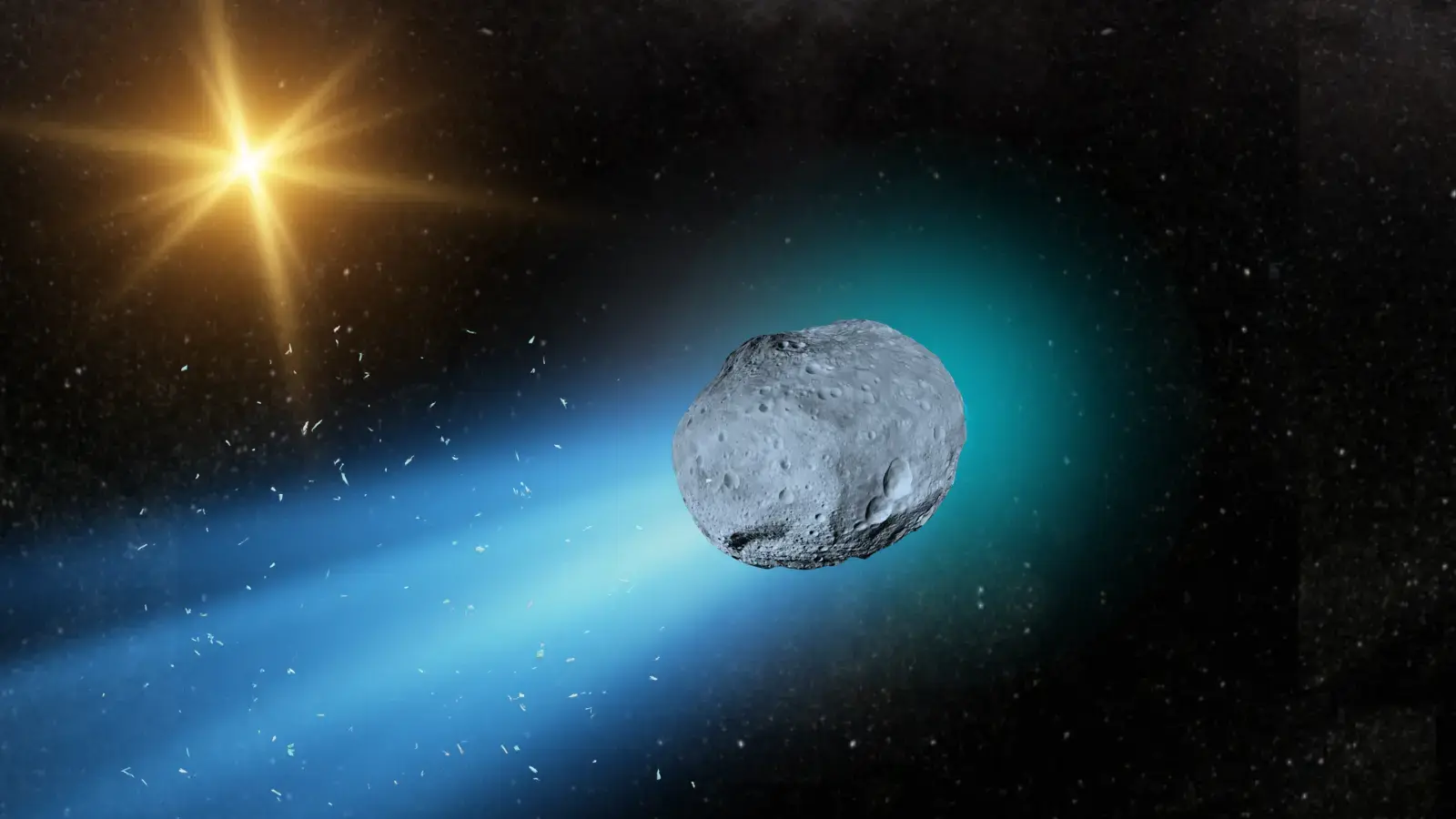
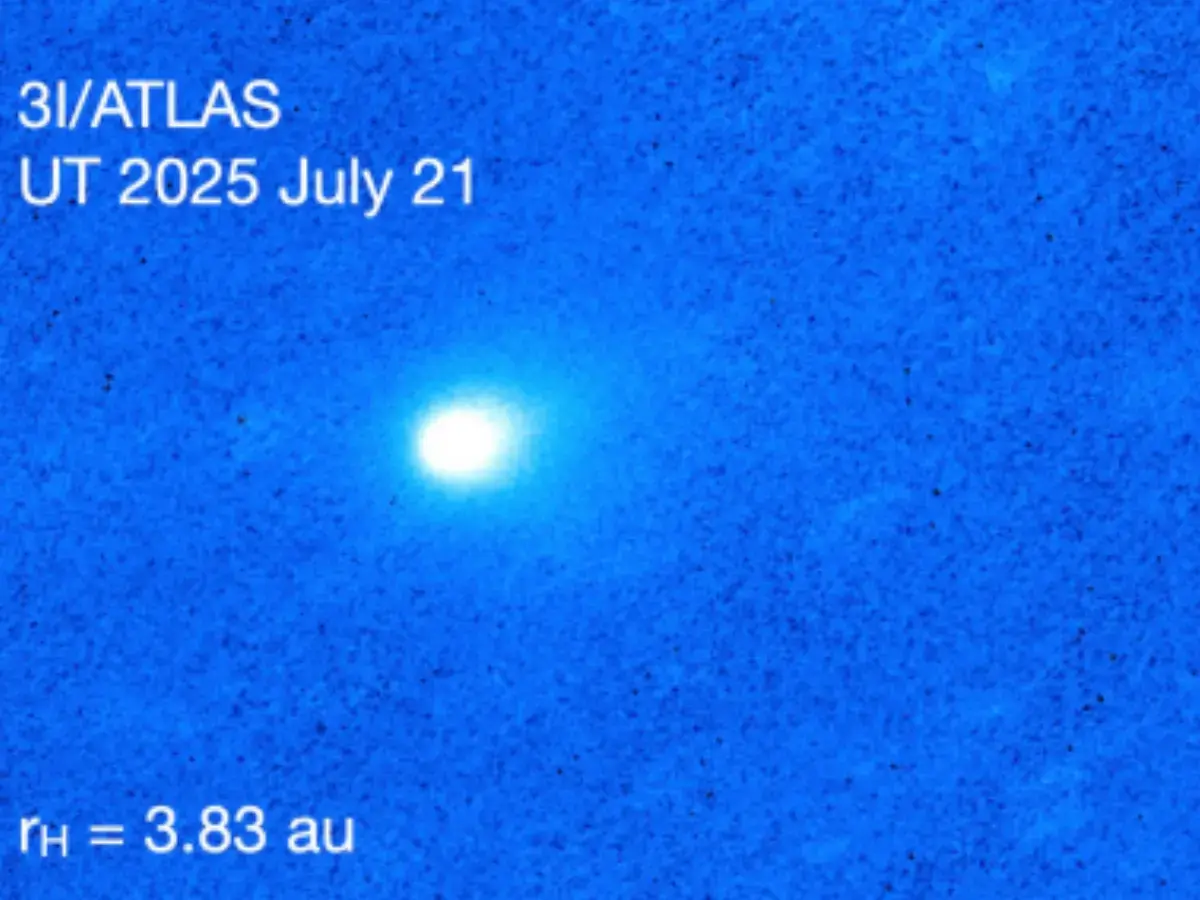
During this same period, 3I/ATLAS was entering a key phase in its trajectory, the point when it became bright enough for close optical study. Astronomers expected continuous monitoring through NASA’s Near-Earth Object Observation Programme, but access to its data servers was limited.

3. Online Data Portals Went Dark
NASA’s Astrophysics Data System and the Minor Planet Center (operated under NASA funding) both experienced intermittent outages. Automated updates that normally provide position, brightness, and velocity readings for objects like 3I/ATLAS were paused for several weeks.
4. Researchers Forced to Rely on Independent Networks
With official channels inactive, observatories in Europe, Japan, and India stepped in to maintain open data collection. Private researchers and amateur astronomers uploaded telescope coordinates to community databases, effectively taking over NASA’s role in near-real-time monitoring.
5. Political Fallout Inside NASA
Internal communications later revealed frustration among mission leads. One NASA scientist told Science magazine that “policy decisions were undermining years of cooperative observation work.” Several research teams missed proposal deadlines for telescope time, delaying critical data submissions.
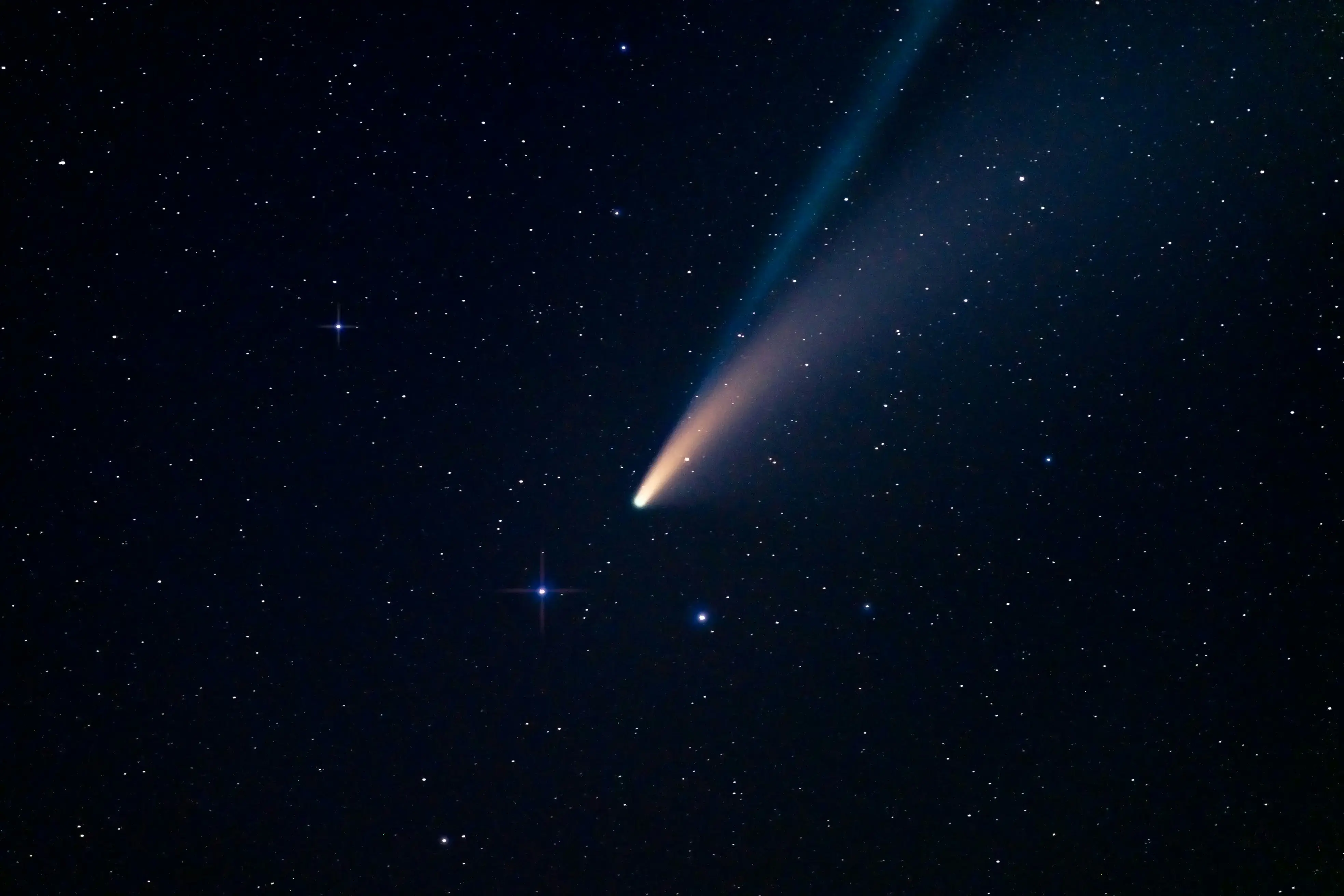
6. Loeb Calls It a ‘Systemic Weakness’
Harvard astrophysicist Avi Loeb, who has been vocal about 3I/ATLAS, said the incident highlighted a deeper issue: “When science depends on politics, we risk losing opportunities that nature doesn’t repeat.” He added that interstellar objects don’t wait for bureaucratic reopening — “They pass and are gone.”
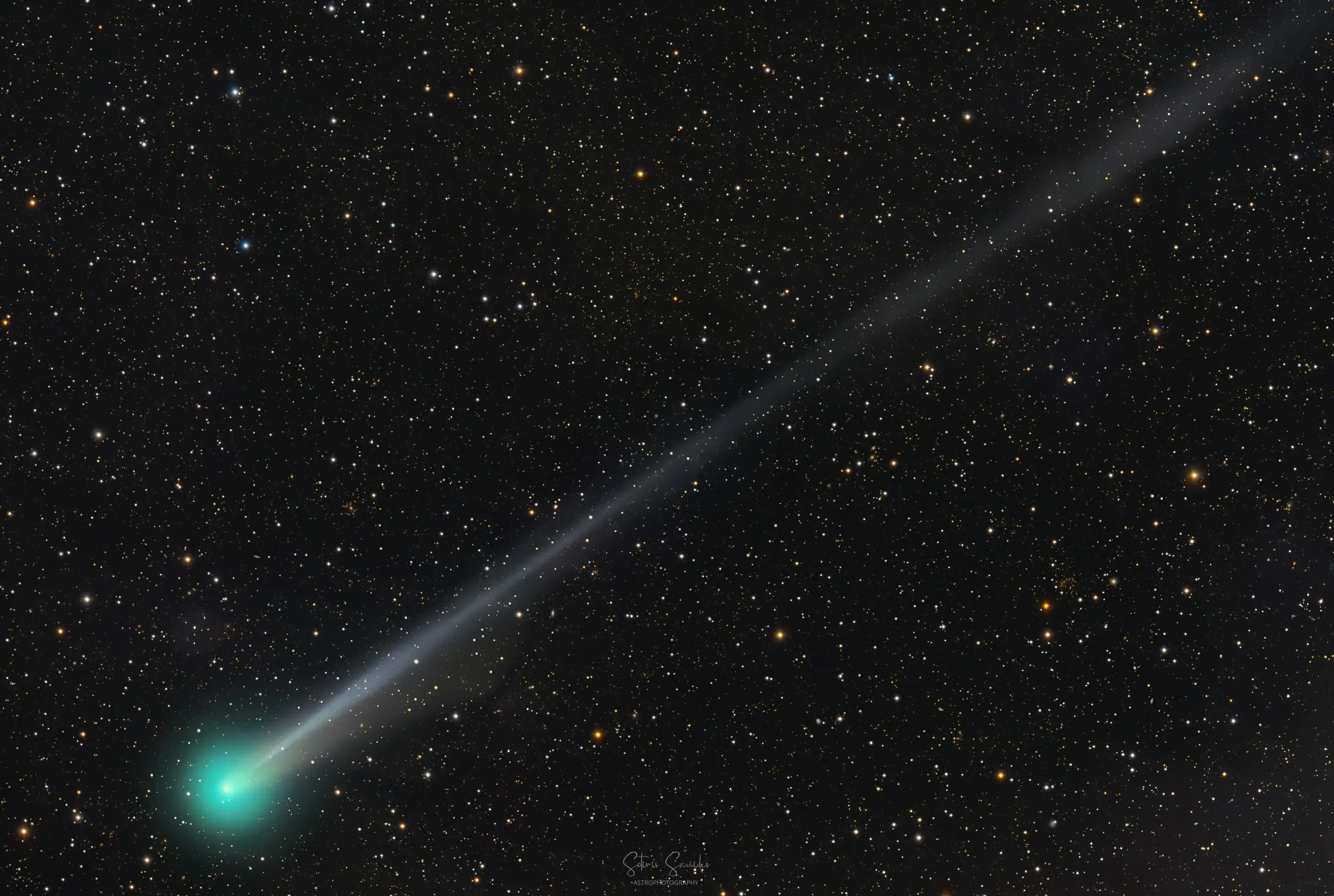
7. Lessons for Future Space Governance
NASA has since implemented limited contingency plans to protect certain mission data during funding gaps, though full transparency is still not guaranteed. The 3I/ATLAS blackout remains a case study in how political instability can ripple through astrophysical research worldwide.
Conclusion
The Trump-era shutdown didn’t just pause government activity, it fractured a crucial moment in humanity’s study of the cosmos. As Loeb noted, “The universe has no patience for politics. Every second lost is a discovery delayed.”
)
)
)
)
)