‘Not a big deal’: Trump claims he can strike Venezuela without Congress permission. But, what does the US Constitution say?

&imwidth=600&imheight=450&format=webp&quality=medium "‘Not a big deal’: Trump claims he can strike Venezuela without Congress permission. But, what does the US Constitution say?")
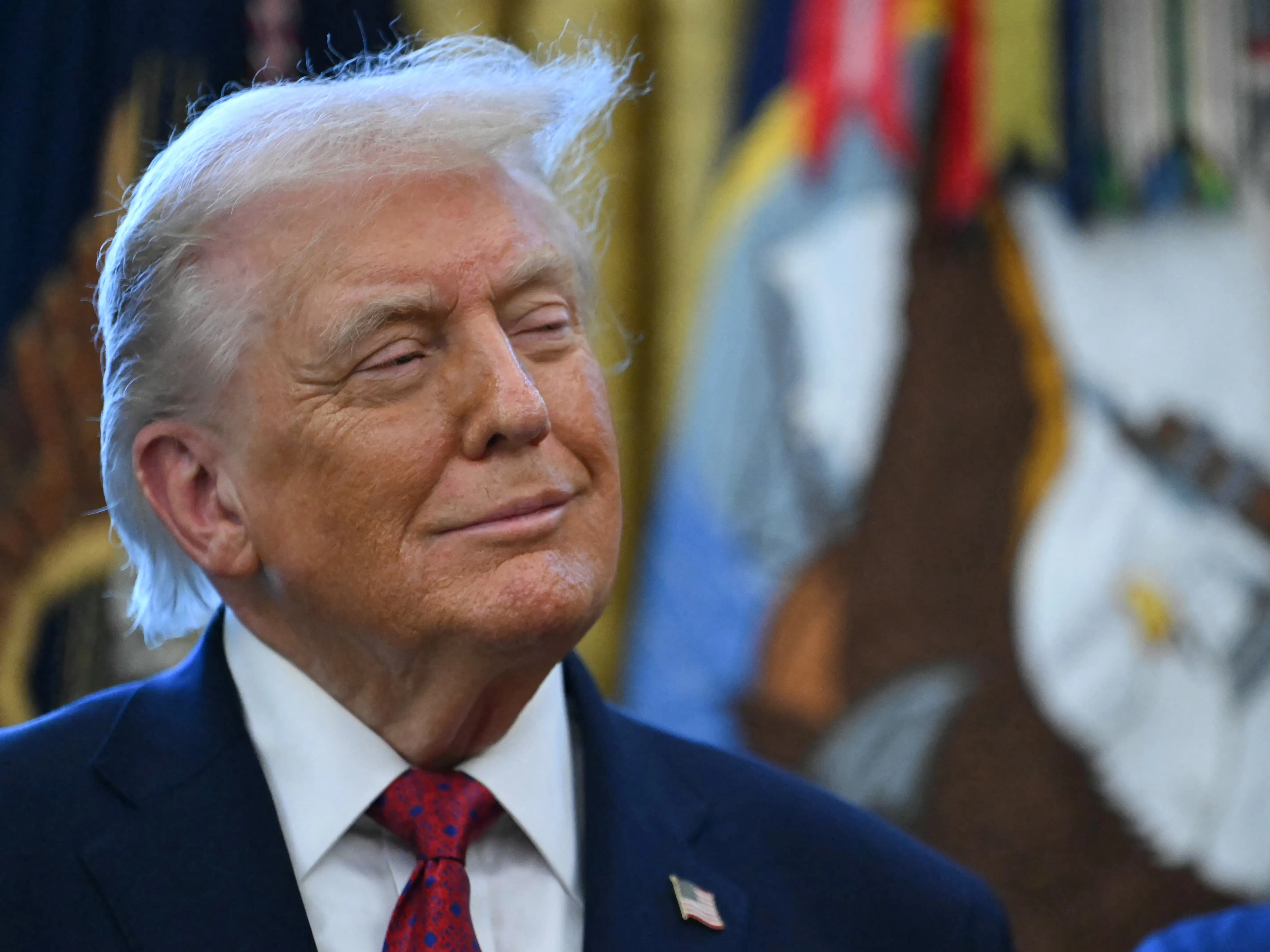
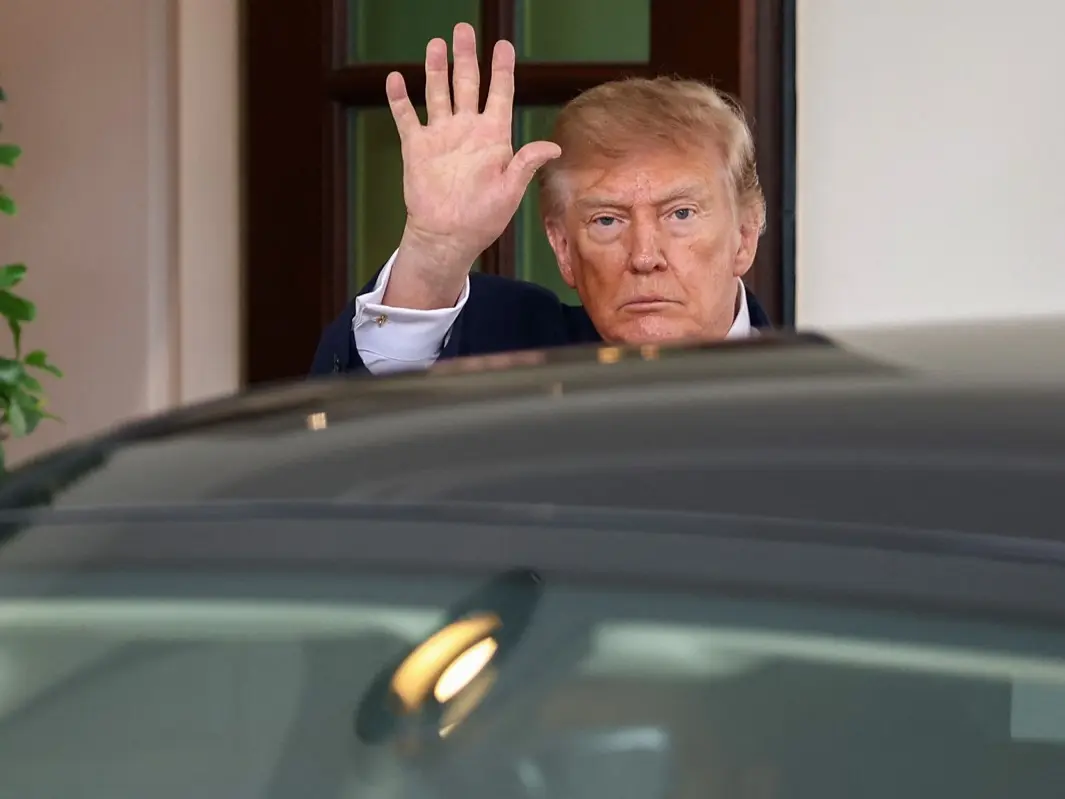
US President Donald Trump Photograph: (AFP)
Trump said he does not need Congress to authorise US strikes on Venezuelan soil, calling it “not a big deal” and claiming lawmakers “leak like a sieve.” But, what does the US Constitution say? All you need to know.
US President Donald Trump on Thursday (Dec 18 ) doubled down on his claim that he does not need congressional approval to order military strikes on Venezuelan soil. This comes even as criticism mounts over the scope and legality of the United States' expanding operations in the region. Speaking in the Oval Office, Trump brushed aside questions about seeking authorisation from Congress if the US were to target drug cartels on land in Venezuela. Here's what he said.
'Not a big deal'
When asked directly whether lawmakers would be consulted before authorising land hits on drug cartels, Trump said he "wouldn't mind" informing them but insisted it was "not a big deal".
He also suggested that briefing Congress could compromise operations, saying politicians "leak like a sieve."
Also read | US strikes another ‘narco-trafficking’ boat, kills 4 day after Trump’s Venezuela blockade. Watch
"I wouldn't mind telling them, but you know, it's not a big deal," Trump said. "I don't have to tell them," claimed the POTUS.
Trending Stories
)
)
)
)
)
)
)
)
&im=FitAndFill=(700,400))
)
)
)
)
)
)
)
)
)
)
)
)
)
)
)
)
)
)
)
)
)
)
)
)
&im=FitAndFill=(700,400))
)
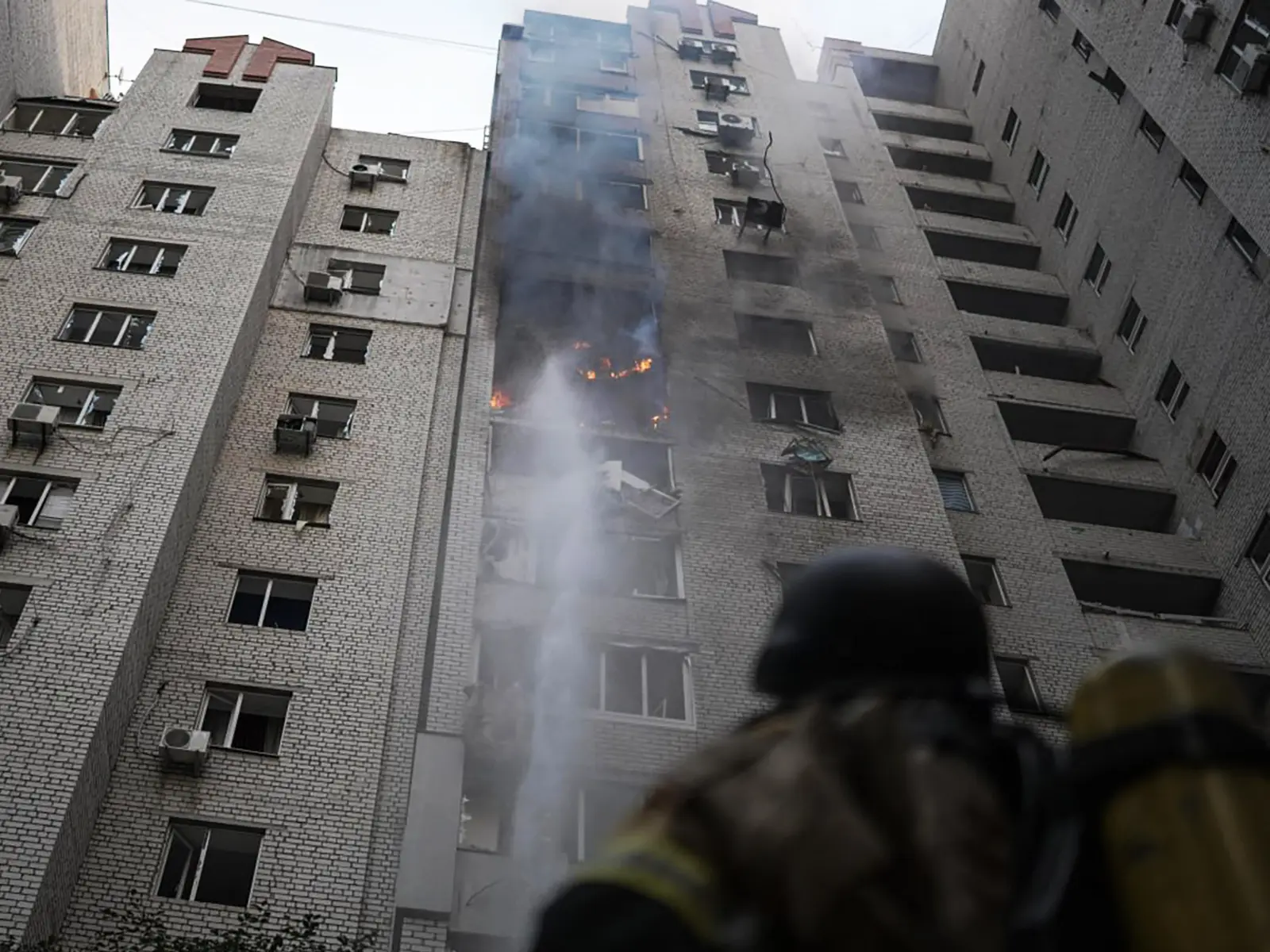
The comments come amid an aggressive US military campaign that has already seen multiple air and naval strikes against alleged drug-trafficking boats in the Caribbean and eastern Pacific since September. These operations have reportedly killed at least 99 people and triggered a heated debate in Washington over the legality of the operations.
Venezuelan President Nicolas Maduro has meanwhile accused Washington of using drug trafficking as a pretext for a broader push to destabilise or overthrow his government, a charge the Trump administration denies. US officials insist the strikes are part of a counter-narcotics effort aimed at stopping the flow of drugs into the United States.
What does the US Constitution say?
Under the US Constitution, the president serves as commander-in-chief of the armed forces, but Congress holds the exclusive authority to formally declare war.
Legal experts note that presidents can order limited military strikes without congressional approval under certain conditions, particularly if the actions are framed as defensive or limited in scope.

