‘Lot of people on target’: Who are key figures steering Iran through crisis as US says many are on its list?

&imwidth=600&imheight=450&format=webp&quality=medium "‘Lot of people on target’: Who are key figures steering Iran through crisis as US says many are on its list?")
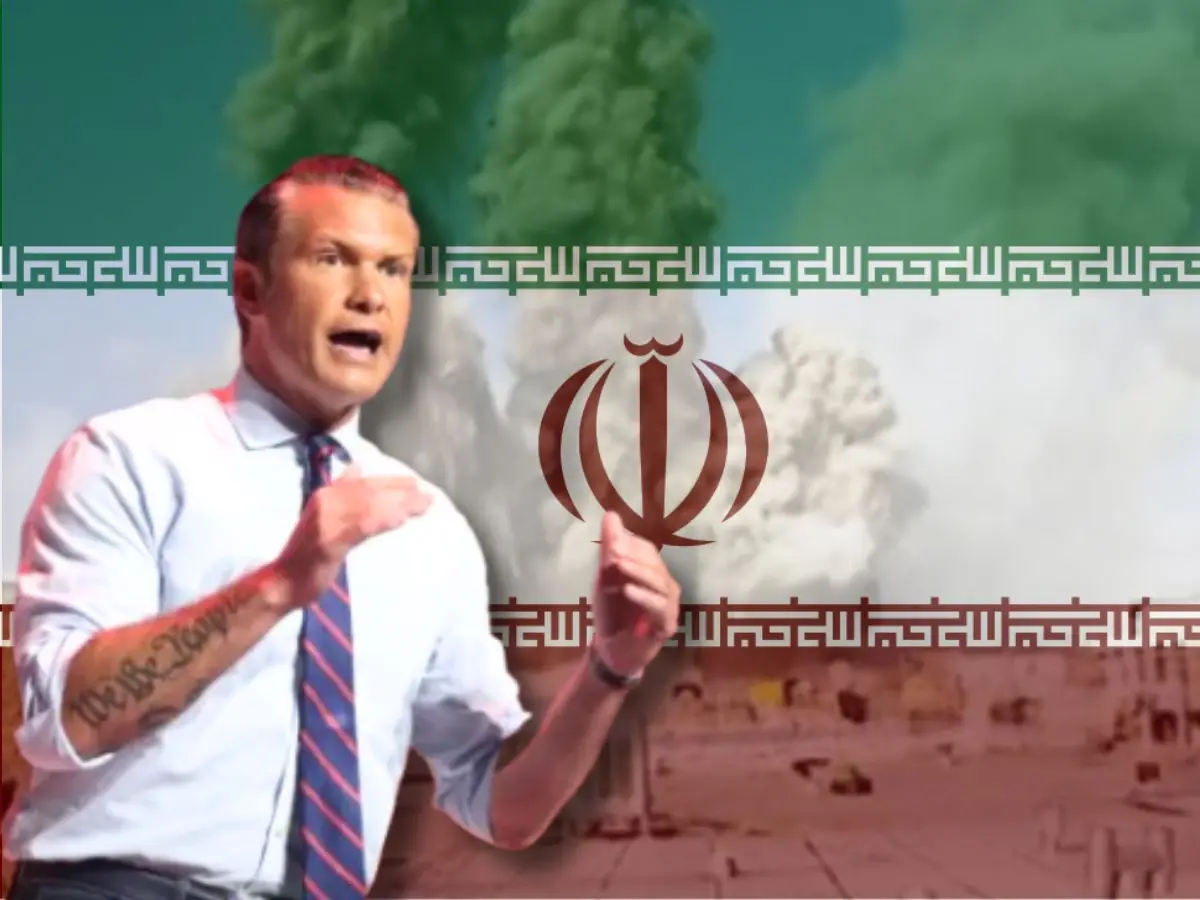
US Secretary of Defense Pete Hegseth revealed he had visited US troops in Middle East over the weekend Photograph: (Wikimedia Commons, AFP)
With so many senior figures gone, the question remains: Who is now steering Iran? The country’s layered power structure and its mechanisms for maintaining control under crisis offer insight into how the Islamic Republic continues to function.
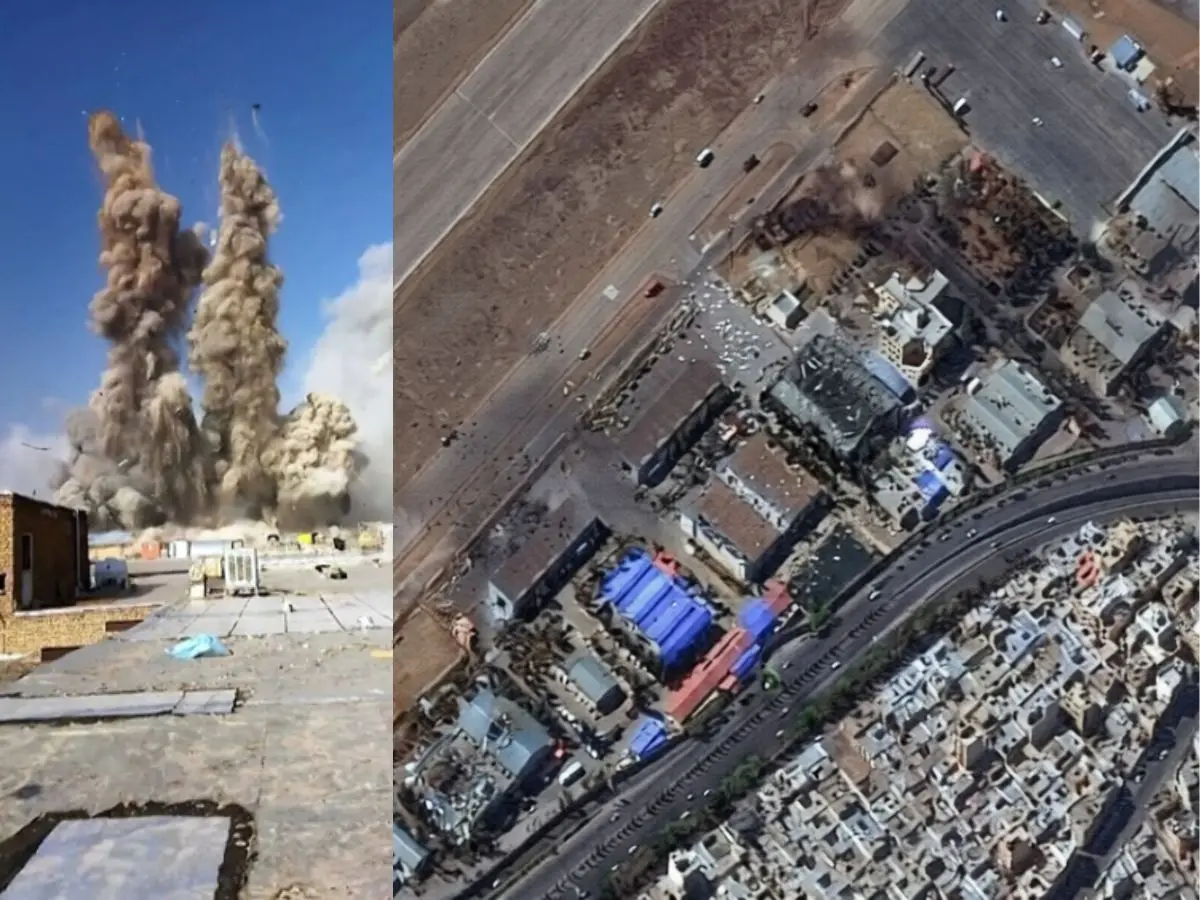
The month-long conflict between the United States–Israel alliance and Iran has claimed thousands of lives and severely disrupted global energy markets. Yemen’s Houthi rebels joined the fighting over the weekend, while diplomatic efforts have so far produced no tangible results. Speaking at a press briefing on Tuesday, US Secretary of Defense Pete Hegseth said, “A lot of people in Iran are on our target list' he declared, "the upcoming days will be decisive" in the war with Iran. The remarks underscore Washington’s expanding range of military and strategic options as Iran’s manoeuvring space narrows. One after another, Israel has taken out Iran’s top leaders.
Political and Clerical Leadership
Iran’s power structure, shaped after the 1979 revolution, relies on layered institutions rather than a few individuals. Supreme Leader Ayatollah Ali Khamenei, in office since 1989, was killed in the opening strikes. His son, 56-year-old Mojtaba Khamenei, now holds formal authority, while the Islamic Revolutionary Guards Corps (IRGC) has taken a central role in strategic decision-making. Despite early losses of senior commanders, replacements have ensured continuity in military operations. Top figures such as Ali Larijani, secretary of Iran’s Supreme National Security Council, have also been killed, along with numerous other senior military and political leaders. With so many senior figures gone, the question remains: Who is now steering Iran? The country’s layered power structure and its mechanisms for maintaining control under crisis offer insight into how the Islamic Republic continues to function.
Iran’s political system blends clerical oversight with elected offices, including the presidency and parliament. The death of Larijani dealt a blow to the government’s coordination and diplomatic capacity. Revolutionary Guards naval head Alireza Tangsiri, responsible for operations in the Strait of Hormuz, was also killed, shifting operational responsibilities to other experienced commanders.
Key Military Figures
Trending Stories
)
)
)
)
)
)
)
)
)
)
)
)
)
)
)
)
)
)
&im=FitAndFill=(700,400))
)
)
)
&im=FitAndFill=(700,400))
)
&im=FitAndFill=(700,400))
&im=FitAndFill=(700,400))
)
Ahmad Vahidi, the latest IRGC commander, has extensive experience from the Iran-Iraq war, the Qods Force, and as defence minister. His rapid ascent follows the deaths of his predecessors, Hossein Salami and Mohammad Pakpour. Esmail Qaani, head of the Qods Force since 2020, manages Iran’s regional proxies and alliances following the 2020 killing of Qassem Soleimani. These figures remain central to Iran’s wartime strategy and regional influence.
Parliament Speaker Mohammad Baqer Qalibaf, a former Revolutionary Guards commander and former Tehran mayor, has increasingly acted as Iran’s international representative and has reportedly held negotiations with the United States. With Supreme Leader Mojtaba Khamenei remaining entirely out of the public eye, Qalibaf has stepped into the political vacuum, presenting himself as a pragmatic yet resolute face of the Iranian state. Judiciary Head Ayatollah Gholamhossein Mohseni-Ejei and President Masoud Pezeshkian continue to wield influence, though their power is curtailed by the Guards’ growing authority.Pezeshkian represents the "pragmatic" wing of the Iranian government that is currently at odds with the military's "confrontation at all costs" strategy.
Diplomacy and Governance
Other senior figures include former Supreme National Security chief Saeed Jalili, Guardian Council member Ayatollah Alireza Arafi, and Foreign Minister Abbas Araqchi, who manages Iran’s relations with both global powers and regional neighbours. Together, they form the core of Iran’s leadership, maintaining continuity despite significant losses. Recently, Pakistan claimed to have intervened, urging the United States and Israel to spare the lives of Mohammad Baqer Qalibaf and Abbas Araqchi. As a result, Israel has reportedly granted the two leaders temporary immunity during the current five-day diplomatic window.
(Disclaimer: WION takes utmost care to accurately and responsibly report ongoing conflicts in West Asia involving Israel, Iran, the US, Gulf nations and non-state actors like Hezbollah, Hamas, Houthis, Islamic State, and others. Claims and counterclaims, disinformation and misinformation are being made online and offline. Given this context, WION cannot independently verify the authenticity of all statements, social media posts, photos and videos.)