'13,600 kg bomb that strikes 61 metres deep!' What are bunker buster bombs, how powerful is US arsenal’s strongest weapon?

Bunker-buster bombs are specialised weapons designed to penetrate hardened underground targets before detonating. They are commonly used against reinforced military bunkers and nuclear sites.
Strike Targets Isfahan
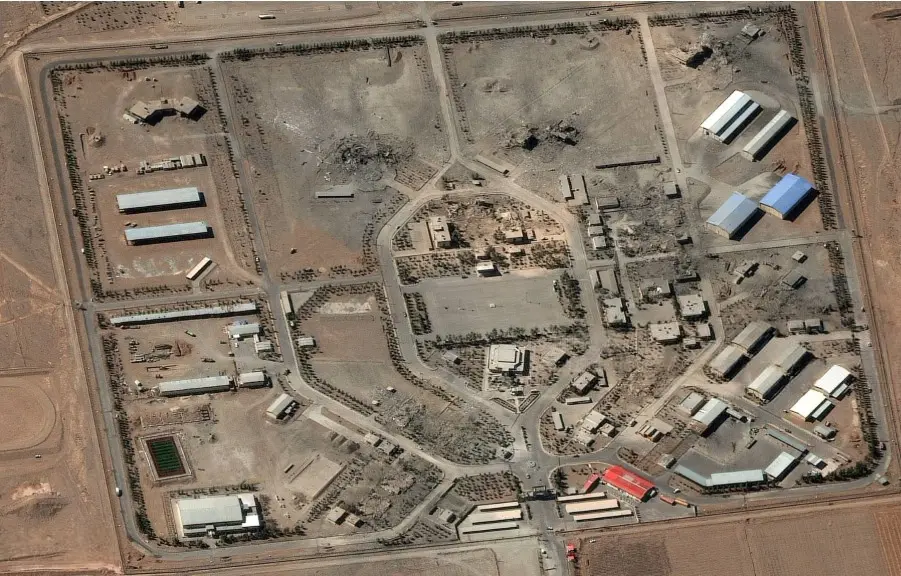
In the early hours of Tuesday, March 31, 2026, a joint US-Israeli airstrike targeted military infrastructure in Isfahan, Iran. According to The Wall Street Journal, forces struck a hardened ammunition depot using 2,000-pound (900 kg) bunker-buster bombs as part of Operation Epic Fury, which began in late February 2026. A US official noted that the strike employed a "high volume of bunker busters, or penetrator munitions," to reach subterranean storage levels. Iran has not yet confirmed the attack.
Why was the site attacked?
According to multiple reports, Iran had recently moved approximately 540 kg of highly enriched uranium to an underground facility in Isfahan, sufficient for nine to ten nuclear weapons. Seperately, after the strikes, US President Trump shared a video on Truth Social showing massive secondary explosions illuminating the night sky.
What Are Bunker Buster Bombs?
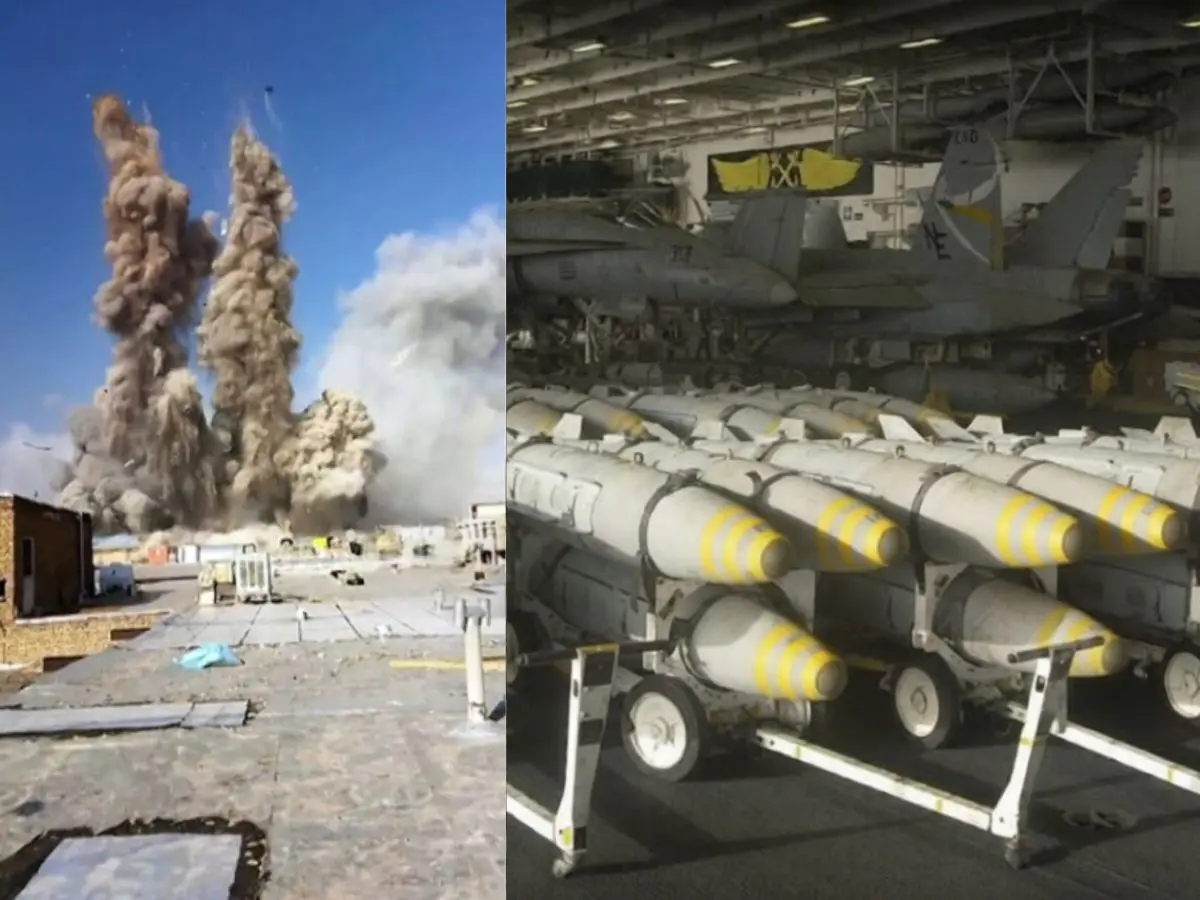
Bunker-buster bombs are specialised weapons designed to penetrate hardened underground targets before detonating. These bombs date back to World War II but were significantly developed during the Gulf War. They are commonly used against reinforced military bunkers and nuclear sites. Among the most powerful is the Massive Ordnance Penetrator (MOP), a 30,000-pound bomb developed by Boeing. It features a reinforced steel casing and GPS guidance, capable of drilling through layers of concrete and rock to deliver a high-impact blast deep below the surface.
Deployment Platforms and Variants
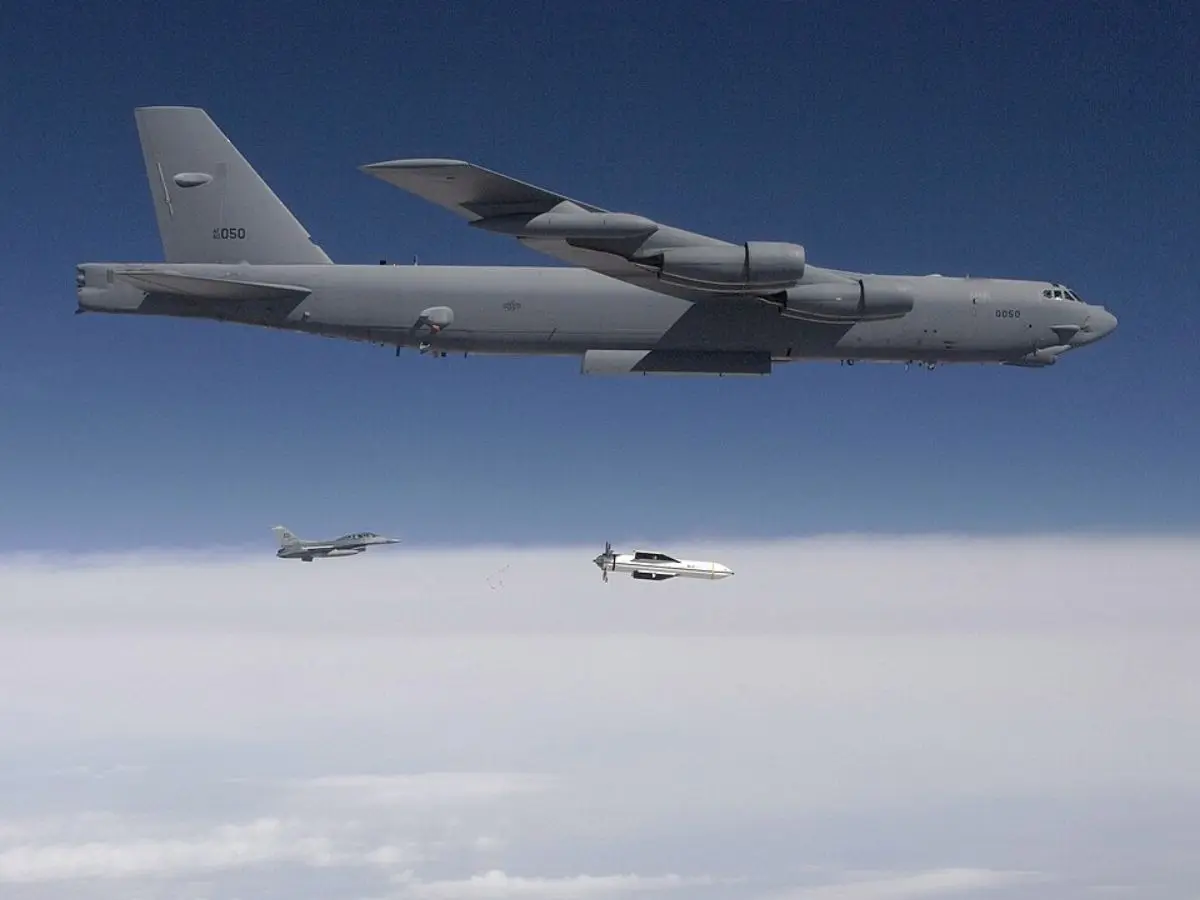
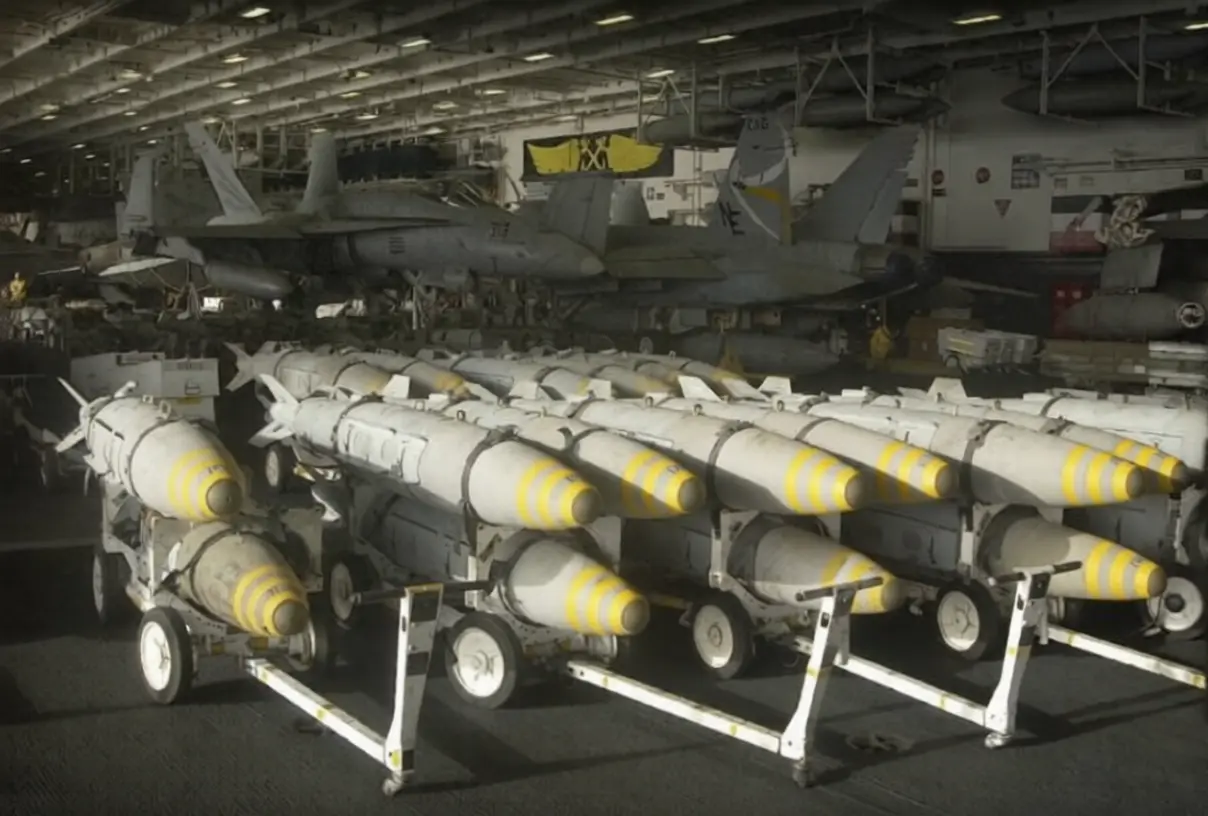
Currently, the B-2 Spirit is the only aircraft in the US inventory certified and equipped to carry and deploy the GBU-57A/B Massive Ordnance Penetrator (MOP) in a conflict. It can carry two of these 30,000-lb (13,600 kg) bombs in its internal bomb bays. The B-2 is an aircraft built to evade advanced air defences and strike heavily protected targets. The Isfahan operation reportedly used smaller bunker-buster variants, but the objective remained the same: neutralising deeply buried infrastructure
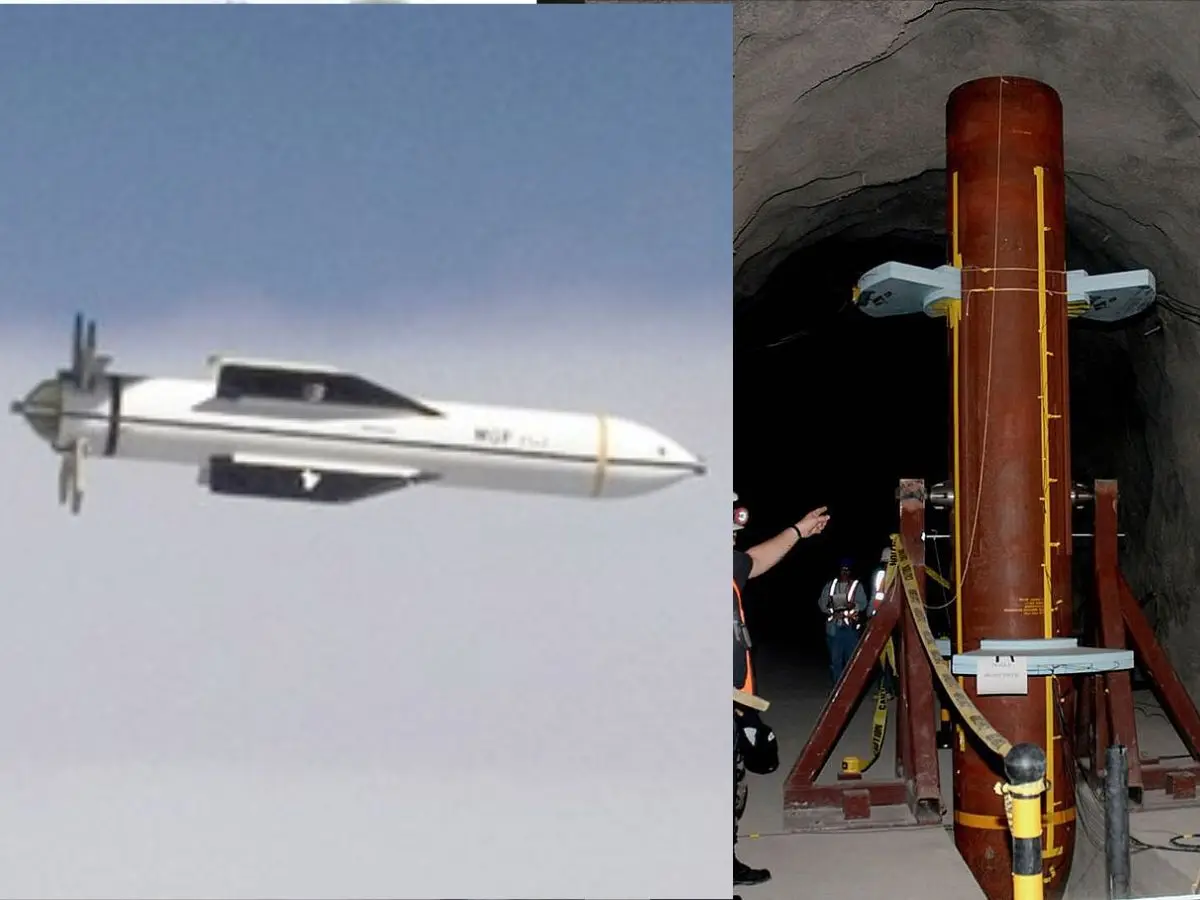
Striking Deep-Buried Targets with Precision
The GBU-57 Massive Ordnance Penetrator (MOP) is believed to penetrate approximately 200 feet (61 metres) below the surface before detonating, with multiple bombs capable of being dropped sequentially to strike progressively deeper layers. For context, 200 feet is equivalent to about a 20-story building buried underground.
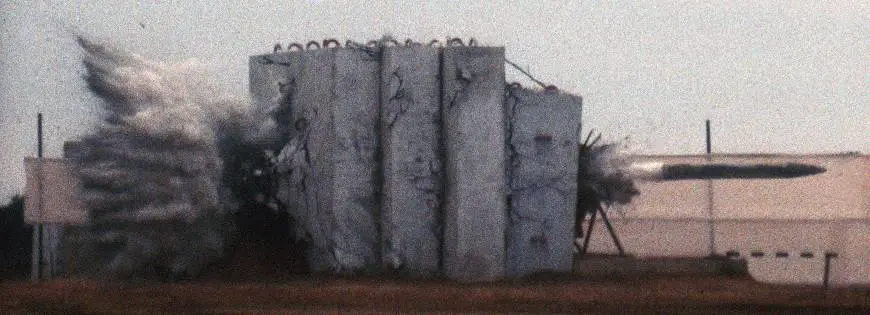
Deployment
The United States officially deployed the MOP in combat for the first time during Operation Midnight Hammer in June, 2025, when six B-2 Spirit stealth bombers delivered twelve 30,000-pound munitions to breach the heavily fortified underground nuclear facilities at Fordow, while a seventh bomber targeted Natanz. The weapon has reportedly been used again under Operation Epic Fury, striking other deep-buried targets such as the Taleghan 2 facility.
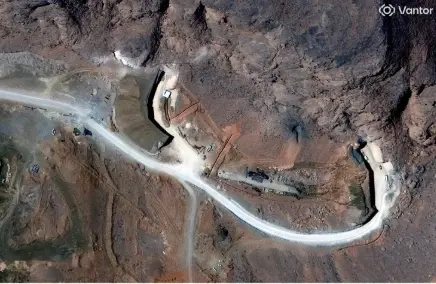
US Military Posture
A US Navy ship carrying approximately 2,500 Marines recently arrived in the Middle East, with at least 1,000 troops from the 82nd Airborne Division expected soon. Another 2,500 Marines are being deployed from California. The 82nd Airborne is trained to parachute into contested territory to secure strategic sites, suggesting preparedness for further operations.
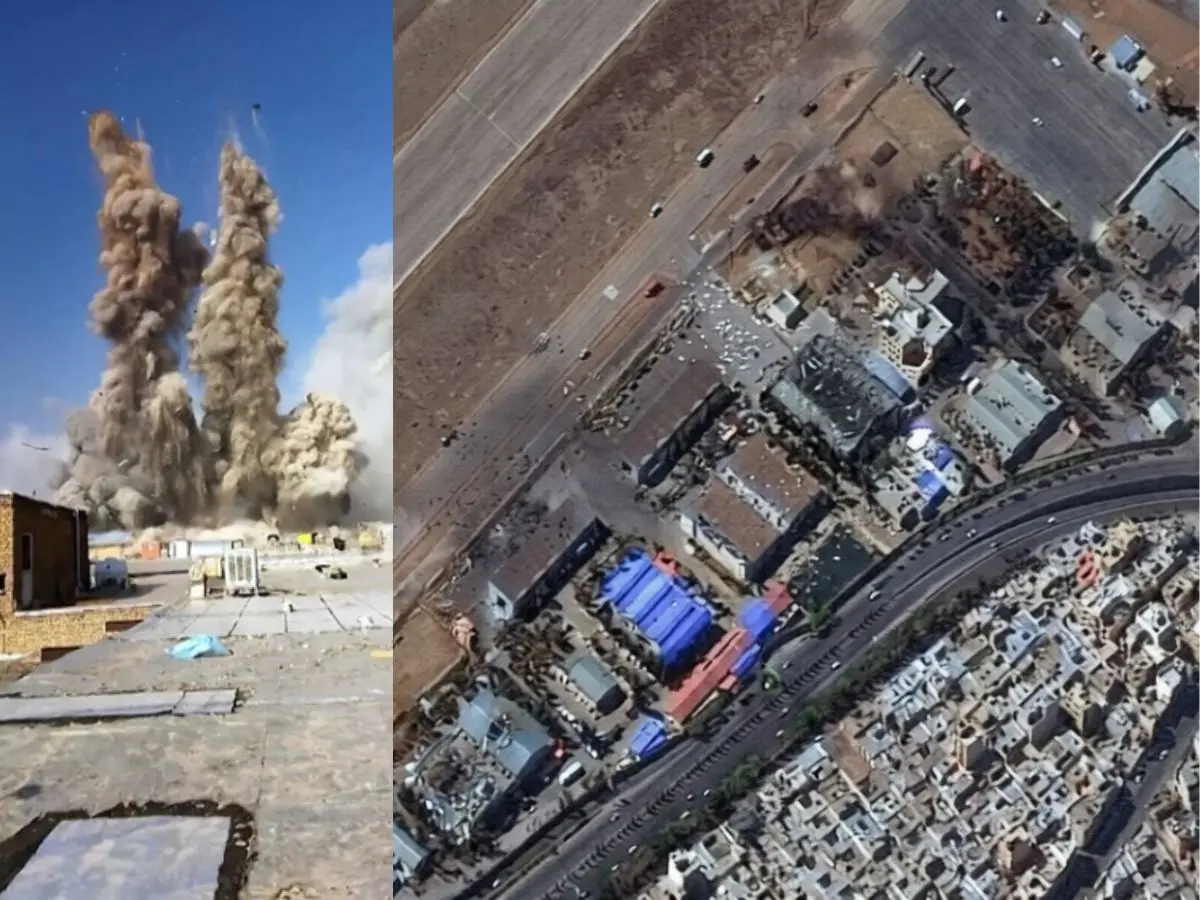
Latest development
More than 3,000 people have been killed across the Middle East in the ongoing conflict, and the war’s diplomatic fallout has sharpened divisions within the NATO alliance. US Secretary of State Marco Rubio criticised America’s NATO partners for what he described as a lack of support, singling out Spain after it barred US military aircraft involved in the Iran war from using its airspace. Rubio said that while NATO’s collective defence framework allows the United States to station troops and equipment in Europe, “if NATO only defends Europe if they’re attacked but then denies us basing rights when we need them, that’s not a very good arrangement.”
)

)
)
)