'900 kg bunker busters hit Isfahan': Why does US keep striking Iran’s most sensitive site, what lies beneath it?

The attacks come as Washington expands its military footprint in the region, with tens of thousands of troops now deployed.
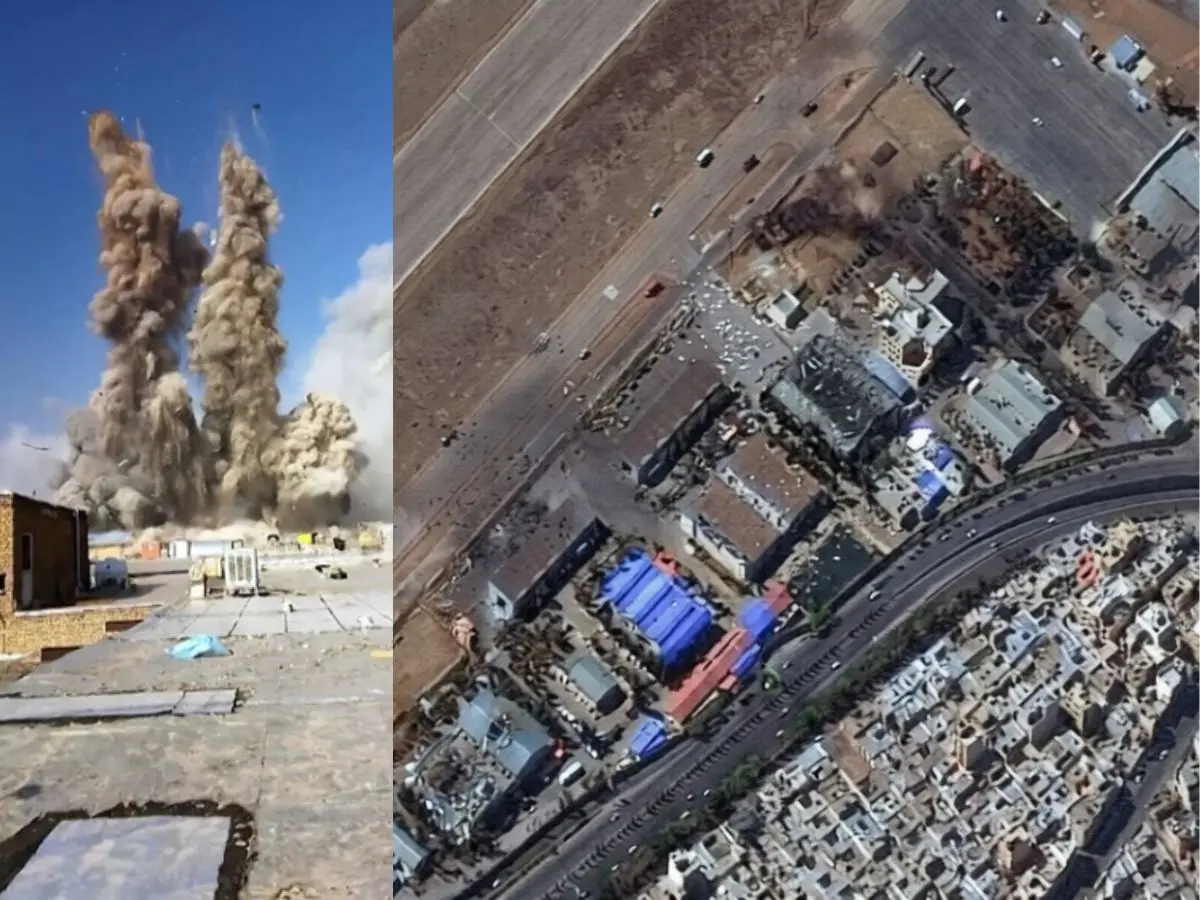
Strikes intensify focus on Isfahan
US strikes using bunker buster bombs have drawn renewed attention to Isfahan, a central hub of Iran’s nuclear programme. The Fars news agency, quoting Akbar Salehi, a security official at the governor’s office in Isfahan province, said that “some military locations in Isfahan were targeted”, though the scale of damage and any casualties remains unclear. However, the Wall Street Journal, citing a US official, reported that forces struck an ammunition depot in Isfahan using 2,000-pound bunker buster bombs. “A high volume of bunker busters, or penetrator munitions, was used for the strike,” the official said.
The initial attack is reported to have triggered multiple secondary explosions, with fireballs rising into the sky and tremors felt on the ground, indicating the presence of stored munitions at the site. The attacks come as Washington expands its military footprint in the region, with tens of thousands of troops now deployed.
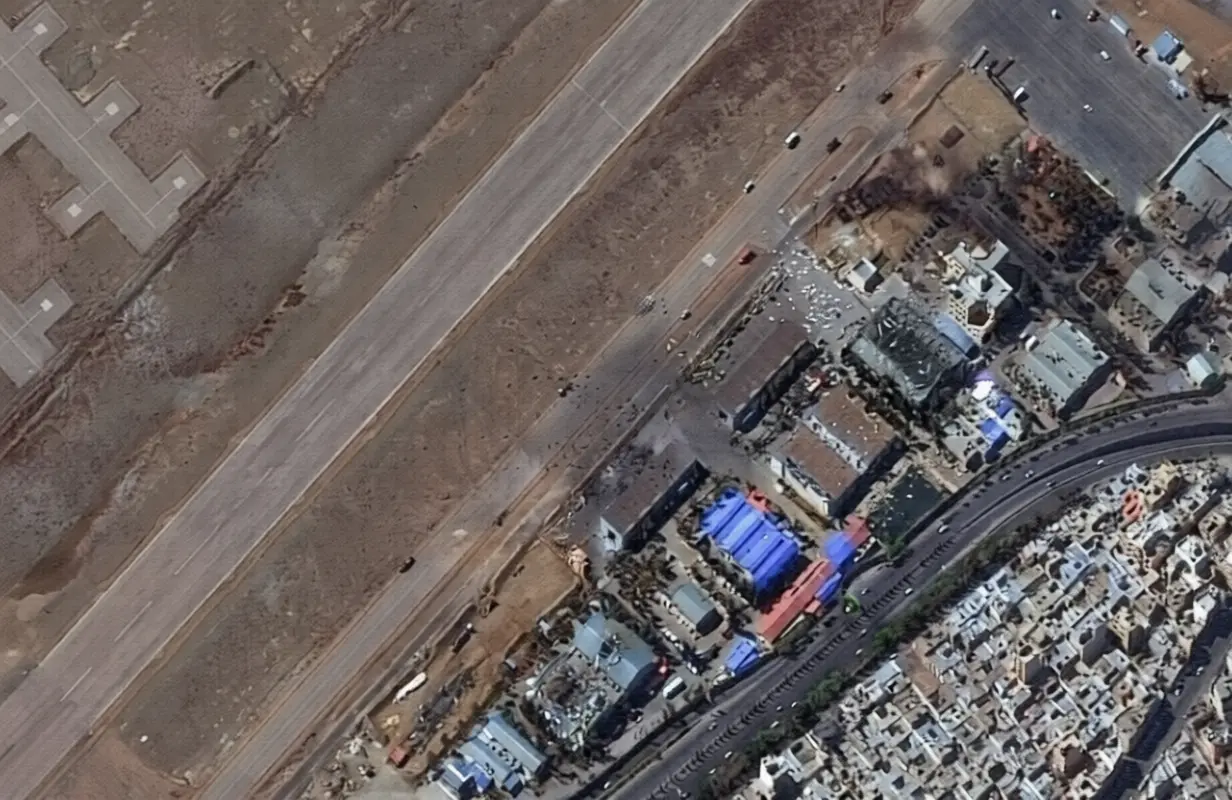
How important is Isfahan
Isfahan (historically spelled Esfahan) is a major city in central Iran, located approximately 440 kilometres south of Tehran. It is the capital of Isfahan Province and stands as Iran's third-largest city. The city is home to several UNESCO World Heritage sites and iconic structures. However, most importantly, the city is home to a number of important military facilities, including nuclear facilities, a major airbase and factories associated with Iranian drone and other military production.
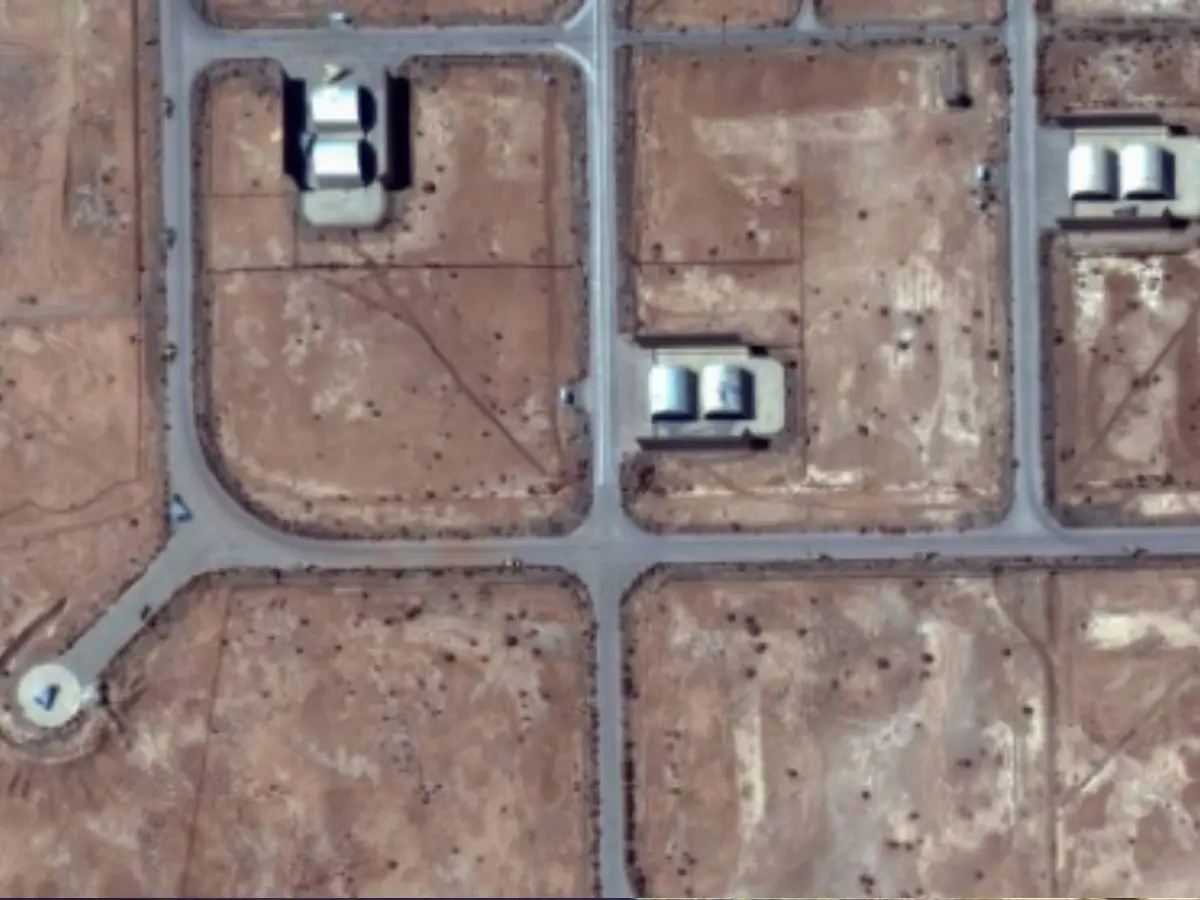
A core of Iran’s nuclear programme
The United States and the UN nuclear watchdog believe Iran once operated a coordinated, secret nuclear weapons programme, which it halted in 2003. Accoring to the Center for Strategic and International Studies, Isfahan is not a single installation but a complex network central to Iran’s nuclear infrastructure, housing a uranium conversion plant, fuel manufacturing facilities, a centrifuge production unit and metal processing sites. International assessments indicate that it plays a key role in preparing uranium for enrichment, making it strategically significant. Several reports also suggest that Iran may have moved around 540 kg of highly enriched uranium to underground facilities in Isfahan, highlighting concerns about what lies beneath the site.
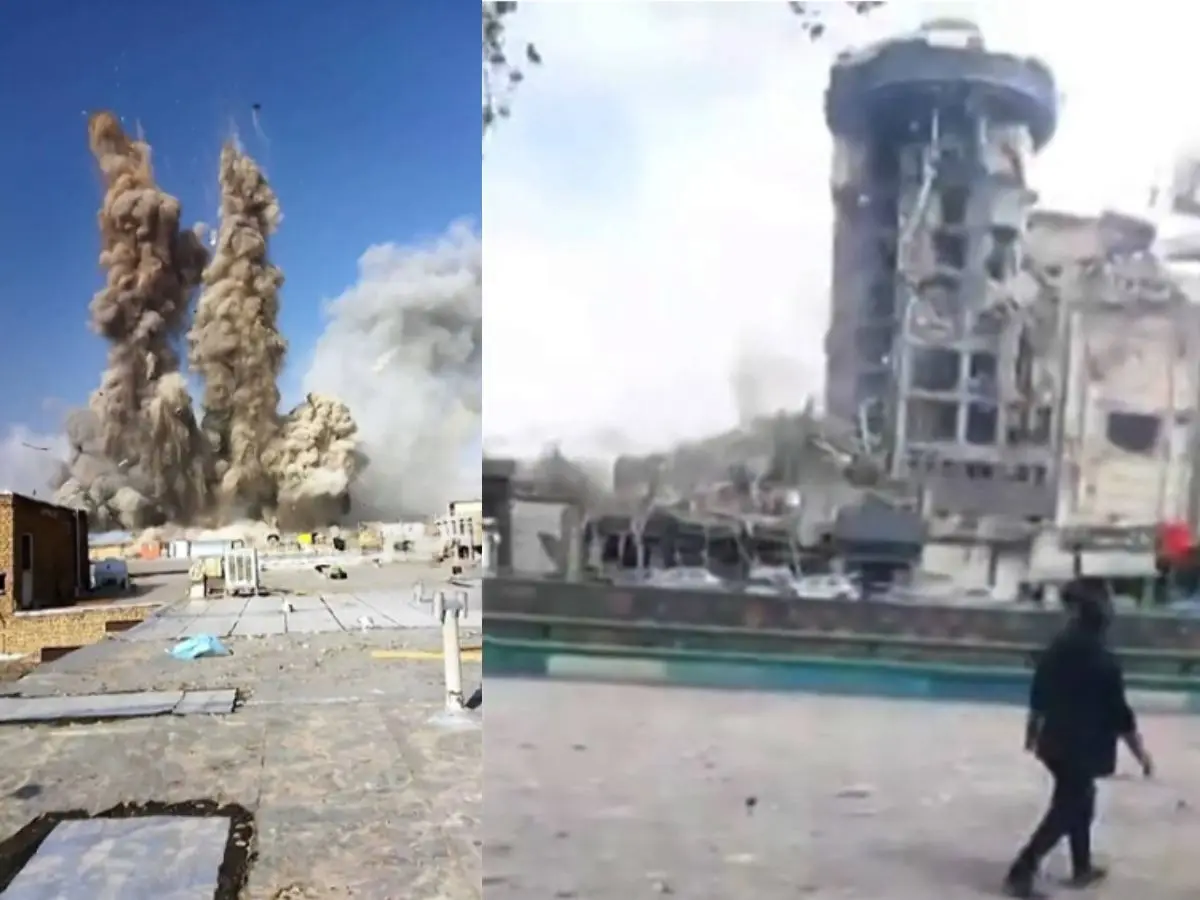
Why bunker busters are used
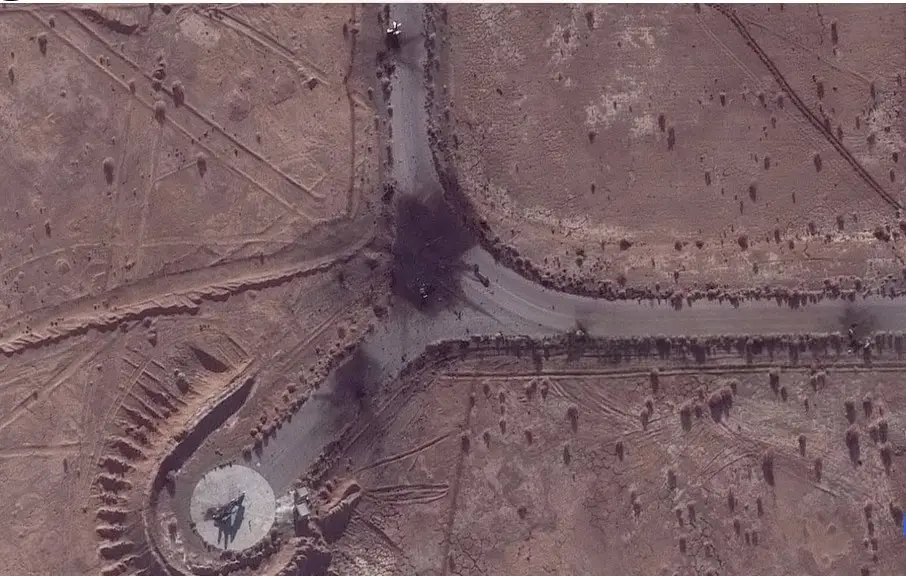
Many of Isfahan’s facilities are hardened or partially underground, which explains the use of bunker buster bombs designed to penetrate deep before detonation. These weapons are intended to damage fortified structures that conventional munitions may not reach, particularly in sites linked to nuclear activity.
Uncertainty over underground capabilities
On March 18, the International Atomic Energy Agency said it does not know the status of a proposed new enrichment facility at Isfahan. Its chief, Rafael Grossi, indicated the site could host future enrichment activity, adding to concerns about what may lie beneath existing structures and how much capability remains intact after repeated strikes.
Operation Midnight Hammer
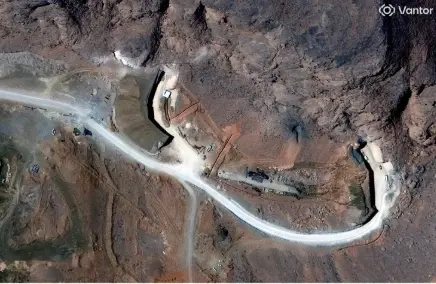
The Isfahan Nuclear Technology Center was among the three sites targeted during US-Israel's Operation Midnight Hammer launched in June 2025. US Tomahawk missiles had struck it's key metallurgy installations and fuel fabrication laboratories, causing significant structural damage. The strike formed part of a broader campaign aimed at degrading Iran’s nuclear infrastructure. Despite this, the full extent of disruption remains unclear, underscoring the resilience and complexity of the site.
Iran was repairing the site
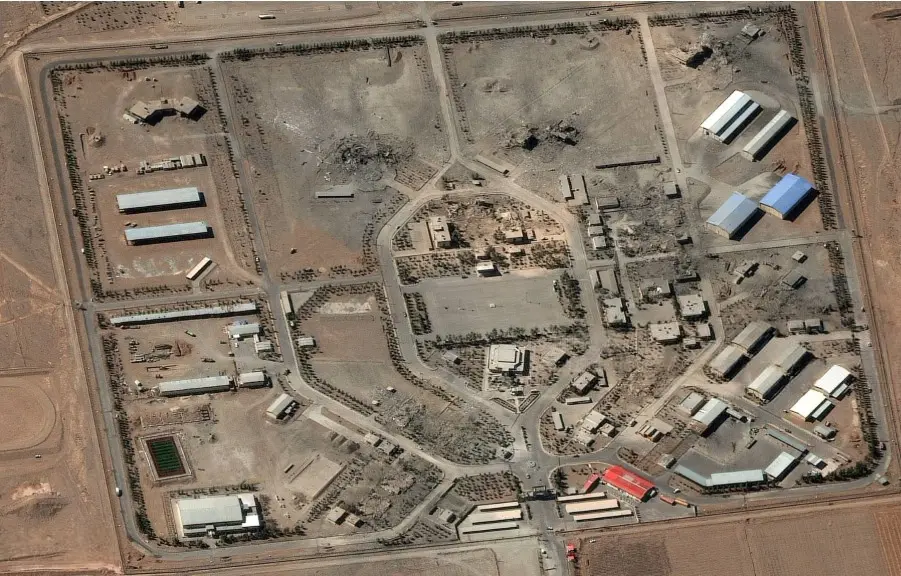
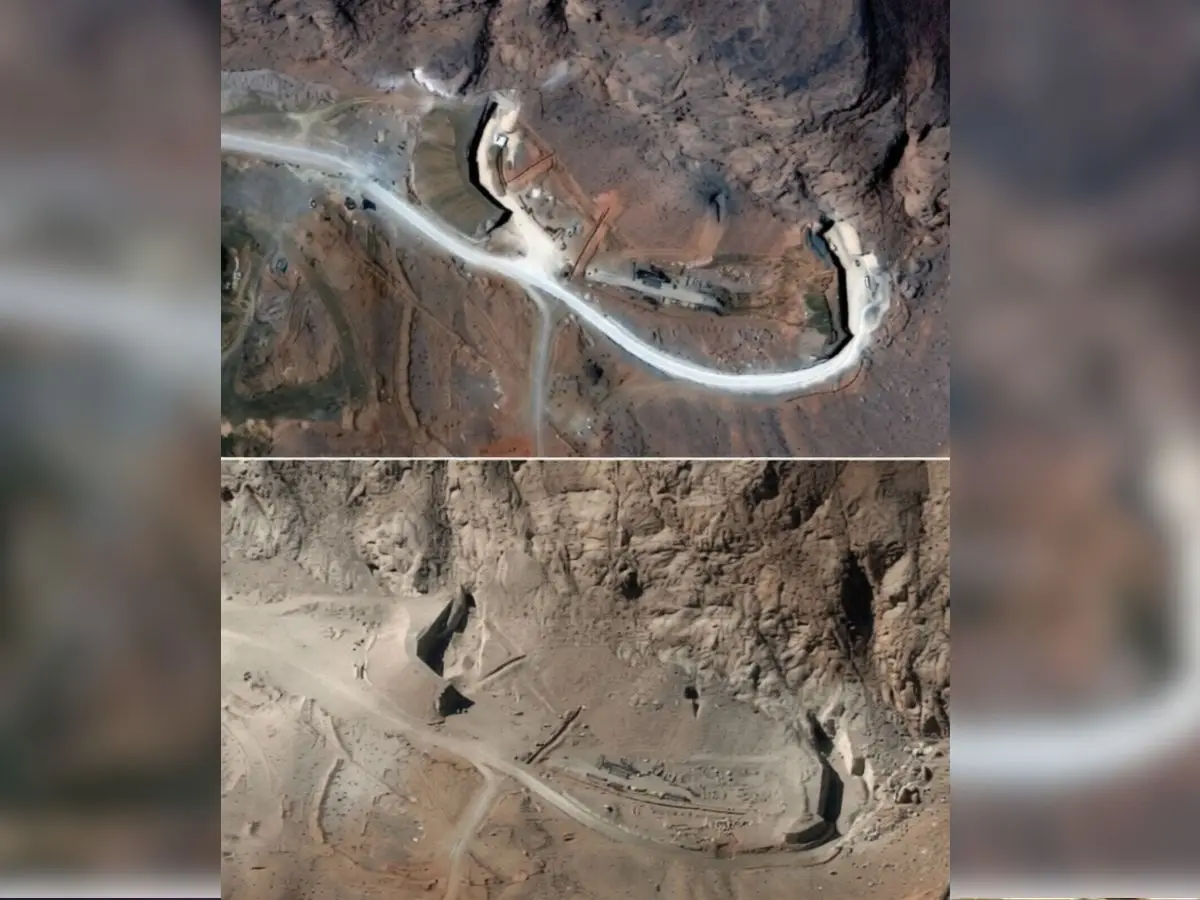
Satellite imagery from early 2026 indicates that Iran has since been actively repairing and reinforcing the Isfahan complex and nearby military sites. Efforts include rebuilding damaged structures, fortifying tunnel entrances and constructing reinforced concrete bunkers, highlighting attempts to protect critical infrastructure from potential future strikes.
Military options under consideration
Iran has already blocked the vital Strait of Hormuz shipping lane-- through which around 20 per cent of the global oil supply passes. Recent deployments of US special operations forces, alongside Marines and airborne troops, suggest a widening range of options under review. These could include securing the Strait of Hormuz or targeting critical infrastructure linked to Iran’s nuclear programme, including Isfahan. As strikes continue, Isfahan remains a focal point of the conflict. Its role in Iran’s nuclear activities, combined with the uncertainty surrounding its underground facilities, ensures it will remain a priority target. The question is not only what has been hit, but what capabilities may still remain hidden.
)
)
)
)
)