How long would an S-400 missile take to reach a target 100 km away?

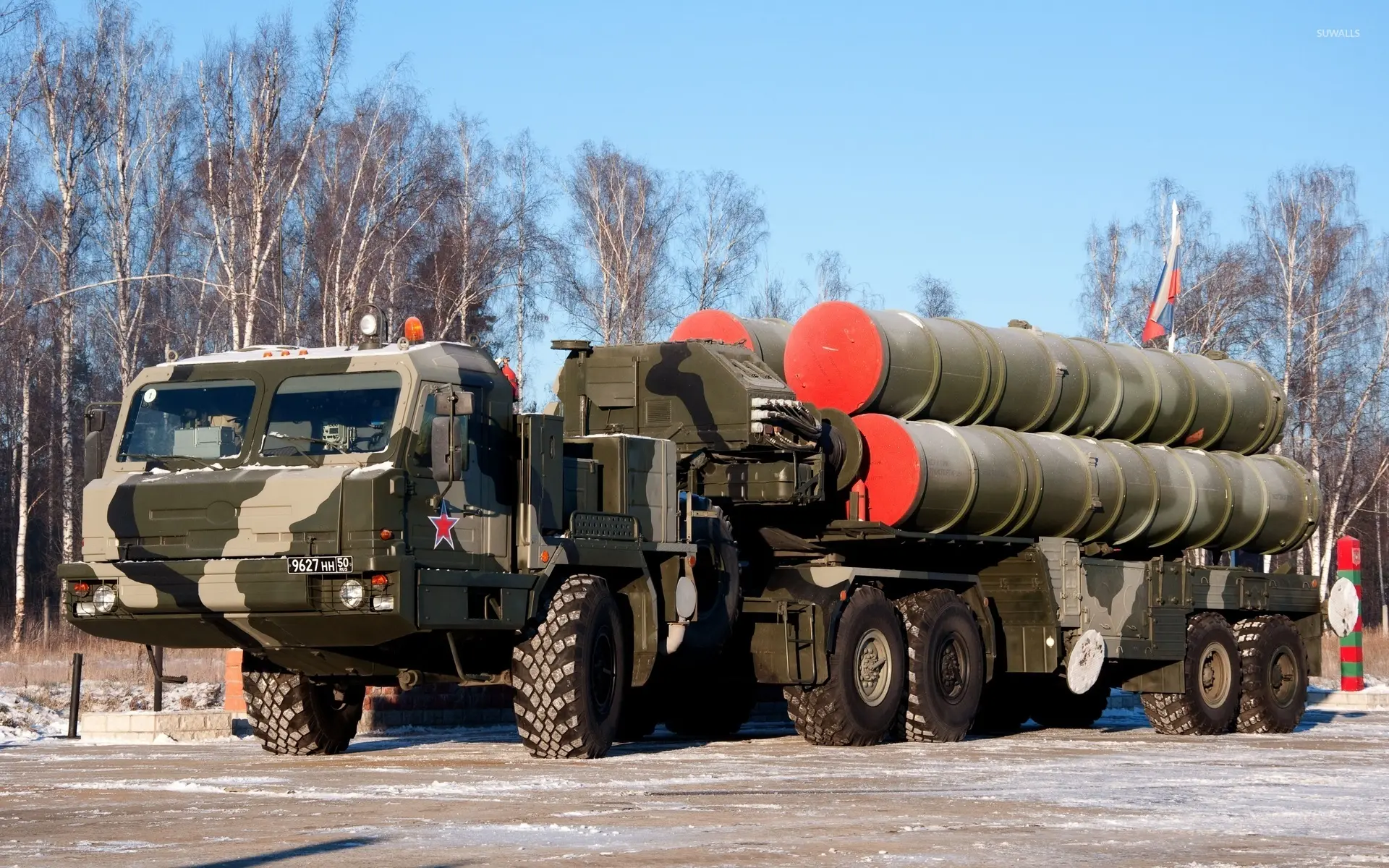
Reaching a target 100 kilometres away takes an S-400 missile approximately one minute. Factoring in a 10-second system reaction time, the heavy 48N6E3 interceptor travels at 2,000 metres per second to cover the exact distance in just 50 seconds.
The 100-Kilometre Question
When an enemy aircraft breaches the 100-kilometre perimeter, survival becomes a matter of mere seconds. Calculating the exact flight time of an S-400 interceptor requires factoring in system reaction speeds and the specific missile variant deployed.
The 10-Second Reaction
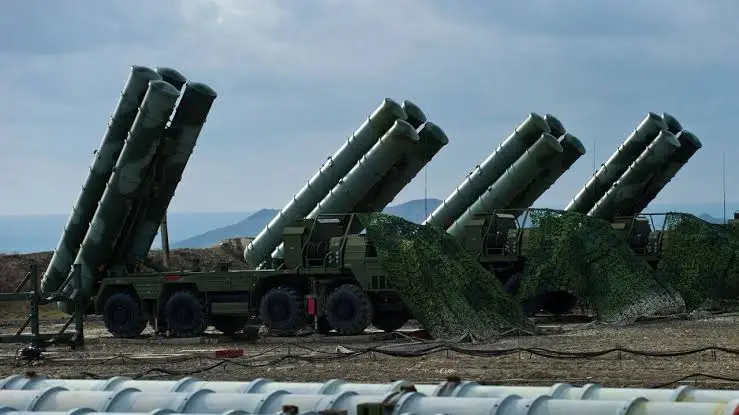
Before a missile can fly, the S-400's digital command post must process the radar telemetry and authorise a launch. This automated kill chain, from initial radar detection to the interceptor leaving its vertical tube, takes a maximum of just 10 seconds.
The Cold Launch Ejection
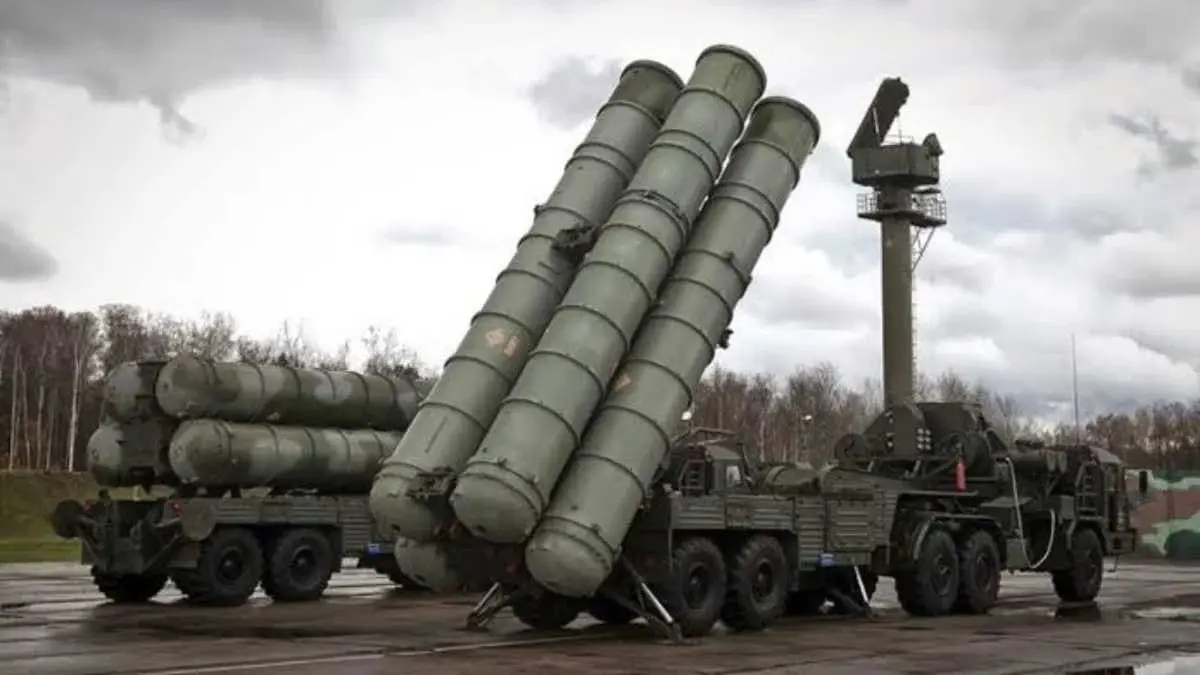
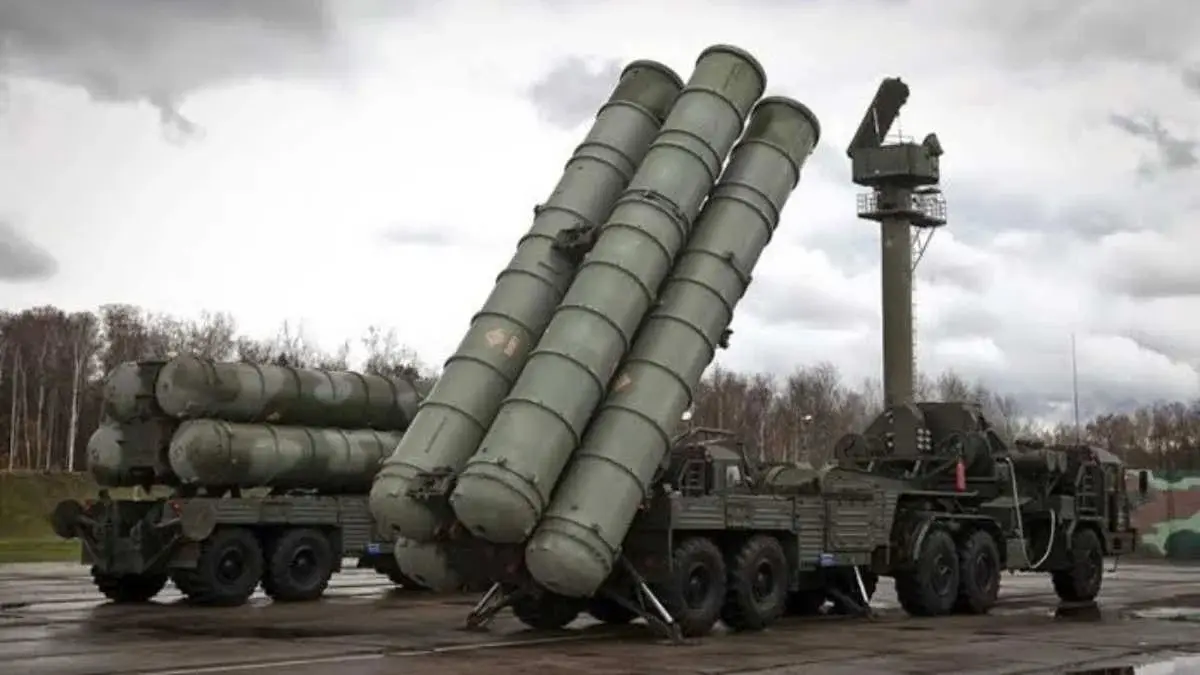
Once authorised, the USD 1.25 billion system uses cold launch technology to blast the weapon into the air using high-pressure gas. The missile's solid-fuel rocket motor ignites mid-air, saving crucial fractions of a second before it instantly pitches toward the target.
The 50-Second Sprint
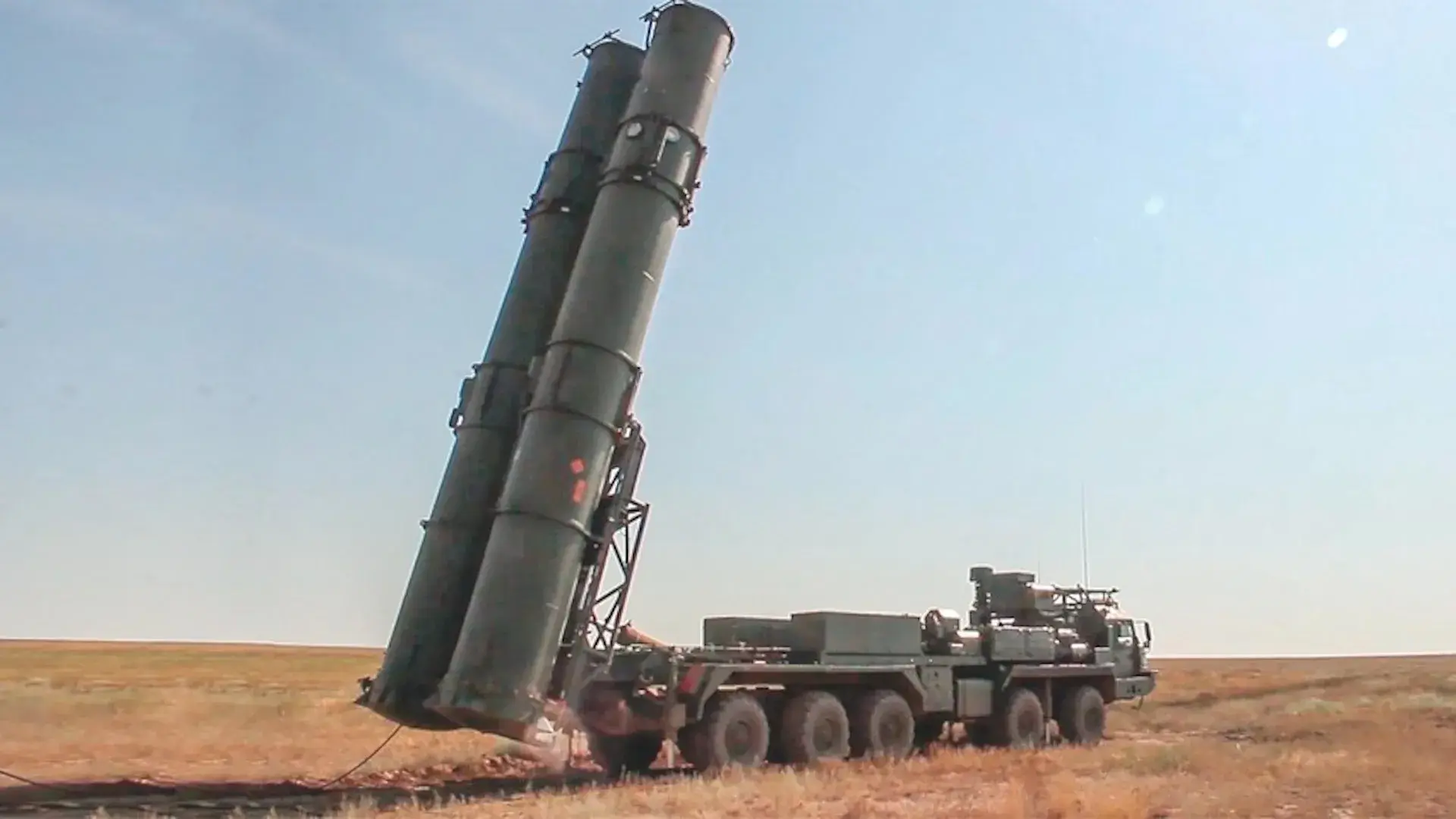
If the battery selects the heavy 48N6E3 interceptor, the targeted aircraft has virtually no time to react. Travelling at an astonishing maximum velocity of 2,000 metres per second, this hypersonic weapon covers a 100-kilometre distance in roughly 50 seconds.
The 100-Second Journey
For highly manoeuvrable targets like drones or cruise missiles at 100 kilometres, the system deploys the agile 9M96E2 variant. Cruising at 1,000 metres per second, this lighter interceptor will reach the impact zone in approximately 100 seconds.
Zero Warning Time
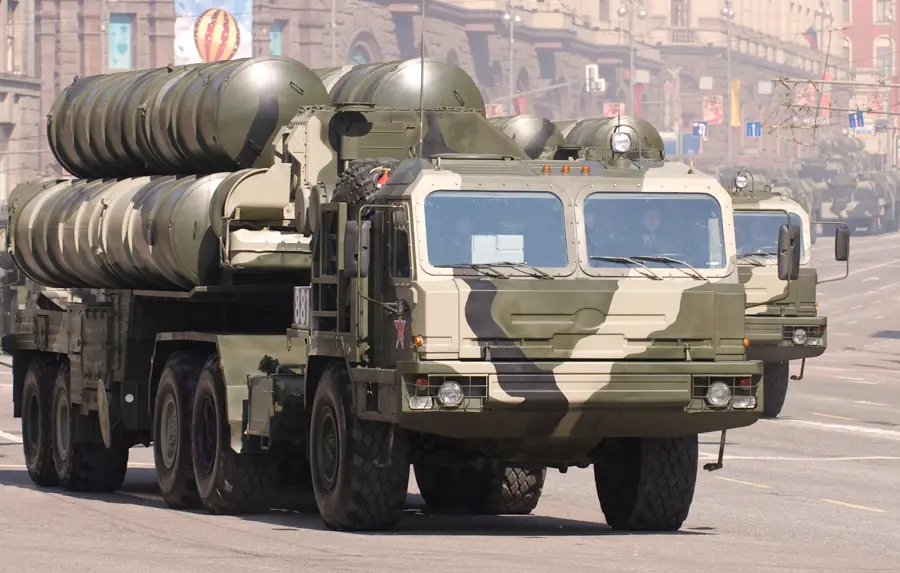
Because the S-400's engagement radar operates with extreme precision, enemy pilots often do not realise they are locked on until the interceptor is already inbound. Furthermore, an aircraft flying directly towards the battery is rapidly closing the distance, effectively reducing the missile's required flight time even further.
An Inescapable Window
Combining the 10-second system reaction with a 50-second flight time means a high-priority threat 100 kilometres away can be destroyed in just one minute. This blistering speed leaves human pilots physically unable to deploy effective countermeasures or escape the system's lethal airspace bubble.
)
)
)
)
)