What fuel does an S-400 missile use?

The S-400 uses pre-mixed solid rocket propellant. Eliminating liquid fuelling delays, this highly stable fuel provides instant readiness, a 10-second reaction time, and the immense raw thrust needed to reach 17,000 km/h.
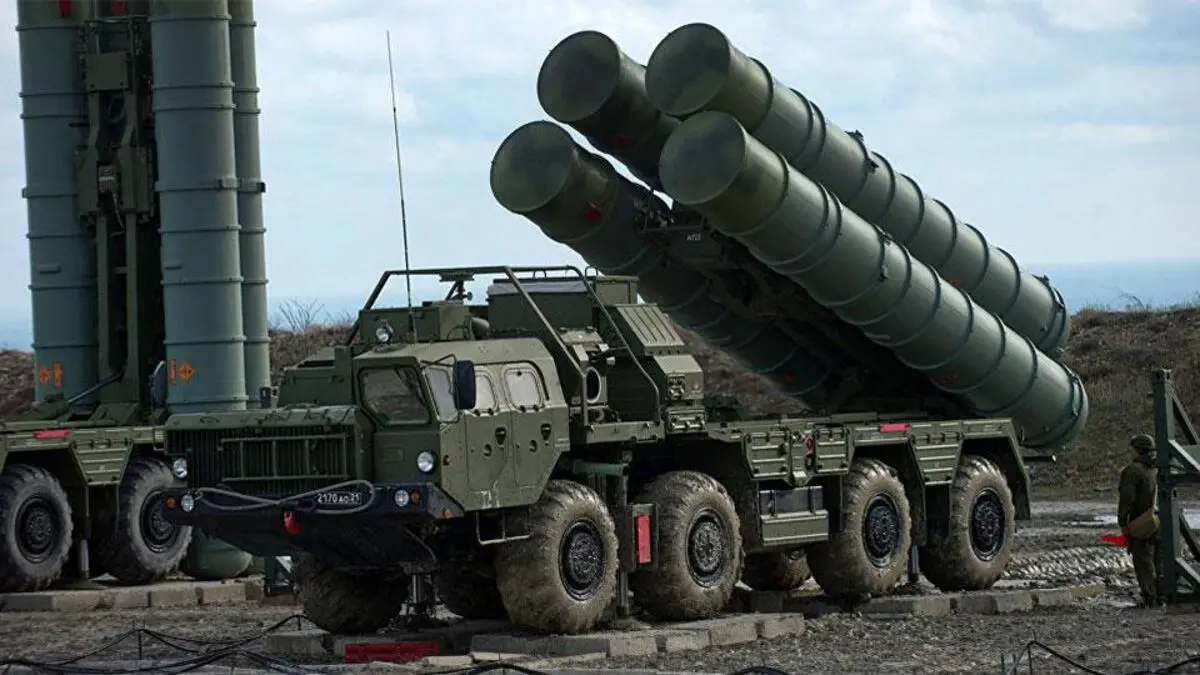
The Solid Fuel Advantage
Unlike many space rockets that rely on volatile liquid chemicals, the Russian S-400 Triumf interceptor missiles use advanced solid rocket fuel. This highly stable propellant provides the massive, instantaneous energy required to dominate modern airspace.
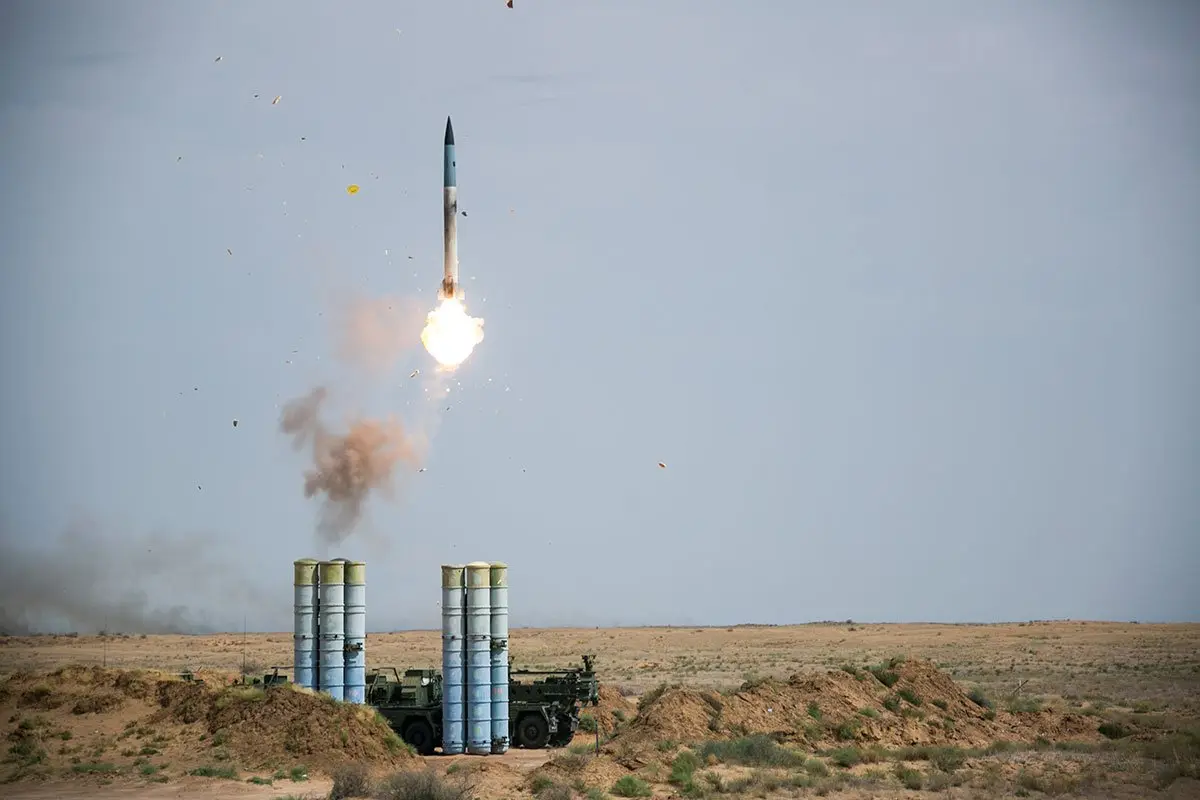
100 Per Cent Pre-Mixed
The S-400's solid rocket propellant consists of a powerful chemical fuel and an oxidant that are perfectly mixed into a fine powder. This volatile mixture is pressed into a dense, solid cake inside the missile's motor casing during factory production.
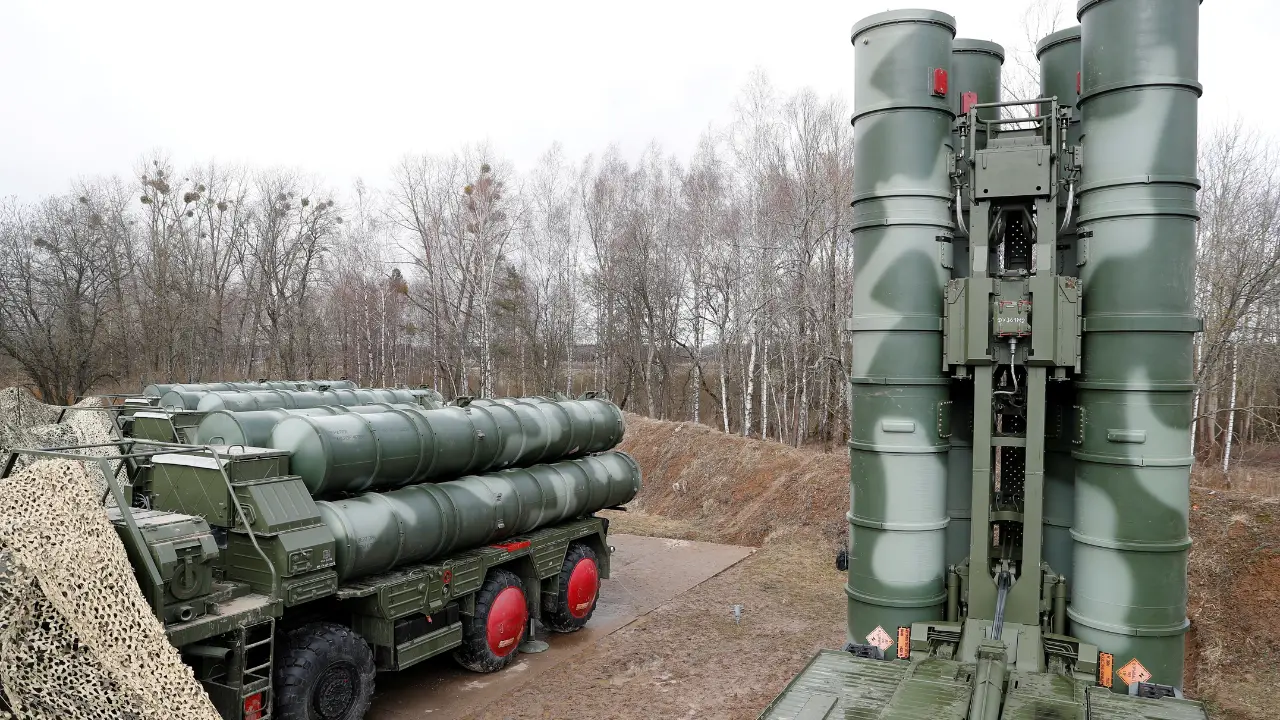
Zero Fuelling Delays
Liquid rocket engines require a complicated network of valves and pumps to handle toxic, corrosive chemicals right before a launch. By using a solid cake of propellant, the S-400 totally eliminates these complex moving parts, drastically increasing system reliability.
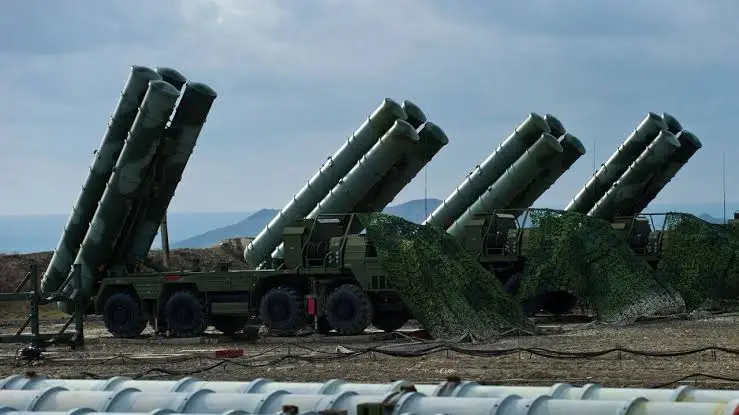
The 10-Second Reaction
Because the solid fuel is highly stable and permanently loaded, the battery never wastes crucial moments pumping fuel into the missiles. This allows the USD 1.25 billion system to achieve a blistering operational response time of just 9 to 10 seconds.
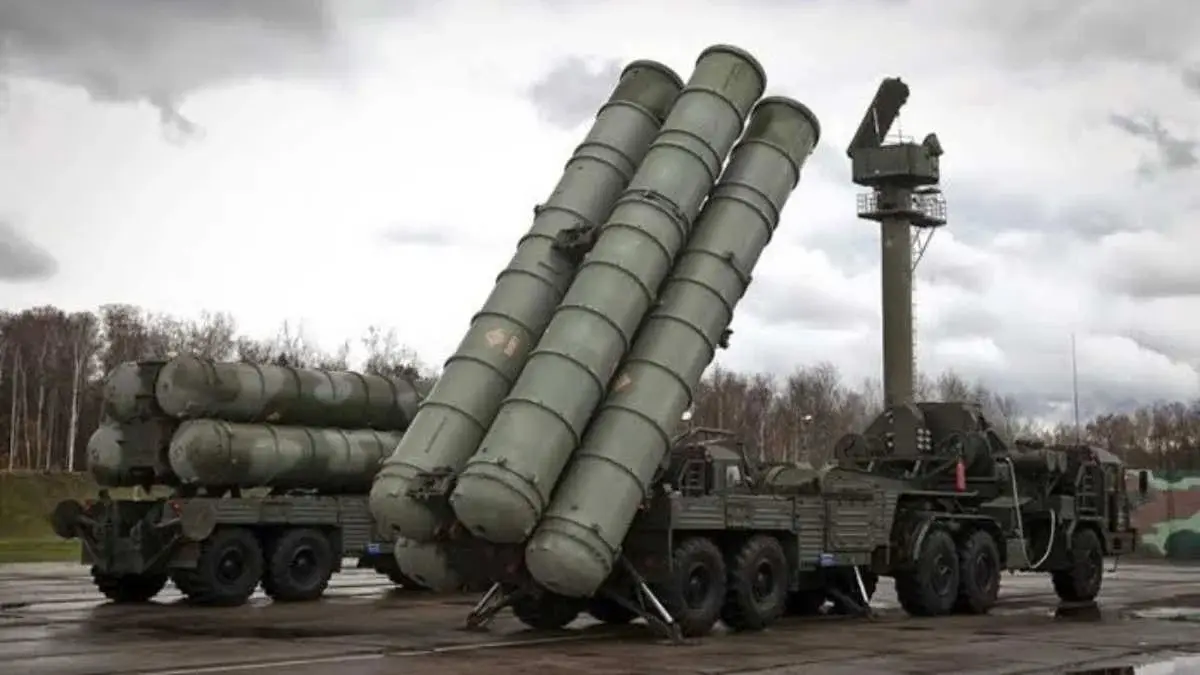
The Mid-Air Ignition
When authorised to fire, the S-400 uses cold launch technology, blasting the missile out of its tube using high-pressure gas. The solid-propellant rocket motor only ignites when the weapon is roughly 30 metres mid-air, saving the launch vehicle from catastrophic heat damage.
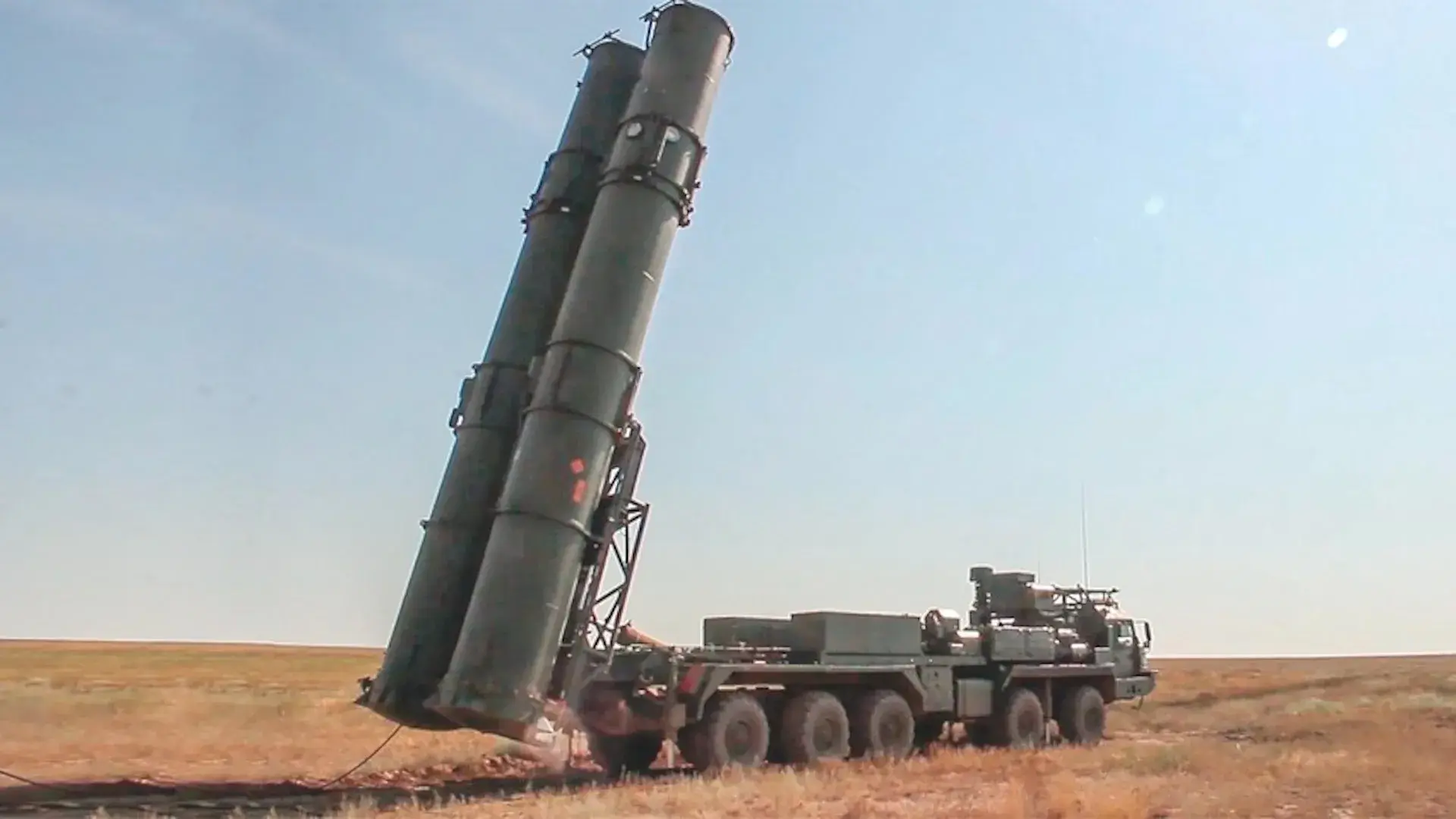
Mach 14 Acceleration
Once ignited, solid-fuel motors deliver exceptionally rapid acceleration and immense raw thrust. This aggressive energy burn propels advanced S-400 interceptors to extreme velocities of 17,000 kilometres per hour, easily chasing down fast-moving hypersonic and ballistic threats.
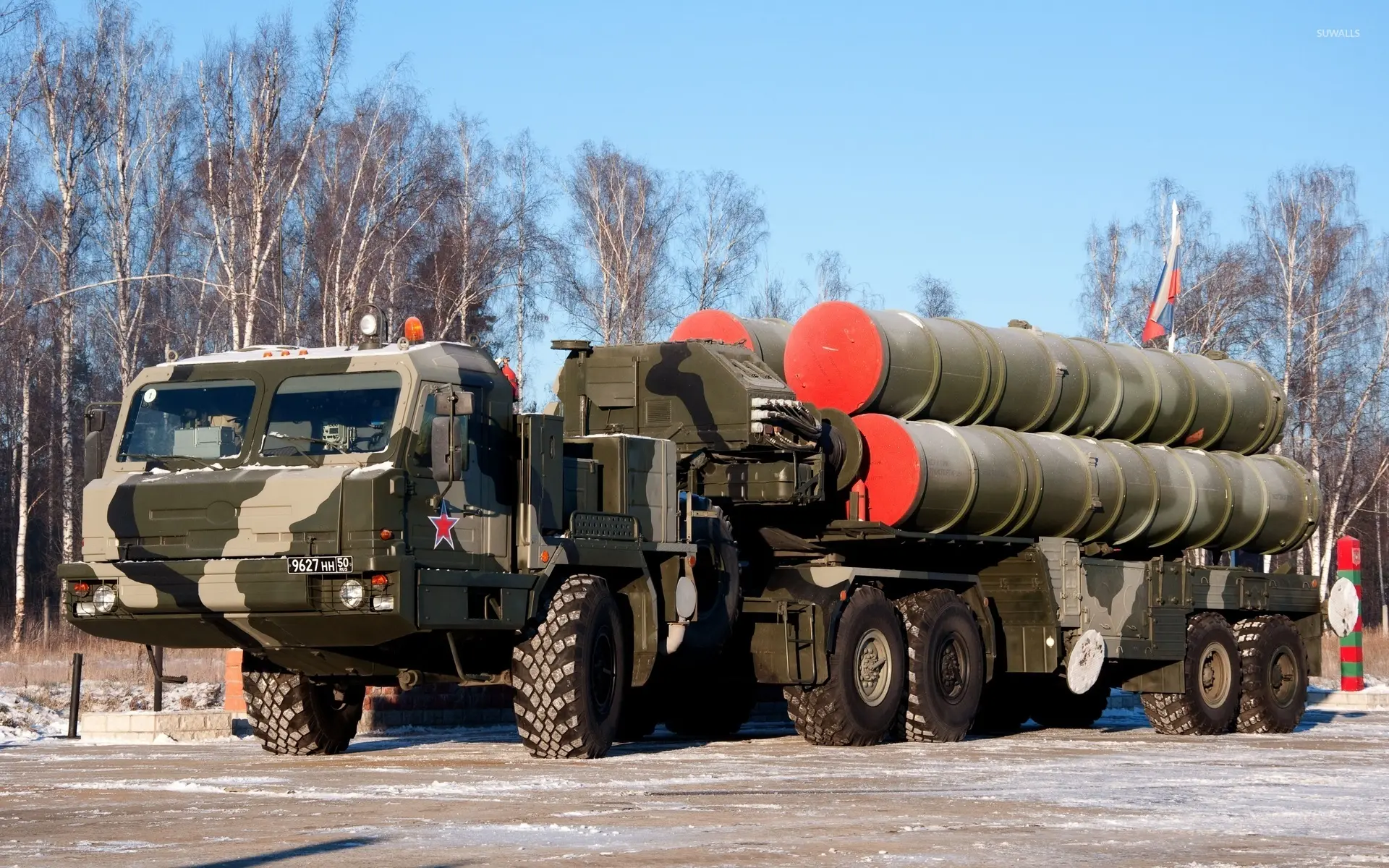
A Decade of Storage
Solid propellants do not suffer from the corrosive leaks or extreme temperature sensitivity associated with liquid fuels. The missiles remain perfectly sealed inside their launch containers, requiring virtually no maintenance for their strict 10-year service life.
)
)
)
)
)