How does an S-400 missile compare with a cruise missile?

The S-400 interceptor uses Mach 14 speed, solid rockets, and radar homing to shred aerial threats with fragmentation warheads. In contrast, cruise missiles use slower jet engines and terrain-following navigation to bomb stationary ground targets.
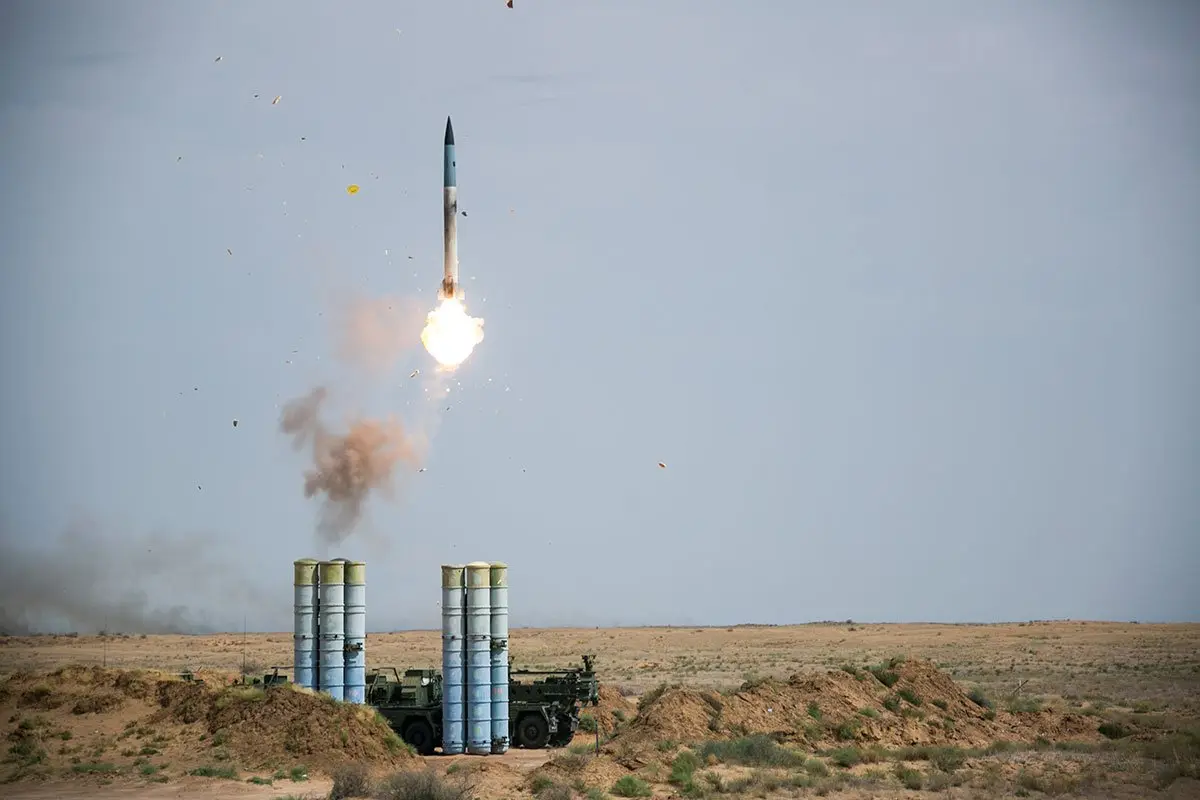
The Defender vs The Attacker
The fundamental difference lies in their operational purpose. The Russian S-400 Triumf fires surface-to-air interceptor missiles designed purely to destroy other flying objects, whereas a cruise missile is an offensive strike weapon built to bomb ground targets.
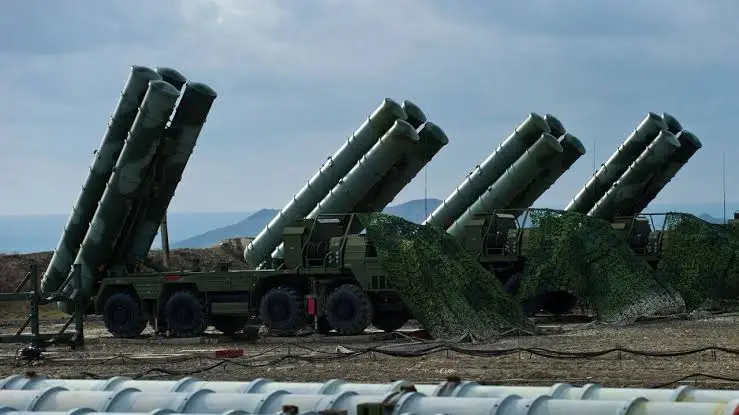
Mach 14 vs Subsonic Cruising
Because the S-400 must catch fleeing fighter jets, its 40N6E interceptors accelerate to a staggering Mach 14, or roughly 17,000 kilometres per hour. In contrast, most long-range cruise missiles travel at slower subsonic speeds of around 800 kilometres per hour to conserve fuel.
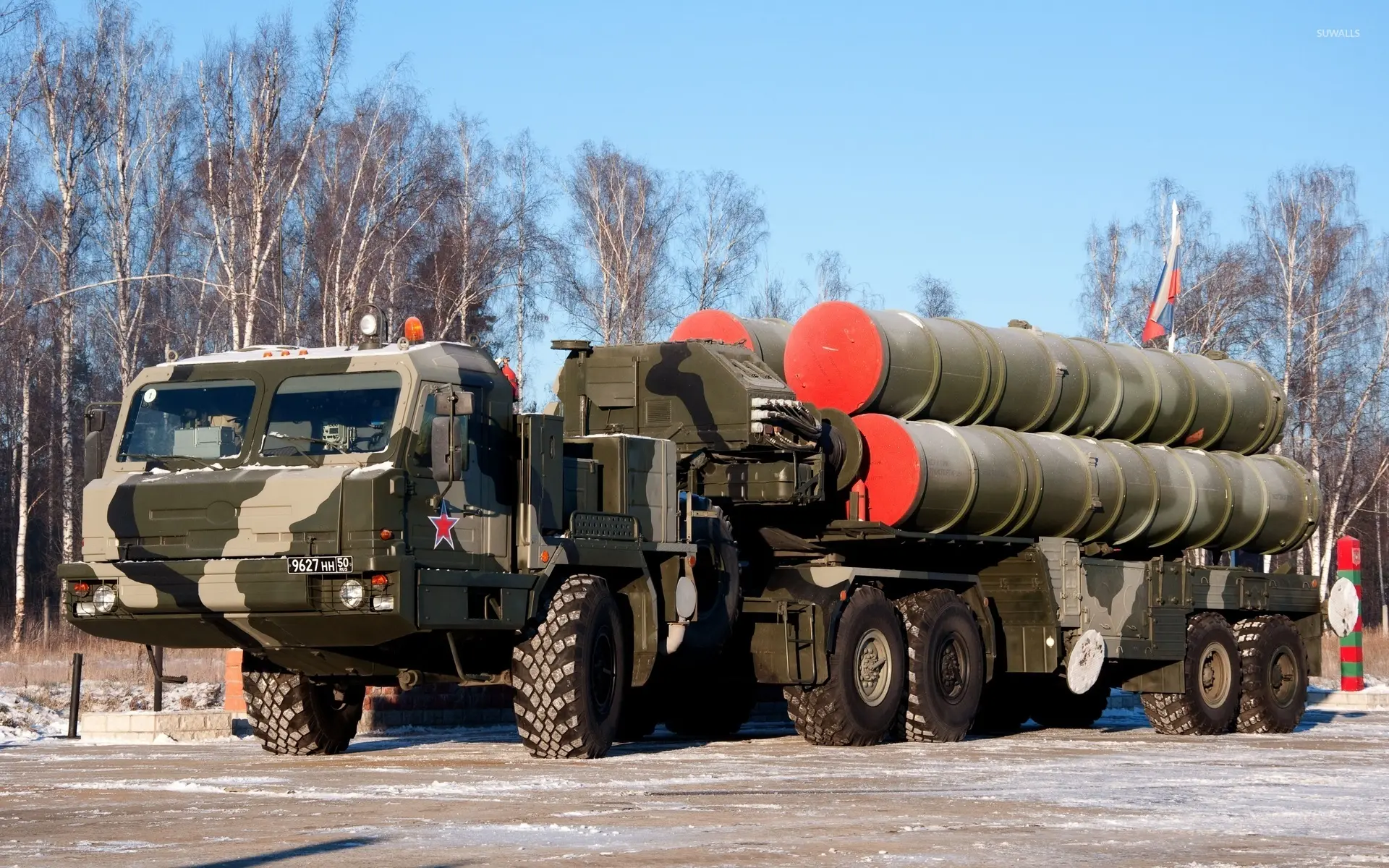
Rocket Motors vs Jet Engines
To achieve instant acceleration, S-400 missiles rely on highly volatile solid-fuel rocket motors that burn out in seconds. Cruise missiles operate more like unmanned aircraft, using air-breathing turbofan jet engines to fly continuously for thousands of kilometres.
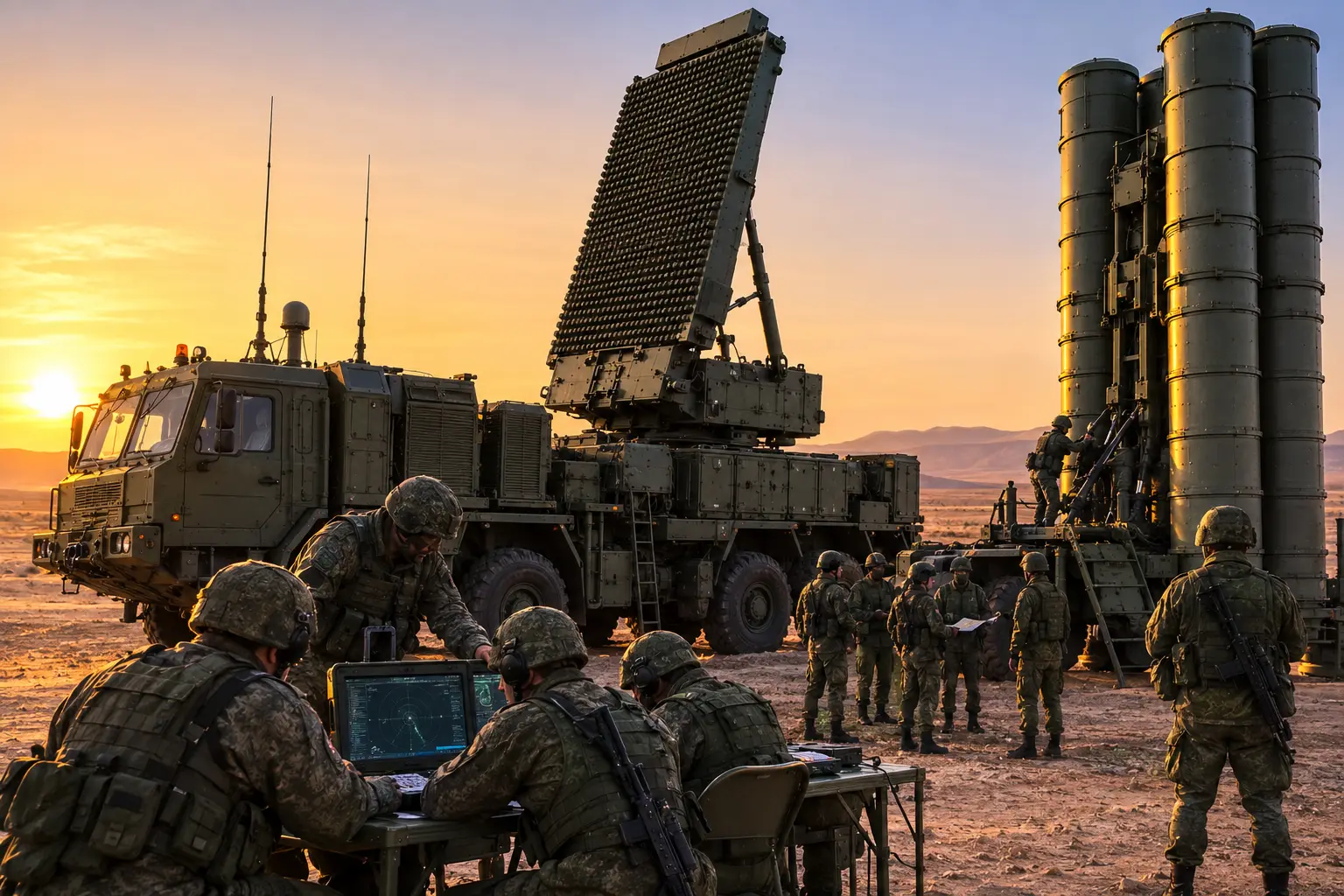
Stratosphere vs Terrain Hugging
An S-400 missile typically blasts into the thin air of the stratosphere to eliminate atmospheric drag before diving onto its target. Conversely, a cruise missile aggressively hugs the Earth's surface, flying as low as 30 metres to successfully hide below enemy radar horizons.
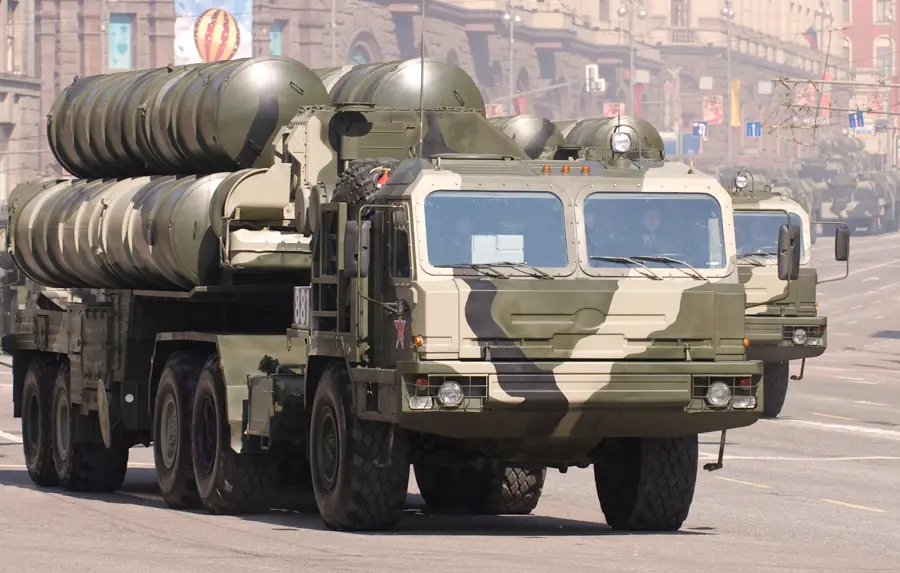
Radar Homing vs Terrain Mapping
To secure a kill, the USD 1.25 billion S-400 system beams real-time radio updates to its missile before internal active radar seekers take over. Cruise missiles navigate entirely independently using satellite GPS and advanced terrain-following systems to accurately strike stationary coordinates.
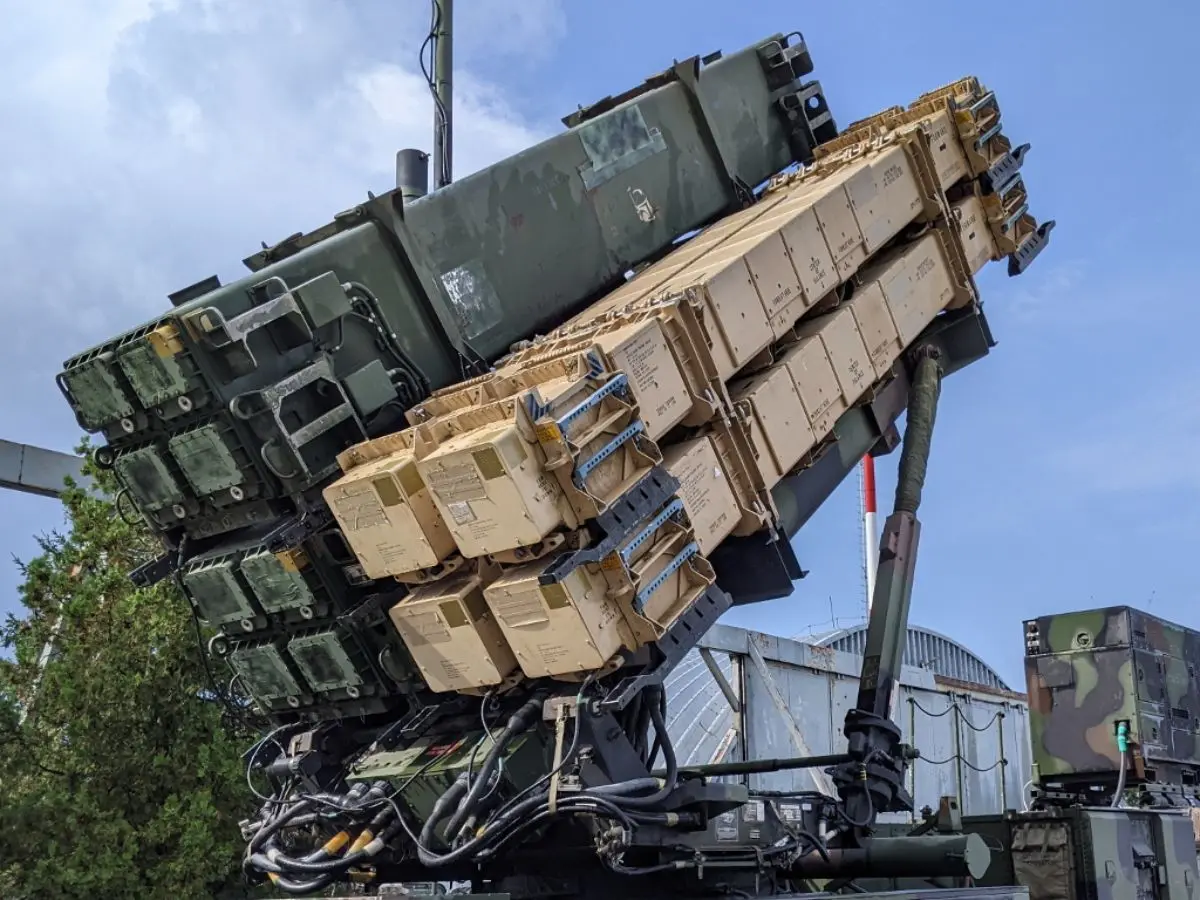
Fragmentation vs Heavy Explosives
S-400 interceptors carry directional fragmentation warheads designed to explode violently near a target, shredding the aircraft with a massive cloud of high-velocity shrapnel. Cruise missiles carry dense, high-explosive payloads weighing up to 1,000 kilogrammes to completely obliterate concrete bunkers and infrastructure.
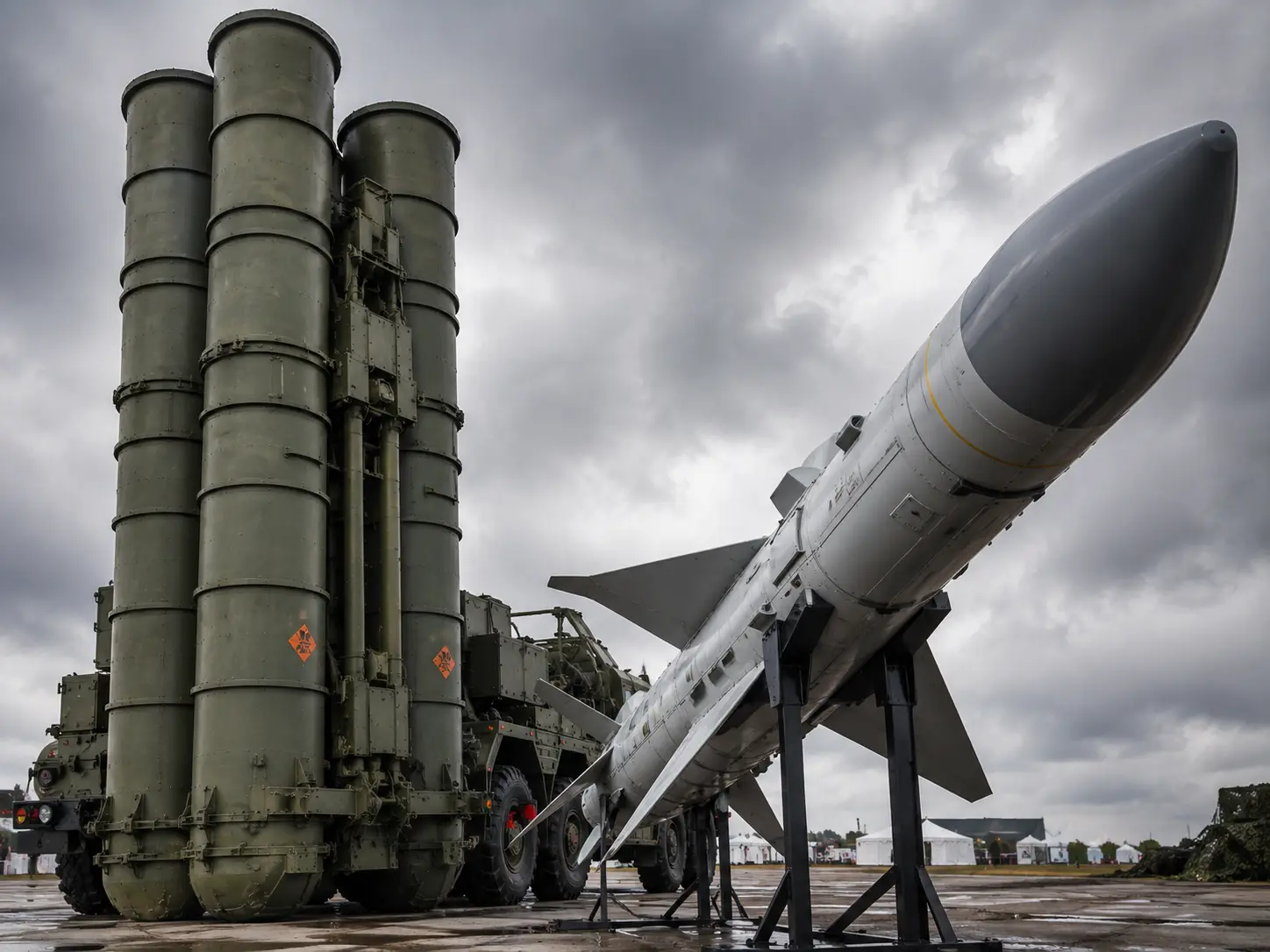
The Ultimate Predator
Ultimately, these two distinct technologies are designed to fight one another in modern combat. The S-400's primary tactical role is to rapidly detect, track, and obliterate incoming cruise missiles before they can successfully deliver their devastating payloads.
)
)
)
)
)