World Sleep Day 2024: The importance of sleep equity for better health

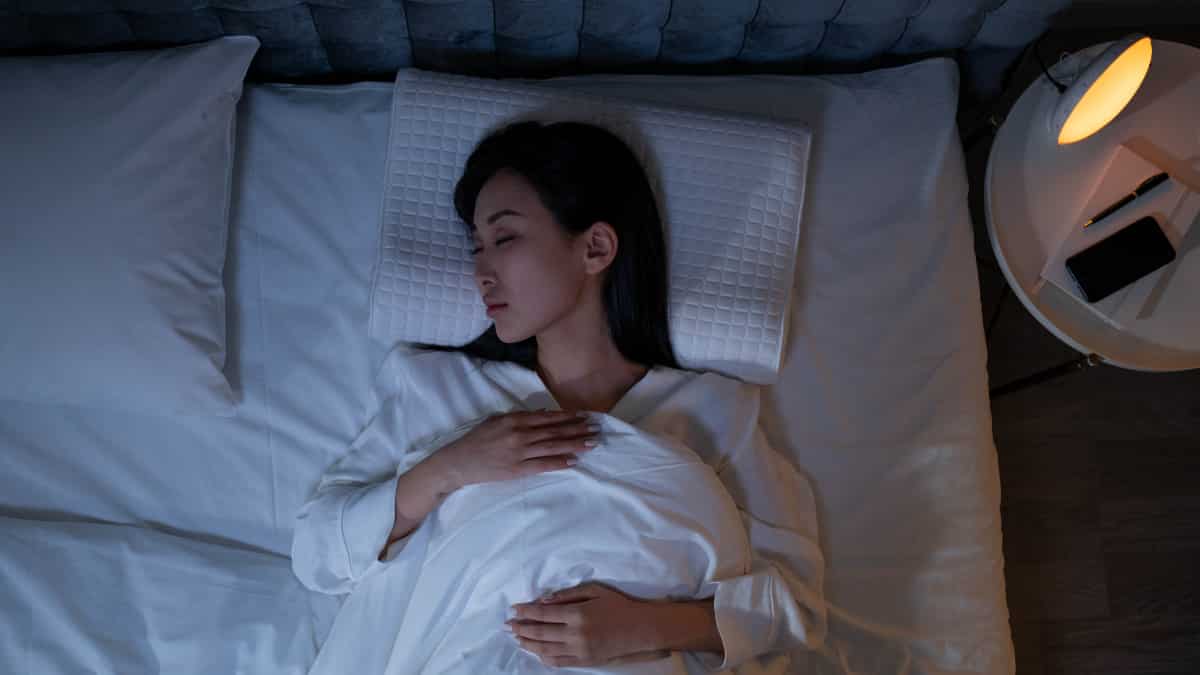
Air pollution may worsen obstructive sleep apnea (OSA), according to a study.
Sleep equity refers to the fair distribution of opportunities and resources that enable individuals to obtain adequate and high-quality sleep. It encompasses various factors, including access to safe and comfortable sleeping environments, sufficient time for rest, education about sleep hygiene and disorders, and support for addressing sleep-related issues.
Sleep issues are a pervasive challenge worldwide, affecting individuals of all ages, backgrounds, and walks of life. From insomnia and sleep apnea to societal pressures and modern lifestyle habits, various factors contribute to disrupted sleep patterns and diminished sleep quality. However, by understanding the root causes of these issues and implementing effective strategies, we can work towards overcoming them and fostering a world where restful sleep is accessible to all.
World Sleep Day was initiated by the World Association of Sleep Medicine (WASM) in 2008. It aims to raise awareness about sleep disorders and the importance of good sleep for good health.

One of the primary contributors to sleep issues is the prevalence of stress and anxiety in modern society. Pressures from work, relationships, and personal responsibilities can lead to heightened levels of stress, making it difficult for individuals to unwind and achieve restful sleep. To address this, it's essential to prioritise stress management techniques such as mindfulness, meditation, and relaxation exercises. Creating a bedtime routine that includes calming activities can signal to the body that it's time to wind down, promoting better sleep quality.
Another significant factor contributing to sleep issues is the widespread use of electronic devices, particularly before bedtime. The blue light emitted by screens can disrupt the body's natural sleep-wake cycle, making it harder to fall asleep and stay asleep. To mitigate this, individuals should establish a "digital curfew" and limit screen time in the hour leading up to bedtime. Additionally, implementing technology-free zones in the bedroom can help create a conducive environment for sleep.
&imwidth=180&imheight=135&format=webp&quality=medium)
France protests: How a Gen Z school movement turned into a political war | The Verdict
&imwidth=180&imheight=135&format=webp&quality=medium)
Nana Patekar's #MeToo controversy: From Tanushree Dutta’s allegations to court ruling
&imwidth=180&imheight=135&format=webp&quality=medium)
Shia LaBeouf and Mia Goth head for divorce after nearly 10 years
&imwidth=180&imheight=135&format=webp&quality=medium)
Captain Smit Machchhar on feet again, walks 10 steps as recovery continues after Flydubai flight attack
&imwidth=180&imheight=135&format=webp&quality=medium)
Mall of America attack: FBI arrests man over alleged ISIS-inspired mass shooting plot with AK-47 and 200 rounds
&imwidth=180&imheight=135&format=webp&quality=medium)
Isaias becomes a hurricane within 20 hours of forming, could spawn tornadoes
&imwidth=180&imheight=135&format=webp&quality=medium)
Texas man executed by lethal injection; first US execution since botched Christa Pike execution
&im=FitAndFill=(700,400)&imwidth=180&imheight=135&format=webp&quality=medium)
World’s top vehicle producers: Top 10 countries making the most cars. Check where India stands
&imwidth=180&imheight=135&format=webp&quality=medium)
Poland: 19-year-old stabs several at Polish vocational school
&imwidth=180&imheight=135&format=webp&quality=medium)
Trump distances himself from senior political advisers over work for pro-Russian government
&im=FitAndFill=(700,400)&imwidth=180&imheight=135&format=webp&quality=medium)
US midterms 2026: 10 leaders and candidates to watch in the battle for Congress
&imwidth=180&imheight=135&format=webp&quality=medium)
US readying to strike Iran? Report suggests Trump preparing to put on show of strength ahead of US midterms
&imwidth=180&imheight=135&format=webp&quality=medium)
Musk alleges ‘oligarchs’ blocking Starlink in India, here is what we know so far
&imwidth=180&imheight=135&format=webp&quality=medium)
Nana Patekar: Remembering a legend of the Indian cinema
&imwidth=180&imheight=135&format=webp&quality=medium)
'They came in, they hit us': New videos show Iranian attacks on US Camp Buehring in Kuwait | Watch
&imwidth=180&imheight=135&format=webp&quality=medium)
'We don't think so': Trump says Russian plague lab worker's death not linked to bio-weapon
&imwidth=180&imheight=135&format=webp&quality=medium)
Narendra Modi Stadium bomb threat declared hoax; India & Australia U19 squads safe
&imwidth=180&imheight=135&format=webp&quality=medium)
France holds talks with Taliban government amid diplomatic outreach
&imwidth=180&imheight=135&format=webp&quality=medium)
‘Team first and team ahead’: India coach Gambhir pens heartfelt wish for chief selector Ajit Agarkar
&imwidth=180&imheight=135&format=webp&quality=medium)
Veteran actor Nana Patekar dies at 75 after suffering cardiac arrest
&imwidth=180&imheight=135&format=webp&quality=medium)
Ronaldo sends 'a hug' after Messi says he misses 'wearing the blue and white'
&imwidth=180&imheight=135&format=webp&quality=medium)
Lightning strikes IndiGo Patna-Lucknow flight at 17,000 feet, damages nose; all 110 safe
&imwidth=180&imheight=135&format=webp&quality=medium)
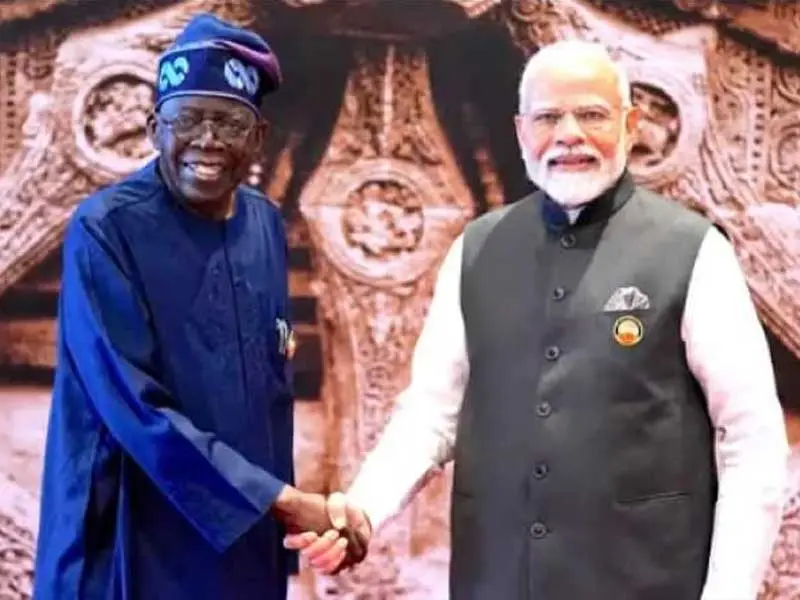
Nigerian President Bola Ahmed Tinubu hails Modi’s 25-year leadership milestone, calls for deeper Nigeria-India strategic ties
&imwidth=180&imheight=135&format=webp&quality=medium)
US midterms 2026: Why the Latino vote could shape control of Congress
&imwidth=180&imheight=135&format=webp&quality=medium)
BTS agency HYBE announces first-ever Weverse Con Festival in India
&imwidth=180&imheight=135&format=webp&quality=medium)
Trump to honour Elon Musk, Sergey Brin and Jensen Huang with top science honour at White House. Check the full list here
&imwidth=180&imheight=135&format=webp&quality=medium)
Thai Actors Fourth Nattawat, Gemini Norawit face racism accusations from Indian fans over viral Bollywood act
&imwidth=180&imheight=135&format=webp&quality=medium)
Nicolas Maduro, wife likely to face new charges over alleged torture of US citizens: Report
&imwidth=180&imheight=135&format=webp&quality=medium)
Trump's naked 23-karat gold statue unveiled near European Parliament
&imwidth=180&imheight=135&format=webp&quality=medium)
A Love Other Than Yours: The temptation to cheat and what pushes people over the edge
&imwidth=180&imheight=135&format=webp&quality=medium)
Sri Lankan Tamil worker gets death sentence in Saudi Arabia over blasphemy, calls for pardon intensify
&imwidth=180&imheight=135&format=webp&quality=medium)
US Midterms 2026: Barack Obama hits campaign trail to boost Democratic candidates
&imwidth=180&imheight=135&format=webp&quality=medium)
'Baseless and misconceived': India issues statement after Elon Musk's 'oligarchs' claim over Starlink delay
&imwidth=180&imheight=135&format=webp&quality=medium)
Christa Pike 'angry' and 'confused' after failed execution; judge orders to preserve evidence
&imwidth=180&imheight=135&format=webp&quality=medium)
Christa Pike wakes after failed execution, asks 'Where am I and who are you?'
&imwidth=180&imheight=135&format=webp&quality=medium)
IndiGo flight struck by lightning at 17,000 feet, nose of Patna-Lucknow flight damaged
Moreover, environmental factors such as noise pollution, uncomfortable sleeping conditions, and irregular sleep schedules can also contribute to sleep disturbances. Addressing these issues may involve investing in soundproofing measures, optimising bedroom temperature and lighting, and establishing consistent sleep routines.
Additionally, advocating for policies that prioritise sleep-friendly urban planning and workplace accommodations can help create environments that support healthy sleep habits.
Just like financial equity aims for the fair distribution of wealth and resources, sleep equity emphasises the importance of ensuring that all individuals, regardless of their socioeconomic status, geographical location, or other factors, have equal opportunities to attain optimal sleep health. This concept recognises that disparities in sleep quality and duration can contribute to health inequalities and impact overall well-being and productivity. Therefore, efforts to promote sleep equity may involve advocating for policies and initiatives that address underlying factors such as work schedules, living conditions, healthcare access, and societal attitudes towards sleep.
(With inputs from agencies)

