LinkedIn scams are getting more dangerous with big companies being targeted- Here are some safety tips

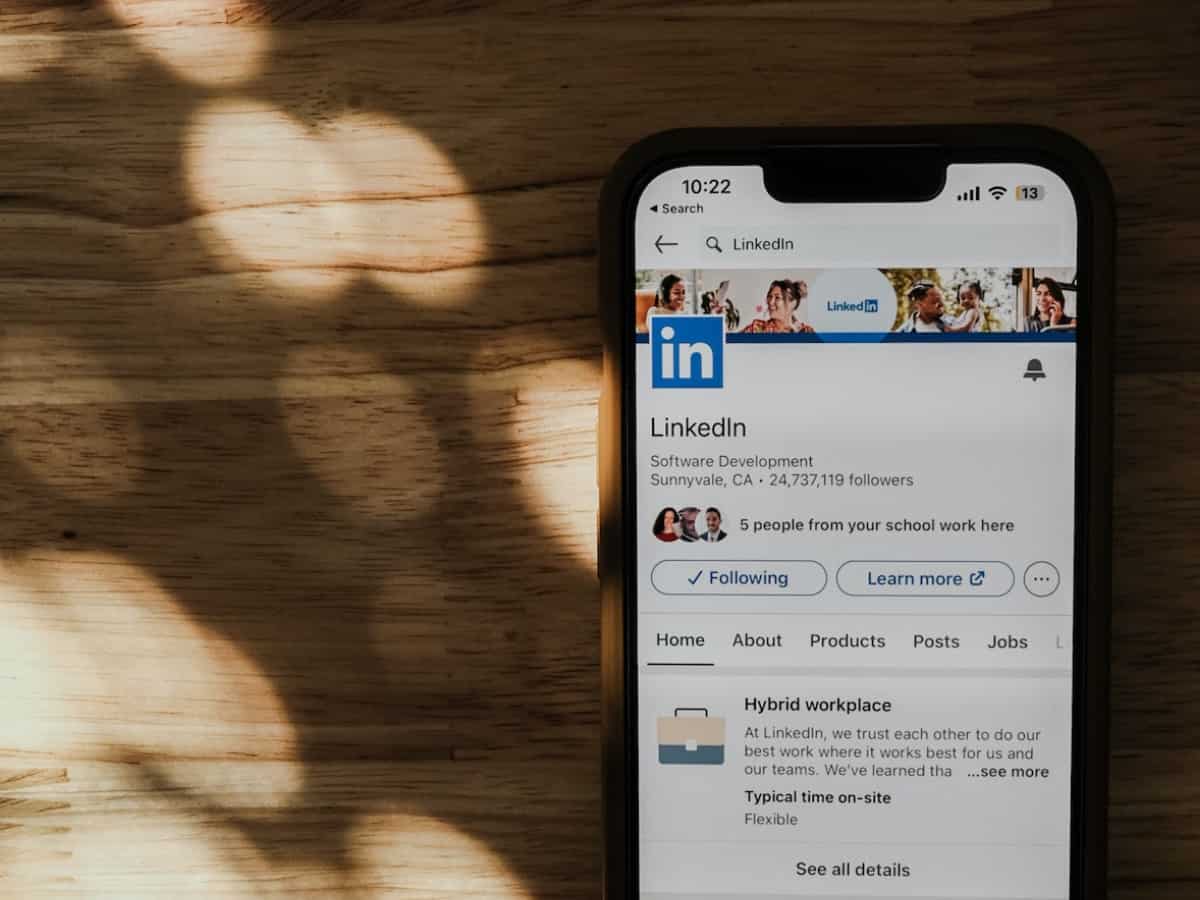
Growing scams on LinkedIn
Scams originating on LinkedIn are getting more dangerous and common, research by NordLayer finds. More than half of US-based businesses (52 per cent) have already experienced at least one scam on LinkedIn in 2023, as per the report.
When LinkedIn was launched in 2003, it was a coming-of-age platform for both job-seekers and employers. Within a year of its launch, its users reached 1 million, and the platform soon became a focal point for emerging small businesses and start-ups.
In recent times, the platform has become more than a professional network service. It is a place for building your social network and sharing anecdotes or chunks of knowledge with your connections; for people running personal businesses, it is a place for increasing their digital presence.

Also Read |Why is 'George Soros death' trending on social media?
But with growing possibilities with LinkedIn, scams and online phishing is also booming at an alarming rate. After WhatsApp’s scam calls and fraudulent texts, LinkedIn is now caught under the radar of fraudsters.
Key findings in the report
)
Nations League: Spain sink England at Wembley; Modric shines for Croatia
)
UNSC reform momentum grows: Russia, Portugal, Mauritius push for India's permanent seat bid
)
US court backs Pentagon's decision to exclude Anthropic over Claude AI restrictions
)
'A terrorist country is asking me that question?': Jaishankar hits back at Pakistani journalist at UN; flags attacks on commercial shipping
)
'What kind of confession is this?': Pakistan PM Shehbaz Sharif’s 'terrorists would be roaming New York' remark goes viral, raises alarm online. Watch
)
‘Could kill billions...’: Bill Gates backs calls to slow AI development amid fears of catastrophe
)
‘Attack on Mecca a red line for Pakistan’: Shehbaz Sharif warns Houthis at UN
)
Donald Trump shares image of Xi's arrival in Washington, carries signs of AI
)
Trump-Xi summit wrap: Big pageantry, Iran talks, few major developments and more meetings planned
)
Outrage erupts after 3-year-old is married to 60-year-old man in Pakistan, link to her sister's murder being probed
)
Asian Games 2026: India face Afghanistan in quarterfinal on Sep 28; Pakistan clash with Hong Kong
)
Myanmar training camp case: US national, 6 Ukrainians allowed to meet their families abroad
)
WATCH | As Shehbaz Sharif claims Pakistan’s ‘victory’ during 2025 conflict, Indian diplomat R Srinivas laughs at UN
)
Nigeria Navy moves to boost oil security, tackle crude theft and infrastructure threats
)
'Countries far from conflict are penalised': Jaishankar calls for Gulf peace, seafarer safety at UN
)
LPU students go on rampage, vandalise campus amid widespread protest: What's happening
)
US Supreme Court backs Trump administration's use of SAVE database to check voter citizenship
)
'FIRST LOOK from inside Noah’s Ark': Researchers share video from inside mysterious mound in Turkey
)
OpenAI AI Agents hacked 4 websites before Hugging Face, researchers reveal
)
Gaza's war turned environmental damage into second crisis
)
Russia will achieve Ukraine war aims; Europe doing everything to block peace talks: Lavrov at UN
)
Sri Lankan Tamil migrant worker gets death sentence in Saudi Arabia, help sought from India
)
'He's very much in our plans': Ravindra Jadeja ‘in mix’ for 2027 ODI World Cup, says batting coach
)
‘Serial practitioner of terrorism’: Jaishankar calls out Pakistan’s ‘state-sponsored’ terror at UNGA
)
Delhi gets first late-September rain in 7 years, mercury dips 5.1°C below normal
&im=FitAndFill=(700,400))
New Friday OTT releases (September 25, 2026): Don’t Be Shy, Hunkkaar: The Roar, Mango Pachcha- 6 movies and TV shows on Netflix, Prime Video and more
)
Bigg Boss 20: Salman Khan schools Rhiti Tiwari over Qazi Touqeer clash, compares her to Dolly Bindra
)
Bollywood x K-pop crossover! LE SSERAFIM’s Kazuha charms fans with Shah Rukh Khan’s ‘Chammak Challo’ steps
)
‘Anti-social elements spreading false rumours’: LPU issues statement amid massive unrest over alleged rape
)
US-Iran war: Trump rejects Iran's Hormuz proposal, reports suggest talks expected next week
)
Jaishankar at UNGA: Goodwill and friendship can't coexist with terrorism
)
Ceuta migrant crisis: Protesters take to streets as Spain grapples with migrant challenge
)
Pentagon quietly adds 37 wounded troops to Iran war tally without explaining when or how
The report states that big businesses seem to be the most popular targets, almost two-thirds (65 per cent) of big US companies have experienced at least one attack this year. However, the smaller businesses are also not spared- 58 per cent of medium and 31 per cent of small companies suffered at least one attack this year.
Most common type of scam on LinkedIn
These businesses aren’t just victims because they are being targeted; their brand name also gets used in attacks which tarnish their image.
Also Read |Research unmasks shocking toll social isolation has on human body
One of the most prevalent types of attacks among big companies includes impersonating people working in other big companies. About 53 per cent of scams are based on this type of scam, and it is somewhat unique for big brands, as only 13 per cent of small companies experienced such scams.
Most common way to combat the online scam
The report found that businesses and people who have been victims of these scams have three common ways of addressing it:
-69 per cent of the victims contact LinkedIn’s customer support
-66 per cent of the victims directly contact their company’s IT and cyber security department
-45 per cent of the victims would often talk about it on the network itself
Also Read |Kids using smartphones may face some serious mental health issues as adults, reveals study
But what is the best way to address these threats? As per Carlos Salas, a cyber security expert at NordLayer, the best way to protect your business from these scams is to educate the company’s employees about the types of scams that exist and how to recognise them.
Also, encourage your employees to use two-factor authentication (2FA) on their LinkedIn accounts as well as verify requests for information,” Salas added further.
How to turn on two-step verification on LinkedIn?
1. Tap on your profile picture > Settings > Account > Two-step verification
2. Tap the toggle to turn two-step verification on or off.
3. Choose the preferred verification method from the dropdown and click Continue.
Other common scams on LinkedIn
1. Catfishing
Scammers impersonate people online to trick others into revealing private information or handing over their hard-earned money.
2. Phishing
Phishing is an attempt to get targets to hand over their personal information through deception.
For example, a scammer may tell you they are a recruiter from a top company and find your profile promising and urge you to apply. However, instead of directing you to the actual company site, they send you to a fake site that prompts you to hand over information.
3. Fake job offer
This is also one of the most common scams on LinkedIn where people are roped in for fake fancy job offers. Fraudsters offer you a job or trick you into providing a service and then ghost the user once they receive it without paying for it.
4. Malicious software
When receiving any message from a stranger, be wary of any files they may convince you to download. Sometimes these Word documents, PDFs, or website links have malicious software in them that can leak your personal data to the scammer.
WATCH WION LIVE HERE
You can now write for wionews.com and be a part of the community. Share your stories and opinions with us here.