Research unmasks shocking toll social isolation has on human body


social isolation
It has long been said that Humans are 'social animals,' we thrive on being around people. We all know isolation can be emotionally taxing, which is why it has long been used as a form of punishment in jails. But can social isolation affect you mentally and impact your energy levels? New research shows that isolation affects your energy levels the same way as going without food does.
Researchers from the University of Vienna found that socially isolating for a period of eight hours has detrimental effects on a person. This long without company, a person's body experiences a fall in energy levels equivalent to the decrease that comes with starving for eight hours.
The research suggests that social isolation during the COVID-19 pandemic may have had an unexpected energy toll on people.

Based on research carried out both in a laboratory setting and during the COVID-19 quarantine periods, the study suggests that social personality traits may also influence the individual's reaction to social isolation.
As per SciTechDaily, just as prolonged periods without food can lead to hunger, a lack of social interaction can lead to a craving response in the brain, driving us to seek social connections again.
&imwidth=180&imheight=135&format=webp&quality=medium)
Pakistan to head IMF, World Bank boards after 74 years amid persistent economic crisis
&imwidth=180&imheight=135&format=webp&quality=medium)
'We are not sitting in ivory towers, we are aware': SC issues notice to Rahul Gandhi, Akhilesh Yadav
&imwidth=180&imheight=135&format=webp&quality=medium)
‘I have very severe problems’: Trump fuels health speculation during address to firefighters
&imwidth=180&imheight=135&format=webp&quality=medium)
SC panel launches portal to submit evidence of July Jantar Mantar violence
&imwidth=180&imheight=135&format=webp&quality=medium)
Trump invokes national interest to waive new Russia sanctions, tariffs; India gets relief from 100% tariff threat
&imwidth=180&imheight=135&format=webp&quality=medium)
Lizard people? Ex-US Army sniper claims soldier killed by 'reptilian beings' in battle near Area 51
&imwidth=180&imheight=135&format=webp&quality=medium)
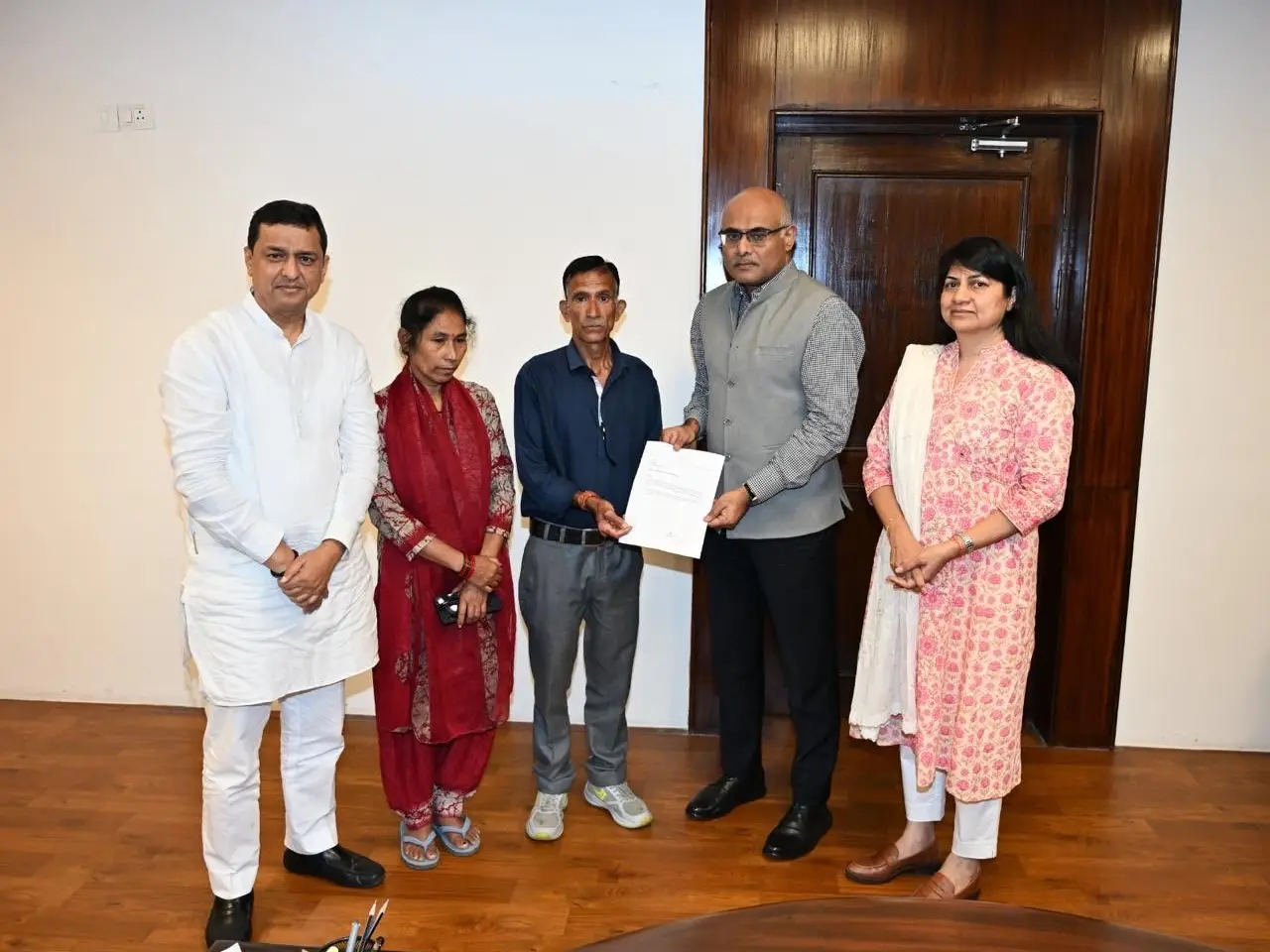
Ankita Bhandari murder case: Parents meet CBI, seek impartial investigation
&imwidth=180&imheight=135&format=webp&quality=medium)
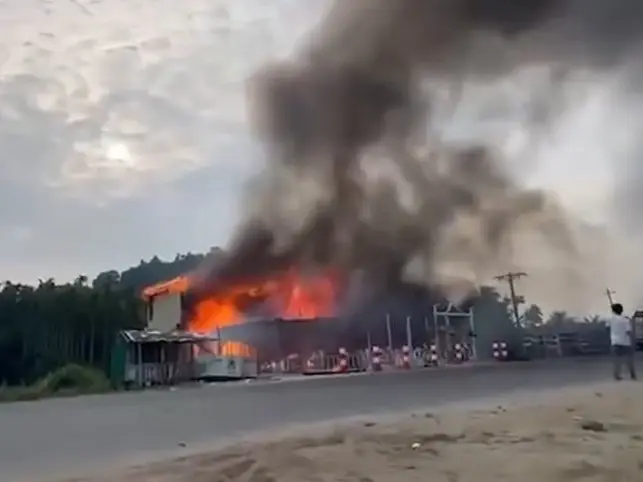
Bangladesh resort fire kills 10 tourists, including a 5-year-old child
&imwidth=180&imheight=135&format=webp&quality=medium)
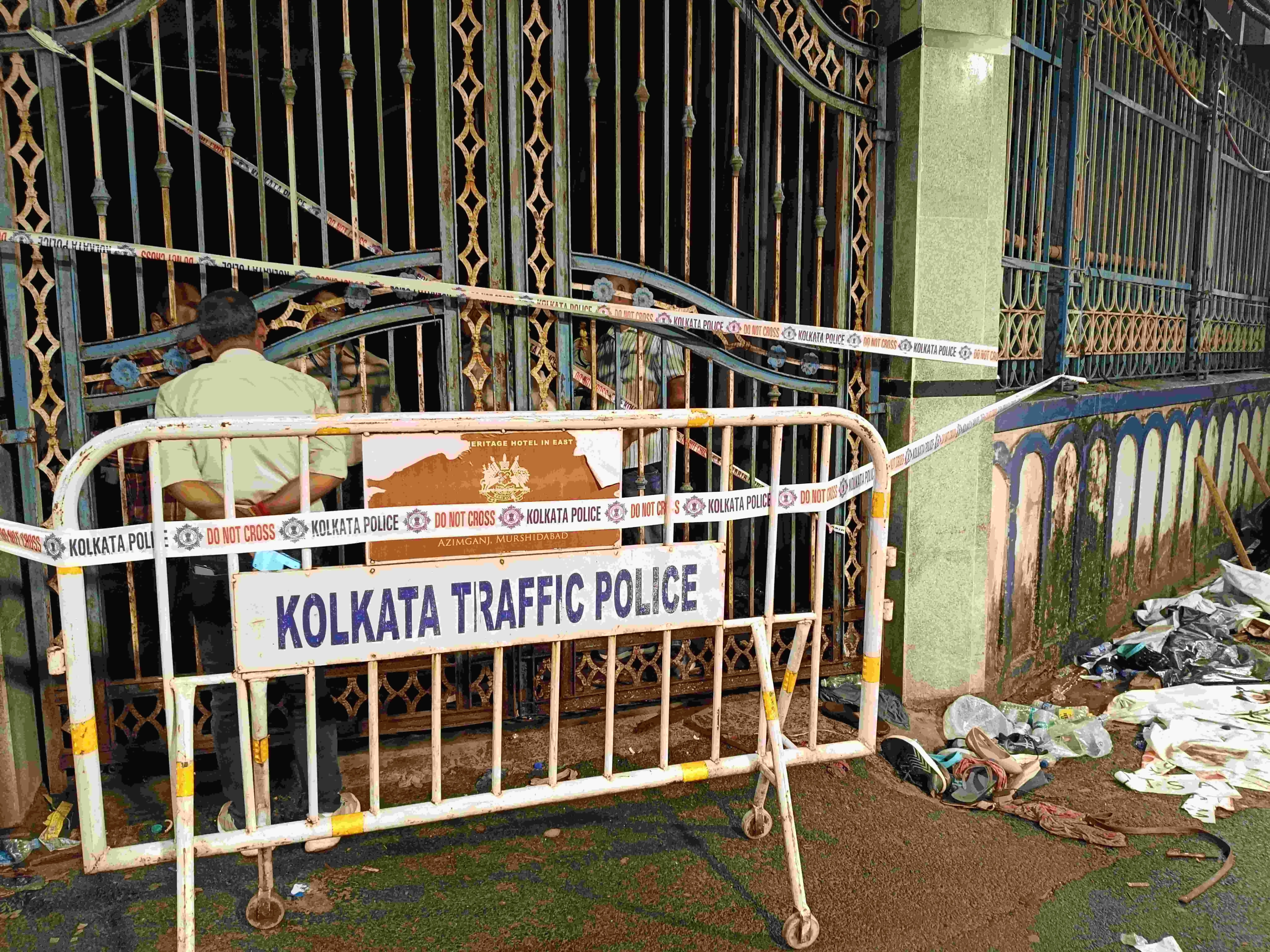
At least 19 killed in stampede-like situation after part of Kolkata Durga Puja pandal collapses
&imwidth=180&imheight=135&format=webp&quality=medium)
IMF chief warns inflation hurts poor countries, AI optimism risks market correction
&imwidth=180&imheight=135&format=webp&quality=medium)
Iranian woman, 23, handed death sentence for ‘blasphemy’ in social media post; appeals for help
&imwidth=180&imheight=135&format=webp&quality=medium)
'Reason UN has lost credibility': Amid SIR protests India hits out at report alleging 'youth repression'
&imwidth=180&imheight=135&format=webp&quality=medium)
Rain washes out 5th T20I as India-West Indies share honours 2-2
&imwidth=180&imheight=135&format=webp&quality=medium)
Abhijeet Dipke released after fresh arrest, signs peace bond for second time
&imwidth=180&imheight=135&format=webp&quality=medium)
‘My president, I mean my husband’: Trump's new press secretary Katie Zacharia's first briefing goes off the rails in 14 minutes
&imwidth=180&imheight=135&format=webp&quality=medium)
China responds to Trump's Press Secretary Katie Zacharia after toilet remark: 'Visit China more often'
&imwidth=180&imheight=135&format=webp&quality=medium)
COVID-19 pandemic led to increase in divorce cases, observes Madras High Court
&imwidth=180&imheight=135&format=webp&quality=medium)
At least 400 arrested as protests turn violent in France; PM blames far left
&imwidth=180&imheight=135&format=webp&quality=medium)
2026 midterms, 2028 ambitions: Five politicians in focus
&imwidth=180&imheight=135&format=webp&quality=medium)
Israel examines Russia's Shahed-type drones sent by Ukraine to combat Iran | Gravitas
&imwidth=180&imheight=135&format=webp&quality=medium)
WATCH | iPhones, luxury perfumes floating in Hormuz? Iranian fishermen make bizarre discovery
&imwidth=180&imheight=135&format=webp&quality=medium)
China’s ‘dark tourism’ boom: Why are young travelers paying to experience simulated disasters?
&imwidth=180&imheight=135&format=webp&quality=medium)
WATCH | Zelensky gives cheeky response when asked if Trump is making him a scapegoat ahead of US midterms
&im=FitAndFill=(700,400)&imwidth=180&imheight=135&format=webp&quality=medium)
Durga Puja 2026: Kajol, Jaya Bachchan, Mouni Roy and other celebs bring festive glam to pandals
&imwidth=180&imheight=135&format=webp&quality=medium)
US business activity grows in June, but tariffs and inflation cloud outlook
&imwidth=180&imheight=135&format=webp&quality=medium)
No Ravindra Jadeja, Yashasvi Jaiswal in India’s 2027 ODI World Cup plans: Report
&imwidth=180&imheight=135&format=webp&quality=medium)
Kolkata Durga Puja stampede: PM Modi announces Rs 2 lakh ex-gratia for kin of dead, Amit Shah to visit injured
&im=FitAndFill=(700,400)&imwidth=180&imheight=135&format=webp&quality=medium)
Inside Tesla's Roadster: 10 features of Elon Musk's 'flying car' that push the limits of electric vehicles | In Pics
&imwidth=180&imheight=135&format=webp&quality=medium)
Anirudh Ravichander-Kavya Maran wedding: Telangana CM reveals Chennai reception date
&im=FitAndFill=(700,400)&imwidth=180&imheight=135&format=webp&quality=medium)
New Friday OTT releases (October 16, 2026): DC, Sacrifice, Aasha- 6 new movies and TV shows coming on Netflix, Zee 5, Prime Video and more
&imwidth=180&imheight=135&format=webp&quality=medium)
One species, two lineages: Why Sri Lanka’s spectacled cobra differs genetically from Indian variant
&imwidth=180&imheight=135&format=webp&quality=medium)
Oil tanker carrying over 2M barrels of crude hits mine in Strait of Hormuz, catches fire, says Iran
&imwidth=180&imheight=135&format=webp&quality=medium)
France protests: 'Block everything' movement escalates as public fury over austerity grows; over 200 arrested. Here's all you to need to know
&imwidth=180&imheight=135&format=webp&quality=medium)
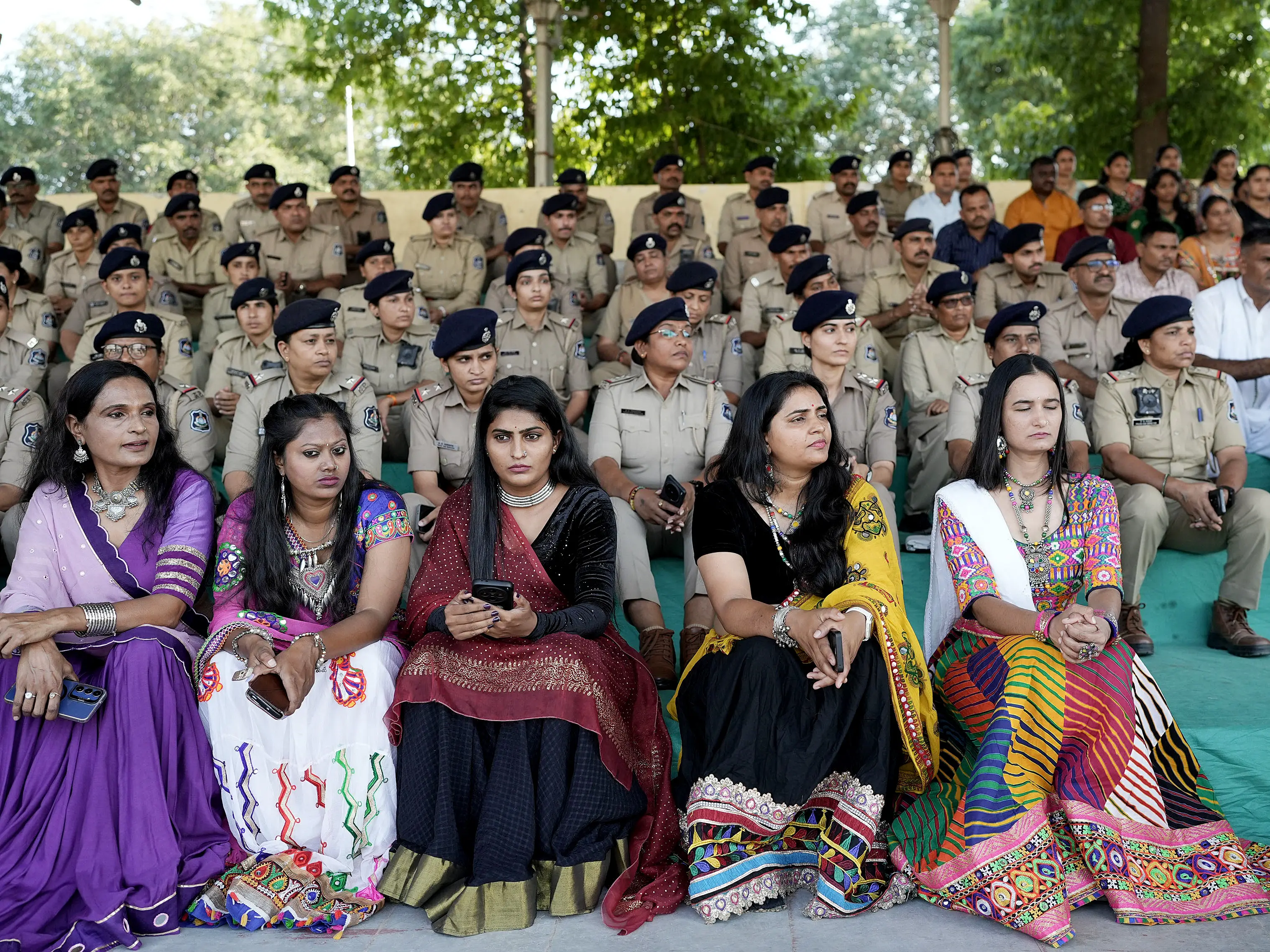
'We feel like Mr India': Gujarat’s undercover SHE team guard garba nights at Navratri

US ends automatic work permit extensions; Indian workers lose 540-day safety net: What it means
&imwidth=180&imheight=135&format=webp&quality=medium)
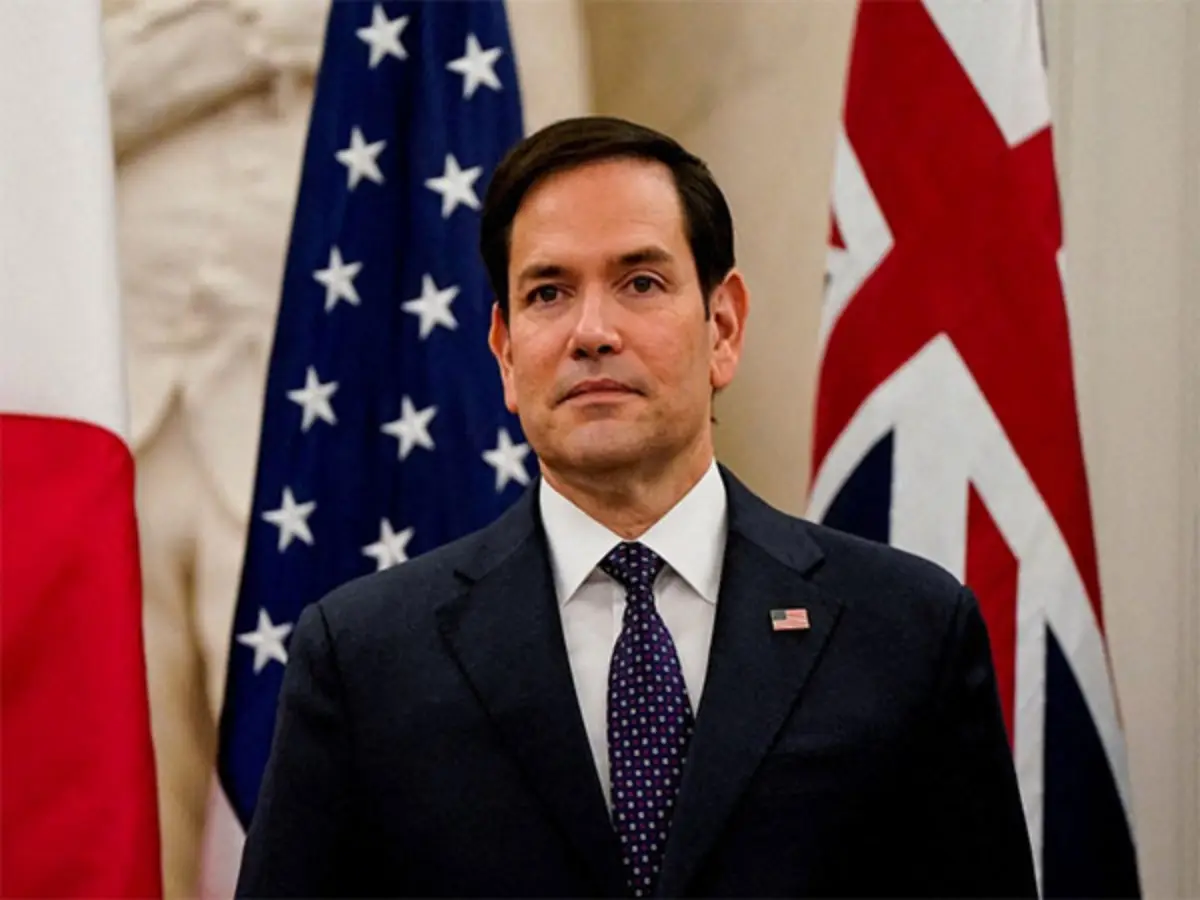
US lawmaker Pramila Jaypal writes to Rubio, urges to raise handling of CJP protest with India
This is supported by the "social homeostasis" theory, which proposes that there is a homeostatic system in place to independently regulate our need for social interaction.
Although our understanding of the psychological reactions to social isolation remains limited, the study’s authors propose that lowered energy may be part of our homeostatic response to a lack of social contact and a potential precursor of the more detrimental effects of long-term social isolation.
The study involved 30 female volunteers who, on three separate days, spent eight hours in isolation without social contact, without food, or with both social contact and food. They reported their stress, mood, and fatigue levels multiple times throughout the day, while physiological stress responses such as heart rate and cortisol were recorded by the scientists.
Also read |Wegovy, other weight loss drugs not ‘silver bullets’, says WHO amid obesity guidelines review
The results were compared with measurements from a study conducted during the lockdown in Austria and Italy in the spring of 2020.
Data from 87 participants who had spent at least an eight-hour period in isolation were used, and their stress and behavioural effects were assessed several times a day for seven days.
The results of the laboratory study led by Giorgia Silani from the University of Vienna showed similarities between social isolation and food deprivation, with both inducing lowered energy and heightened fatigue.
"In the lab study, we found striking similarities between social isolation and food deprivation. Both states induced lowered energy and heightened fatigue, which is surprising given that food deprivation literally makes us lose energy, while social isolation would not", said first authors Ana Stijovic and Paul Forbes.
The authors propose that lowered energy may be a part of our homeostatic response to a lack of social contact and a potential precursor of some more detrimental effects of long-term social isolation.
"It is well-known that long-term loneliness and fatigue are related, but we know little about the immediate mechanisms that underlie this link. The fact that we see this effect even after a short period of social isolation suggests that low energy could be a 'social homeostatic' adaptive response, which in the long run can become maladaptive,"explains Silani.
(With inputs from agencies)
WATCH WION LIVE HERE
You can now write for wionews.com and be a part of the community. Share your stories and opinions with us here.

