&imwidth=800&imheight=600&format=webp&quality=medium "Jurassic lesson in survival: 180-million-year-old sea predator with 100 teeth gobbled stones to stay alive")
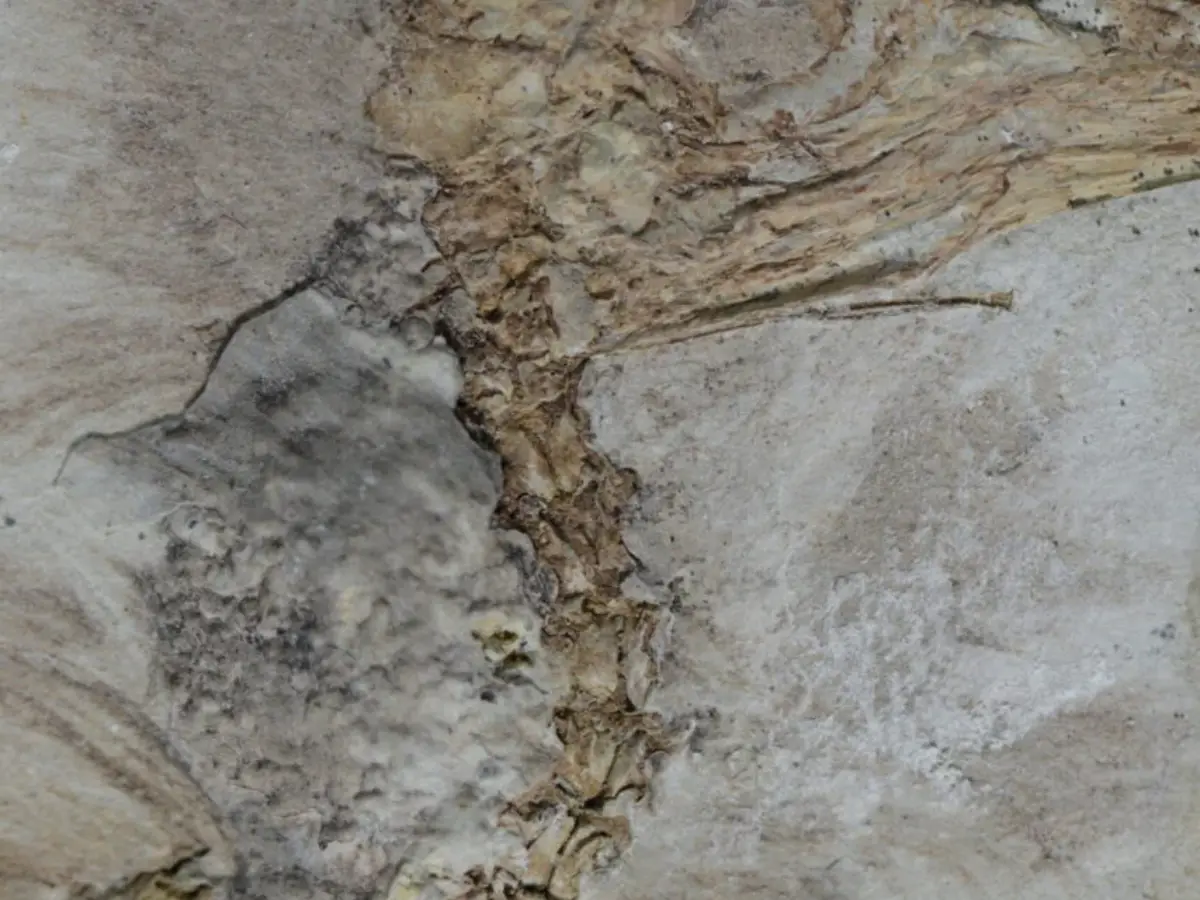
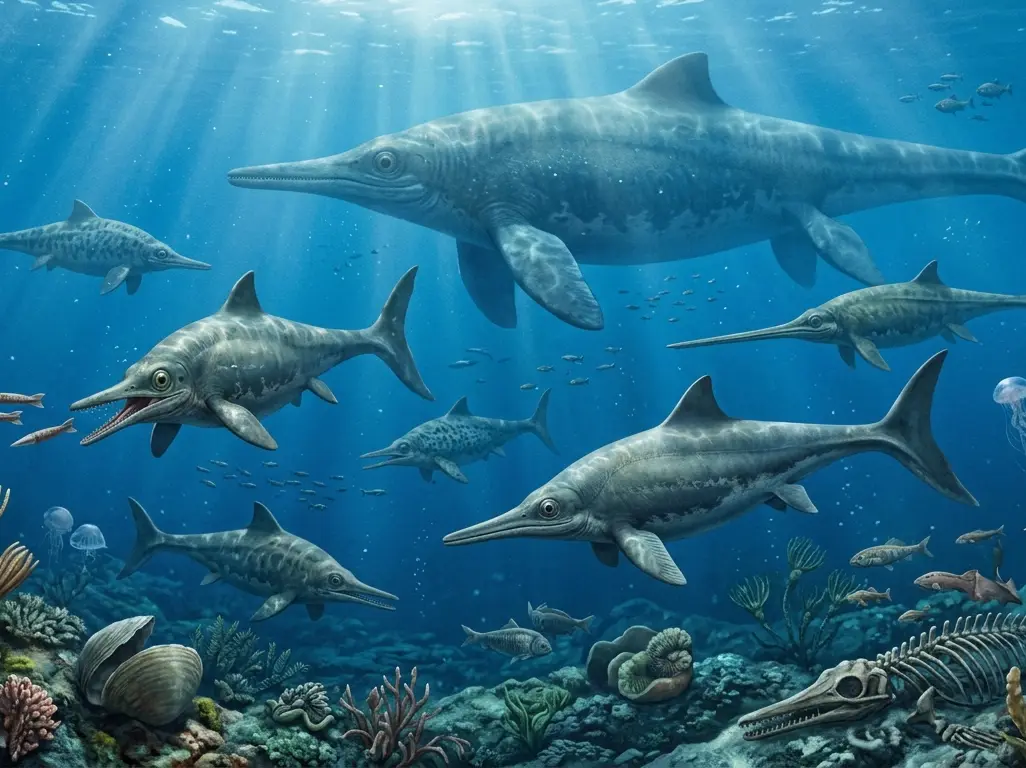
Scientists have made a startling discovery in Germany, an almost perfectly preserved fossil of a sea monster that lived 180-million years ago. Known as Temnodontosaurus, this giant marine reptile survived against all odds, as is evident by what was found inside its stomach. The study published in the Journal Zitteliana states that it is one of the largest ichthyosaurs to roam the ancient seas. It had 100 teeth, proving that it is a predator. However, what shocked researchers the most were gastroliths, or stomach stones, inside its abdomen. The skeleton carries signs of trauma, that it was attacked. The majority of the injuries are present in the shoulder and jaw joint area, which would have inhibited its ability to hunt fast-moving prey. However, the animal developed a mechanism that helped it live despite the heavy toll on its body.
Also Read: Scientists discover 62-foot 'dinosaur-eating' octopus that ruled the seas 100 million years ago
Also Read: 92-foot-long dinosaur from the Late Jurassic period discovered in China
It measures an estimated 21 feet and was extremely fast and precise while hunting its prey. Its mammoth size and features likely made it the ruler of the seas. Along with 100 teeth, scientists found a nearly complete skull, lower jaw, shoulder girdle, and spine. Parts of the palate and eye region were also highly preserved, which allowed the researchers to study this giant predator and its life in ancient times. "Our Temnodontosaurus fossil is one of the youngest finds of this ichthyosaur genus to date,” Ulrike Albert, one of the authors, said. "The discovery from Mistelgau now shows that these large marine reptiles survived longer in the Southwest German basin than previously documented," he added.

The discovery of stones in its abdomen left the scientists stunned. Also known as gastroliths, they are seldom found inside ichthyosaurs. The team of researchers think there is a correlation between the injuries on the body and these stones. The stones seem to be a way for the sea monster to adapt after the injuries changed how it lived. It likely swallowed these rocks, which then worked as internal grinding tools to help the sea dragon break down the food. It also changed its eating pattern, moving from hard-to-capture prey to something it could easily catch and consume. Most of its 100 teeth are heavily worn out, indicating that it struggled to chew its food.
Trending Stories
)
Three labourers killed as DU student loses control of his car, rams into them on Dwarka Expressway
)
Pentagon revives mandatory testosterone testing for male troops aged 30 and above
)
FACT CHECK: Why did PM Modi ask Xi ‘is it okay’ at BRICS Summit? New video reveals...
)
India seeks to build a full semiconductor supply chain
&im=FitAndFill=(700,400))
From Abhishek Sharma to Sahil Chauhan, 5 batters with fastest T20I hundreds
)
Indian activist-lawyer Prashant Bhushan's post brings focus on ‘conflict of interest’ appointments of ex-govt officials at Reliance, Adani groups
)
US And Denmark reach Greenland deal, Trump announces expanded military presence
)
Former India player Diana Edulji wants Smriti Mandhana to replace Harman as skipper at the earliest
)
China may have gained access to US's classified F-35 jets; parts meant for repairs diverted to Hong Kong, sparking Pentagon inquiry
&im=FitAndFill=(700,400))
Meet top 5 batters in the latest ICC T20I Rankings
)
Godfather of AI Geoffrey Hinton gives US lawmakers a one-year warning on AI
)
US F-16 fighter jet crashes in Michigan during training mission, pilot ejects safely
)
Shivakumar attends 79th Kalyana Karnataka Utsav in Kalaburagi
)
Trump signs Russia sanctions law: India faces fresh 100% tariff threat over Russian oil
)
Why Ranveer Singh’s Dhurandhar missed India’s Oscar entry; FFI jury member reveals what happened
)
Hong Kong extends newborn cash support scheme by three years
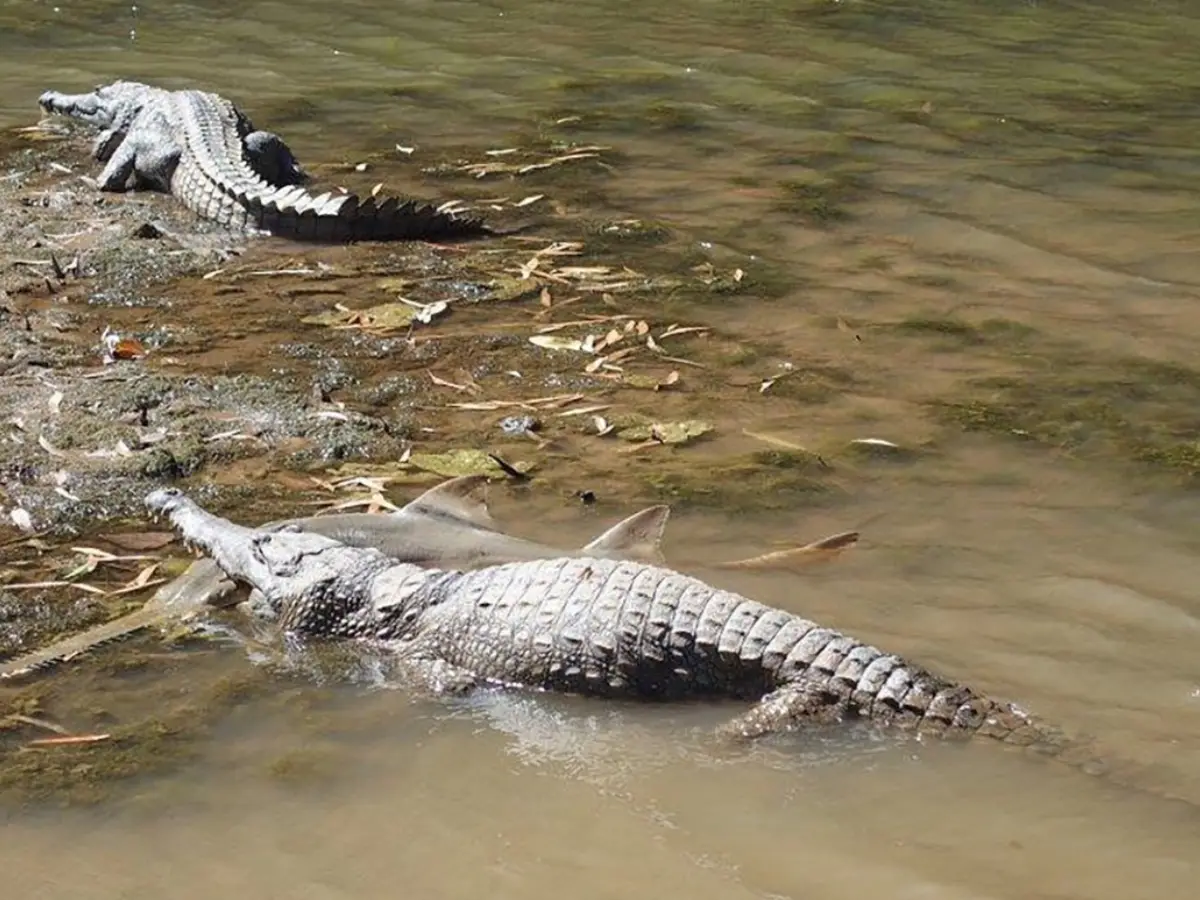)
How did an Australian river with 500 crocodiles pass the Olympic test? Here's how
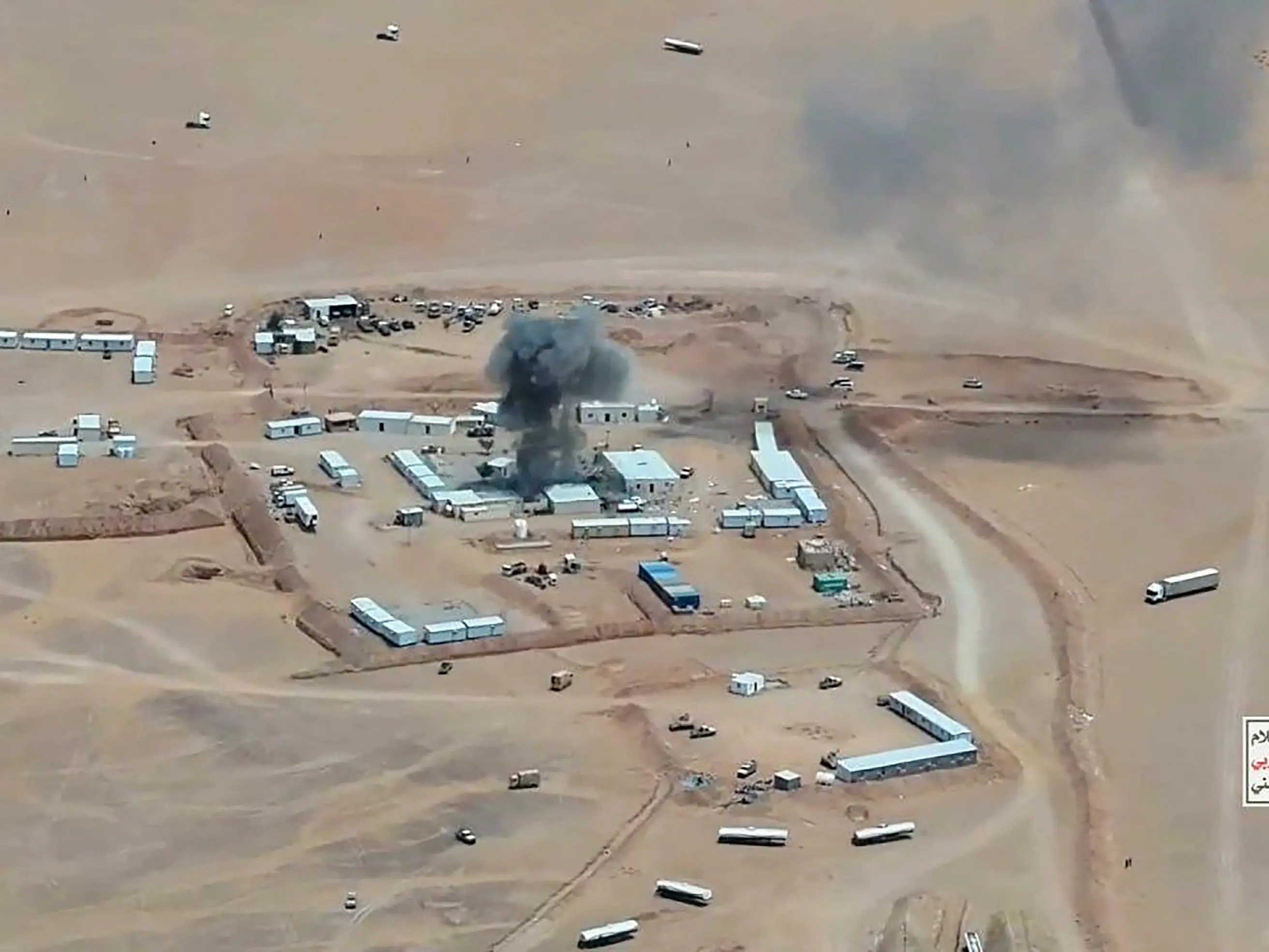)
‘Will go to any extent’: Pakistan vows to defend Saudi Arabia amid Houthi attacks
)
'He will always be ahead': India coach Gambhir says Sooryavanshi won't walk into team ahead of Samson
)
The Verdict | When precision fails: US commits war crime in Minab school strike, UN finds
)
Trump signs Russia sanctions bill into law, targets Moscow’s energy sector
&im=FitAndFill=(700,400))
New Friday OTT releases (September 18, 2026): Lust Stories 3, You+Me, Best of the Best- 8 new titles coming on Netflix, Prime Video and more
)
Fast bowler Brydon Carse faces no charges over Derby nightclub incident
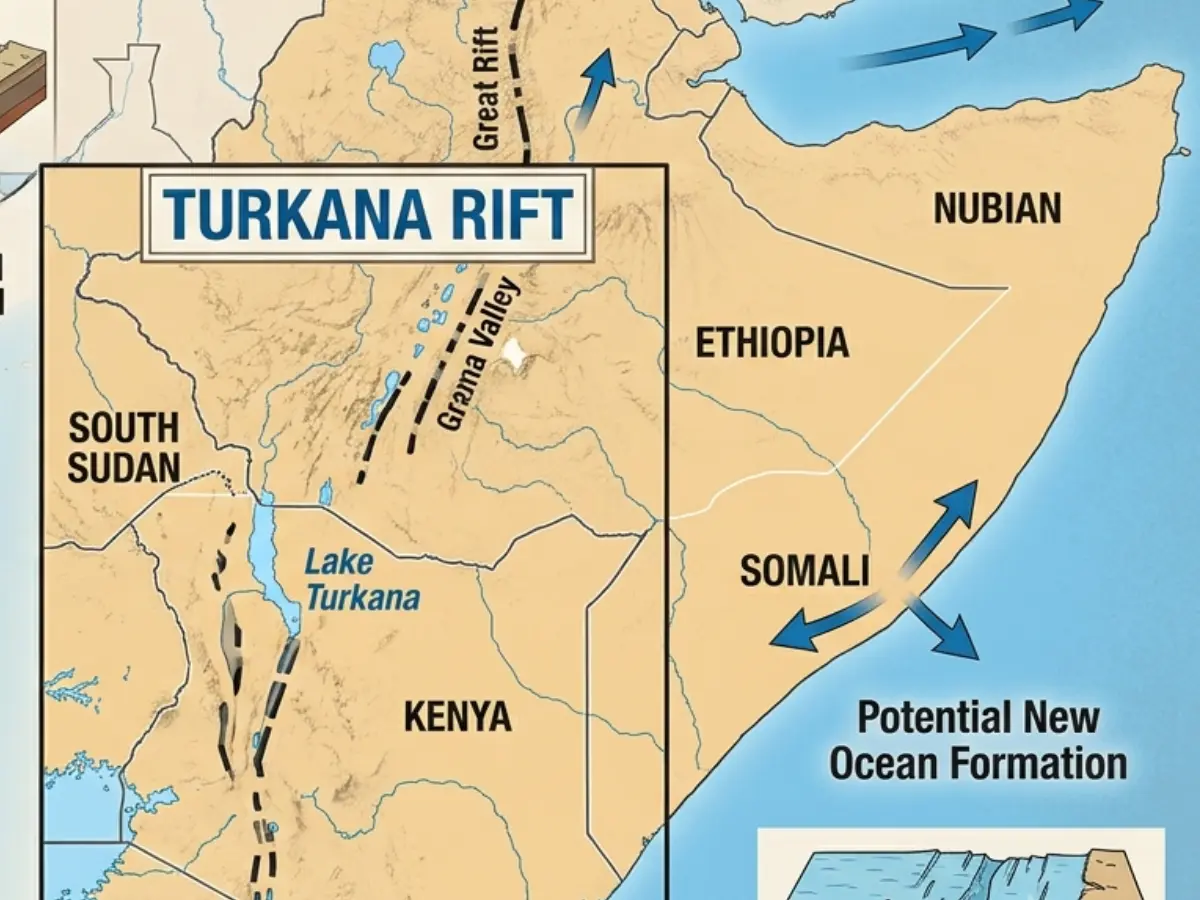)
Africa is splitting, and a lot sooner than estimated, giving way to a new ocean
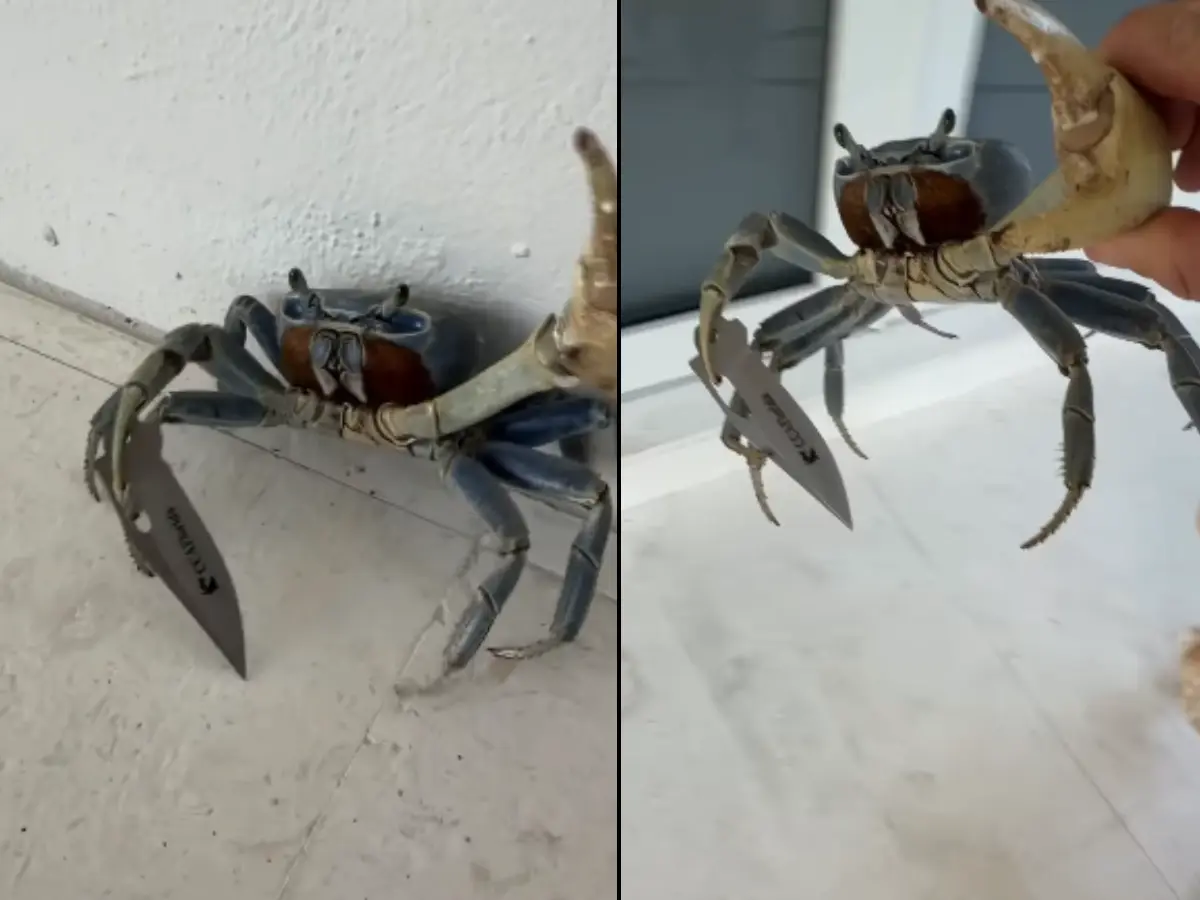)
'Gangsta' crab shoves knife blade at man and his dog in Florida - Watch
)
Trump bans CNN, MS NOW and Politico from White House over ‘FAKE NEWS’
)
Trump 2.0: Dark days ahead for America’s ‘imperial presidency’
)
Trump's Greenland dream comes true? POTUS announces 'Infinite Life' deal with Denmark, claims permanent US control
)
Laura Wolvaardt sets new world record for most WT20I runs in a year
)
Drone strikes cooling tower at Russia's Kursk Nuclear Plant, IAEA confirms
)
Who is Khalilur Rahman? All you need to know about 81st UN General Assembly President
&im=FitAndFill=(700,400))
Meet top 5 bowlers in latest ICC T20I rankings
)
Ukraine plans record $109 bn defence spending, nearly two thirds of budget amid Russia war
&im=FitAndFill=(700,400))
Meet top 5 Indian batters with fastest T20I centuries
Why this discovery matters
“The injuries likely significantly limited the animal’s ability to catch prey. The fact that it nevertheless survived is evidenced, among other things, by its heavily worn teeth and gastroliths, which we were able to identify in the abdominal region,” Stefan Eggmaier, a researcher who was part of the study, said. The study also found that Temnodontosaurus lived longer in the Southwest German basin than previously assumed. This forces scientists to rethink when and why certain species went extinct. But more importantly, this fossil is a "data point" for resilience, and shows how top-tier predators adapted their survival strategies to remain at the top of the food chain for millions of years.