
&imwidth=800&imheight=600&format=webp&quality=medium "Australian teens defy under-16 social media bans by using dog pictures. So, how 'safe' are they?")
Australia on Tuesday (Dec 9) became the world leader in cracking down on social media use by children under-16 with a ban that restricts their use of platforms like Meta's Facebook, X, and TikTok. Now, Tech companies that fail to purge teens from their platforms face a whopping US$33 million fines. However, while hundreds of thousands of teens have reported that they were logged out of their social accounts under the ban, others are bragging that they were still online. How? Some have lied during a platform's age verification process, and in one case, they bypassed the ban by using the picture of a golden retriever dog.
Also read | Australia bans under-16s from social media, but YouTube warns it could make them less safe. Here's how
What? Can a dog picture bypass Australia's social media ban?

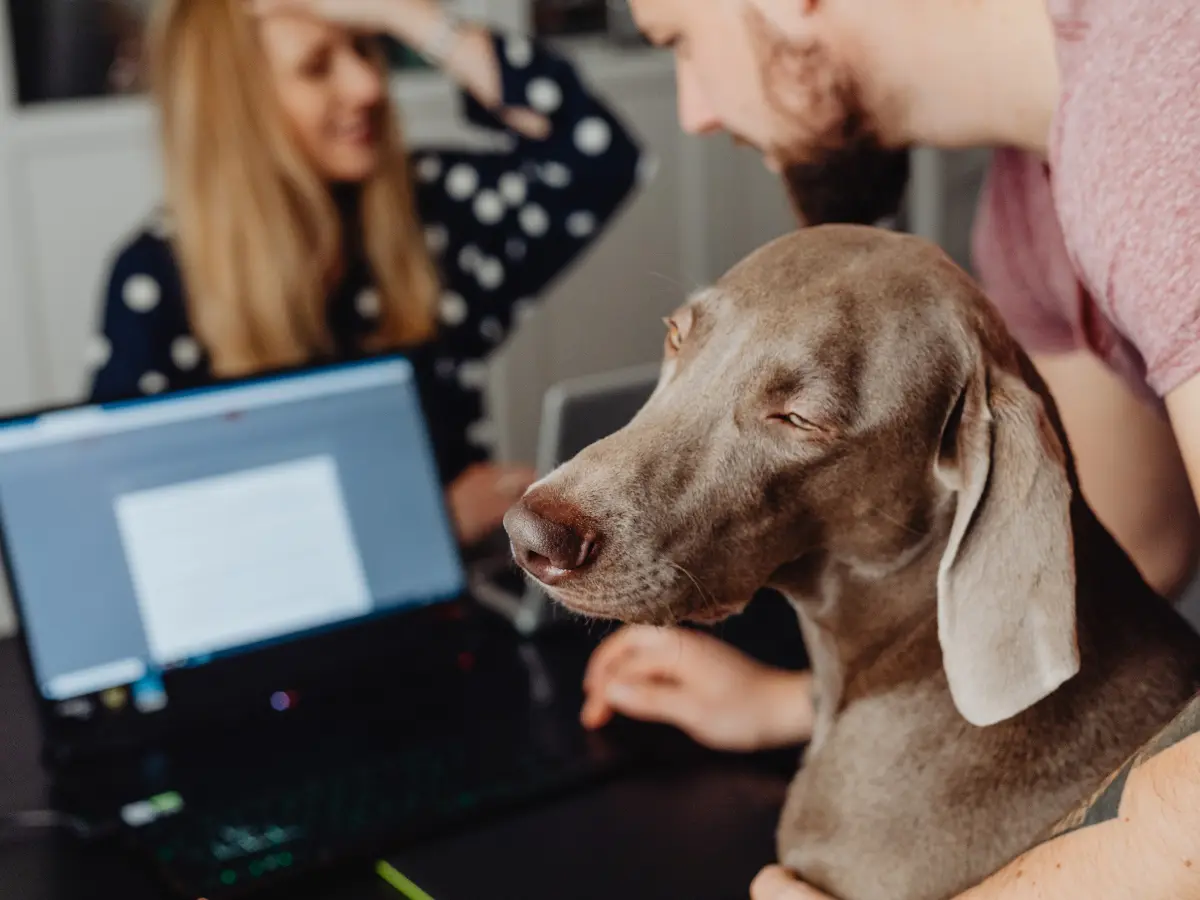
According to a Washington Post report, a group of teenagers in Australia found more than one way to fool the nation's new age-verification system. In one case, they used a photo of a golden retriever dog they found on Google. "It worked," the teen, identified as 16-year-old Mariska Adams, told the publication.
Other ways teens are rebelling against the ban
According to reports, others have taken to hiring adults to help them bypass the age verification, while some have just taken to using their parents' profiles, in many cases with their consent.
Trending Stories
)
China discovers vast gold and silver 'mine' in the Pacific with unheard-of deposits
)
Video of Pakistani lawmaker struggling to read English tribute to Jinnah goes viral - WATCH
)
Russia proposes to build 360 kmph Ivolga FG trains in India: What happened on sidelines of BRICS
)
Plane carrying prominent figure crashes at Libya’s Misrata airport: Report
)
Trump downplays China's alleged 'help' to Iran in strike on Jordan base
)
Photographs, LeT labels vanish from two 2008 Mumbai attack entries in Pakistan’s most wanted list
)
Did India risk its US trade deal despite softer stance at BRICS?
)
Extreme warming in Indian Ocean added 695 billion tons of ice to Antarctica ice sheet
)
Indian Americans, fellow Republicans react sharply to Bo French’s post targeting 'foreigner' students in Texas
)
Baba Vanga's first prophecy for 2027 is out, and straight out of science fiction
)
Women's Asia Cup 2026: India denied trophy once again despite winning the title
)
'Huge destructive power': North Korea calls its latest missile launches 'live-fire drill' even as US dismisses 'immediate threat'
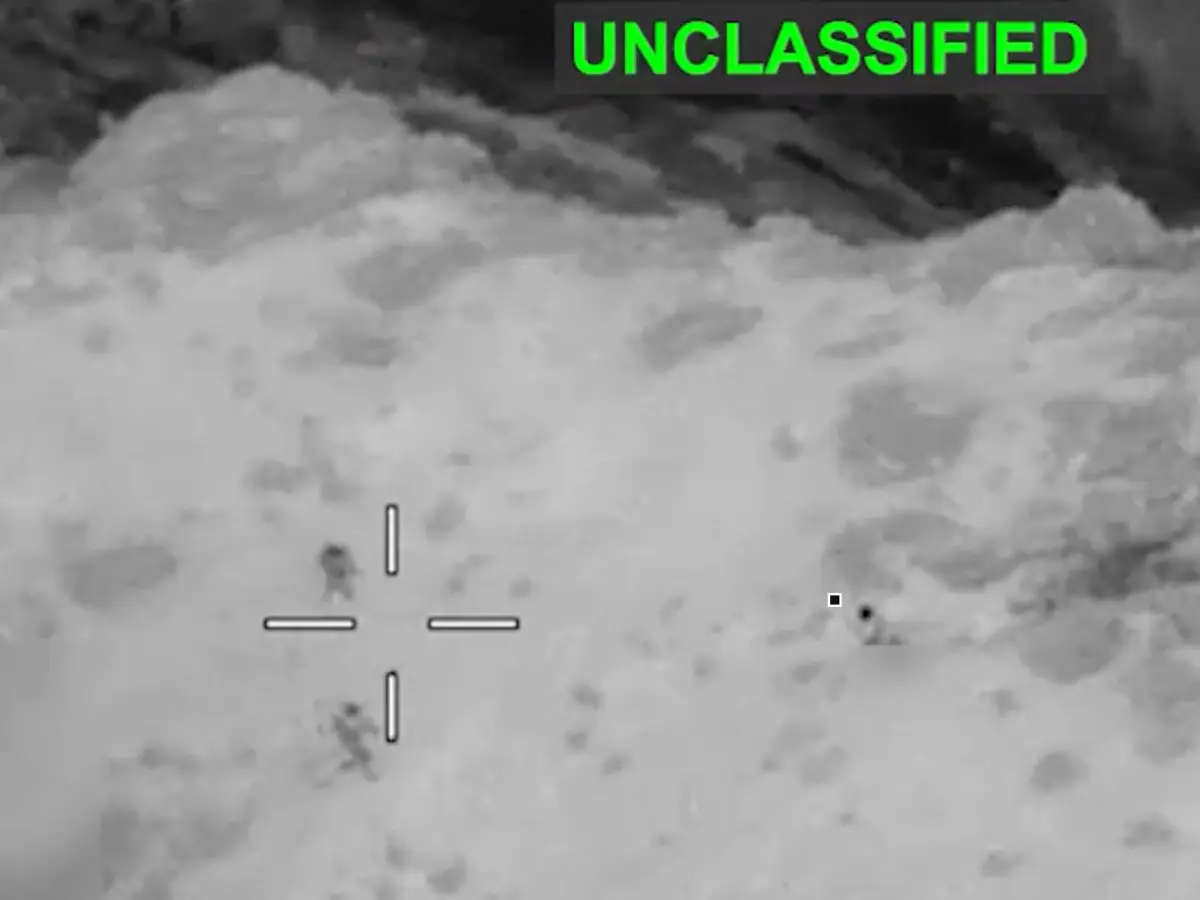)
‘Let’s go’: Newly declassified videos show dramatic rescue of US Air Force officers downed in Iran
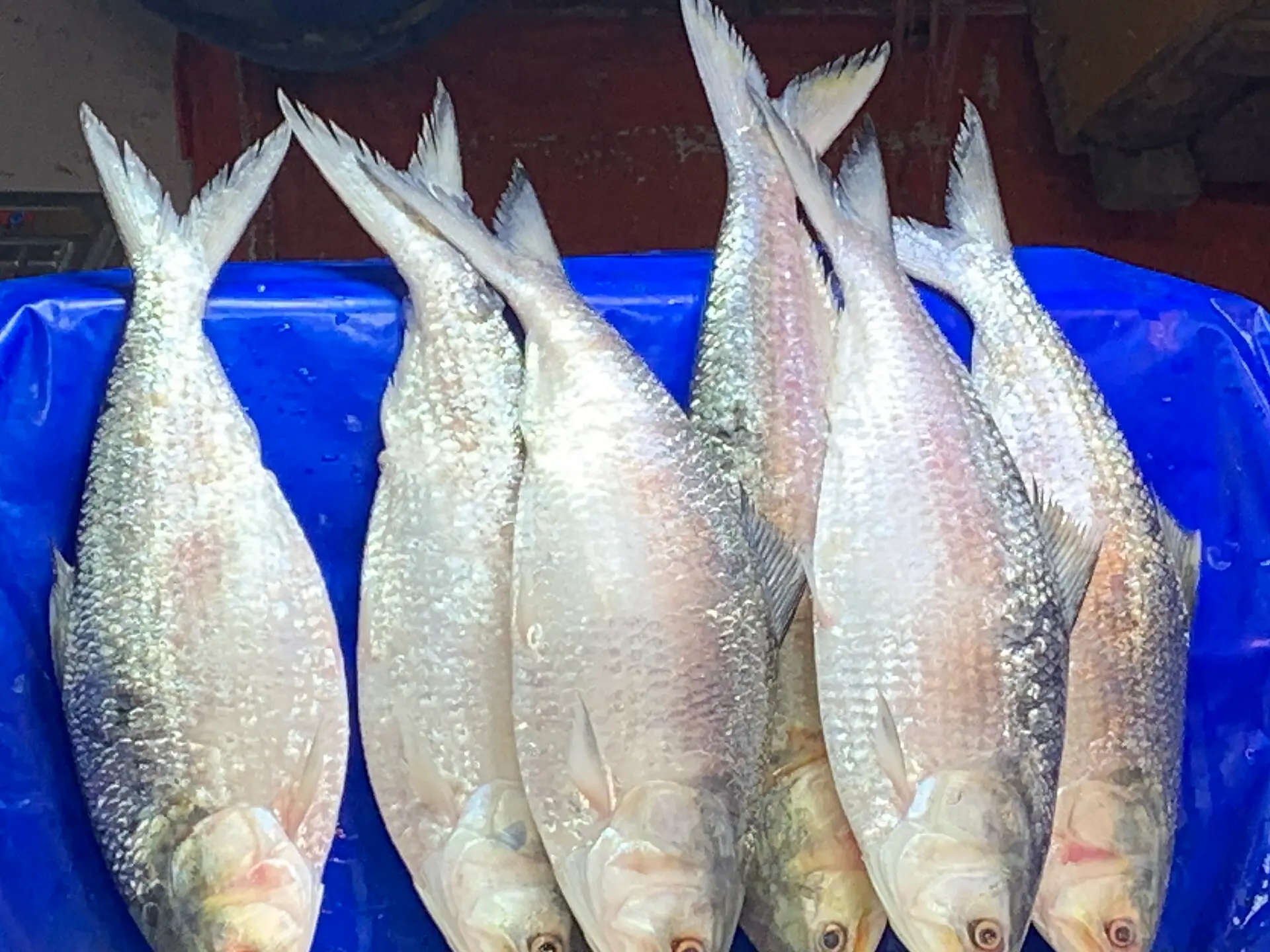)
Indian importers urge Bangladesh to lift export ban on 'Hilsa' fish ahead of Durga Puja
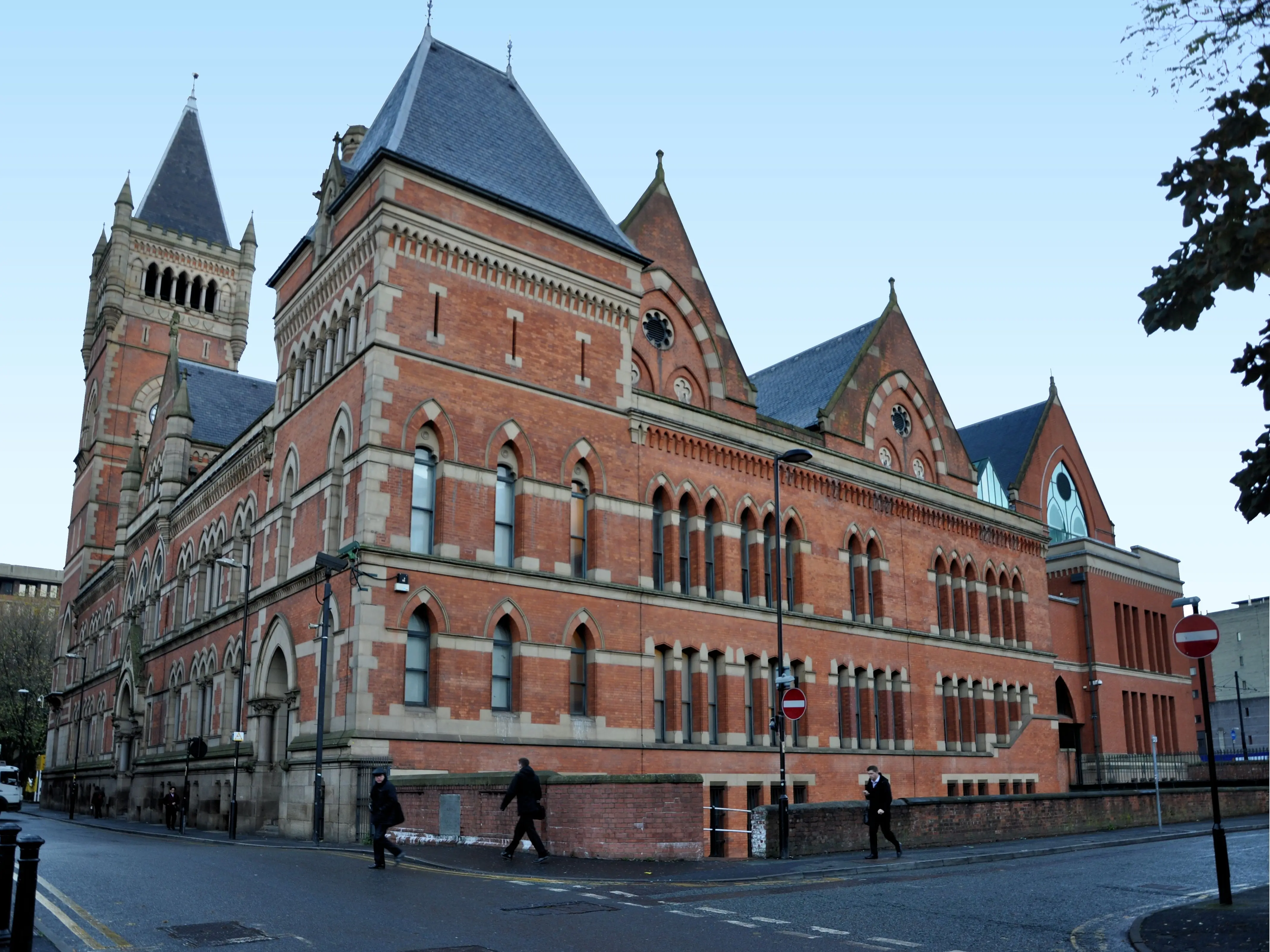)
UK man admits drugging, raping wife for 20 years in shocking abuse case
)
Iran, India agree to deepen humanitarian and political ties, President Pezeshkian says
)
800 million years old - Scientists discover 'fingerprints' of supercontinent Gondwana in ancient rocks
&im=FitAndFill=(700,400))
Why European Meteor missiles use ramjet engines compared to standard US solid rockets
)
Did China give Iran intel before US base strike that killed 3 troops? Trump says, 'You’re right...'
)
‘US ensuring global energy supplies’: Trump demands reimbursement for securing Strait of Hormuz
)
Liam Neeson sparks romance rumours after holding hands with Stella Stocker at TIFF 2026
)
Saudi Arabia discovers 110 million tonnes of Uranium-rich ore in Madinah region
&im=FitAndFill=(700,400))
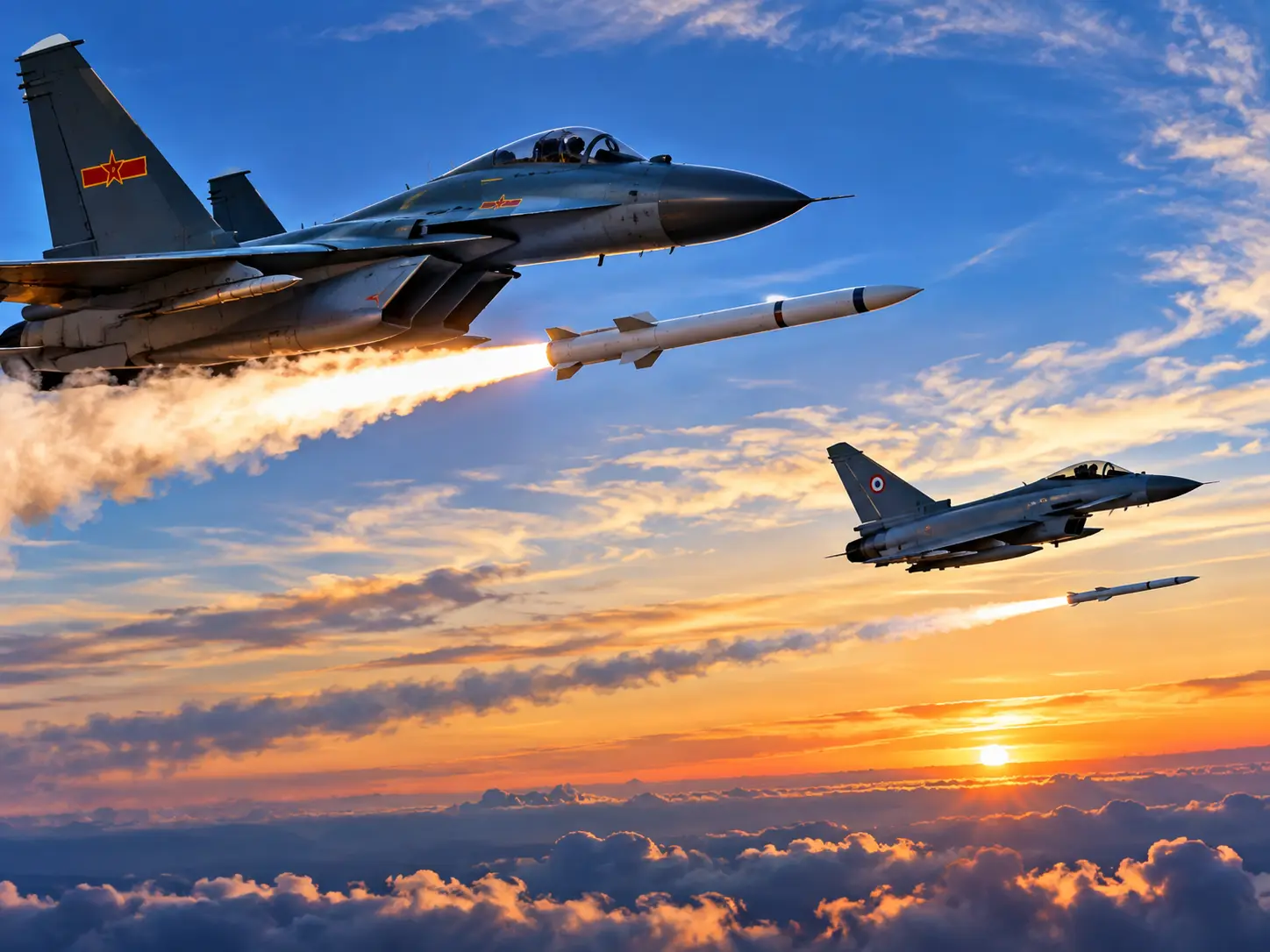
Why Chinese PL-15 air-to-air missiles use dual-pulse motors compared to European interceptors
)
BRICS set of guidelines for disaster management
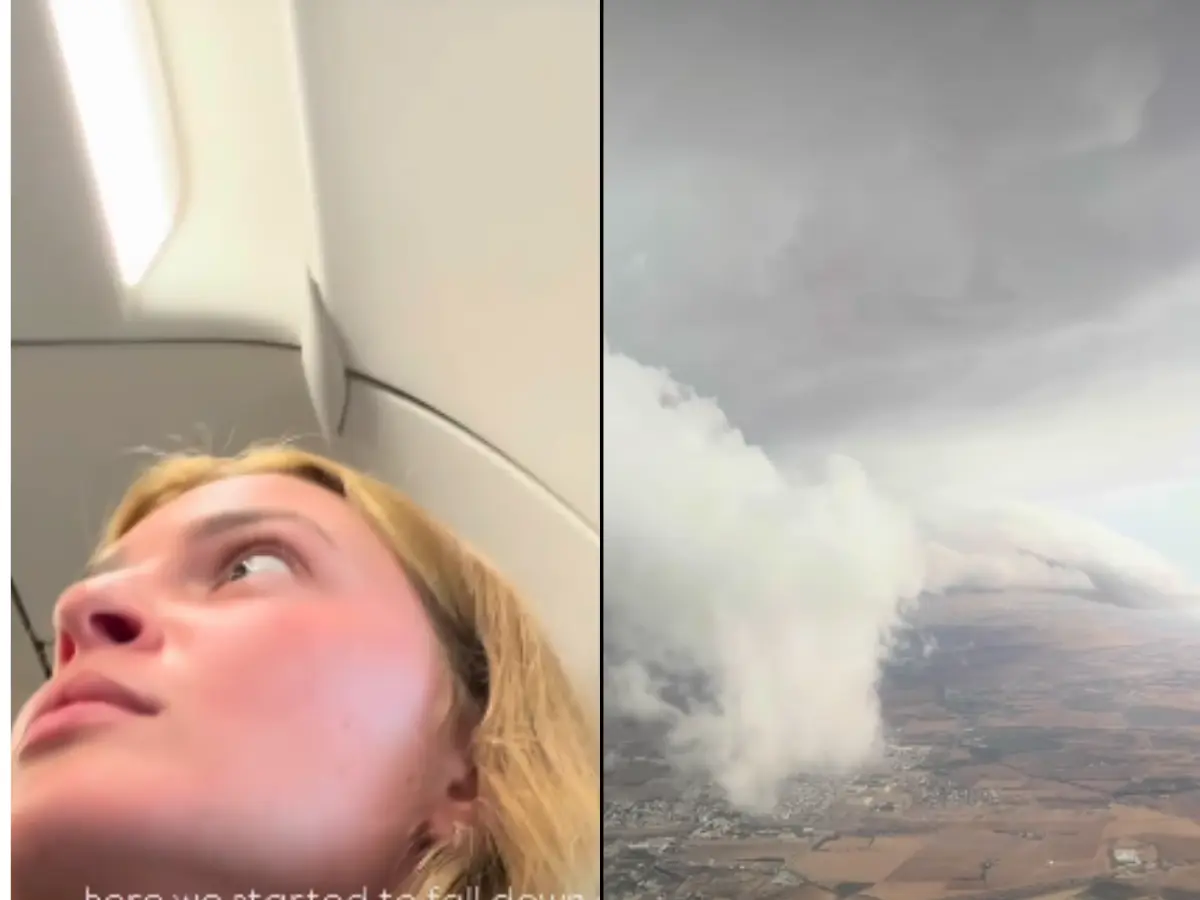)
Turkish Airlines plane flies through a storm three times, triggering severe turbulence
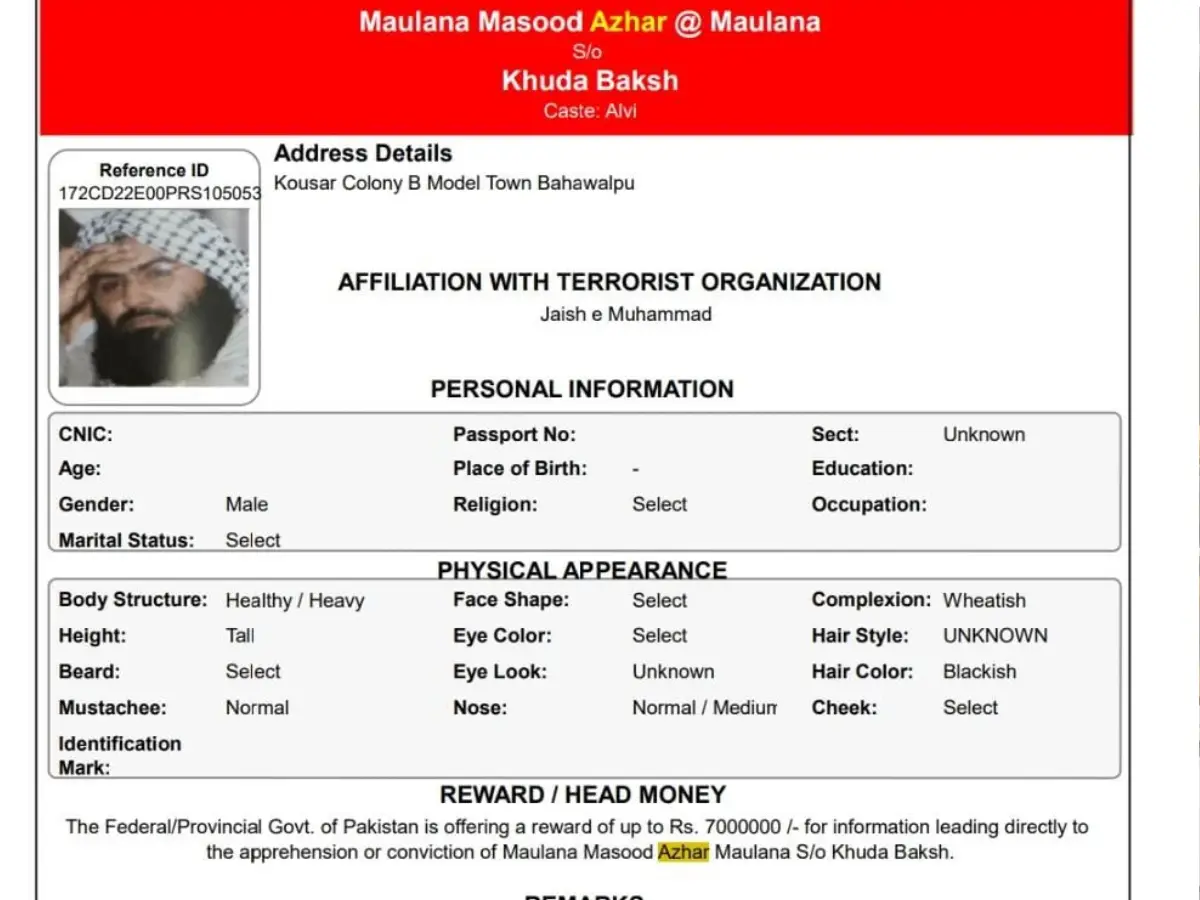)
Pakistan puts Pak Rs 70 lakh bounty on UN terrorist Masood Azhar; move draws skepticism in Delhi
)
Meghan Markle shares first glimpse of family life with Prince Harry and children in UK
)
Woman removes all her clothes on American Airlines flight, performs 'indecent acts'; arrested
)
Historic first: ‘Ganga aarti’ performed on River Thames in London
&im=FitAndFill=(700,400))
New OTT releases this week (September 14-20, 2026): Lust Stories 3, Waiting Hai, Irumudi- 5 new titles coming on Netflix, Prime Video and more
)
Scotland, Wales & Northern Ireland push for exit from UK | Race To Power
)
Sent home midway from UK tour, Pakistan's Salman Agha hits 300* in domestic return
)
Who really benefits from the BRICS bank? Inside the New Development Bank's $43 billion portfolio
)
‘Want to reset ties with India, have engagement based on mutual interests,’ says Bangladesh minister
)
US court blocks Trump administration move ending automatic H-4 EAD extensions for seven spouses
Tech giants say the ban makes the internet unsafe
The government has already conceded that the law "won't be perfect", but argues it is a step in the right direction. However, tech giants like Meta say that the social media ban actually makes the internet unsafe for children. On Wednesday, Meta said that the ban was already pushing teens towards less regulated chat and image-sharing apps like Lemon8 and yope. These apps are currently not listed in Australia's social media ban, reports AFP.
"We've consistently raised concerns that this poorly developed law could push teens to less regulated platforms or apps. We're now seeing those concerns become reality," Meta said in a statement. The US-based company pointed out that these alternative apps do not have safety features like specialised teen accounts. "While we'll meet our legal obligations, we remain concerned this law will make teens less safe."

